Fire pits explained: wood-burning, propane and smokeless designs
How wood, smokeless and propane fire pits differ, what to check on materials and size, and the safety and local burn rules to know before you light up.
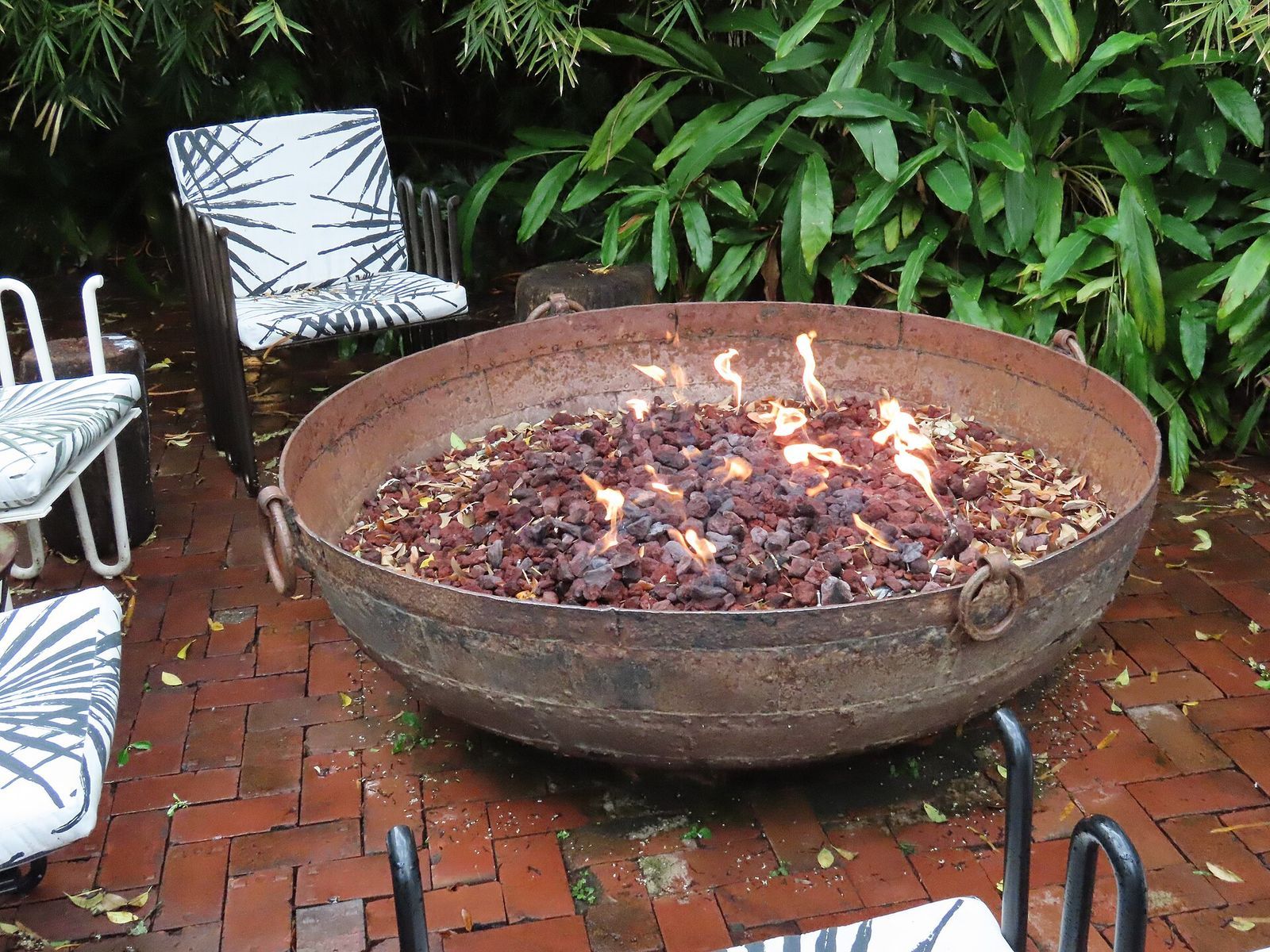
A fire pit can turn a patio into somewhere you use long after sunset, but the three main designs suit very different people. A wood fire gives real crackle and heat along with smoke and ash, a smokeless wood pit cuts most of the smoke if you feed it properly, and a propane table gives a tidy flame at the turn of a knob. This guide explains how each type works, what to look for in materials and size, and the safety and local rules that matter as much as the pit itself.
The main types at a glance
- Open wood-burning pits and bowls: a steel, cast-iron or stone ring or bowl, often with a spark screen and a cooking grate. Simple, hot and inexpensive, but smoky when the wood is less than perfect.
- Smokeless (double-wall) wood pits: a steel drum with an inner and outer wall and rows of holes, designed to burn off much of the smoke before it leaves the pit.
- Propane and natural gas fire pits and tables: a burner under lava rock or fire glass, fed from a propane cylinder or a fixed gas line. Clean and controllable, with less heat than a big wood fire.
- Chimineas: a clay or cast-iron stove with a chimney that directs smoke upwards. Good for small patios, with a more contained fire.
- Pellet fire pits: burn wood pellets, often in a double-wall design.
| Wood-burning | Smokeless wood | Propane / gas | |
|---|---|---|---|
| Smoke | Noticeable | Much less once hot | Very little |
| Heat | High | High | Moderate |
| Start-up and shut-down | Slow | Slow | Instant |
| Ash and clean-up | Yes | Yes | None |
| Fuel | Firewood | Dry firewood or pellets | Propane cylinder or gas line |
| Cooking | Often possible | Some models, with accessories | Usually not recommended |
Wood-burning pits: materials and what to check
Steel is the most common material. Thicker steel resists warping and burning through; thin pressed bowls can rust out in a few seasons if left full of wet ash. Weathering (Corten-type) steel is designed to form a stable rust layer, which looks good but can stain paving underneath. Cast iron is heavy and holds heat well but can crack if handled roughly. Stone and masonry rings are permanent and durable, but the inner surface should be firebrick or a steel insert, because some stones can crack or spall when heated.
Useful features include a spark screen (strongly recommended, and required by some local rules), a poker for moving logs without leaning over the fire, drainage holes so rain doesn't pool in the bowl, and a lid or cover to keep rain out when it isn't in use.
How smokeless fire pits work
Smoke is mostly unburned gases and fine particles. A double-wall pit draws air in through holes near the base, warms it as it rises between the two walls, and releases it through a ring of holes near the top of the inner wall. That heated air feeds a secondary burn above the logs, igniting much of the smoke before it escapes.
The design has limits worth knowing:
- It works best once the pit is fully hot. Expect some smoke while it gets going and as it dies down.
- Logs should stay below the upper row of air holes. Overfilling blocks the secondary burn.
- Wet or unseasoned wood will smoke in any pit.
"Smokeless" is a marketing term, not a standard.
Propane and gas fire pits
Gas fire pits and tables are rated by burner output in BTU per hour. Higher numbers give a bigger flame and more warmth, but also use fuel faster, and a gas pit rarely feels as warm as a large wood fire. Many models are designed to hold a standard 9 kg (20 lb) propane cylinder inside the base or in a separate side table.
Things to check:
- Certification: look for a model certified to the relevant gas-appliance standard in your country, marked on the rating plate.
- Ignition and safety shut-off: a push-button or electronic igniter and a thermocouple or similar device that shuts off gas if the flame goes out.
- Fuel conversion: a propane model can only be run on natural gas with the maker's conversion kit, and a fixed gas line should be installed by a qualified gas fitter.
- Wind guard: a glass surround helps keep the flame steady in a breeze.
- Media: use only the lava rock or fire glass the maker specifies. Ordinary gravel or river stones can trap moisture and crack or burst when heated.
If staying warm matters more than the look of a flame, see our guide to patio heaters.
Before each season, brush soapy water on the hose and connections with the gas on and the burner off; growing bubbles mean a leak. Store propane cylinders outdoors, upright and away from heat, never in a house, garage or basement.
Choosing firewood
For any wood-burning pit, fuel quality makes a bigger difference than the pit.
- Burn seasoned hardwood that has dried for many months. Well-seasoned wood usually has cracks in the ends, feels light and sounds hollow when two pieces are knocked together. An inexpensive moisture meter takes the guessing out; firewood is commonly considered dry below about 20% moisture.
- Never burn painted, stained or pressure-treated wood, plywood, pallets of unknown origin, plastics or household rubbish. They release toxic fumes.
- Many regions restrict moving firewood long distances because it can spread invasive insects and tree diseases. Buy or gather it locally.
Local burn rules: check before you buy
Rules on backyard fires vary a lot between municipalities and change with the season, so treat the following as the kinds of rules to look for rather than a summary of what applies to you:
- Permits: some areas require a permit or registration for open-air fires, including fire pits.
- Minimum distances: many rules set a minimum distance from buildings, fences, property lines and overhanging branches. Requirements often fall somewhere between about 3 m and 7.5 m (10 to 25 ft).
- Size and fuel limits: maximum fire size, approved fuels only, and sometimes a requirement for a spark screen.
- Fire bans: during dry, windy or high fire-danger periods, wood fires may be banned outright. Some jurisdictions treat certified gas fire pits differently during bans; others ban all open flames.
- Air-quality advisories and hours: some cities restrict burning on poor air-quality days or at certain times.
- Rental and condo rules may forbid fire pits entirely, particularly on balconies.
Your local fire department or municipal website is the place to confirm the current rules.
Safe placement and use
Rule of thumb: set the pit on a level, non-combustible surface, well away from buildings, fences, trees and anything that can catch a spark, and never leave a fire unattended.
- Don't put a wood-burning pit directly on a wooden or composite deck unless the maker explicitly allows it with a specific heat shield. Some gas tables are designed for deck use; check the clearances in the manual.
- Never use a fire pit or propane heater in a garage, enclosed porch, tent or under a low roof. Fires and gas burners produce carbon monoxide, and fabric canopies catch fire easily. See our guide to gazebos and pergolas for why open flames don't belong under a soft top.
- Never use petrol (gasoline) or other accelerants to start or revive a fire. Use kindling and fire starters.
- Keep a garden hose, a bucket of water or a suitable fire extinguisher within reach.
- Keep children and pets back from the pit; steel bowls and rims stay hot long after the flames die down.
- Don't light a fire on windy days, when sparks can travel.
Putting it out and disposing of ash
Let the fire burn down, then drown, stir and feel: pour water over the embers, stir the ash, add more water, and repeat until everything is cool to the back of your hand held just above it. Ash can hold live embers for days, so put it in a metal container with a tight lid, kept outside and away from the house. For gas pits, turn off the burner and then close the cylinder valve.
The short version
- Real wood fire and cooking: a sturdy steel or cast-iron pit with a spark screen.
- Less smoke for neighbours: a double-wall smokeless pit, fed with dry hardwood and not overfilled.
- Convenience, decks and fire-ban seasons: a certified propane table, if your local rules allow it.
- Before buying: confirm local permits, distances and bans; plan a non-combustible spot; keep water or an extinguisher nearby.
Bloiq is reader-supported. Some links may earn us a commission; it never affects what we write. How we make money.
Cover photo: abbeyprivate, Public domain, via Wikimedia Commons