Ceramic, oil-filled or infrared? Choosing a safe electric space heater
How the main types of electric space heater differ, which safety features and certification marks to look for, and why efficiency claims mislead.
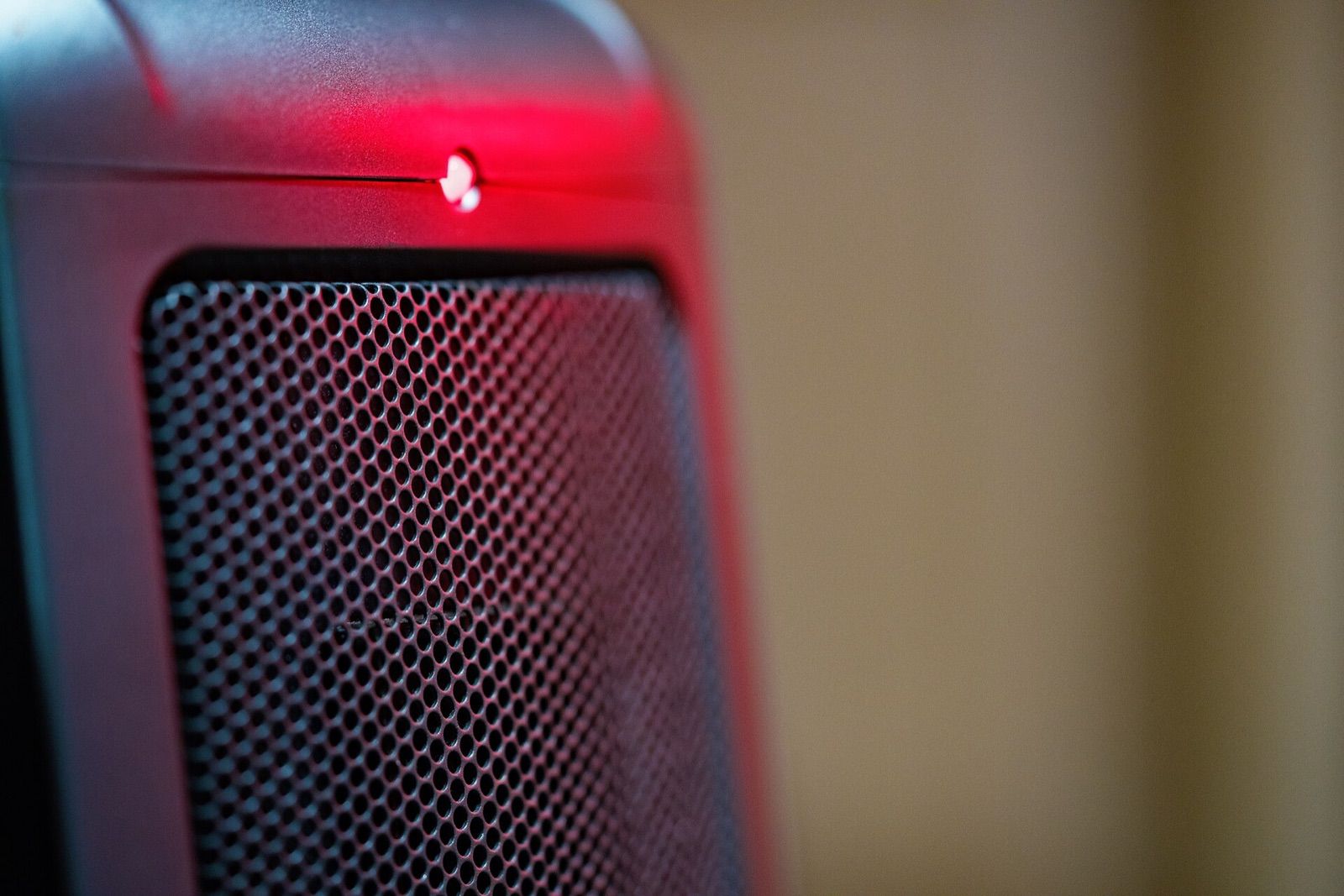
A portable electric heater is an easy way to warm a chilly home office, a draughty bedroom or a cold corner of the basement without heating the whole house. But the shelves are full of confusing claims about "efficiency" and "saving money", and heaters are a common cause of home fires when used carelessly. This guide explains how the main types differ, what the numbers mean and which safety features matter.
The efficiency myth
Almost every plug-in electric heater, whatever the technology, turns close to 100% of the electricity it uses into heat. A 1,500 W ceramic heater and a 1,500 W oil-filled radiator produce the same amount of heat for each hour they run at full power. No resistance heater is "more efficient" than another at making heat.
What differs is how the heat reaches you and how well the heater is controlled:
- A heater that warms you directly can make you comfortable at a lower room temperature.
- A good thermostat avoids overheating the room.
- Heating one room instead of the whole house saves energy if you really can turn the central heating down.
Claims such as "cuts your heating bill in half" usually depend on that last point, not on anything special inside the heater. The only electric heating that delivers more heat than the electricity it consumes is a heat pump, which moves heat rather than generating it.
Main types of electric space heater
Fan heaters and ceramic heaters
A fan blows air over a hot element. In ceramic heaters, the element is made of ceramic plates that are self-regulating, so they limit their own temperature.
- Good for: heating a small room quickly and aiming warm air where you sit.
- Consider: fan noise, and the warmth fades quickly once it switches off. Most ceramic heaters are compact and light, which makes them easy to move.
Oil-filled radiators
Sealed columns of oil are heated by an internal element and release heat slowly through convection and some radiation. The oil is never used up or topped up.
- Good for: steady, silent background heat in bedrooms and living rooms. They keep giving off heat for a while after switching off.
- Consider: they take a while to warm up, are heavy and are not ideal for quick bursts of heat.
Convector panel heaters
These draw cool air in at the bottom and let warm air rise from the top, without a fan (or with an optional one). They are silent and often slim enough to wall-mount.
Infrared (radiant) heaters
Quartz, halogen and carbon-element heaters emit infrared radiation that warms people and objects in its path, rather than heating the air first.
- Good for: instant spot heating, draughty spaces, garages, workshops and covered outdoor areas (with a model rated for it).
- Consider: you only feel warm in the heater's line of sight, and the glowing element can be bright. The air in the room stays cooler.
Types at a glance
| Type | Heats up | Noise | Best for |
|---|---|---|---|
| Fan / ceramic | Fast | Fan noise | Quick heat in a small room or at a desk |
| Oil-filled radiator | Slow | Silent | Steady background heat, bedrooms |
| Convector panel | Moderate | Silent or near-silent | Whole-room heat, wall mounting |
| Infrared | Instant | Silent | Spot heating, draughty spaces |
How much power you need
In North America, plug-in heaters are generally limited to 1,500 W so they can run on a standard household circuit. In the UK, heaters of up to about 3 kW are common, and in the rest of Europe typically around 2 kW or more.
Rule of thumb: for supplementary heat in a room with average insulation, allow roughly 100 W per square metre (about 10 W per square foot). Draughty rooms, high ceilings and cold climates need more.
Running cost is simple arithmetic: kilowatts × hours × your electricity rate. A 1.5 kW heater running at full power for four hours uses 6 kWh. A thermostat reduces this by cycling the element on and off once the room is warm.
Safety features to look for
- Tip-over switch: cuts power if the heater falls over.
- Overheat protection: switches off if internal temperatures get too high, for example if the heater is covered.
- Thermostat: ideally digital, so it holds a set temperature rather than just a vague "low/high" setting.
- Cool-touch housing: important with children and pets around.
- Timer or auto shut-off: so it doesn't run all night by accident.
- Stable base and a sturdy cord and plug.
Look for certification by a recognised testing lab. In North America that means marks such as UL, CSA or ETL; portable heaters in the US are commonly certified to UL 1278. In Europe and the UK, look for CE or UKCA marking, with heaters typically tested to the IEC/EN 60335-2-30 standard for room heaters. Be cautious with unbranded heaters that carry no recognised marks.
Safe use
Fire safety organisations give consistent advice for portable heaters:
- Keep the heater at least 1 metre (3 feet) from anything that can burn: curtains, bedding, furniture, paper and clothes.
- Plug it directly into a wall socket. Don't use an extension lead or power strip unless the manufacturer specifically allows it; they can overheat.
- Place it on a hard, level floor, away from doorways and walkways.
- Turn it off when you leave the room or go to sleep, unless it is specifically designed for unattended use.
- Don't use it in a bathroom or damp area unless it is rated for that location.
- If the plug, socket or cord becomes hot, stop using it and have the wiring checked.
- Keep smoke alarms working on every floor.
This guide covers electric heaters. Fuel-burning portable heaters (paraffin/kerosene, propane) bring extra risks, including carbon monoxide, and need proper ventilation and a carbon monoxide alarm.
Choosing by room
- Home office or desk: a small ceramic heater or a low-power infrared panel aimed at where you sit.
- Bedroom: a silent oil-filled radiator or convector with a thermostat and timer.
- Living room: a larger oil-filled radiator or convector for steady heat.
- Garage or workshop: an infrared heater for spot heat, rated for the location.
- Patio or terrace: a heater designed and rated for outdoor use; see our guide to patio heaters.
Space heaters dry the air as they warm it; if that bothers you, see our guide to humidifier types.
The short version
- Every electric resistance heater is about equally efficient; choose by how the heat is delivered.
- Ceramic for fast heat, oil-filled for silent background heat, infrared for instant spot heat.
- Size for the room: about 100 W per square metre as a starting point.
- Insist on tip-over and overheat protection, a thermostat and a recognised safety mark.
- Keep 1 metre clearance, plug into the wall and switch off when you leave.
Bloiq is reader-supported. Some links may earn us a commission; it never affects what we write. How we make money.
Cover photo: Tony Webster from Minneapolis, Minnesota, United States, CC BY 2.0, via Wikimedia Commons
.jpg)