Electric blankets and heated throws: types, controls and safe use
Underblankets, overblankets and heated throws compared: sizes, dual controls, timers and auto-off, energy use, washing and the safety checks that matter most.
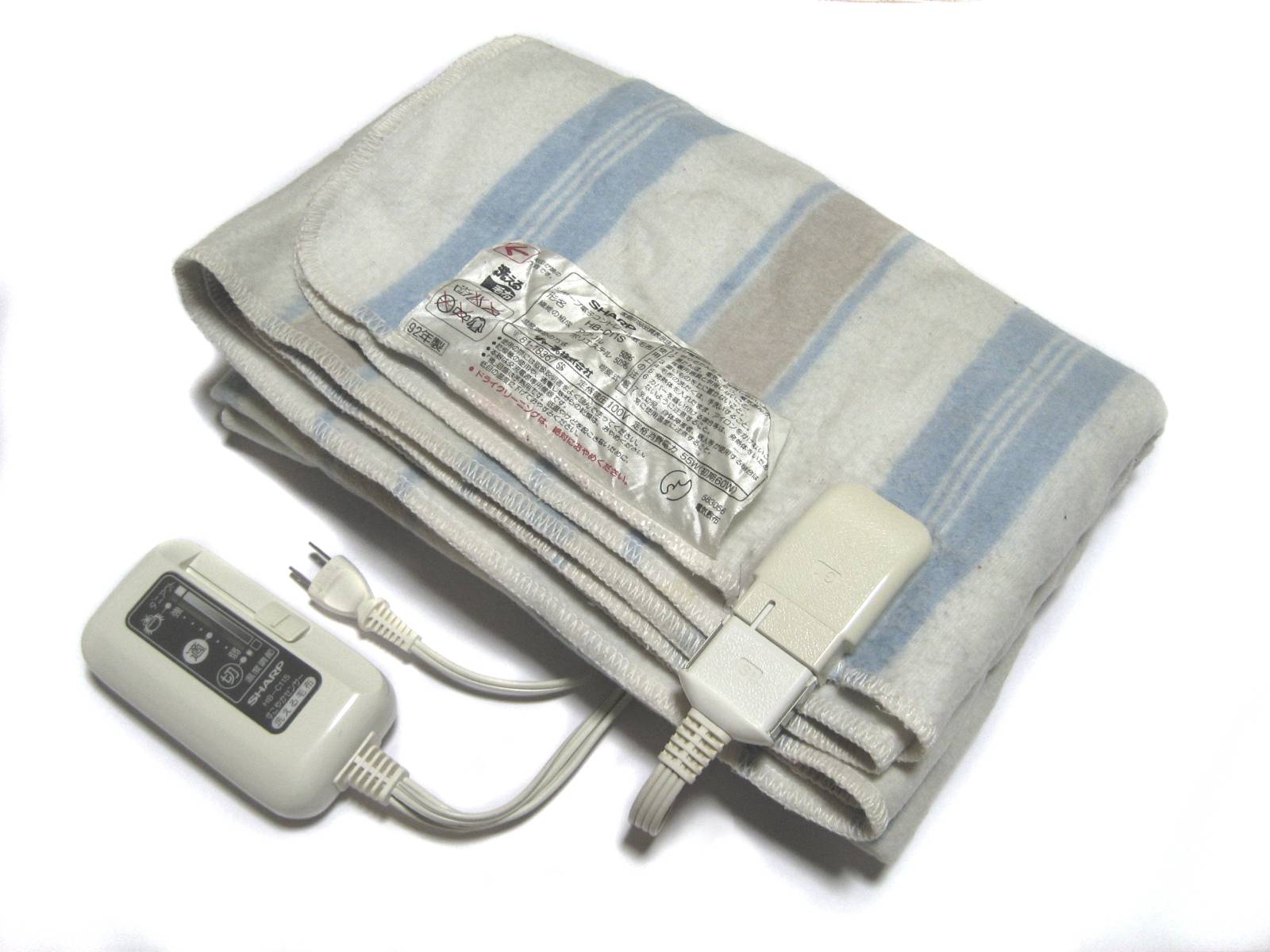
Heating a person takes far less energy than heating a room, which is why electric blankets and heated throws have become popular again. A modern blanket uses a fraction of the power of a space heater and comes with timers and overheat protection that older designs lacked. But the type matters, as does how you use and care for it. This guide explains the differences between underblankets, overblankets and throws, what the controls do and how to use one safely.
Underblankets, overblankets and heated throws
| Type | Where it goes | Good for | Consider |
|---|---|---|---|
| Underblanket (heated mattress pad) | On the mattress, under the bottom sheet | Warming the bed before you get in | Must lie flat; usually fixed with straps or ties |
| Overblanket | On top of you, like an ordinary blanket | Staying warm through the night | Shouldn't be tucked in or bunched up |
| Heated throw | On the sofa or chair | Evenings at home, home offices | Usually smaller; not meant for sleeping under in bed |
Underblankets are the traditional choice in the UK and Ireland. Most are designed to preheat the bed and then be turned down or off, although many now have a low setting that's safe for all-night use. A fitted underblanket with an elasticated skirt, like a fitted sheet, stays in place better than a flat one with ties.
Overblankets are more common in North America. Heat rises, so an overblanket feels gentler, and it can stay on low through the night if the manufacturer allows it.
Heated throws are the most flexible: you can heat yourself on the sofa instead of the whole room. They're usually softer fleece or faux-fur fabrics and often have a shorter auto-off timer.
Sizes and dual controls
Choose a blanket that matches your mattress size; an underblanket that's too large wrinkles and folds, which you must avoid. On double, queen and king sizes, look for dual controls: each side has its own controller, so one sleeper can stay cool while the other turns the heat up. Some models also have separate foot zones, as cold feet are a common complaint.
Throws come in a range of sizes; a larger one can cover your feet as well as your lap.
Controls, timers and auto-off
The controller is where models differ most:
- Heat settings: from a basic three settings to ten or more. More steps help you find a comfortable low setting for the night.
- Preheat: a fast warm-up setting to heat the bed before you get in.
- Timers: let you choose how long the blanket stays on, for example one to several hours, before it switches off.
- Auto-off: switches off automatically after a set period even if you forget. It's a valuable safety feature, especially on throws.
- Overheat protection: sensors that cut the power if part of the blanket gets too hot.
- Display: a backlit controller that's easy to read in the dark, without a light so bright it keeps you awake.
- Detachable controller: necessary for washing; check how securely it reconnects.
Some blankets run on low voltage through a transformer in the controller or plug, which some people prefer near the body.
Energy use
Electric blankets typically draw tens of watts, often somewhere around 40 to 150 W depending on size and setting, compared with roughly 1,500 to 2,000 W or more for a fan heater. Preheating a bed for half an hour therefore uses very little electricity. Check the rated wattage on the label and multiply by the hours of use for an estimate; your electricity provider's current rate tells you the cost.
If you're deciding between a blanket and room heating, our space heater guide explains the alternatives.
Safety: the checks that matter most
Most electric blanket fires and injuries are linked to old, damaged or misused blankets. Fire services and manufacturers commonly advise:
- Inspect it before each season. Look for scorch marks, frayed fabric, exposed or displaced wires, damaged cords and worn connectors. If you see any, stop using it.
- Replace old blankets. Many fire services suggest replacing a blanket after around ten years, or sooner if it's damaged. Follow the manufacturer's guidance.
- Don't fold, crease or crush it while it's on. Underblankets must lie flat; overblankets shouldn't be tucked in under the mattress.
- Don't use it with a hot water bottle, and never use it when wet or damp.
- Don't put heavy things on it, including people sitting on a heated underblanket on a made bed, or suitcases on a stored blanket.
- Keep pets away from cords and controllers they might chew.
- Check compatibility before using one on an adjustable bed, a waterbed, or a sofa bed; only some blankets are designed for these.
- Look for recognised safety certification for your region. Electric blankets are covered by international standards such as IEC 60335-2-17, and products sold in regulated markets usually carry the relevant marks.
Some people shouldn't use one without advice. Electric blankets aren't suitable for babies and young children, or for anyone who can't easily operate the controls or feel when it's too hot, which can include people with reduced sensation such as some with diabetes. Anyone who is pregnant or has a medical condition should ask a doctor first. Always follow the manufacturer's instructions.
Washing and storage
Most modern blankets and throws can be washed, but check the label:
- Detach the controller and any connectors before washing.
- Many can go in the washing machine on a gentle, low-temperature cycle; some must be hand-washed or only spot-cleaned.
- Dry flat or over a line, away from direct heat. Tumble drying is allowed only if the label says so.
- Never iron, dry-clean or use bleach unless the label allows it.
- Let it dry completely before plugging it in again.
For storage, roll it or fold it loosely along the original folds, put it in a bag or its box, and store it somewhere dry with nothing heavy on top. Sharp creases can damage the heating wires over time.
Fabrics and comfort
Underblankets are usually polyester or a cotton blend, sometimes with a quilted top for extra comfort. Overblankets and throws come in fleece, flannel, sherpa and faux fur. Soft, thick fabrics feel cosier but take longer to dry after washing. Our bedding materials guide explains the fabrics in more detail.
The short version
- Underblanket to warm the bed, overblanket for heat through the night, throw for the sofa.
- Choose the right size, and dual controls on shared beds.
- Look for multiple heat settings, a timer, auto-off and overheat protection.
- Check for safety certification and a detachable controller for washing.
- Inspect it every season, never fold it while it's on, and replace it when it's old or damaged.
- Ask a doctor first if you're pregnant or have reduced sensation, and don't use one for young children.
Bloiq is reader-supported. Some links may earn us a commission; it never affects what we write. How we make money.
Cover photo: Qurren, CC BY-SA 3.0, via Wikimedia Commons