Dehumidifiers explained: capacity, room size, compressor or desiccant
What pints or litres per day really mean, how test conditions change the numbers, compressor versus desiccant designs and the drainage options to consider.
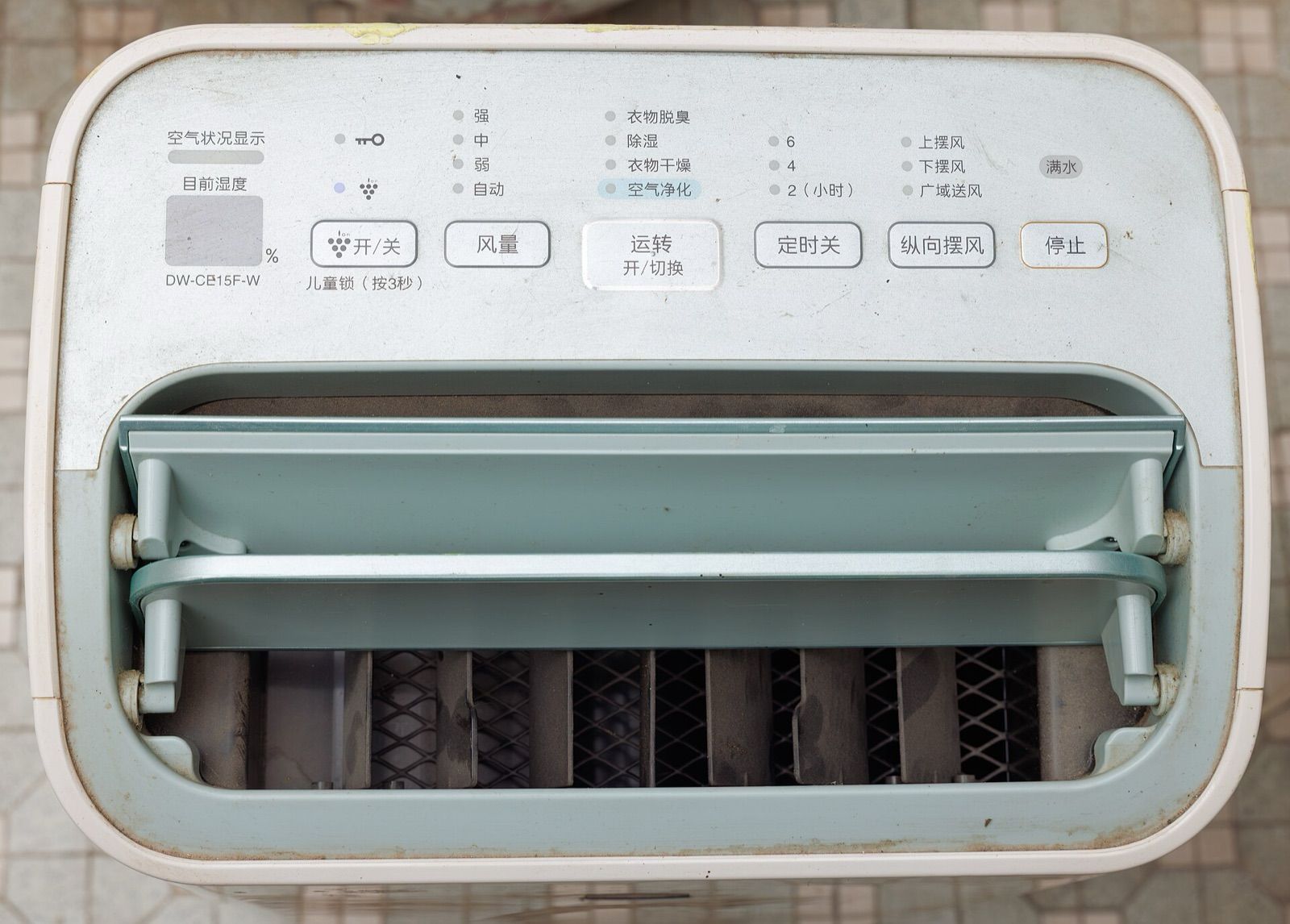
Condensation on windows, a musty basement, laundry that won't dry and black spots of mould in corners are all signs of too much moisture indoors. A dehumidifier pulls water out of the air, but the capacity figures on the box are measured under test conditions that rarely match a real home, and the two main technologies suit very different spaces. This guide explains how to read the ratings and pick the right type and size.
What humidity to aim for
Relative humidity (RH) is the amount of water vapour in the air compared with the maximum it could hold at that temperature. For most homes, a comfortable and healthy range is roughly 30–50%, and general advice is to keep it below about 60% to discourage mould and dust mites. A cheap digital hygrometer tells you where you stand before you buy anything.
A dehumidifier treats the symptom, not the cause. If moisture comes from a leak, poor ventilation in bathrooms and kitchens, drying clothes indoors or water entering a basement, dealing with the source will make any dehumidifier more effective. If the air is too dry instead, you need the opposite appliance; see our guide to humidifier types.
Capacity ratings: pints and litres per day
Capacity is how much water a dehumidifier removes in 24 hours, quoted in US pints in North America and litres elsewhere (one US pint is about 0.47 litres). The important detail is the test conditions:
- In the United States, the Department of Energy changed its test method in 2019 to use cooler, more realistic conditions (about 65 °F, or 18 °C, at 60% RH). Newer ratings are therefore lower than older ones for similar machines: a unit once sold as "70 pints" is typically rated at about 50 pints under the current method. When comparing, make sure both figures use the same test.
- In the UK and Europe, capacity is often quoted at 30 °C and 80% RH, conditions far warmer and more humid than a typical home. In a cool house, the real amount of water removed can be a fraction of the headline figure. Some manufacturers also give a figure at a lower temperature, which is more useful.
In short, compare capacities only when they share the same test conditions, and expect real-world removal to be lower in cool rooms.
Sizing for your space
Room size and how damp the space is both matter. As a rough guide:
- Small units suit a bedroom, bathroom or small flat with mild condensation.
- Mid-sized units suit a family home with ordinary dampness, or drying laundry indoors.
- Large units suit damp basements, whole floors or homes with persistent condensation and mould.
Manufacturers publish sizing charts based on floor area and dampness. If in doubt, choose a little more capacity than the minimum: a larger unit reaches the target humidity sooner and can then run at a lower, quieter setting, cycling off once the humidistat is satisfied. Keep doors and windows closed while it runs, or it will be trying to dry the outdoors.
Compressor or desiccant?
| Compressor (refrigerant) | Desiccant | |
|---|---|---|
| How it works | Air passes over a cold coil; moisture condenses and drips into the tank | A rotating wheel of absorbent material (often zeolite) captures moisture; a heater dries the wheel and the moisture condenses |
| Best temperatures | Warm, heated rooms; performance falls in the cold | Works well in cool and unheated spaces |
| Energy use | Generally more efficient at normal room temperatures | Generally uses more power |
| Effect on room | Slight warming | Noticeable warming of the air, often a few degrees |
| Weight and noise | Heavier; compressor hum | Lighter; no compressor, though fans still make noise |
| Good for | Living spaces, basements that stay reasonably warm | Unheated garages, conservatories, boats, cold rooms |
Compressor dehumidifiers are the usual choice for heated homes and warm basements. Below roughly 15 °C their capacity drops, and the coil can frost over, so look for automatic defrost if the space is cool.
Desiccant dehumidifiers keep working in the cold, which makes them the better option for unheated spaces in winter. The warm air they produce can also help with drying laundry.
You may also see small thermoelectric (Peltier) units. They are quiet and compact but remove only small amounts of water, so they are best suited to cupboards and very small spaces.
Drainage: tank, hose or pump
Every dehumidifier collects water, and how you get rid of it affects how much attention it needs:
- Water tank: the most common option. A float switch stops the machine when the tank is full. Tank sizes are often a few litres; in a damp basement, you may be emptying it once or twice a day. Check that the tank is easy to remove and carry without spilling.
- Continuous gravity drain: a hose connected to an outlet drains water into a floor drain or sink. The drain must be lower than the outlet.
- Built-in condensate pump: pumps water up and away, for example into a sink or out through a window, where no low drain is available. It adds cost and another part that can fail.
If the unit will run unattended for long periods, continuous drainage is almost essential.
Other features worth checking
- Adjustable humidistat: lets you set a target humidity rather than running continuously.
- Auto-restart: resumes the previous settings after a power cut.
- Laundry mode: runs at high fan speed for drying clothes.
- Washable air filter: protects the coil; clean it as the manual suggests.
- Noise: check the figure for the setting you'll use, especially for bedrooms.
- Wheels and handles: larger units are heavy.
- Energy efficiency: in North America, look for ENERGY STAR certification; elsewhere, compare power consumption against real capacity.
Dehumidifiers also trap some airborne particles in their filters, but they are not air purifiers. If allergens or smoke are the concern, see our guide to air purifiers.
The short version
- Measure your humidity first and aim for about 30–50%.
- Compare capacity figures only at the same test conditions; expect less water in cool rooms.
- Choose compressor for heated living spaces, desiccant for cold or unheated ones.
- Size generously so the unit can reach its target and run quietly.
- Plan drainage: tank for occasional use, hose or pump for continuous running.
- Look for a humidistat, auto-restart and, for cool spaces, automatic defrost.
Bloiq is reader-supported. Some links may earn us a commission; it never affects what we write. How we make money.
Cover photo: Dinkun Chen, CC BY-SA 4.0, via Wikimedia Commons
.jpg)