Trailer hitches explained: classes, tongue weight and wiring
Receiver hitch classes, towing capacity, tongue weight, ball sizes and trailer wiring connectors explained, with the safety checks to make before every tow.
A hitch turns an ordinary car, SUV or pickup into something that can pull a utility trailer, carry bikes or tow a small boat. Choosing one means matching several ratings that all have to agree, and getting the wiring right so the trailer's lights work. This guide explains the hitch classes used in North America, how towing capacity and tongue weight fit together, and the connectors you're likely to meet.
How a receiver hitch works
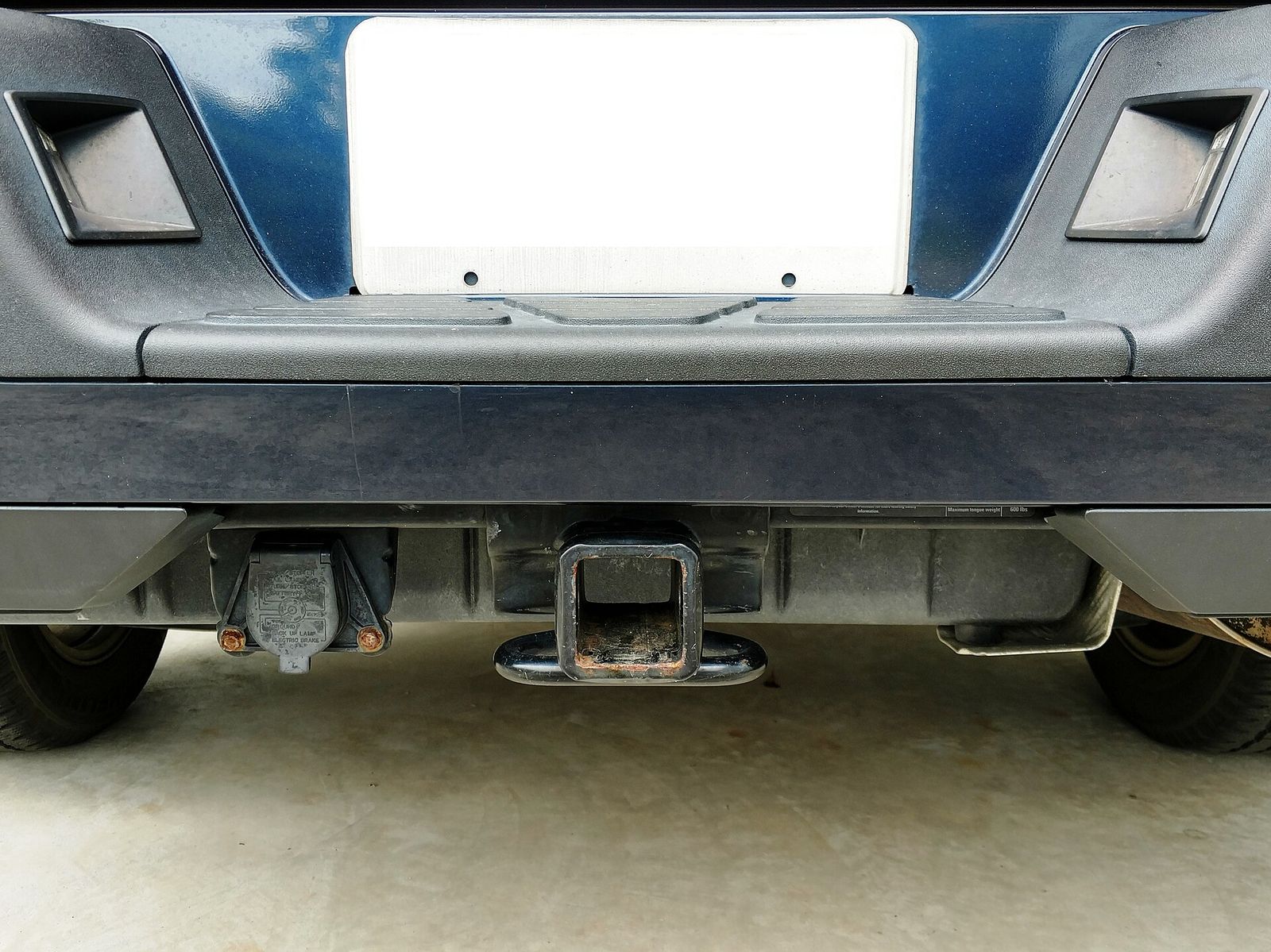
Most hitches sold in North America are receiver hitches: a frame bolted to the vehicle's chassis with a square tube (the receiver) at the back. Accessories slide into the receiver and are held by a hitch pin and clip:
- a ball mount (drawbar) carrying a hitch ball for towing;
- a hitch bike rack or cargo carrier; see our guide to roof racks, cargo boxes and bike racks;
- steps, winch mounts and other accessories.
In the UK and Europe, cars more often use a tow bar with a fixed or detachable 50 mm ball, and noseweight limits play the same role as tongue weight; the principles below still apply.
Hitch classes
Hitches are grouped into classes by capacity and receiver size. Figures vary by manufacturer, and the rating on the hitch label is what counts, but the typical ranges are:
| Class | Receiver opening | Typical maximum trailer weight | Typical maximum tongue weight | Common uses |
|---|---|---|---|---|
| I | 1¼ in (32 mm) | up to ~2,000 lb (~900 kg) | ~200 lb (~90 kg) | Bike racks, small utility trailers |
| II | 1¼ in (32 mm) | up to ~3,500 lb (~1,600 kg) | ~350 lb (~160 kg) | Small boats, light trailers |
| III | 2 in (51 mm) | up to ~8,000 lb (~3,600 kg) | ~800 lb (~360 kg) | Campers, larger boats; the most common SUV and pickup hitch |
| IV | 2 in (51 mm) | up to ~10,000 lb (~4,500 kg) | ~1,000 lb (~450 kg) | Heavier trailers on trucks |
| V | 2 or 2½ in (51 or 64 mm) | higher still, varies widely | varies | Heavy-duty trucks and equipment trailers |
A higher-class hitch doesn't increase what your vehicle can tow. It only means the hitch itself isn't the weak link.
Towing capacity: the lowest rating wins
Your real towing limit is the lowest of:
- the vehicle's towing capacity in the owner's manual, which may depend on engine, drivetrain, axle ratio and whether a factory towing package is fitted;
- the hitch rating;
- the ball mount and hitch ball ratings, stamped on each;
- the trailer coupler and the trailer's own maximum weight.
Other limits matter too:
- Payload: tongue weight, passengers and cargo all count against the vehicle's payload.
- Gross combined weight rating (GCWR): the maximum for the vehicle, trailer and everything in both.
- Axle ratings: especially the rear axle, which carries the tongue weight.
Many small cars and some EVs have low towing ratings, or aren't rated to tow at all; some allow only a bike rack. Check before buying a hitch.
Tongue weight and balance
Tongue weight is the downward force the trailer's coupler puts on the hitch ball.
Rule of thumb: for a conventional trailer, tongue weight is typically about 10–15% of the loaded trailer's weight. Too little can cause dangerous sway; too much overloads the rear axle and lightens the steering.
- Load the trailer with heavier items slightly ahead of its axle, and secure everything so it can't shift.
- Measure tongue weight with a tongue weight scale, or for small trailers with a bathroom scale and the method in many trailer manuals.
- Weight-distribution hitches use spring bars to spread tongue weight across the vehicle's axles and the trailer; many include sway control. Some vehicle makers require one above a certain trailer weight.
Balls, ball mounts and height
- Common ball sizes are 1⅞ in, 2 in and 2 5/16 in. The ball must exactly match the size stamped on the trailer coupler.
- Choose a ball mount with the right drop or rise so the trailer sits level. A nose-high or nose-low trailer handles and brakes worse.
- Use the correct shank size for your receiver; adapters reduce capacity and add play.
- Tighten the ball nut to the maker's specification, and use a locking hitch pin if theft is a concern.
Trailer wiring and connectors
Trailers need working tail, brake and turn lights. Common North American connectors:
| Connector | Circuits | Typical use |
|---|---|---|
| 4-pin flat | Tail lights, left turn/brake, right turn/brake, ground | Utility and small boat trailers |
| 5-pin flat | Adds a circuit that disables surge brakes when reversing | Boat trailers with hydraulic surge brakes |
| 6-pin round | Adds electric brakes and 12 V auxiliary power | Some trailers with electric brakes |
| 7-way blade | Adds electric brakes, 12 V power and reversing lights | Campers and larger trailers; common on factory tow packages |
Points to know:
- Vehicles with separate amber turn signals need a converter (often a powered module) to combine signals the way North American trailers expect.
- Vehicle-specific plug-in harnesses connect to the car's wiring without cutting, and are the simplest route for most people.
- Electric trailer brakes need a brake controller in the tow vehicle; many vehicles have a port for one.
- Trailers with brakes usually need a breakaway system that applies the brakes if the trailer detaches.
- European trailers use 7-pin or 13-pin round connectors, which aren't compatible with North American plugs without adapters.
Installation
Many hitches bolt to existing holes in the frame; others need drilling, trimming the bumper cover or lowering the exhaust. Follow the torque specifications exactly. Wiring can be simple plug-in work or a more involved job. A professional installation is a sensible choice if you're unsure, and particularly for heavier towing.
Safety checks before every tow
- Coupler latched and locked on the ball; hitch pin and clip in place.
- Safety chains crossed under the tongue, with enough slack to turn but not to drag.
- Lights checked: tail, brake, both turn signals.
- Trailer brakes and breakaway system working, where fitted.
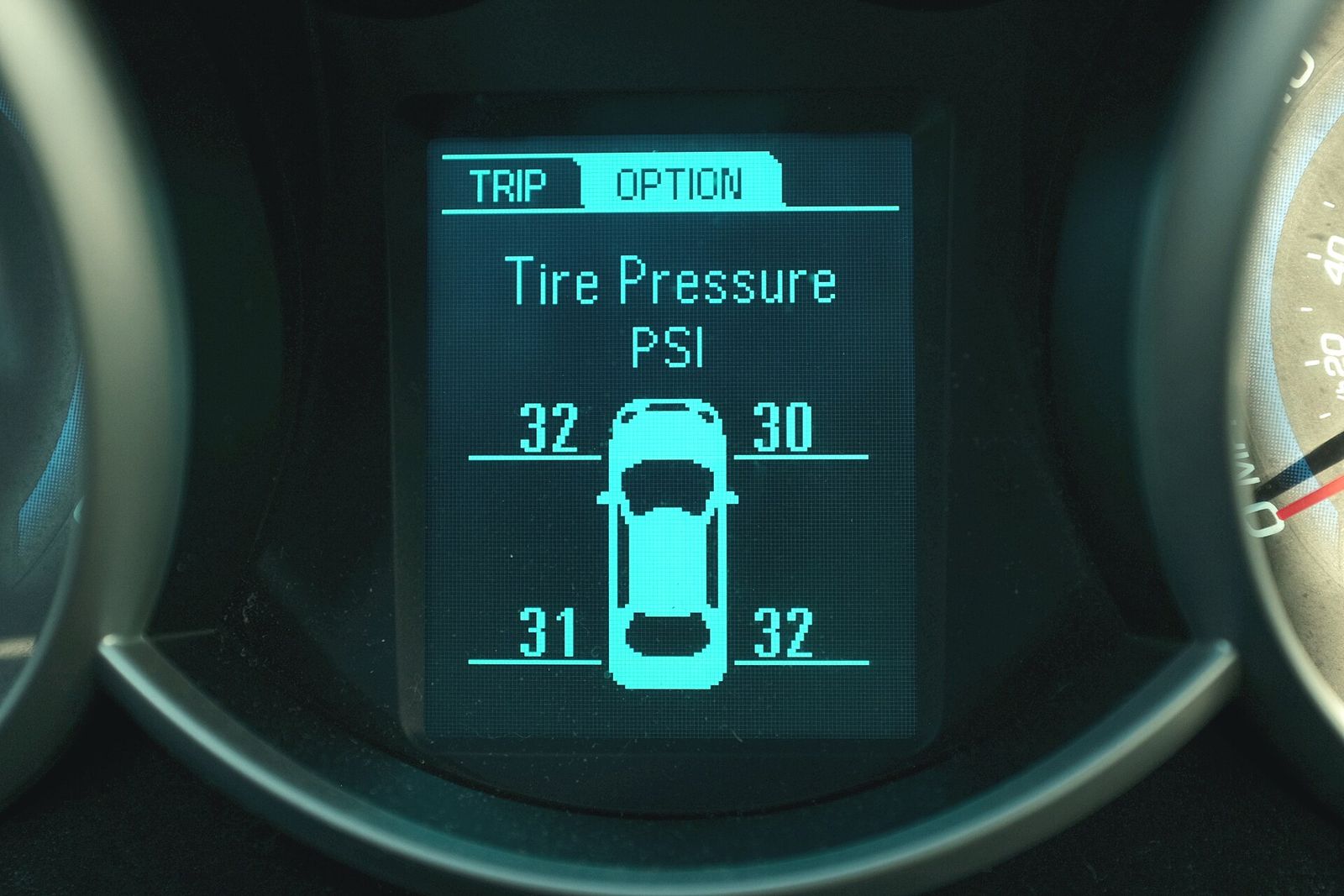
- Tyre pressures set on both vehicle and trailer; a portable tyre inflator helps.
- Mirrors giving a clear view down both sides; wide trailers may need towing mirrors.
Rules on trailer brakes, towing mirrors, speed limits when towing and trailer registration vary by province/state; check local law.
The short version
- Your limit is the lowest rating of vehicle, hitch, ball mount, ball and trailer.
- Aim for 10–15% tongue weight, and count it against payload.
- Match ball size to the coupler, and keep the trailer level.
- Choose the connector your trailer uses; add a brake controller for electric brakes.
- Check coupler, chains, lights and tyres before every trip.
Bloiq is reader-supported. Some links may earn us a commission; it never affects what we write. How we make money.
Cover photo: User:McChizzle, Public domain, via Wikimedia Commons