LED headlight bulbs: beam patterns, housings, cooling and the law
How LED replacement bulbs differ from halogens, why reflector and projector housings matter, what cooling and CANbus mean, and the legal points to check first.
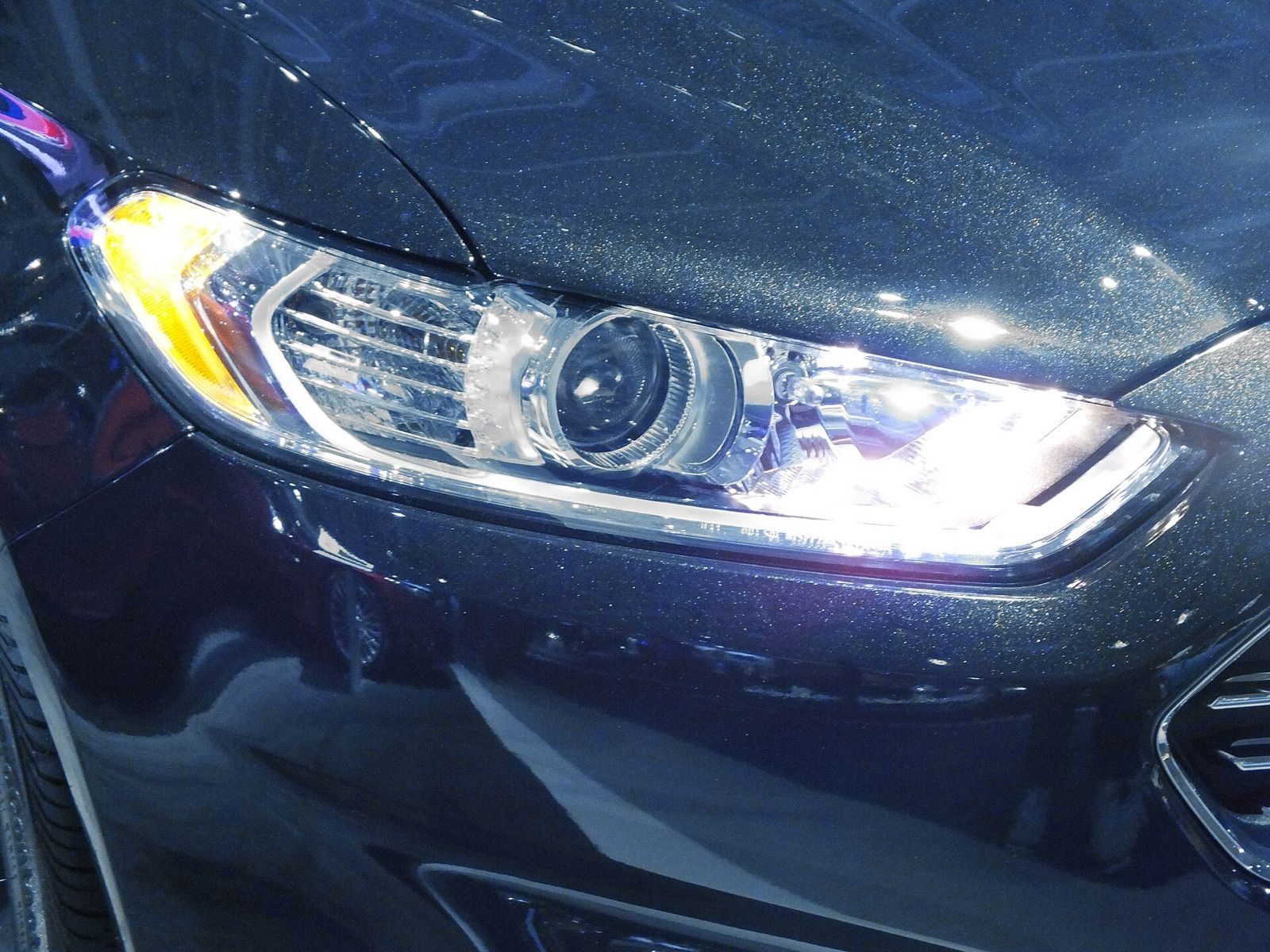
LED replacement bulbs promise whiter light, longer life and a more modern look than the halogen bulbs fitted to millions of cars. Sometimes they deliver; sometimes they scatter light into oncoming drivers' eyes while lighting the road no better than before. The difference comes down to the headlamp housing, the bulb's design and how well the two match. This guide explains what to look for, and the legal questions to settle before you buy.
Why a headlight is more than a bulb
A headlamp is an optical system. The bulb is only the light source; the housing's reflector or lens takes that light and shapes it into a beam with a precise pattern. For dipped (low) beams, that pattern includes a sharp cut-off: bright light on the road below a line, very little above it, so you can see without dazzling others.
Halogen headlamps are designed around the exact size and position of a glowing tungsten filament. An LED retrofit bulb replaces that filament with small flat chips mounted on a board. If the chips don't sit where the filament did, and emit light in a similar direction, the housing can't focus it properly. The result may be:
- a blurred or missing cut-off, sending glare upwards;
- dark patches or a short beam, despite a brighter-looking bulb;
- a bright pool of light close to the car and less reach down the road.
That's why raw brightness figures on a box tell you little. Beam pattern matters far more than lumens.
Reflector versus projector housings
Look through the headlamp lens at night or with a torch to see which type you have.
| Reflector | Projector | |
|---|---|---|
| How it works | A shaped mirror behind the bulb forms the beam | The bulb sits in a small bowl; a lens and a metal shield create the cut-off |
| What you see | A large chrome bowl, often with facets | A round glass lens, like a small magnifying glass |
| Sensitivity to LED retrofits | High: small errors in chip position spread light widely | Lower, but chip position still matters |
| Common on | Many older, budget and some current models | Many mid-range and premium cars |
Reflector housings are the most demanding. The mirror is designed for light coming from one small spot, so an LED bulb must reproduce that position closely. Many retrofit bulbs let you rotate ("clock") the bulb in its collar so the chips face the correct direction, often sideways; follow the bulb maker's instructions, then check the pattern on a wall.
Projector housings create the cut-off with a physical shield, so they're usually more forgiving. They can still produce poor results if the chips are too far forward or back, or if the light is badly spread, so the same wall check applies.
Some cars use a single dual-filament bulb (such as H4 or 9003) for dipped and main beam. LED versions of these must mimic two filament positions at once, which is harder, so pay particular attention to the beam pattern with these.
Choosing the right bulb size
Headlight bulbs use standard codes such as H1, H4, H7, H11, 9005 and 9006. Dipped beam, main beam and fog lamps often use different sizes on the same car. Check the owner's manual, the old bulb's base or a bulb-fitment guide, and remember that some models changed bulb types between years or trim levels.
Also check that there is space behind the headlamp. LED bulbs have heat sinks or fans at the back that make them longer than halogen bulbs, and the rubber or plastic dust cover must still seal properly to keep water and dirt out of the housing.
Many cars now have factory LED headlamps. These are sealed units with integrated LEDs rather than replaceable bulbs, and this guide doesn't apply to them; a fault usually means replacing a module or the whole lamp.
Cooling: fans and passive heat sinks
LEDs run far cooler than halogen filaments in the beam itself, but the chips and their driver electronics produce heat at the base, and heat shortens LED life. Retrofit bulbs manage it in two main ways:
- Fan-cooled bulbs use a small fan behind the bulb. They can be compact and handle higher power, but a fan is a moving part that can become noisy or fail, and it needs airflow behind the headlamp.
- Passive bulbs use aluminium fins, braided copper strips or large heat sinks. They're silent and have nothing to wear out, but they may need more space or run at lower power.
Either can work well if it's well made. What matters is that the bulb fits, the dust cover seals, and the maker states a realistic power level. Very high wattage claims in a tiny body are a warning sign.
Brightness, colour temperature and glare
Common halogen dipped-beam bulbs produce roughly 1,000–1,500 lumens. LED retrofits often claim much higher figures, sometimes for a pair of bulbs, sometimes measured at the chip before any losses. Treat them as marketing rather than a comparison tool.
Colour temperature is measured in kelvin (K). Halogens are warm, around 3,000–3,500 K. Most LED bulbs are 5,000–6,500 K, which looks white to slightly blue. Very blue light (well above 6,000 K) can look striking but may reflect more harshly in rain, fog and snow, and it isn't necessarily easier to see by. A neutral white is generally a sensible choice.
Remember that more light in the wrong place is worse than the right amount in the right place. After fitting, check the beam against a wall on level ground, a few metres away, comparing it with the original bulbs if you can. The cut-off should be sharp and at the same height as before. If you're unsure, a garage can check headlamp aim with proper equipment.
CANbus warnings and flicker
Many modern cars monitor bulb circuits. Because LEDs draw far less current than halogen bulbs, the car may think a bulb has failed, showing a dashboard warning, or it may send brief test pulses that make an LED flicker. Bulbs sold as CANbus-compatible include circuitry to reduce this, and add-on decoders or load resistors are also sold. Load resistors get hot and must be mounted on metal away from wiring and plastic; if in doubt, have them fitted by a qualified auto electrician.
Legal points, in general terms
This is the part to check before spending anything. In many jurisdictions, headlamps are approved as a complete system with a specific type of light source. Fitting an LED bulb into a housing designed for halogen may mean the headlamp no longer meets the approval, even if the beam looks fine. Some places have begun approving particular retrofit bulbs for particular vehicle models, but approval, where it exists, is usually specific rather than general.
Packaging marked "for off-road use", "show use" or similar is a strong hint that the product isn't approved for road use. Non-compliant lighting can lead to a failed safety inspection or roadworthiness test, a fine, or questions from an insurer after an accident. Rules vary by country, province and state; check local law and, if needed, ask your inspection station or licensing authority.
Fitting safely
- Switch off the lights and ignition, and let halogen bulbs cool before removing them.
- Follow the vehicle handbook; on some cars, access requires removing trim, the battery or even the bumper.
- Avoid forcing clips and connectors, which become brittle with age.
- Make sure the bulb locks fully into its socket and that the dust cover seals.
- Route any driver box and wiring away from hot or moving parts, and secure them with cable ties.
- Test dipped beam, main beam and any warning messages before driving.
The short version
- Identify the bulb size and housing type (reflector or projector).
- Prioritise beam pattern over lumen claims; reflector housings are the least forgiving.
- Check there is space behind the headlamp and that the dust cover will seal.
- Choose a neutral white rather than very blue light.
- Expect possible CANbus warnings on modern cars.
- Check the aim after fitting.
- Confirm what is legal where you drive before you buy.
Good visibility also depends on a clean windscreen; see our guide to wiper blades, and for winter driving, our winter car kit checklist.
Bloiq is reader-supported. Some links may earn us a commission; it never affects what we write. How we make money.
Cover photo: A. Bailey, CC BY-SA 3.0, via Wikimedia Commons