Home / Travel / Netherlands · Campus tours
TU Delft campus tour: the library, the Aula and a canal town
A visitor's guide to TU Delft: the green-roofed library, the Aula, the faculty buildings, student teams and societies, open days, trains and where to stay.
Delft University of Technology is the oldest and largest technical university in the Netherlands, and it has something many European universities lack: a real campus, with its own green spine, landmark buildings and research halls, a short tram ride from one of the prettiest canal towns in the country. A visit easily fills a day, split between the modern campus and the old town where many students live. Here's how to plan it.
From royal academy to engineering campus
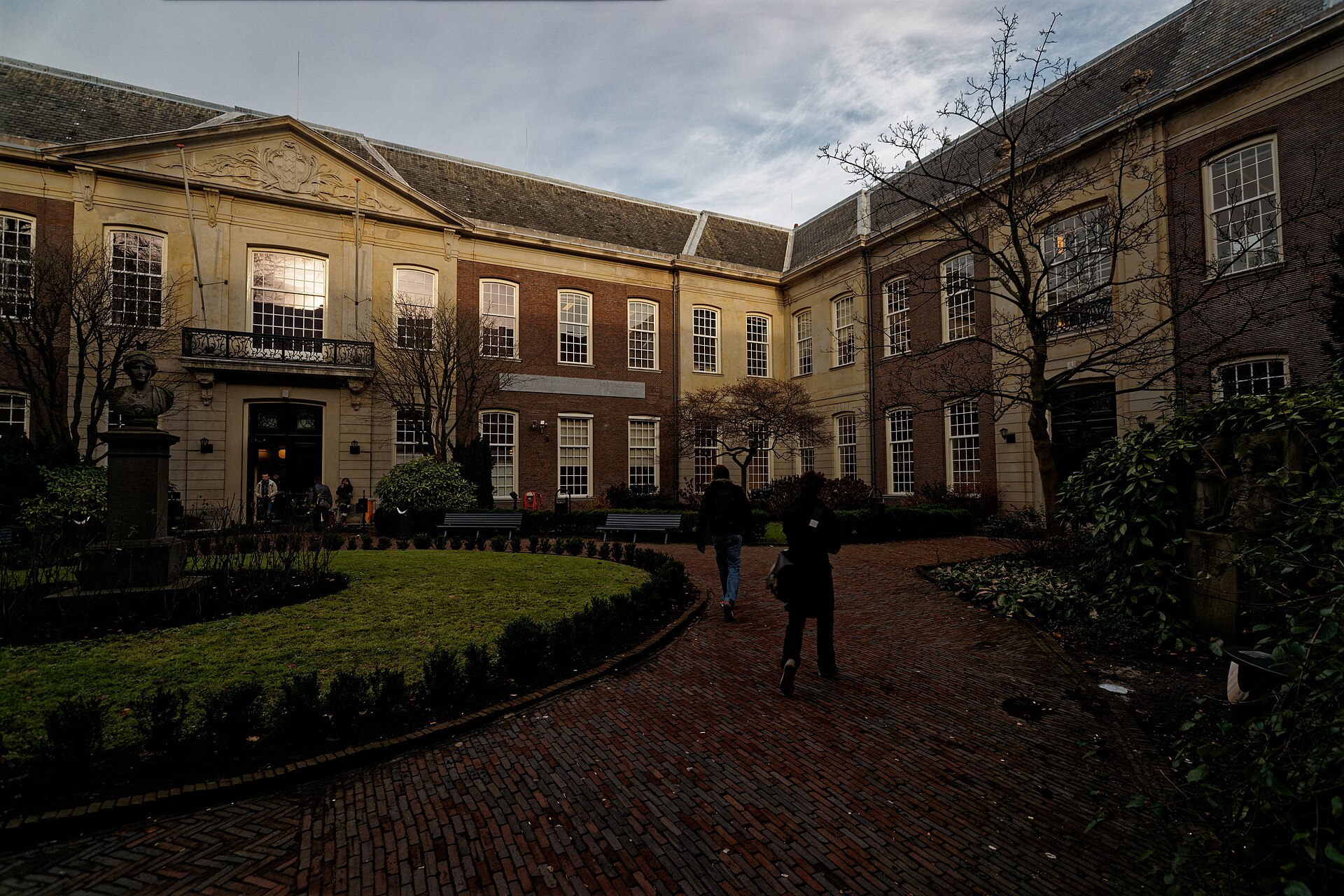
King William II founded the school in 1842 as a Royal Academy to train civil engineers and other specialists. It grew in the old town, then from the mid-20th century moved steadily south-east onto the present campus. Some old faculty buildings still stand between the town and the campus, but today almost all teaching and research take place on the campus itself, laid out along the Mekelweg and the central Mekelpark, a long green strip that replaced a road and now links the faculties.
The library and the Aula
The two buildings most visitors come to see face each other at the heart of campus.
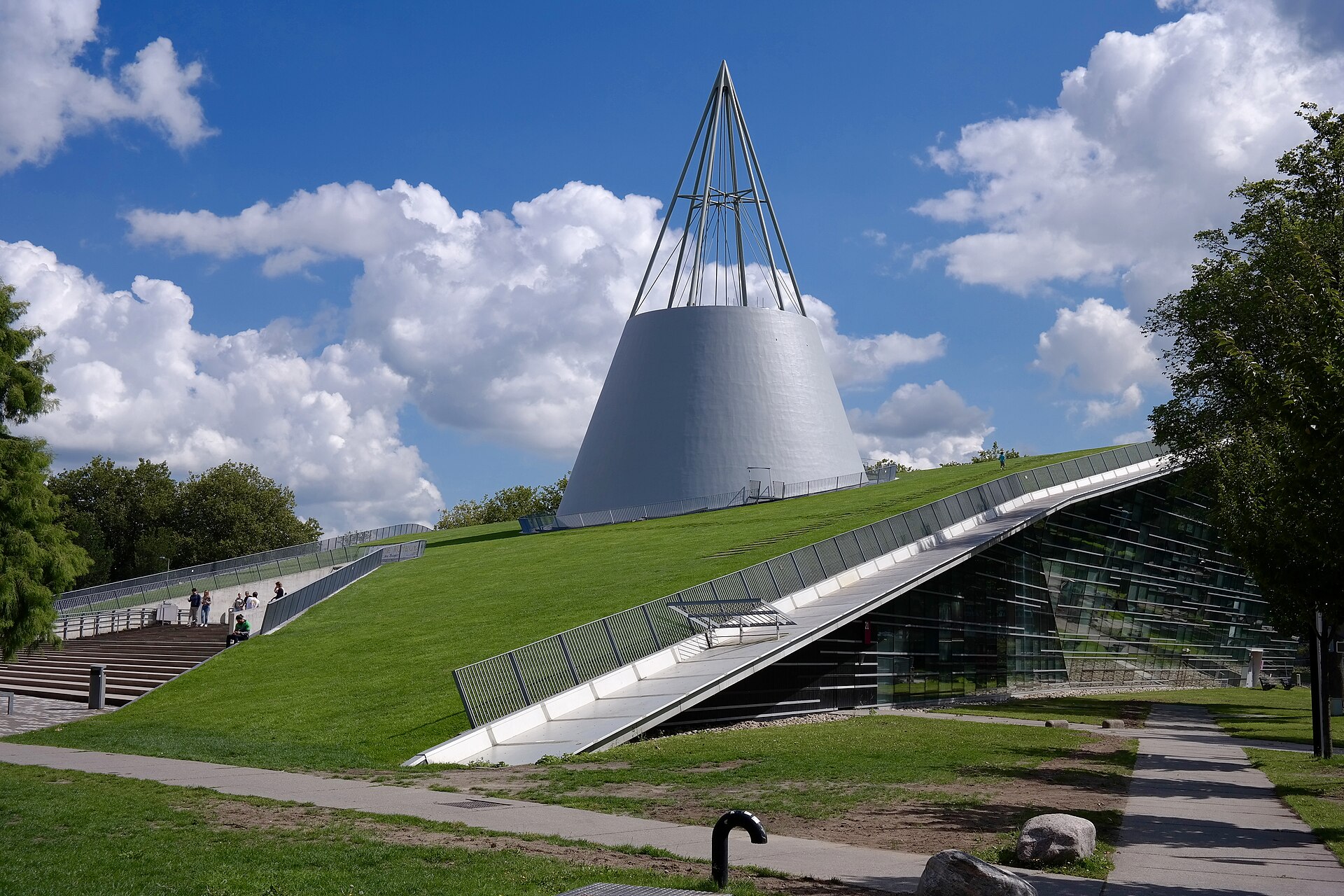
- The TU Delft Library, opened in 1997 and designed by Mecanoo, is partly buried under a sloping lawn. You can walk up its grass roof, and a tall steel-and-glass cone pierces it, bringing light into the reading rooms below. Inside, a vast open study hall with a wall of books is the most photographed interior on campus. It's generally open to visitors during normal hours; keep noise down.
- The Aula, a concrete building from the 1960s, looks a little like a landed spaceship. It hosts ceremonies, PhD defences and conferences, and it houses cafés used by students and staff.
Faculty buildings worth a look
Walk the length of Mekelpark and you'll pass most faculties. Highlights include:
- The EEMCS tower, a high-rise for electrical engineering, mathematics and computer science and the tallest building in Delft.
- BK City, the Faculty of Architecture, housed since 2008 in a former chemistry building after fire destroyed its previous home. Its open studios and model workshops show a lot about how architects are trained here.
- Aerospace Engineering, one of the university's best-known faculties, at the southern end of campus.
Most buildings are working spaces, so you'll see labs and studios from the outside or through glass. Walk on to the TU Delft Science Centre, the university's public museum of engineering and innovation, for exhibits you can actually explore; check its opening days first.
Student teams and societies
Delft's student culture has two strong strands. The first is its student teams: groups who spend a year building solar cars, racing cars, boats, drones and more, often competing internationally. They're based in dedicated halls on campus, and their projects are a big draw for engineering-minded applicants.
The second is the student associations. Delft has large societies with buildings in the old town, rowing clubs on the canals and rivers, sports clubs using the campus sports centre, and study associations for every programme.
Living in Delft
There are no US-style residential colleges, but Delft is compact and student-friendly. Students rent rooms from student housing providers or privately, in the old town, in apartment blocks near campus or in The Hague and Rotterdam, and cycle everywhere. Housing is tight, so start looking as soon as you receive an offer.
Most bachelor's programmes are taught in Dutch, with a few, including aerospace engineering, in English. Nearly all master's programmes are taught in English.
Open days and campus visits
TU Delft holds bachelor's open days with presentations for every programme, campus tours led by students and chances to talk to the teams. It also runs taster activities where school pupils can join lectures, and master's events on campus and online. Check the university's official pages for prospective students for current dates and registration.
Transport to and around campus
- By train: Delft station has direct trains from Schiphol (about half an hour), Amsterdam (about an hour), Rotterdam and The Hague (both around 15 minutes or less).
- To campus: tram 19 runs from Delft station to the campus, and buses serve it too. Walking from the station takes roughly 20 minutes; many visitors rent a bike.
- South side: the Delft Campus railway station is on the southern edge of the university grounds, handy for some faculties.
Which area to stay in
- Delft's old town, around the Markt and the canals, is charming, compact and a short tram ride or walk from campus.
- The Hague offers a wider choice of hotels, a beach at Scheveningen and a quick train ride to Delft.
- Rotterdam suits families who want a big city with modern architecture, just a short train ride south.
- Amsterdam works if you're visiting several universities, but it adds a daily commute. Our where to stay in Amsterdam guide covers its neighbourhoods.
Visit tips
- Leave time for the old town: the Nieuwe Kerk, the Oude Kerk and Vermeer's streets are covered in our day trips from Amsterdam guide.
- Pair the visit with a city university: our University of Amsterdam campus tour shows a very different, canal-centre model.
- Bring a waterproof. Delft is flat and windy, and the rain comes in off the sea.
Bloiq is reader-supported. Some links may earn us a commission; it never affects what we write. How we make money.
Cover photo: Choinowski, CC BY-SA 4.0, via Wikimedia Commons