Home / Travel / Netherlands · Where to stay
Where to stay in Amsterdam: the neighbourhoods compared
Canal Ring, Jordaan, De Pijp, the Museum Quarter, Centrum, Oost and Noord: how Amsterdam's main areas differ, who each suits, and how to get around.
This guide contains affiliate links, marked as such. If you book through them, Bloiq may earn a commission at no extra cost to you.
Amsterdam is small enough that most visitors could walk from one side of the centre to the other in under an hour, yet its neighbourhoods feel remarkably different. A canal-house room in the Jordaan and a hotel near the Red Light District are only a few minutes apart, but they make for very different nights. Rooms are also expensive and scarce at busy times, so it pays to know which areas deserve the premium. Here's how the main areas compare.
The quick answer
- Classic canals and the prettiest streets: the Canal Ring.
- Charming, local and a little quieter: the Jordaan.
- Food, markets and a younger crowd: De Pijp.
- Museums, parks and calm evenings: the Museum Quarter.
- Transport hub and nightlife, eyes open: Centrum.
- Good value and a residential feel: Oost.
- Creative, spacious and across the water: Noord.
The Canal Ring (Grachtengordel)
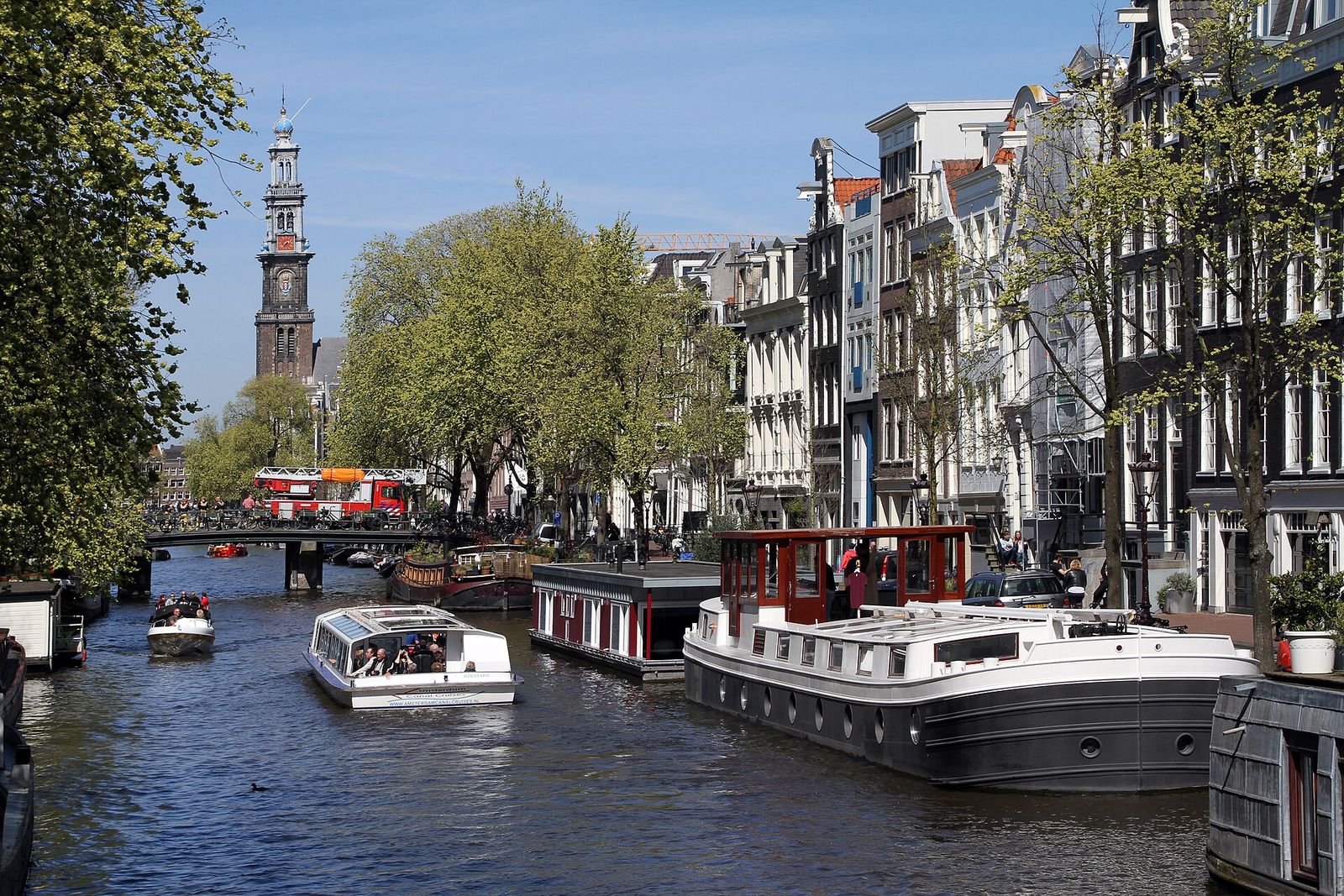
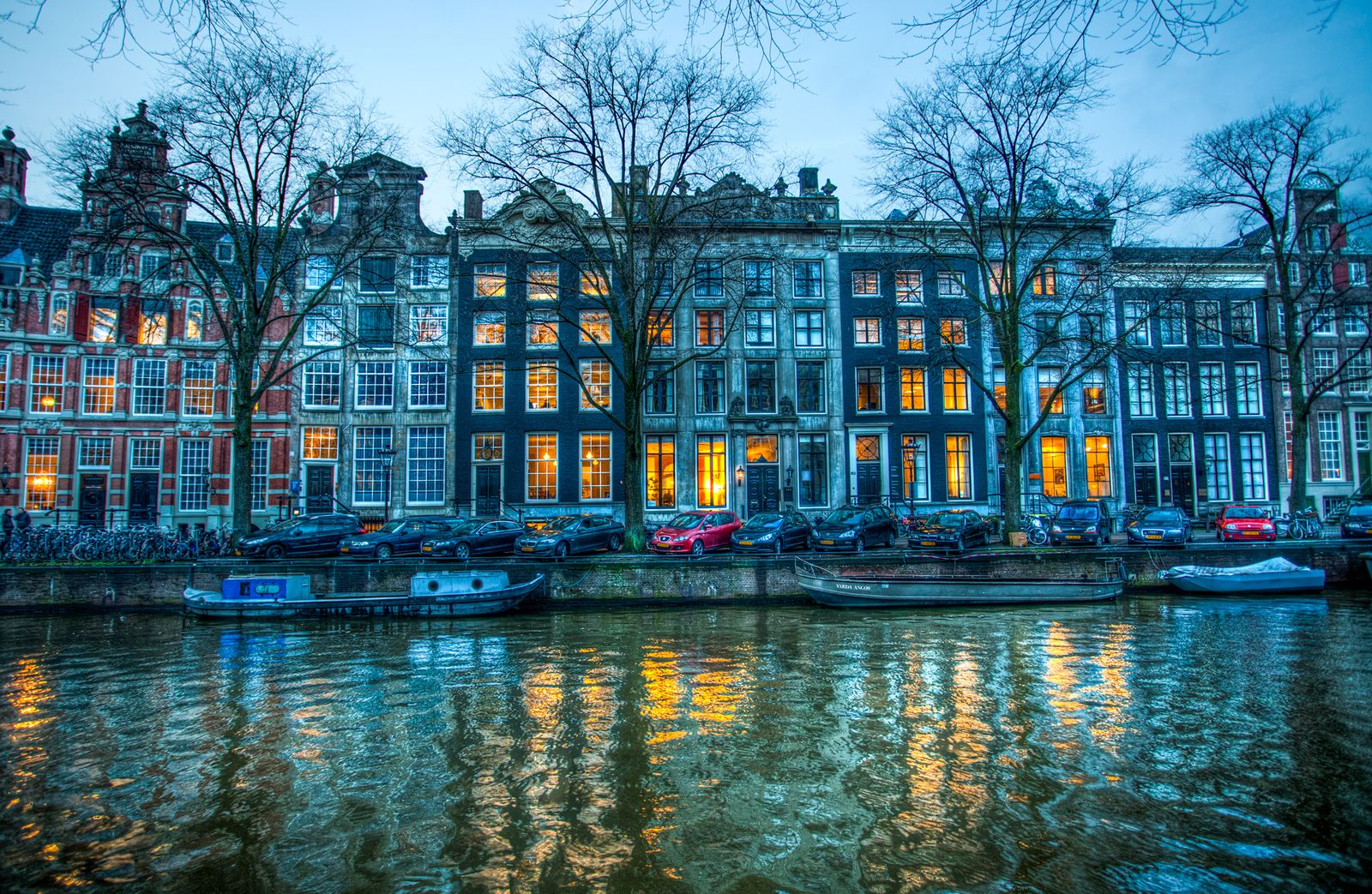
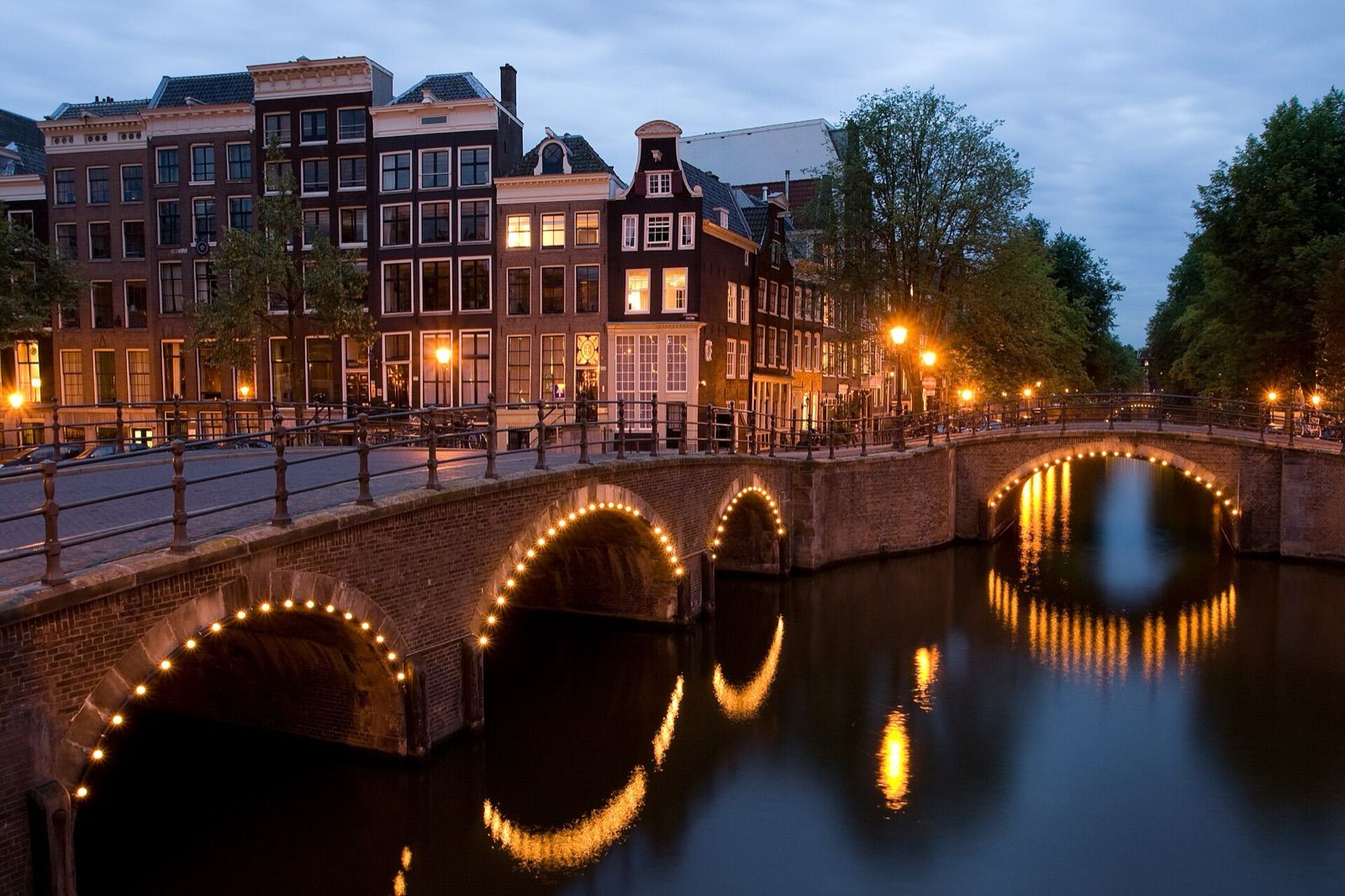
The 17th-century semicircle of the Herengracht, Keizersgracht and Prinsengracht, with the smaller radial canals between them, is a UNESCO World Heritage Site and the picture most people have of Amsterdam. The Nine Streets (De 9 Straatjes) are full of independent shops and cafés, and the Anne Frank House is on the Prinsengracht.
Good for: first-time visitors, couples and anyone who wants to step straight onto the canals. Consider: it's the most expensive part of the city, and canal houses often have very steep, narrow stairs and no lift. Around Leidseplein and Rembrandtplein, the nightlife is loud and crowded.
The Jordaan: charm and brown cafés
West of the Prinsengracht, the Jordaan was built as a working-class district and is now one of the most desirable areas in the city. Small canals, narrow streets, galleries, brown cafés (traditional pubs) and the Noordermarkt and Lindengracht markets give it a neighbourhood feel.
Good for: couples, repeat visitors and anyone who wants character with quieter nights. Consider: hotels are few and small, rooms book up early, and many buildings have steep stairs.
De Pijp: markets and food
South of the Canal Ring, De Pijp is built around the Albert Cuyp Market, one of the city's best-known street markets, and the small Sarphatipark. It's packed with restaurants from around the world, cafés and bars, and has a young, lively energy. Metro line 52 stops here.
Good for: food lovers, younger travellers and those who want to be close to both the museums and the centre. Consider: it's lively in the evening and some streets can be noisy, and it's a 15–20 minute walk to the heart of the Canal Ring.
The Museum Quarter (Museumkwartier)
In the elegant Oud-Zuid area, the Museumplein is framed by the Rijksmuseum, the Van Gogh Museum, the Stedelijk Museum and the Concertgebouw concert hall. The Vondelpark, Amsterdam's biggest central park, is next door, and the P.C. Hooftstraat is the city's luxury shopping street.
Good for: families, culture lovers and anyone who wants calm, leafy evenings. Consider: it's upmarket and quiet at night, and the old centre is a tram ride or a 20–30 minute walk away.
Centrum and the Red Light District
The oldest part of the city, around Dam Square, Centraal Station and the Oude Kerk, is as central as it gets, with every tram and train on your doorstep. It includes De Wallen, the Red Light District, which is historic and fascinating by day but crowded, loud and often rowdy at night.
Good for: very short stays and early trains. Consider: the streets around De Wallen and the Damrak are among the noisiest in the city, especially at weekends. The city has tightened rules there in recent years, including a ban on smoking cannabis in public in the area. Parts of Centrum a few blocks away, such as the quieter streets towards the Plantage or the Western Islands, are calmer.
Oost: parks, markets and space
East of the centre, Oost is a diverse residential area with the Oosterpark, the Dappermarkt street market and the Wereldmuseum. Next to it, the leafy Plantage is home to Artis zoo and the Hortus Botanicus.
Good for: families, longer stays and travellers looking for better value. Consider: it's a tram ride from most sights, and evenings are more local than lively.
Noord: across the IJ
Across the water from Centraal Station, Noord mixes old village lanes with former shipyards turned into studios, restaurants and event spaces, particularly at the NDSM wharf. The EYE Film Museum and a lookout tower with views of the city face the centre across the river.
Good for: creative types, repeat visitors and anyone who wants space and newer hotels. Consider: you'll rely on the ferries or metro line 52 to reach the centre, and it's very quiet in some parts at night.
Getting around
- From Schiphol airport: frequent direct trains reach Amsterdam Centraal in around 15–20 minutes, and some also stop at Amsterdam Zuid. Buses run to the Museum Quarter and Leidseplein.
- Trams, metro and buses: the tram network covers the centre thoroughly, and the metro serves Noord, De Pijp, Zuid and the outer districts. You can pay by tapping a contactless bank card in and out; always tap out, or you may be charged a higher fare. Multi-day cards are also available; check the current options.
- Ferries to Noord: free passenger and bicycle ferries leave from behind Centraal Station.
- Cycling: renting a bike is the most local way to get around, but traffic is fast and busy. Keep to the right, signal clearly, and cross tram tracks at an angle so your wheels don't get caught.
- Walking: stay off the bike lanes (usually red asphalt) and look both ways before crossing them.
Practical tips before you book
- Stairs: traditional Amsterdam stairs are extremely steep. If mobility or heavy luggage is a concern, confirm there's a lift or a ground-floor room.
- Rooms are small and expensive, especially in the Canal Ring. Hotels near Amsterdam Zuid or Sloterdijk, a few stops out by train or metro, can be better value.
- Tourist tax: Amsterdam charges its tourist tax as a percentage of the room price rather than a flat amount per person. Check the current rate, and whether it's included in the price shown.
- Holiday apartments: Amsterdam limits whole-home holiday rentals to a set number of nights a year and requires a registration number, so check the listing is legal.
- Book early for weekends, the tulip season in spring and King's Day in late April, when the city fills up and prices rise.
- Timed tickets: reserve the Anne Frank House, the Rijksmuseum and the Van Gogh Museum in advance.
- Weather: pack a light waterproof layer in any season; showers come and go quickly.
For a first visit, the Canal Ring or Jordaan give you the Amsterdam of postcards. De Pijp and the Museum Quarter trade a little centrality for better food or calmer nights, and Oost and Noord make a longer stay more affordable.
Bloiq is reader-supported. Some links may earn us a commission; it never affects what we write. How we make money.
Cover photo: Massimo Catarinella, CC BY-SA 3.0, via Wikimedia Commons