Home / Travel / Netherlands · Itineraries
Amsterdam in 3 days: a practical itinerary for canals and museums
A three-day Amsterdam plan grouped by area: the old centre, canal ring and Jordaan, then the museums and De Pijp, then the Plantage, the eastern docks and Noord.
This guide contains affiliate links, marked as such. If you book through them, Bloiq may earn a commission at no extra cost to you.
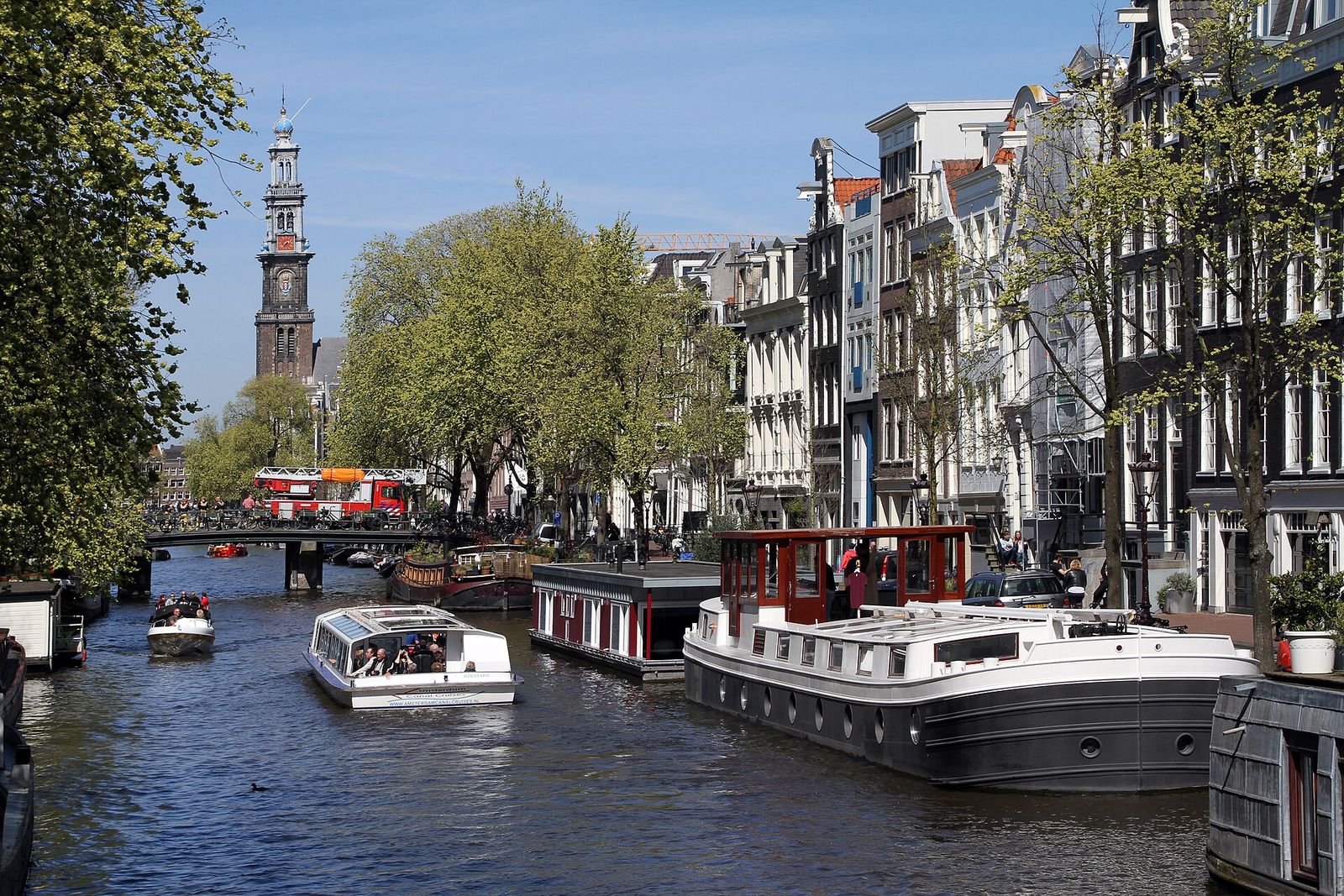
Three days is the right amount of time for a first visit to Amsterdam. The centre is compact and flat, so you can walk almost everywhere, but the big museums, the canals and the newer districts across the water each deserve unhurried time. This plan gives one day to each part of the city, so you spend your time on foot rather than doubling back on trams, and it leaves room for long lunches and canal-side evenings.
It suits first-time visitors, couples and families with older children. The two most popular sights need timed tickets booked well ahead, so read the booking section first, and see our guide to where to stay in Amsterdam for the most convenient bases.
Before you start: how the city fits together
- The old centre spreads out from Centraal Station and Dam Square, with the Red Light District (De Wallen) just to the east.
- The canal ring wraps around it in a 17th-century semicircle: the Herengracht, Keizersgracht and Prinsengracht, a UNESCO World Heritage Site. The Jordaan lies just west.
- Museumplein and the Vondelpark are south of the canal ring, with De Pijp to their east.
- The Plantage and the eastern docks are east of the centre; Noord faces the centre across the IJ, a short free ferry ride from behind Centraal Station.
Walking from Centraal to the Rijksmuseum takes about 30 to 40 minutes; trams cover the same route in around 15.
Day 1: the old centre, canal ring and Jordaan
Morning. Start at Dam Square, the city's historic heart. The Royal Palace, built in the 17th century as the city hall, is open to visitors when it isn't in royal use, and the Nieuwe Kerk beside it hosts major exhibitions. Walk south to the Begijnhof, a hidden courtyard of old houses around a lawn, founded in the Middle Ages and home to one of the city's two surviving wooden houses. People still live there, so keep your voice down. Continue to the Bloemenmarkt, the flower market on the Singel, then cross into the Nine Streets (De 9 Straatjes) for independent shops and lunch.
Afternoon. Walk up the Prinsengracht to the Anne Frank House, where Anne Frank and her family hid during the Second World War. The visit, which includes the secret annexe, is moving and takes about an hour; you'll need a ticket booked for a specific time. The Westerkerk next door has the city's tallest church tower. Then wander into the Jordaan: the Bloemgracht and Egelantiersgracht are among the prettiest small canals in the city, and the neighbourhood is dotted with hofjes, almshouse courtyards that are still homes, so enter quietly where it's permitted. On Saturdays a farmers' market fills the Noordermarkt, and on Monday mornings there's a flea and textile market.
Evening. Take a canal cruise around sunset, when the gabled houses and bridges light up, then have dinner in the Jordaan and finish in a brown café, one of the traditional wood-panelled pubs.
Day 2: Museumplein, Vondelpark and De Pijp
Morning. Arrive at the Rijksmuseum at your booked time. The Gallery of Honour holds Rembrandt's The Night Watch and Vermeer's The Milkmaid, and the rest of the museum covers Dutch art and history from the Middle Ages onwards, from Delftware to ship models. Two to three hours is enough for the highlights.
Afternoon. Choose between the Van Gogh Museum, which holds the world's largest collection of his paintings and drawings, and the Stedelijk Museum of modern art and design, both on Museumplein. Then walk through the Vondelpark, the city's best-loved park, before heading east to De Pijp. The Albert Cuyp Market, open Monday to Saturday, sells everything from cheese and fish to fresh stroopwafels, and the small Sarphatipark is a good place to sit down.
Evening. De Pijp is one of the best areas in the city for dinner, from Dutch cafés to Surinamese and Indonesian restaurants; a rijsttafel, a Dutch-Indonesian spread of many small dishes, is a classic. If you prefer music, the Concertgebouw, one of the world's best-known concert halls, is at the far end of Museumplein. Walk back along the Amstel to see the Magere Brug, a white drawbridge lit up at night.
Day 3: the Plantage, the eastern docks and Noord
Morning. Spend the morning in the leafy Plantage. The Hortus Botanicus, founded in 1638, is one of the oldest botanical gardens in the world, and ARTIS, founded in 1838, is one of Europe's oldest zoos. Nearby, the Jewish Cultural Quarter brings together the Jewish Museum, the 17th-century Portuguese Synagogue and the National Holocaust Museum, with one ticket covering several sites. On Jodenbreestraat, the Rembrandt House Museum is the house where the painter lived and worked for about twenty years, and the Waterlooplein flea market runs beside it from Monday to Saturday.
Afternoon. Walk north to the docks. Het Scheepvaartmuseum, the National Maritime Museum, occupies a 17th-century naval storehouse and has a full-size replica of an East India Company ship moored outside. Nearby, the green, ship-shaped NEMO science museum has a sloping roof terrace with views over the harbour. From there it's a short walk to Centraal Station and the free ferry across the IJ.
Evening. In Noord, the EYE Film Museum sits on the waterfront beside the A'DAM Lookout, a tower with an observation deck facing the old city; go up for sunset. Alternatively, take the longer ferry to the NDSM wharf, a former shipyard of studios, street art and waterside restaurants. Ferries run late into the evening, so there's no rush to get back.
What to book ahead
- Anne Frank House: tickets are sold online only, for timed slots, and are released some weeks in advance. Book as soon as your dates are fixed.
- Rijksmuseum and Van Gogh Museum: both use timed online tickets, and the Van Gogh Museum regularly sells out in busy periods.
- Concerts and popular restaurants: book ahead for weekends.
- Passes: city and museum passes exist. Check which sights they include and whether you still need to reserve a time slot.
Check the official sites for current opening days and booking rules.
Adapting the plan
Rule of thumb: one big museum per day. Pair it with a walk, a market or a canal, and you'll enjoy the art instead of rushing it.
- Rain: add Our Lord in the Attic, a museum in a 17th-century canal house with a hidden church in its attic, or spend longer at the Stedelijk, the Maritime Museum or NEMO.
- With children: NEMO, ARTIS, the ship at the Maritime Museum and the Vondelpark playgrounds are all good choices, and the free ferries count as an adventure.
- Slower pace: drop Noord and spend the last afternoon on the Jordaan's canals. Trams make the longer walks optional.
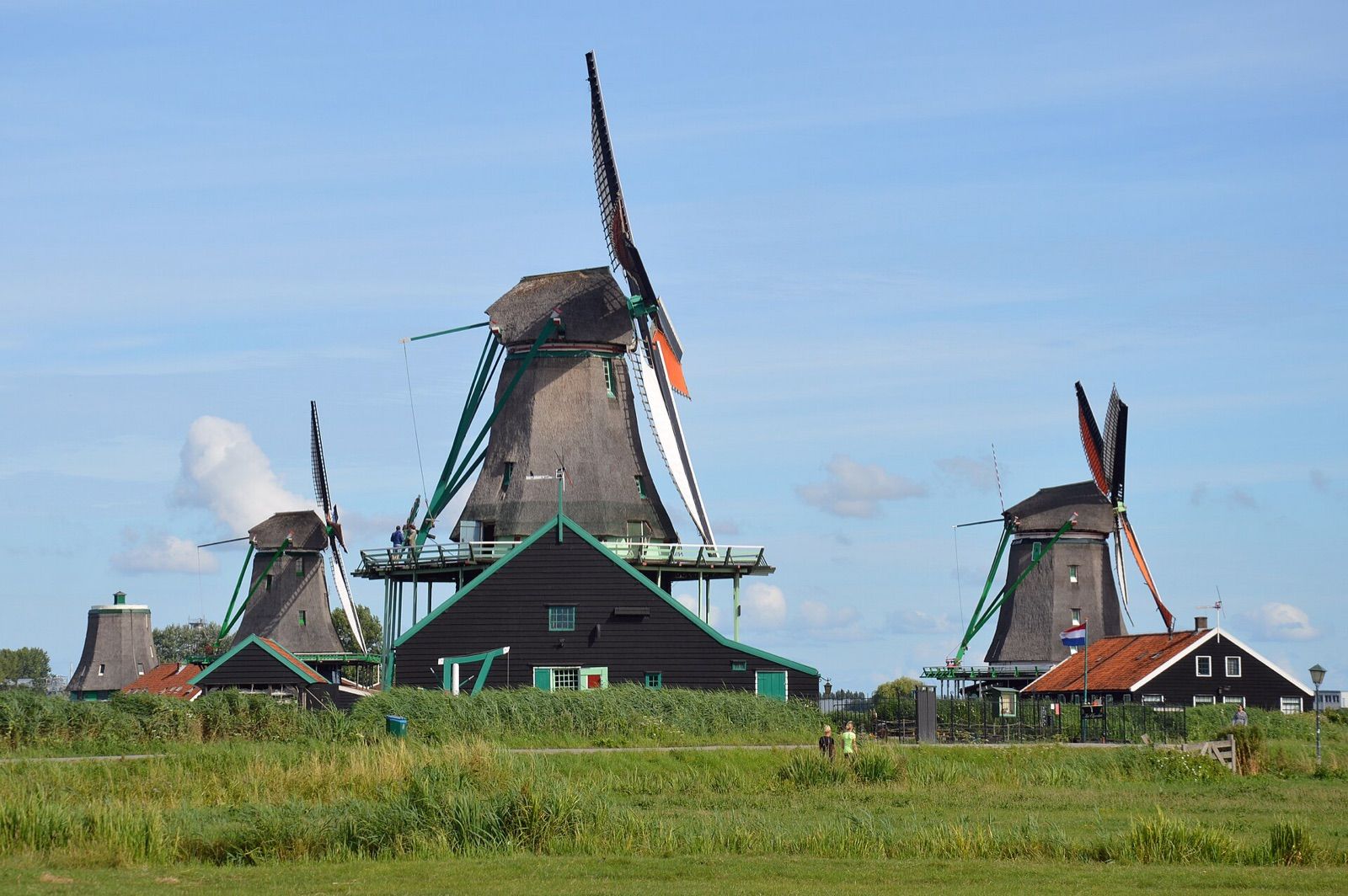
- A fourth day: head out of the city; our guide to day trips from Amsterdam covers Haarlem, Zaanse Schans, Utrecht and Keukenhof. For a shorter visit, see Amsterdam in one day.
Practical booking tips
- Getting around: trams, metro, buses and ferries accept contactless bank cards; tap in and out every time, or you may be charged more. Multi-day passes are also available.
- Cycling: renting a bike is the local way to travel, but traffic is fast. Keep right, signal clearly, cross tram tracks at an angle, and lock the bike to something fixed.
- Walking: stay out of the bike lanes, usually paved in red, and look both ways before crossing them.
- The Red Light District: people live and work there. Don't photograph the windows, and keep noise down at night; the city has tightened its rules in recent years.
- Busy times: the tulip season in spring, King's Day in late April and summer weekends are the busiest. Book rooms and tickets early.
- Tourist tax: Amsterdam charges a percentage of the room price. Check the current rate and whether it's included.
- Where to base yourself: the canal ring, Jordaan or De Pijp keep all three days within walking distance. Our where to stay in Amsterdam guide compares the neighbourhoods.
Bloiq is reader-supported. Some links may earn us a commission; it never affects what we write. How we make money.
Cover photo: Gerd Eichmann, CC BY-SA 4.0, via Wikimedia Commons