Home / Travel / Japan · Itineraries
Kyoto in 2 days: a first-time itinerary, east side then west
A two-day Kyoto plan grouped by area: Fushimi Inari, Kiyomizu-dera and Gion on day one, then Arashiyama, the Golden Pavilion and Pontochō on day two.
This guide contains affiliate links, marked as such. If you book through them, Bloiq may earn a commission at no extra cost to you.
Two days is enough to see Kyoto's most famous sights, as long as you start early and plan by area. The city's highlights sit in two clusters: the temples and old lanes of the east, and the bamboo, gardens and golden pavilion of the west. This plan gives each side a full day. It suits a first visit at a brisk pace, with a lot of walking and a few short train rides. Start early each day: the famous spots are quiet at dawn and packed by mid-morning, especially in spring and autumn.
Day 1 morning: Fushimi Inari
Begin at dawn at Fushimi Inari Taisha, the head shrine of Inari, the Shinto deity of rice and prosperity. Thousands of vermilion torii gates, each donated by a business or individual, form tunnels up the wooded slopes of Mount Inari behind the main shrine. The grounds are open around the clock and free to enter.
The first stretch of gates is the busiest. The higher you climb, the quieter it gets. A walk to the Yotsutsuji intersection, roughly halfway up, gives a view over the city and takes an hour or so there and back; the full loop to the summit takes two to three hours. The shrine is a few minutes by JR train from Kyoto Station (Inari Station), or on the Keihan line.
Day 1 midday: Kiyomizu-dera
Take the Keihan line north to Kiyomizu-Gojō and walk uphill, or take a taxi, to Kiyomizu-dera. This temple's great wooden stage juts out over the hillside on a lattice of pillars, with views across the city. It's one of the sites listed together as the Historic Monuments of Ancient Kyoto World Heritage Site. Below the main hall, the Otowa waterfall splits into three streams that visitors drink from.
Day 1 afternoon: old lanes and Yasaka Shrine
From the temple, walk down the stone-paved slopes of Sannenzaka and Ninenzaka. Wooden townhouses here hold teahouses, sweet shops and craft stores. Continue past the five-storey Yasaka Pagoda, then north through the quieter lanes near Kōdai-ji to Maruyama Park and Yasaka Shrine, whose bright vermilion gate faces the eastern end of Shijō-dōri.
Day 1 evening: Gion at dusk
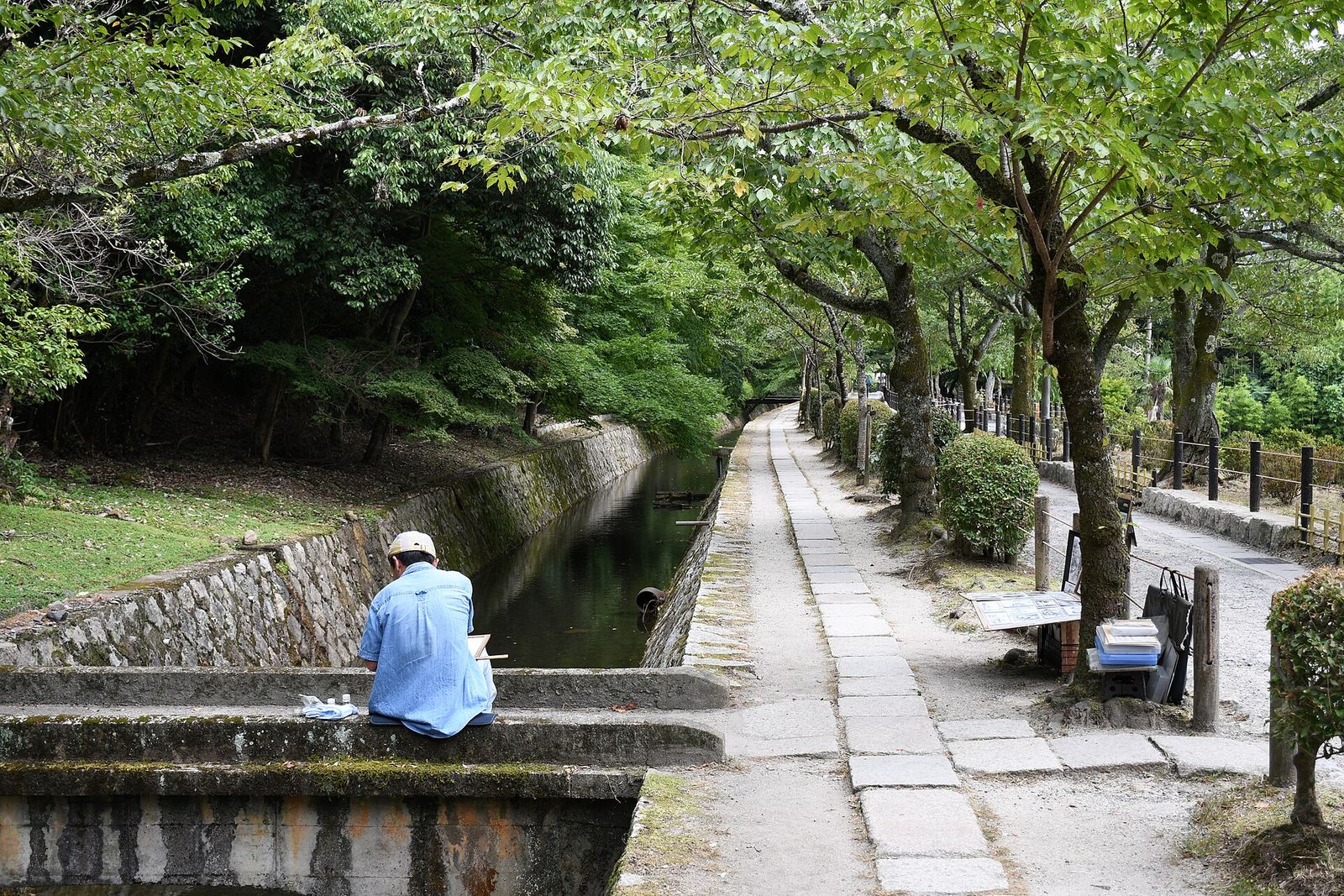
As the light fades, wander the wooden teahouses of Gion, particularly along Hanami-kōji and the willow-lined Shirakawa canal. You may see a geiko or maiko (as geisha and apprentices are called in Kyoto) on her way to an appointment. Give her space and don't take photos. Some private lanes in Gion ban photography altogether, so follow the signs. Many of the neighbourhood's restaurants are small and fill up early, so it's worth booking dinner.
Day 2 morning: Arashiyama
Take the JR Sagano line from Kyoto Station to Saga-Arashiyama (about 15 minutes), or the Hankyu or Randen lines from central Kyoto. Walk the bamboo grove first, ideally before 8 a.m., when it's still peaceful. Then visit Tenryū-ji, a Zen temple and World Heritage Site whose 14th-century landscape garden frames the hills behind it. Finish by strolling to the Togetsukyō Bridge over the river. If you have time, the Iwatayama monkey park and the riverside paths are close by.
Day 2 afternoon: Kinkaku-ji
In the afternoon, head to Kinkaku-ji, the Golden Pavilion. Its upper two floors are covered in gold leaf and mirrored in the pond in front. The present building is a 1955 reconstruction of the 14th-century original, which was destroyed by fire in 1950. You view it from the garden path rather than going inside.
There's no direct train from Arashiyama. The simplest options are a taxi, a bus, or the Randen tram (with one change) to Ryōanji station, whose famous rock garden you can visit before walking on to Kinkaku-ji (about 20 minutes).
Day 2 evening: dinner in Pontochō
End with dinner in Pontochō, a narrow, lantern-lit alley running beside the Kamo River between Sanjō and Shijō. In the warmer months, many restaurants open wooden platforms over the riverbank for outdoor dining. Some places are expensive or reservation-only, so check before you queue. Nishiki Market and the downtown shopping arcades are a short walk away.
What to book ahead
- Accommodation: Kyoto fills up in cherry blossom season (late March to early April) and autumn leaves (November). Book early for these periods.
- Dinner in Gion and Pontochō: popular places take reservations and fill up.
- Experiences: tea ceremonies, kimono rental and a few gardens (such as the Katsura Imperial Villa and the moss garden at Saihō-ji) need advance reservations.
- Accommodation tax: Kyoto charges a per-person, per-night tax that rises with the room rate. Check the current rate when you book.
Most temples, including Kiyomizu-dera and Kinkaku-ji, sell tickets at the gate. Check the official sites for current hours and any temporary closures.
Adapting the plan
- Rain: Fushimi Inari and Arashiyama are lovely in light rain and much quieter. Swap Kinkaku-ji for Nishiki Market or the Kyoto National Museum if it's pouring.
- Slower pace: drop the Fushimi Inari climb to a short loop, or split Arashiyama and Kinkaku-ji across a third day.
- With children: Fushimi Inari's gates, the Arashiyama monkeys and the Kyoto Railway Museum near the station go down well.
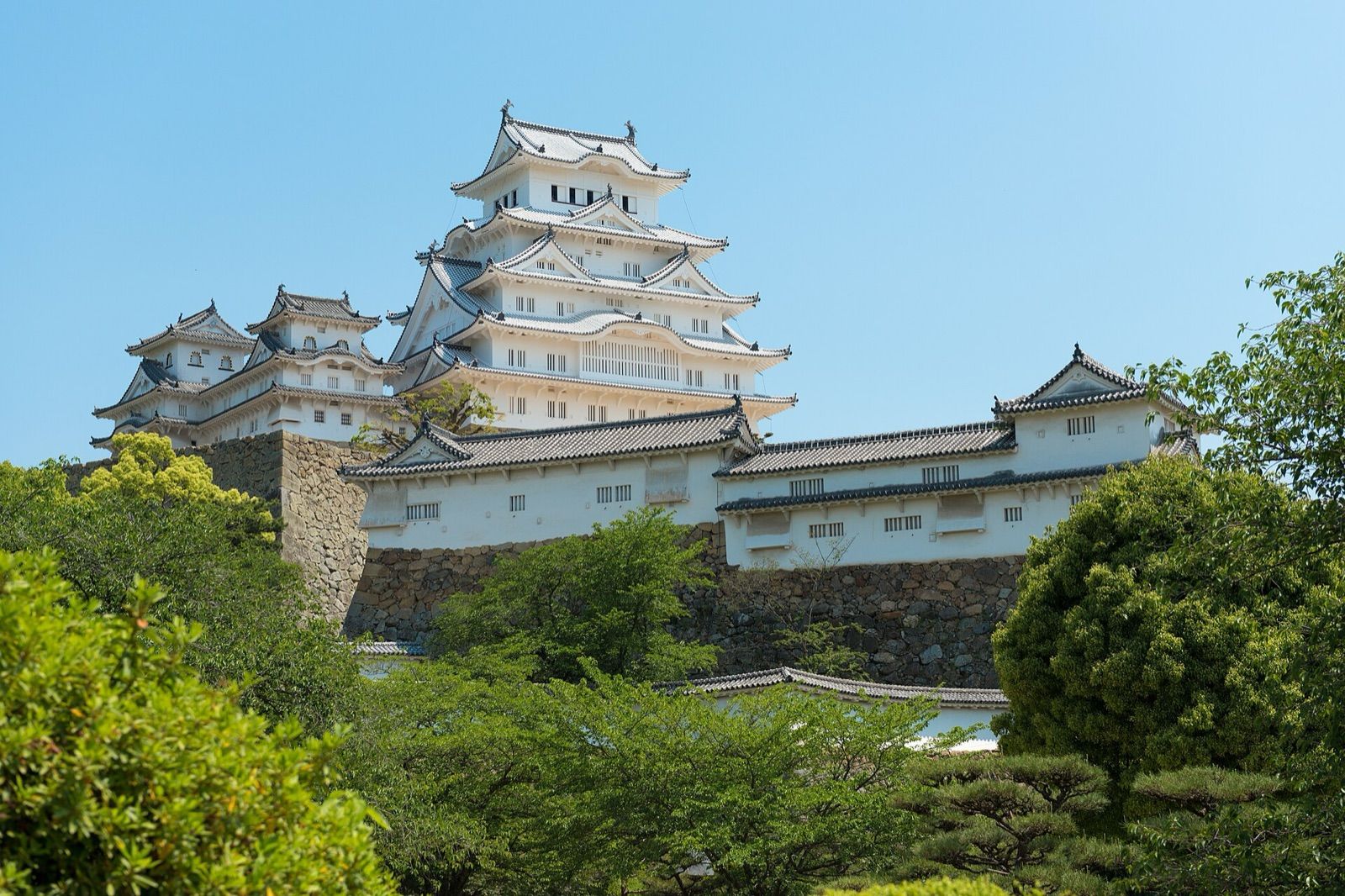
- More time: add a day trip. Our guide to day trips from Kyoto covers Nara, Osaka, Himeji and Uji.
Getting around and where to stay
City buses are slow and often full, so use trains and the subway wherever you can, and taxis for short hops between them. For this plan, stay near Kyoto Station for easy trains to Fushimi Inari and Arashiyama, or downtown near Shijō and Kawaramachi for evenings in Gion and Pontochō. Our guide to where to stay in Kyoto compares the areas, and if you're continuing to Tokyo, see our Tokyo in 4 days itinerary.
Bloiq is reader-supported. Some links may earn us a commission; it never affects what we write. How we make money.
Cover photo: Basile Morin, CC BY-SA 4.0, via Wikimedia Commons