Home / Travel / Japan · Where to stay
Where to stay in Kyoto: station, downtown, Gion or Arashiyama?
Kyoto's sights are spread out and its buses get crowded, so location matters. How Kyoto Station, Downtown, Gion, Arashiyama and the north compare, plus ryokan tips.
This guide contains affiliate links, marked as such. If you book through them, Bloiq may earn a commission at no extra cost to you.
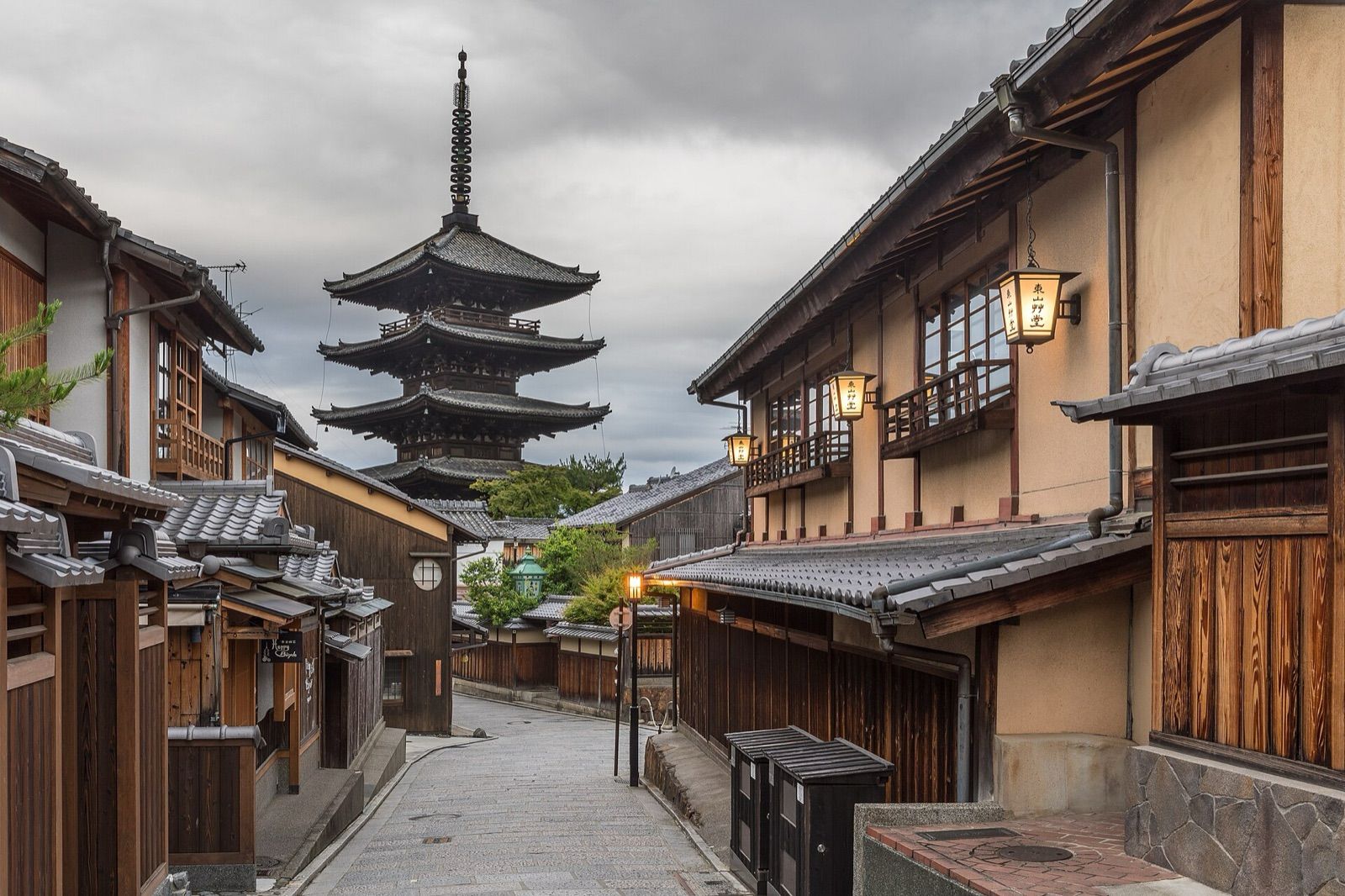
Kyoto looks compact on a map, but its temples and shrines are scattered around the edges of a wide valley, and the city's buses are often slow and full. Where you stay decides how much of your day goes on getting around and whether you can reach the famous sights before the crowds. This guide compares the main areas and explains the choice between a ryokan and a hotel.
The quick answer
- Short stay, day trips, heavy luggage: near Kyoto Station.
- Restaurants, shopping and the best all-round base: Downtown, around Shijo-Kawaramachi.
- Traditional streets and early-morning temples: Gion and Higashiyama.
- Scenery and a quiet night, as part of a longer trip: Arashiyama.
- Mountain villages and a slower pace: Northern Kyoto, including Kurama, Kibune and Ohara.
Near Kyoto Station: the transport hub
Kyoto Station is where the Shinkansen from Tokyo and Osaka stops, and it's also the terminus for the airport express from Kansai International, JR trains to Nara and Arashiyama, the Karasuma subway line and the city's main bus terminal. The area is modern rather than beautiful, but it's practical, with a large choice of hotels, department stores and restaurants in and around the station.
Good for: short visits, travellers doing day trips to Nara, Osaka or Himeji, and anyone arriving with big suitcases. Consider: most of the historic sights are a bus or train ride away, and the streets around the station are quiet and plain in the evening. Fushimi Inari, with its tunnels of orange gates, is just a couple of stops south on the JR Nara line.
Downtown: Kawaramachi and Karasuma
The downtown grid between Karasuma Street and the Kamo River is Kyoto's commercial heart. It includes the Nishiki food market, covered shopping arcades, department stores, hundreds of restaurants and the narrow, lantern-lit Pontocho alley along the river. Gion is a short walk across the bridge.
Good for: first-time visitors who want to walk to dinner and to Gion, and travellers who like choice in food and shopping. Consider: it's busy and commercial, and the Kiyamachi and Pontocho area has bars that stay open late. Transport is good, with the Hankyu line to Osaka, the Keihan line on the east bank and two subway lines nearby.
Gion and Higashiyama: old Kyoto
East of the river, Gion is the best-known of Kyoto's geiko districts, with wooden townhouses, teahouses and the Yasaka Shrine. Higashiyama stretches south and uphill to Kiyomizu-dera through the stone-paved lanes of Ninenzaka and Sannenzaka. Staying here lets you walk the old streets early in the morning or late in the evening, when they're far calmer than at midday.
Good for: atmosphere, photography and travellers who want to see the famous lanes without day-tripper crowds. Consider: it's often the most expensive area, and the main lanes are crowded from mid-morning. Some private streets in Gion ban photography or entry for visitors, so respect the signs. Rail access is limited to a few stations on the edges of the district.
Arashiyama: scenery on the western edge
In the far west of the city, Arashiyama combines the Togetsukyo Bridge, the bamboo grove, Tenryu-ji temple and forested hills along the Hozu River. By day it's one of Kyoto's busiest spots; after the day-trippers leave, it becomes quiet and peaceful. Several traditional inns in the area have hot-spring baths.
Good for: a night or two as part of a longer trip, and travellers looking for a ryokan in natural surroundings. Consider: it's roughly 15 to 30 minutes by train from Kyoto Station or downtown, so it's a poor base for sightseeing across the city. Evening dining options are limited.
Northern Kyoto: quieter corners
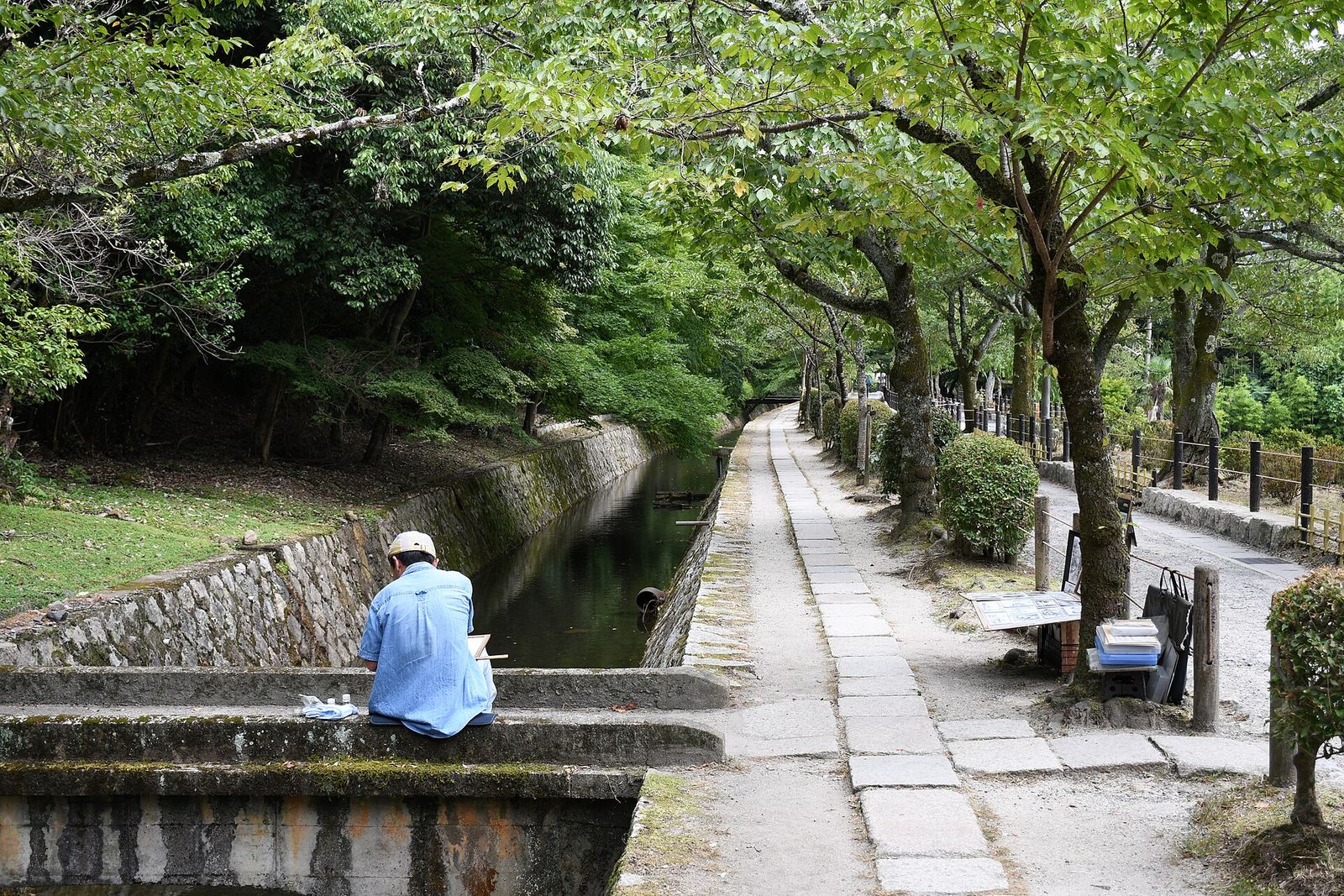
North of the centre, the city becomes residential and green, with areas near the Kamo River, Daitoku-ji and the Kitayama district. Further out, the mountain villages of Kurama and Kibune, reached by a small local railway from Demachiyanagi, and the rural valley of Ohara, reached by bus, have a handful of traditional inns.
Good for: repeat visitors, hikers and anyone who wants a restful stay with fewer tourists. Consider: the mountain villages are well over half an hour from central Kyoto and have very few places to eat in the evening, so check whether dinner is included.
Getting around: buses versus trains
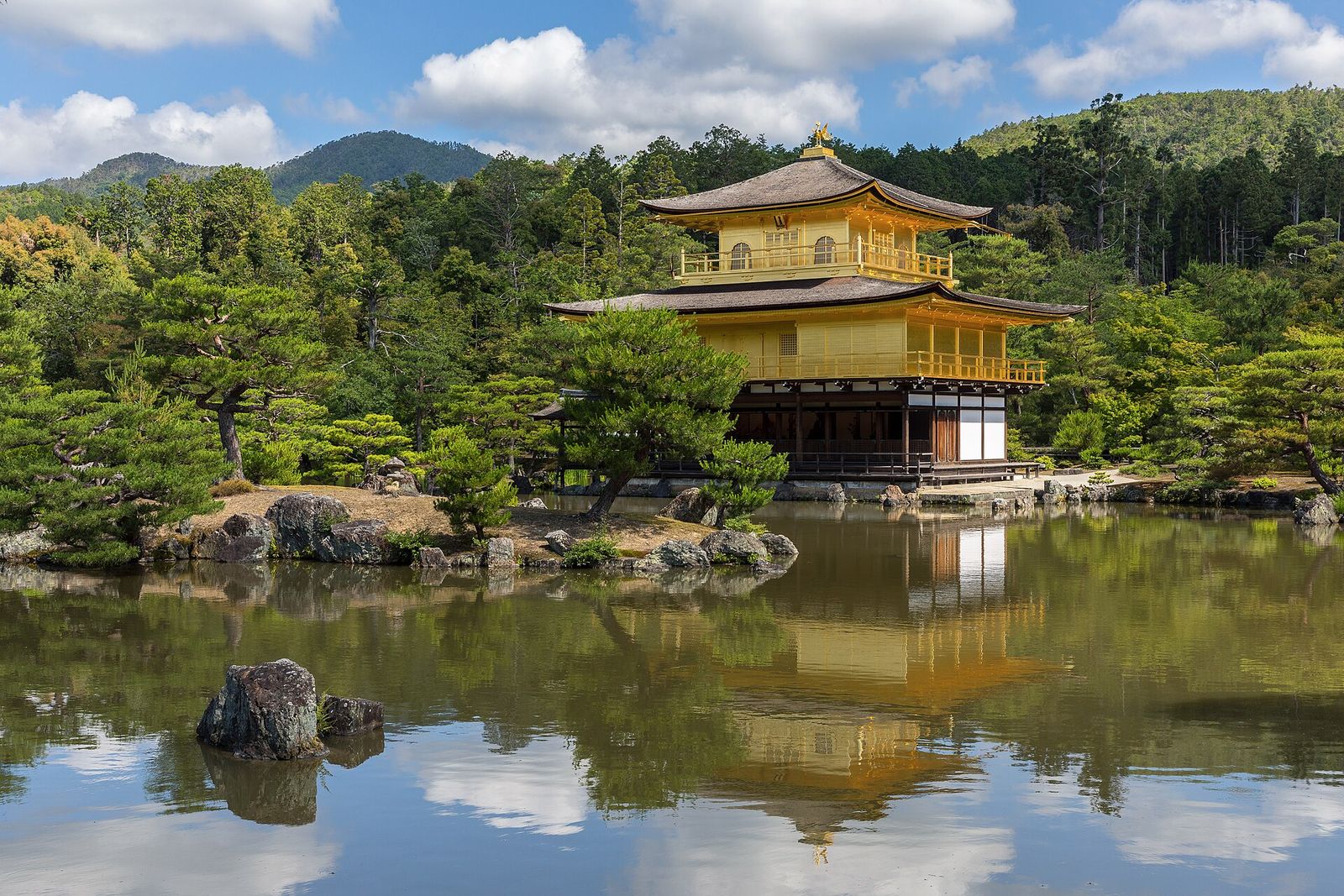
Kyoto's city buses reach almost every sight, and they accept IC cards such as ICOCA and Suica. But the routes to Kiyomizu-dera, Gion, Ginkaku-ji and Kinkaku-ji are notoriously crowded, especially in peak seasons, and traffic makes journey times unpredictable.
- Use trains where you can. The Karasuma and Tozai subway lines, the Keihan line along the east bank, the Hankyu line and the JR lines cover many major sights and are faster and more reliable than buses.
- Walk the centre. Downtown, Gion and Higashiyama are close together, and walking between them is often quicker than taking a bus.
- Taxis are plentiful and useful for groups of three or four, or for early starts before public transport gets busy.
- Bicycles can be rented easily and the city is mostly flat, though parking rules are strict and bikes must use designated parking areas.
- Passes: the range of visitor passes changes from time to time, so check what's currently available before you buy.
Rule of thumb: stay near a subway or Keihan station, not just a bus stop. In peak season, a train connection can save an hour a day.
Ryokan or hotel?
A ryokan is a traditional Japanese inn, usually with tatami-mat rooms, futon bedding laid out in the evening, a yukata robe to wear, and shared or private baths. Many include an elaborate multi-course dinner and a Japanese breakfast.
- Why choose a ryokan: it's an experience in itself, with seasonal food and attentive service, and it suits a one- or two-night stay.
- What to know: meals are often served at set times, check-in may be expected by a certain hour, and communal baths have etiquette rules. Some baths don't admit guests with tattoos, while others offer private baths; check the policy if it applies to you. Sleeping on a futon on the floor isn't for everyone.
- Why choose a hotel: more flexibility, Western-style beds and usually lower prices. Many travellers combine both: a hotel for most nights and a ryokan for one.
Rented townhouses, known as machiya, are another option for families and groups, but check that the listing is properly licensed.
When to go and how busy it gets
Kyoto is at its busiest during cherry-blossom season, roughly late March to early April, and autumn-leaf season, usually mid-to-late November. Rooms in those periods sell out early and cost considerably more, so book months ahead. Summer is hot and humid, and winter is cold but quieter. Whatever the season, the most famous sights are much calmer in the first hour or two after they open.
Practical tips before you book
- Accommodation tax: Kyoto charges a per-person, per-night tax that rises with the room rate, and the higher bands are significant. Check the current amount before you book.
- Luggage: forwarding services can send suitcases from Tokyo or Osaka hotels to Kyoto, and between Kyoto hotels, which makes train travel and ryokan stays much easier.
- Room sizes are compact in most city hotels; check the size in square metres if you're travelling with large bags.
- Arriving by air: Kansai International Airport is the main international gateway, with an airport express train to Kyoto Station taking roughly an hour and a quarter. Airport buses serve both Kansai and Osaka's Itami Airport.
- Check dinner arrangements at ryokans, especially outside the centre, and let the inn know about any dietary needs well in advance.
Stay downtown or near Kyoto Station for practicality, in Gion or Higashiyama for atmosphere, and add a night in Arashiyama or the northern villages if you have time for the quieter side of the city.
Bloiq is reader-supported. Some links may earn us a commission; it never affects what we write. How we make money.
Cover photo: Basile Morin, CC BY-SA 4.0, via Wikimedia Commons
,_Kyoto,_Japan.jpg)