Hot tubs and inflatable spas: size, heating, power and upkeep
Inflatable, plug-and-play and hard-wired hot tubs compared: seating and weight, heating times, electrical requirements, water chemistry, covers and safety.
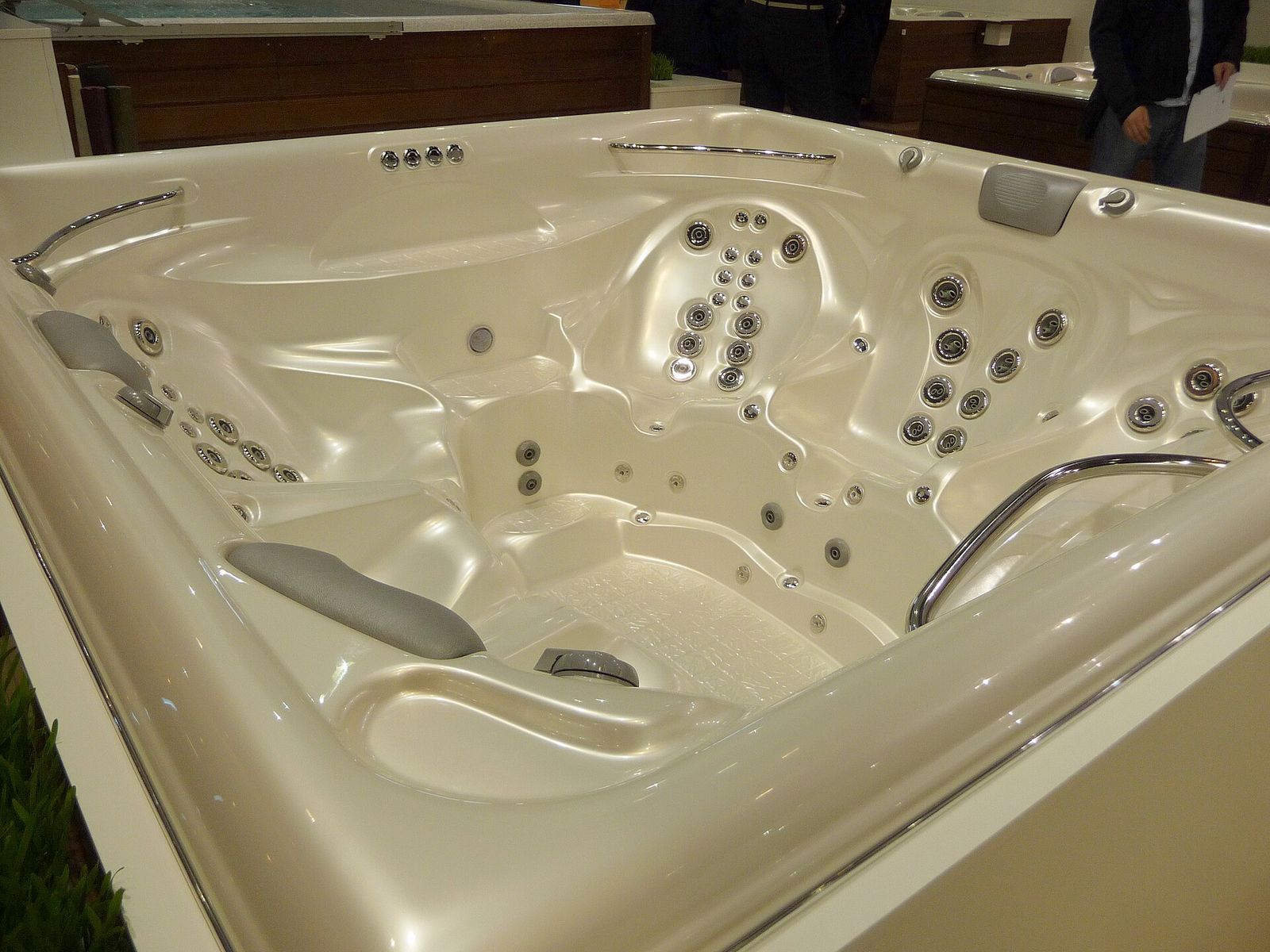
A hot tub can be a portable inflatable that plugs into an outdoor socket or an acrylic spa that weighs more than a small car once filled and needs its own electrical circuit. Both give you warm water under the sky, but they differ a lot in heating speed, running costs, installation and lifespan. This guide explains the main types, what the sizes and heater ratings mean in practice, and the water care and safety steps every tub needs.
The main types
- Inflatable spas: a PVC or drop-stitch tub with a separate pump, heater and air-bubble unit. Inexpensive, portable and plug-in, but slower to heat and less insulated.
- Plug-and-play rigid spas: acrylic or rotomoulded shells that run from a standard outdoor outlet. Better insulation and jets than an inflatable, with the same power limits.
- Hard-wired acrylic spas: full-size tubs with powerful heaters and jet pumps, connected to a dedicated circuit by an electrician.
- Wood-fired tubs: timber or fibreglass tubs heated by a submerged or external wood stove. No electricity needed, but they need fire safety and hands-on attention.
- Swim spas: long tubs with a current generator for exercise; a much larger installation.
| Inflatable | Plug-and-play rigid | Hard-wired acrylic | |
|---|---|---|---|
| Installation | Flat base and outdoor outlet | Solid base and outdoor outlet | Solid base, dedicated circuit, electrician |
| Heating speed | Slow | Slow to moderate | Faster |
| Insulation | Basic | Good | Good to excellent |
| Jets | Air bubbles | Water jets (modest) | Water jets (strong) |
| Winter use | Limited in cold climates | Possible | Designed for it |
| Lifespan | Shortest | Long | Long |
Size, seating and weight
Seating numbers are maximums. An inflatable rated for six adults is often comfortable for fewer, since there are no moulded seats and everyone shares a round space. For rigid tubs, sit in a display model if you can, and look at the seat layout: loungers take up the space of two or more seats.
Weight is the bigger planning issue.
Rule of thumb: a litre of water weighs 1 kg. A tub holding 1,500 litres carries 1.5 tonnes of water before you add the shell and the people in it.
Inflatables commonly hold somewhere around 600 to 1,000 litres; rigid spas often hold 1,000 to 2,000 litres or more. That load needs:
- A level, solid base: a concrete pad, a properly prepared paving or compacted gravel base, or a purpose-built platform. Inflatables need a smooth, flat surface free of stones and roots, plus a ground mat.
- A structural check for decks and balconies. Most ordinary decks were not designed for a filled hot tub. Have a qualified engineer or builder confirm the structure before placing one on a deck, and never on a balcony without approval.
- Access around the tub for maintenance and a route for draining the water.
Heating: why it takes time
Heater power sets how quickly the water warms up.
- Plug-in tubs are limited by the outlet. Heaters are typically in the region of 1.3 to 3 kW, depending on the country's supply voltage. On many models the heater and bubbles can't run at full power at the same time. Heating an inflatable from cold tap water to bathing temperature commonly takes a day or more, and much longer in cold weather.
- Hard-wired spas have larger heaters and hold temperature better, so they recover quickly after use.
Insulation and a good cover matter as much as heater size for running costs. Rigid spas vary from foam insulation around the walls to fully foam-filled cabinets. Running costs depend heavily on climate, how often you use the tub, and electricity rates, so check a maker's estimated consumption against your own tariff rather than trusting a general figure.
Most tubs have an upper limit of 40°C (104°F), which is the widely accepted maximum for safe bathing. Children, older people, pregnant people and anyone with heart conditions or other medical concerns should use lower temperatures or shorter sessions and check with a doctor.
Electrical requirements
Water and electricity make this the part to get right.
- Protection: every hot tub needs protection from a residual-current device (RCD) or ground-fault circuit interrupter (GFCI). Many plug-in tubs have one built into the plug or cable; test it as the manual describes.
- No extension cords. Makers of plug-in tubs typically forbid them. Use a suitable outdoor outlet within the cable's reach, installed to local code.
- Hard-wired spas need a dedicated circuit sized to the tub, and codes generally require a disconnect switch within sight of the tub but a minimum distance away from it. Local electrical codes vary, so have a licensed electrician do the work, with a permit where required.
- Overhead power lines: don't place a tub under or close to them.
Water chemistry basics
Warm water is ideal for bacteria, including Legionella, so a tub needs more attention than a pool of the same age.
- Sanitiser: chlorine (commonly sodium dichlor granules) or bromine, kept within the range printed on the product and your test kit. Hot-tub sanitiser levels are typically higher than those recommended for pools.
- pH: usually kept at about 7.2 to 7.8, alongside total alkalinity and calcium hardness as your test kit advises.
- Test regularly: test strips take seconds; check before use and several times a week.
- Shock the water periodically and after heavy use to break down contaminants.
- Drain and refill every few months, depending on use, as dissolved solids build up.
- Filters: rinse cartridges regularly and deep-clean or replace them on schedule.
Ozone, UV and mineral systems can reduce how much sanitiser you need but don't replace it. Never mix chemicals together, add chemicals to water rather than the other way round, and store them dry, sealed and out of reach of children.
Covers and enclosures
A cover keeps heat in, debris out, and children safe.
- Rigid spas use a foam cover, usually tapered so rain runs off. A thicker, denser foam core insulates better. Over years the foam can absorb water and get heavy; replacement covers are a normal maintenance cost.
- Lockable straps are essential. Look for a cover marketed as meeting a recognised safety standard for spa covers (ASTM F1346 in North America), and keep it locked when the tub isn't in use.
- Cover lifters make daily use much easier on larger tubs.
- Inflatables usually come with an insulated lid and ground mat; add a thermal floor mat and consider a windbreak in exposed spots.
If you want shelter over the tub, a hardtop structure or pergola can work; see our guide to gazebos and pergolas and follow both makers' clearance and ventilation advice.
Safety and local rules
- Supervise children at all times, and keep the cover locked when not in use. Drowning can happen quickly and silently.
- Long hair and loose items can be caught in suction fittings; keep suction covers in place and intact.
- Avoid alcohol and long soaks, which increase the risk of overheating, dizziness and drowning.
- Some areas treat hot tubs like pools and require fencing or other barriers, or accept a lockable cover instead. Check local bylaws, and whether a permit is needed for the electrical work or base.
The short version
- Trying out hot-tub life, or renting: an inflatable on a flat base, with realistic expectations about heating time and winter use.
- Year-round use without rewiring: a well-insulated plug-and-play rigid spa.
- Frequent use, cold winters and strong jets: a hard-wired acrylic spa, installed by an electrician on a proper base.
- Always: plan for the weight, use RCD/GFCI protection, test the water regularly, and keep a locking cover on it.
Bloiq is reader-supported. Some links may earn us a commission; it never affects what we write. How we make money.
Cover photo: Pavel Ševela, CC BY-SA 3.0, via Wikimedia Commons


.jpg)