Toaster ovens and countertop ovens: convection, air-fry and capacity
What convection and air-fry functions add, how to judge capacity, and which appliances a countertop oven can realistically replace in your kitchen.
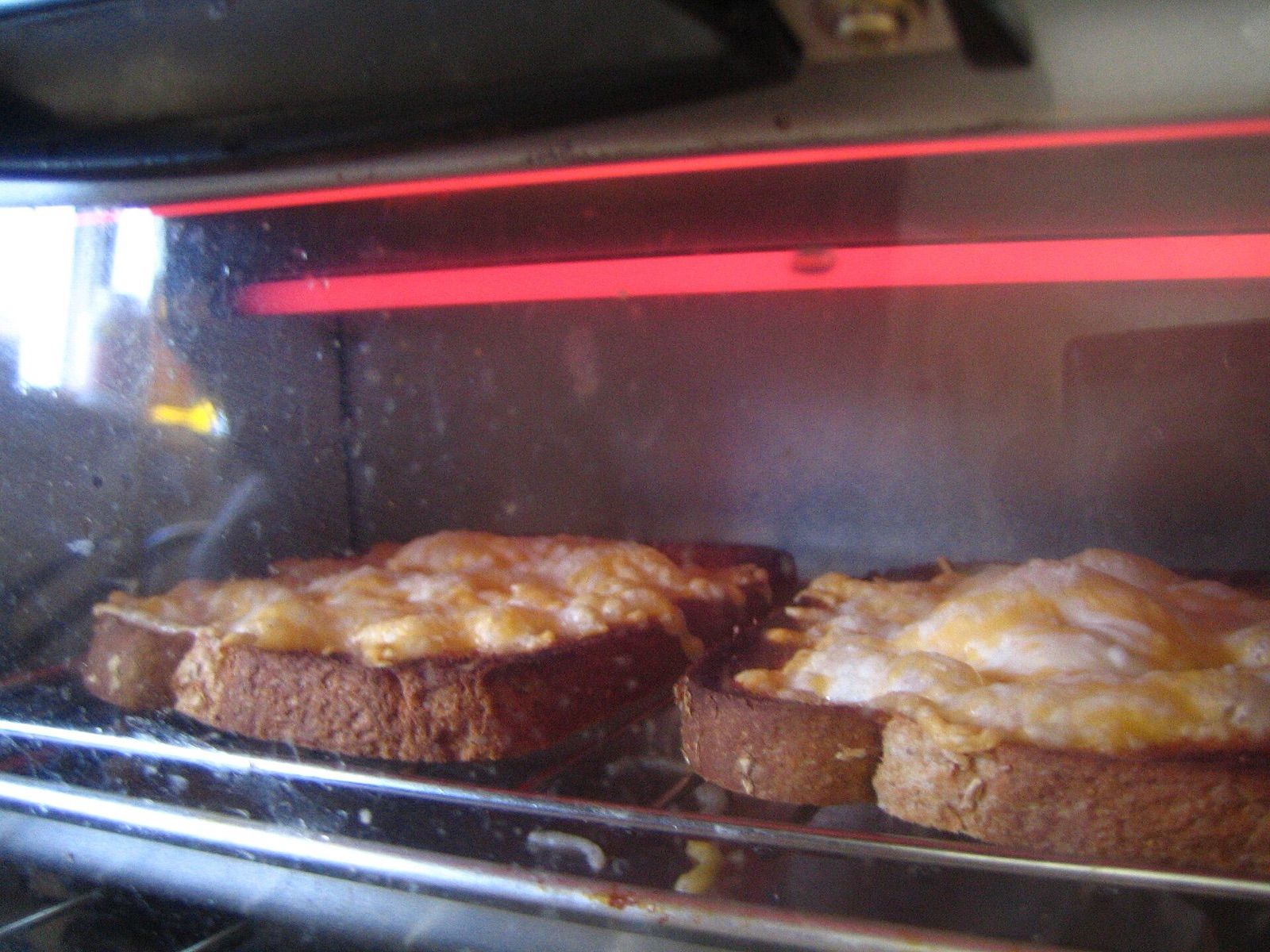
A good countertop oven can handle much of the everyday cooking that would otherwise mean heating a full-size oven: toast, reheating, a tray of vegetables, a small roast chicken or a frozen pizza. The category now ranges from simple toaster ovens to large convection models with air-fry, dehydrate and even steam functions. This guide explains what those features do, how to judge size, and what a countertop oven can and cannot replace.
The main types
- Basic toaster oven: heating elements above and below, with settings for toast, bake and grill (broil). Compact and simple.
- Convection toaster oven: adds a fan that circulates hot air for faster, more even cooking and browning.
- Air-fry countertop oven: a convection oven with a stronger fan, higher heat and a mesh basket, designed to crisp food with little oil.
- Combination ovens: larger models that add functions such as steam, dehydrate, proving or, in some cases, microwave cooking.
- Specialist ovens: such as countertop pizza ovens, which reach much higher temperatures for one job.
How convection changes cooking
In a conventional oven, heat radiates from the elements and moves slowly by natural air currents. A convection fan blows hot air over the food, stripping away the layer of cooler air that surrounds it. The result:
- faster cooking;
- more even browning, especially across a full tray;
- crisper surfaces on roast vegetables, potatoes and chicken skin.
Rule of thumb: when using convection with a recipe written for a conventional oven, lower the temperature by about 15 °C (25 °F), or keep the temperature and check the food earlier.
Convection isn't ideal for everything. Delicate batters, custards and some cakes can set unevenly or dry out, which is why many ovens let you switch the fan off.
Air-fry functions: how they compare with an air fryer
An air-fry setting uses high heat and a fast fan to mimic an air fryer. In a countertop oven, food spreads out in a single layer on a basket or tray, which can be an advantage for larger batches.
- Pros: more capacity than many basket air fryers, a window to watch food, and one appliance instead of two.
- Cons: food may crisp a little more slowly than in a compact basket air fryer, where the air is concentrated in a smaller space, and the oven's larger interior is more work to clean.
If crisping is your main goal, compare the two formats in our guide to air fryer types.
Capacity: judging size
Manufacturers describe capacity in different ways, so compare several measures:
- Litres: compact models are often around 10 to 20 litres; larger convection and air-fry ovens can be 25 litres or more.
- Slices of toast: typically four to six on a single rack, more in large models.
- Pizza size: such as 30 cm (12 in) or 33 cm (13 in).
- What fits: a standard 23 × 33 cm (9 × 13 in) baking dish, a quarter-sheet tray, a muffin tin or a whole chicken. This is often the most useful test.
Check the interior height, too: a whole chicken or a tall casserole needs more than a flat pizza. And check the external footprint and the clearance the manual requires around the sides, back and top.
Power and heating elements
Countertop ovens commonly draw about 1,200 to 1,800 W in North America and up to around 2,000 W or more elsewhere. More power generally means faster preheating and better recovery when you open the door.
The number and type of elements matter:
- More elements (for example, several top and bottom) usually spread heat more evenly.
- Quartz elements heat up very quickly; metal tubular elements are slower but durable and hold heat well.
- Independent control of top and bottom elements helps with toasting, grilling and baking.
Because the cavity is small, food sits close to the elements. Hot spots are more common than in a full-size oven, so rotating trays halfway through is often worth doing.
What a countertop oven can replace
- Your full-size oven, for small jobs: a smaller space to heat means faster preheating and, for small portions, generally less energy used. It also keeps the kitchen cooler in summer.
- An air fryer: partly, if the model has a good air-fry function.
- A toaster: sometimes. Toaster ovens toast more slowly than a slot toaster and results can be less even, but they handle bagels, thick bread and open sandwiches better.
- A microwave: only combination models with a microwave function. A standard toaster oven reheats with better texture but more slowly.
What it can't replace: large roasts, several dishes at once, full-size baking sheets and holiday cooking.
Features that make daily use easier
- Clear, accurate controls: dials are simple; digital controls give precise temperatures and timers.
- Several rack positions and a rack that slides out partway when the door opens.
- Removable crumb tray accessible from the front.
- Interior light and a large window.
- Easy-clean interior: non-stick coatings wipe down easily but need gentle cleaning.
- Timer with auto shut-off, and a "keep warm" setting.
- Useful accessories: baking tray, grill rack and air-fry basket. Check what's included.
Safety and placement
The outside of a countertop oven gets hot, sometimes very hot on the top. Follow the manual's clearances, don't store things on top, keep it away from curtains and cupboards above, and don't use it under wall cabinets unless the manufacturer allows it. Clean the crumb tray regularly, as built-up crumbs and grease can smoke or catch fire. Look for a recognised safety certification mark.
The short version
- Decide what you'll cook most: toast and reheating, or full meals.
- Convection is worth having for most people; add air-fry if you want crisp results without a separate air fryer.
- Judge capacity by what fits, such as a 23 × 33 cm dish or a whole chicken, not just litres.
- Look for several elements, several rack positions and a front-access crumb tray.
- Measure your counter, allowing for the clearance the manual requires.
Bloiq is reader-supported. Some links may earn us a commission; it never affects what we write. How we make money.
Cover photo: rick from San Francisco, USA, CC BY 2.0, via Wikimedia Commons