Memory foam, latex, innerspring or hybrid: mattress types compared
How the four main mattress types differ in feel, support, temperature and durability, how to think about firmness, and what to check in a home trial.
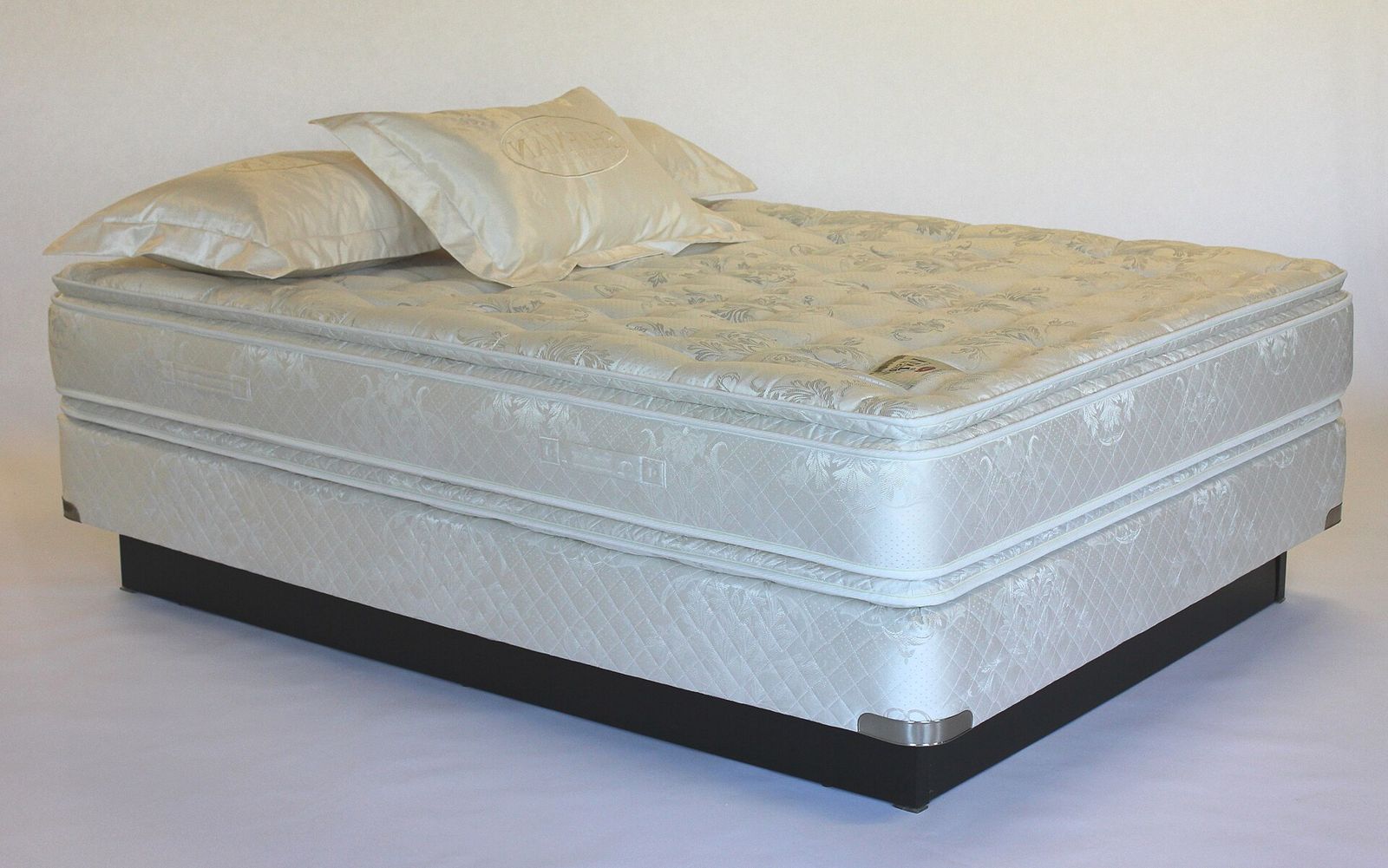
A mattress is one of the few purchases you use for a third of every day for years, yet most of the marketing tells you very little about how it will actually feel. The good news is that almost every mattress is built from a handful of materials. Once you understand memory foam, latex, springs and how they are combined, it becomes much easier to narrow the field and use a trial period well.
How a mattress is built
Nearly every modern mattress has two parts:
- a support core at the bottom, which keeps your spine in a reasonable line and gives the mattress its overall firmness and durability;
- comfort layers on top, which decide how the surface feels: soft or firm, sinking or springy, warm or cool.
The type name usually describes the core. A "memory foam mattress" might have a polyurethane foam core with memory foam on top; a "hybrid" has a spring core with thick foam or latex layers above it.
Memory foam
Memory foam (viscoelastic polyurethane foam) softens with body heat and pressure and slowly moulds to your shape.
- Feels like: sinking in and being cradled. Movement is slow, so changing position takes a little more effort.
- Good at: pressure relief at shoulders and hips, and motion isolation, so you feel less of a restless partner.
- Consider: traditional memory foam can sleep warm. Gel infusions, open-cell foams and breathable covers help to some degree. Cheaper, low-density foams tend to soften and develop body impressions sooner.
Foam density (in kg/m³ or pounds per cubic foot) is a useful indicator of durability: for similar foams, higher density generally lasts longer. Not every brand publishes it, but it's worth asking.
Latex
Latex foam is made from the sap of rubber trees (natural latex), from synthetic rubber, or from a blend.
- Feels like: buoyant and springy. It contours, but pushes back quickly, so you sleep "on" it rather than "in" it.
- Good at: durability, responsiveness and staying cooler than traditional memory foam.
- Consider: latex mattresses are heavy and usually cost more. People with a latex allergy should check with the manufacturer and their doctor before buying.
You'll see two production methods. Dunlop latex tends to be denser and firmer, and is often used in support layers. Talalay latex is usually lighter and more consistent, and often used in comfort layers. Neither is universally better.
Innerspring
The traditional mattress: a steel coil core with a relatively thin layer of padding on top.
- Feels like: bouncy and supportive, with little sink. Easy to move around on.
- Good at: airflow and a cool sleep, edge support and a lower price.
- Consider: thinner comfort layers mean less pressure relief for side sleepers, and interconnected coils transfer more movement across the bed.
Coil design matters more than coil count alone. Pocketed coils are individually wrapped in fabric, so they move independently and isolate motion better. Bonnell and continuous coils are linked together, which is cheaper and firmer but transfers motion more. Coil gauge refers to wire thickness: a lower gauge number means thicker, firmer wire.
Hybrid
A hybrid combines a pocketed coil support core with substantial foam or latex comfort layers.
- Feels like: a middle ground, with contouring on top and bounce underneath.
- Good at: balancing pressure relief with support, airflow and edge support. A popular choice for couples with different preferences.
- Consider: hybrids are heavy and often cost more than all-foam beds. "Hybrid" is loosely used, so check how thick the comfort layers actually are.
Types at a glance
| Memory foam | Latex | Innerspring | Hybrid | |
|---|---|---|---|---|
| Feel | Slow, sinking, cradling | Springy, buoyant | Bouncy, firm surface | Contouring with bounce |
| Pressure relief | High | Medium to high | Low to medium | Medium to high |
| Motion isolation | High | Medium | Low | Medium to high |
| Temperature | Can be warm | Cooler | Cool | Cool to neutral |
| Durability | Depends on density | High | Moderate | Moderate to high |
Firmness: the most personal choice
Firmness is often described on a 1-to-10 scale, with 10 the firmest, but each brand uses its own scale, so treat these numbers as rough guides. Medium to medium-firm is the most common choice and a sensible starting point. Beyond that, two things matter most:
- Sleeping position. Side sleepers usually need a softer surface so the shoulders and hips can sink in. Back sleepers often prefer medium to medium-firm. Stomach sleepers tend to need firmer support to keep the hips from sagging.
- Body weight. Heavier people sink further, so a given mattress feels softer to them and they may prefer a firmer or thicker model. Lighter people may find a "medium" mattress feels firm.
If you share a bed and have very different needs, look at models with split firmness, or at hybrids that balance both. If you have back pain or another medical condition, talk to a health professional about what might help.
Trial periods, returns and warranties
Many mattresses, especially those sold online and delivered compressed in a box, come with an at-home trial. These often run for around 100 nights or longer, but the terms vary a lot, so read them before you buy:
- Is there a minimum period before you can return it? Many require a few weeks, because your body needs time to adjust.
- Are there return or pick-up fees, or is it exchange only?
- Do you need to keep the original packaging or use a mattress protector?
- Does the trial apply to sale or clearance items?
A warranty is different from a trial. It usually covers manufacturing defects, such as sagging or indentations deeper than a stated depth, not whether you like the feel. Many warranties require a suitable base, so check the rules on slat spacing or foundations.
Boxed mattresses need time to expand, usually a day or two, and may have a temporary smell from the new foam that fades with ventilation.
Certifications worth recognising
- CertiPUR-US (and similar schemes): foams tested for certain chemicals and emissions.
- OEKO-TEX Standard 100: textiles tested for harmful substances.
- GOLS and GOTS: certify organic latex and organic textiles respectively.
These certify materials, not comfort or durability.
The short version
- Match the type to how you want it to feel: memory foam to sink in, latex for springy and durable, innerspring for bounce and value, hybrid for a balance.
- Choose firmness by sleeping position and body weight, not by the brand's number alone.
- For couples, prioritise motion isolation and edge support.
- Read the trial and return terms before buying, including minimum periods and fees.
- Check the warranty and the base it requires.
- Protect it with a good mattress protector; our guide to bedding materials covers sheets and duvets.
Bloiq is reader-supported. Some links may earn us a commission; it never affects what we write. How we make money.
Cover photo: Yahquinn, CC BY-SA 3.0, via Wikimedia Commons