Home / Travel / Italy · Where to stay
Where to stay in Rome: the neighbourhoods compared
Centro Storico, Trastevere, Monti, Prati, Termini and more: how Rome's main areas differ, who each one suits, and how to get around a city best seen on foot.
This guide contains affiliate links, marked as such. If you book through them, Bloiq may earn a commission at no extra cost to you.
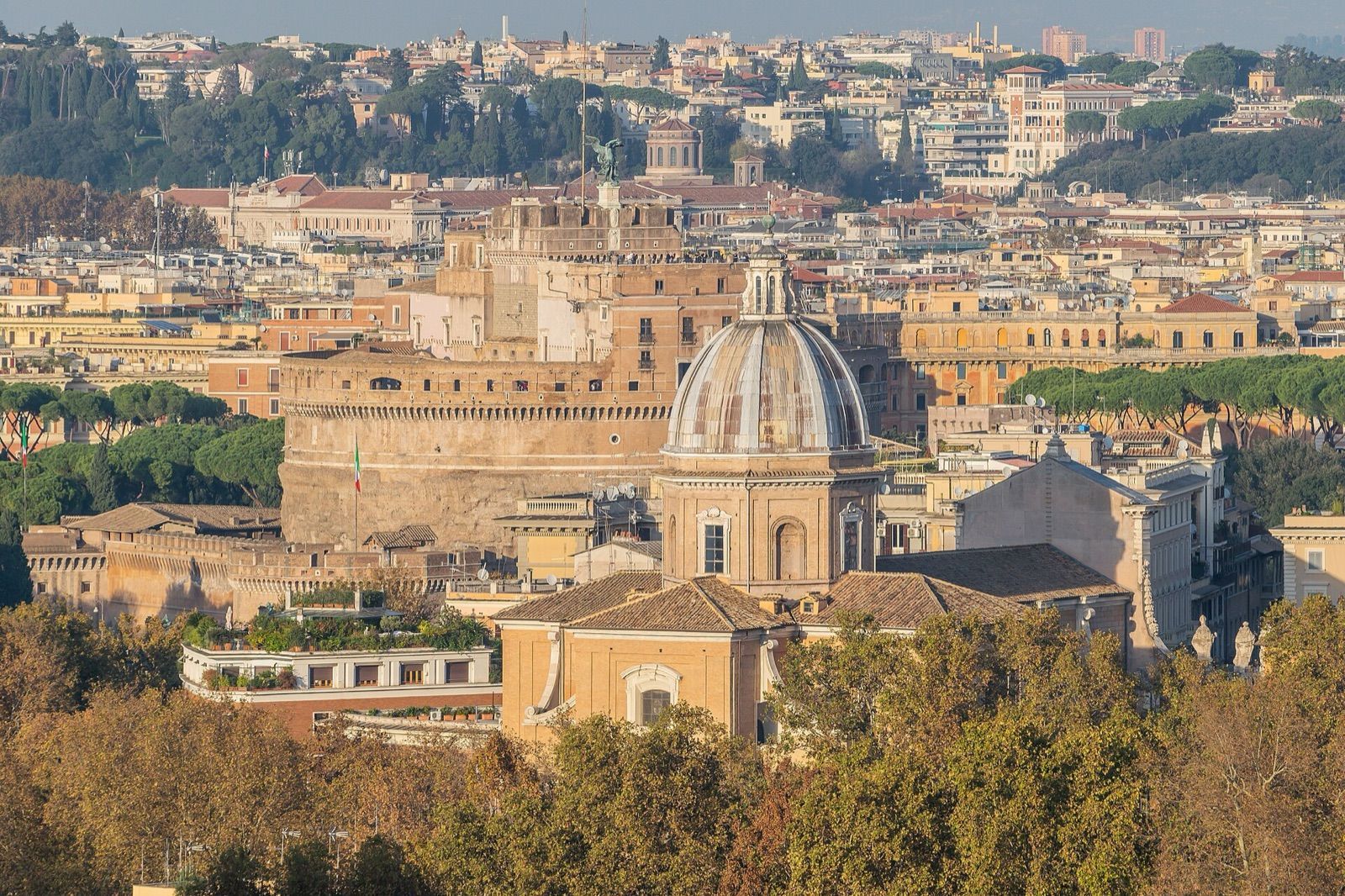
Rome is a walking city. Its greatest sights are spread across a historic centre that the metro barely touches, so where you stay decides how much of your day you spend on foot, on buses or in taxis. Some areas are almost silent after dark, and others are loud until the early hours. Here's how the main neighbourhoods compare, and who each one suits.
The quick answer
- First visit, want to walk everywhere: Centro Storico (around the Pantheon and Piazza Navona).
- Evenings out and trattorias: Trastevere.
- Near the Colosseum with a local feel: Monti.
- Quiet, orderly and near the Vatican: Prati.
- Early trains, airport runs and budget: near Termini.
- Shopping and grand piazzas: around the Spanish Steps and Trevi.
- Food and a working neighbourhood: Testaccio.
Centro Storico: the historic heart
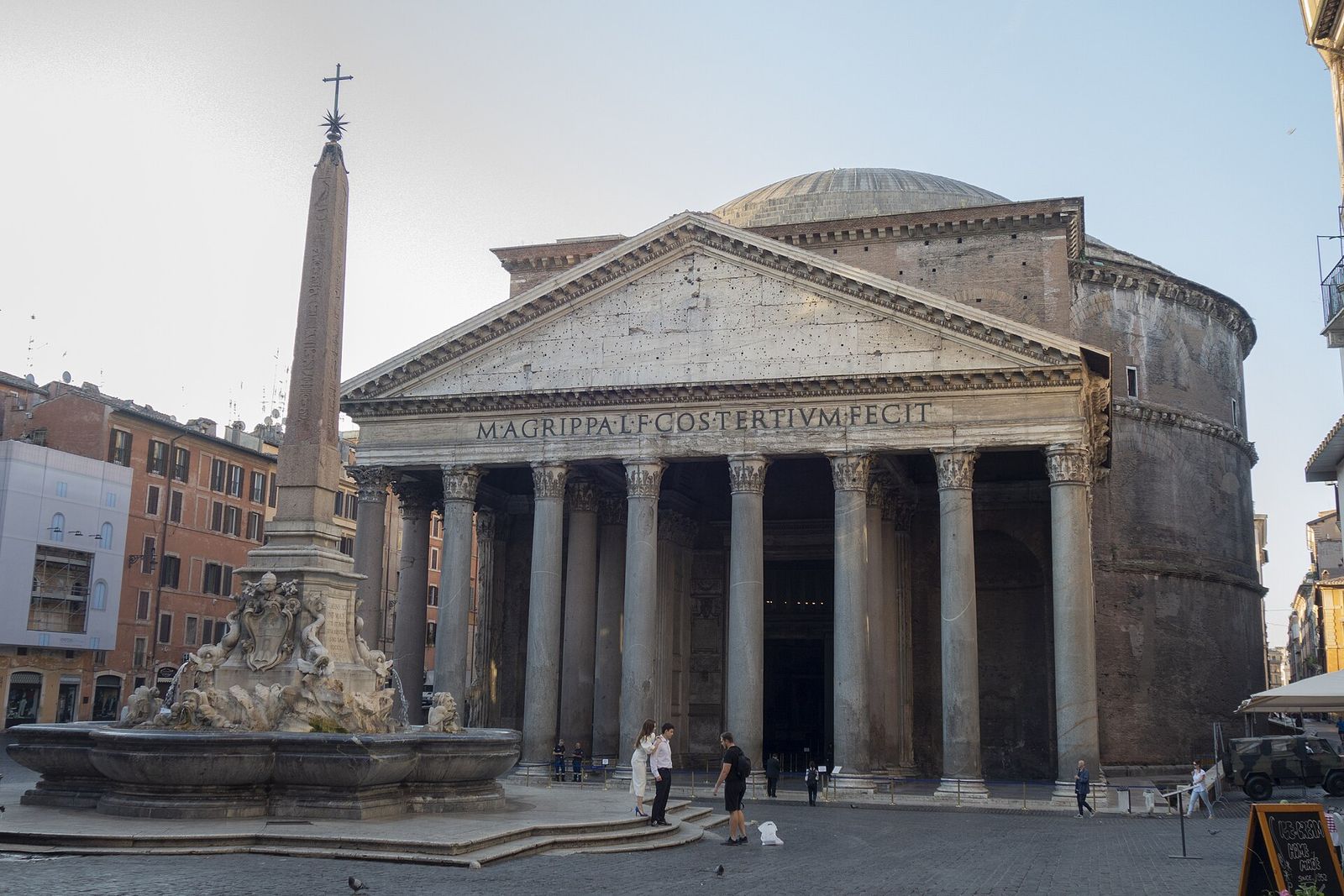
The bend of the Tiber enclosing the Pantheon, Piazza Navona, Campo de' Fiori and dozens of churches and palazzi is what most people picture as Rome. Staying here means stepping out of the door into the city's most beautiful streets, and walking to the Forum, Trevi and even the Vatican.
Good for: first-time visitors and short stays. Consider: prices are high, rooms in old buildings are often small, and there's no metro station in the core; you'll rely on walking, buses and taxis. Streets around Campo de' Fiori can be noisy at night.
Trastevere: across the river
Across the Tiber, Trastevere is a tangle of ivy-covered, cobbled lanes, small squares and trattorias, centred on the church of Santa Maria in Trastevere. It's one of the liveliest places in Rome for dinner and drinks.
Good for: couples and visitors who want atmosphere and evenings out. Consider: the busiest streets are noisy into the night, especially at weekends, and there's no metro; tram 8 connects it with the centre. The quieter part of the neighbourhood is east of Viale di Trastevere, around the church of Santa Cecilia.
Monti: bohemian and central
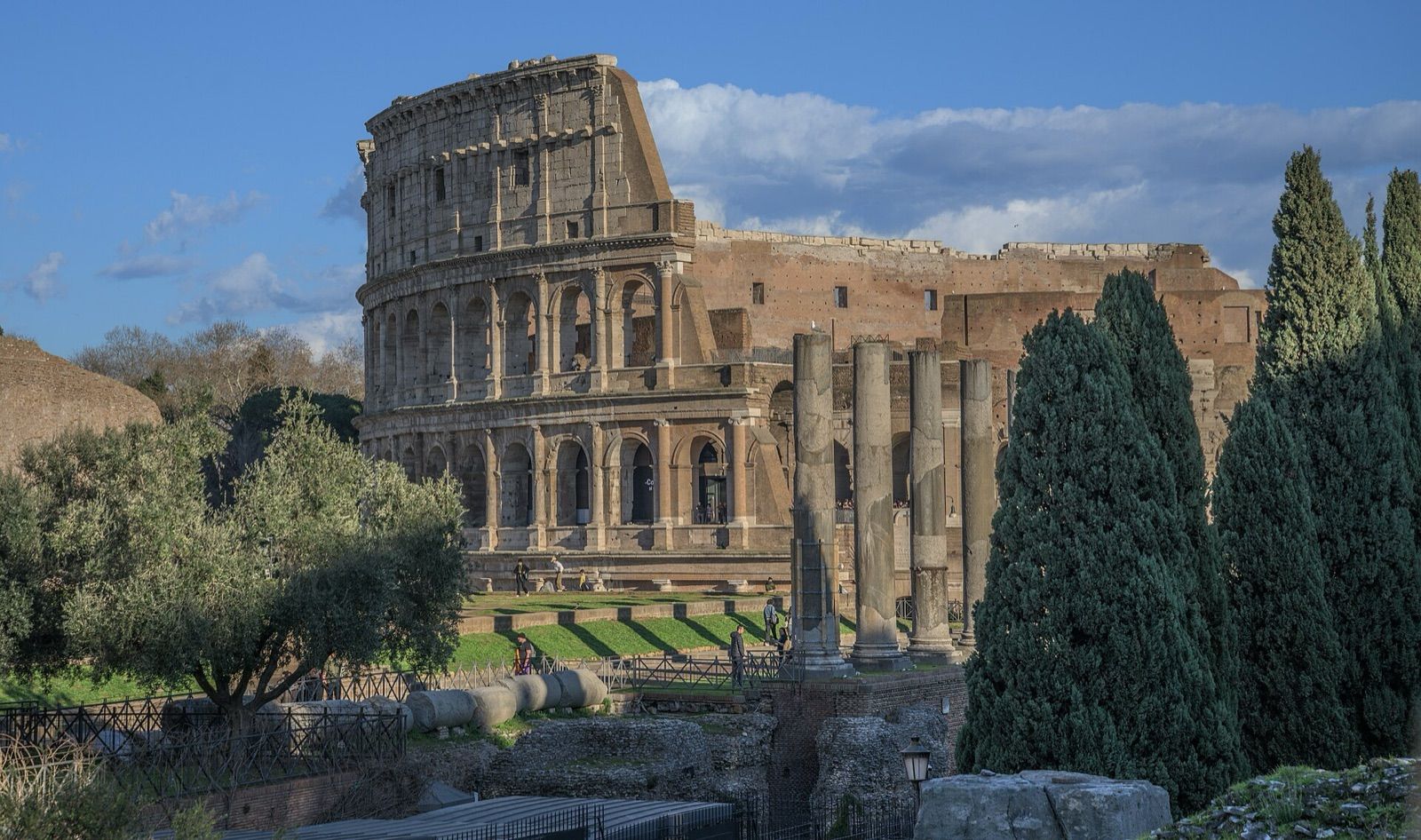
One of Rome's oldest residential quarters, Monti sits between the Colosseum, the Forum and Via Nazionale. It has independent boutiques, wine bars, vintage shops and a small piazza that serves as the neighbourhood's living room in the evening. Cavour and Colosseo stations on metro line B are nearby.
Good for: travellers who want a central base with a more local, less polished feel. Consider: some streets are sloping, and the lively ones can be noisy in the evening.
Prati and the Vatican
North of the Vatican, Prati was laid out in the late 19th century with wide, straight avenues and handsome apartment buildings. It's residential and well ordered, with good restaurants, the shopping street Via Cola di Rienzo and metro line A (Ottaviano and Lepanto) for quick trips across the city.
Good for: families, repeat visitors and anyone planning an early start at St Peter's or the Vatican Museums. Consider: it's calmer in the evening and a 20–30 minute walk across the river to the Pantheon and Navona. The streets right next to the Vatican are full of tour touts and tourist restaurants.
Around Termini: practical and well connected
Rome's main railway station is the meeting point of metro lines A and B, the terminus for many bus routes and the station for the non-stop train from Fiumicino airport. There are many budget and mid-range hotels in the area.
Good for: tight budgets, early departures and day trips by train. Consider: the streets around the station, particularly to the south and after dark, feel scruffy and less safe than the historic centre. If you stay here, choose a spot on a well-lit street and check recent reviews of the exact location. The northern side, towards Via Nazionale and Piazza della Repubblica, is generally more pleasant.
Trevi and the Spanish Steps
The area around Piazza di Spagna, Via del Corso and the Trevi Fountain is Rome at its grandest, with luxury shopping on Via dei Condotti and the elegant streets towards Piazza del Popolo. Spagna and Barberini stations on metro line A are close.
Good for: shoppers and travellers who want a central, upmarket base with metro access. Consider: crowds around Trevi and the Spanish Steps are intense for much of the day, and restaurants aimed at tourists are common. Prices are among the highest in the city.
Testaccio: food and local life
South of the Aventine Hill, Testaccio is a traditional working-class neighbourhood known for Roman cooking, its covered food market and the former slaughterhouse now used for culture and events. Monte Testaccio, a hill built from ancient broken amphorae, is ringed with clubs and restaurants.
Good for: food lovers and repeat visitors who want everyday Roman life. Consider: it's a bus or metro ride (Piramide on line B) from most sights, and there are fewer hotels than in the centre.
Getting around
- Walking: the core of Rome is compact but cobbled. Comfortable shoes with good soles are essential, because the stones are uneven and get slippery in the rain.
- Metro: lines A and B cross at Termini and are useful for the Vatican, the Colosseum and the Spanish Steps. Line C serves the east of the city and is being extended through the centre; check which stations are open. The metro skirts the historic centre rather than running through it.
- Buses and trams: they fill the gaps, but traffic makes timings unpredictable. Tram 8 to Trastevere is one of the most useful routes.
- From Fiumicino airport: a non-stop train runs to Termini, and regional trains stop at Trastevere, Ostiense and Tiburtina stations. Licensed white taxis charge a fixed fare to destinations inside the ancient Aurelian Walls; check the current fare before you get in.
- From Ciampino airport: there are buses to Termini, or a short transfer to Ciampino station for trains.
- Tickets: validate paper tickets when you board or enter the station. Contactless bank cards are accepted at metro gates and on many buses; check the current options.
- Driving: avoid it. Much of the centre is a limited traffic zone (ZTL) monitored by cameras, and unauthorised entry results in fines.
Practical tips before you book
- Check the exact street. A few blocks can make the difference between a peaceful room and one above a bar.
- Ask about lifts and stairs. Many historic buildings have no lift, or a tiny one.
- Air conditioning matters from June to September, when Rome can be very hot.
- City tourist tax: Rome charges a per-person, per-night tax that varies with the accommodation category, capped at a set number of nights and usually paid at the property. Check the current rate.
- Book timed tickets ahead for the Vatican Museums, the Colosseum and the Borghese Gallery, especially in spring and autumn.
- Dress for churches: shoulders and knees should be covered to enter St Peter's and many other churches.
- Refill a bottle at the free-flowing public drinking fountains (nasoni) found all over the city.
Stay in the Centro Storico for walking and wonder, Monti or Trastevere for character, and Prati for calm and easy access to the Vatican, and you'll be well placed to enjoy the city.
Bloiq is reader-supported. Some links may earn us a commission; it never affects what we write. How we make money.
Cover photo: Krzysztof Golik, CC BY-SA 4.0, via Wikimedia Commons
.jpg)