Home / Travel / Italy · Itineraries
Rome in 3 days: an itinerary with a well-planned Vatican visit
A three-day Rome plan grouped by area: ancient Rome, the Vatican and St Peter's, then the Pantheon, Navona and Trevi, with what to book and how to time it.
This guide contains affiliate links, marked as such. If you book through them, Bloiq may earn a commission at no extra cost to you.
Rome has more to see than any three-day visit can hold, so the best plan is a focused one. Its sights fall into three clusters: the ancient city around the Colosseum, the Vatican across the river, and the historic centre of piazzas and churches in between. Give each cluster a day, book the few things that need booking, and leave the evenings for eating and walking, which Romans do very well.
This itinerary suits first-time visitors at a moderate pace. Much of it is on foot, over cobbles and uneven ground. For choosing a base, see our guide to where to stay in Rome; the Centro Storico, Monti and Prati all work well for this plan.
Day 1: ancient Rome
Morning. Start at the Colosseum, the largest amphitheatre ever built in the Roman world, as early as your ticket allows. A standard ticket usually combines the Colosseum with the Roman Forum and the Palatine Hill; access to special areas such as the arena floor and the underground passages needs a specific ticket or tour. After the Colosseum, walk past the Arch of Constantine and up onto the Palatine, where the emperors built their palaces and where views open over the Circus Maximus.
Afternoon. Descend into the Roman Forum, the political and religious centre of the ancient city, then climb to Piazza del Campidoglio, the hilltop square designed by Michelangelo. The Capitoline Museums on either side, often described as the world's oldest public museums, hold the bronze she-wolf and the original equestrian statue of Marcus Aurelius. From the back of the square there's a fine view down over the Forum. If you still have energy, the terrace of the Vittoriano monument, the huge white building on Piazza Venezia, offers a panorama of the city.
Evening. Walk to Monti, the old quarter just north of the Forum, for dinner among its small squares and wine bars.
Day 2: the Vatican
The Vatican deserves a whole day and a little planning. It has two separate visits with separate entrances: the Vatican Museums, which include the Sistine Chapel, and St Peter's Basilica, which is free to enter.
Morning: the Vatican Museums. Book a timed ticket and take the earliest slot you can. The museums are vast; a sensible route takes in the Pio-Clementino collection of classical sculpture (with the Laocoön and the Apollo Belvedere), the Gallery of Maps, the Raphael Rooms and finally the Sistine Chapel, with Michelangelo's ceiling and Last Judgement. Photography isn't allowed in the Sistine Chapel, and guards ask for quiet. Allow three to four hours.
Afternoon: St Peter's Basilica and Square. Walk around to St Peter's Square, framed by Bernini's colonnade, and join the security queue for the basilica, which moves steadily but can be long in the middle of the day. Inside, look for Michelangelo's Pietà, Bernini's bronze canopy over the papal altar, and the scale of the nave. Climbing the dome is a separate ticket; part of the ascent can be done by lift, but the final section is hundreds of narrow, sloping steps and not suitable for anyone uncomfortable in tight spaces.
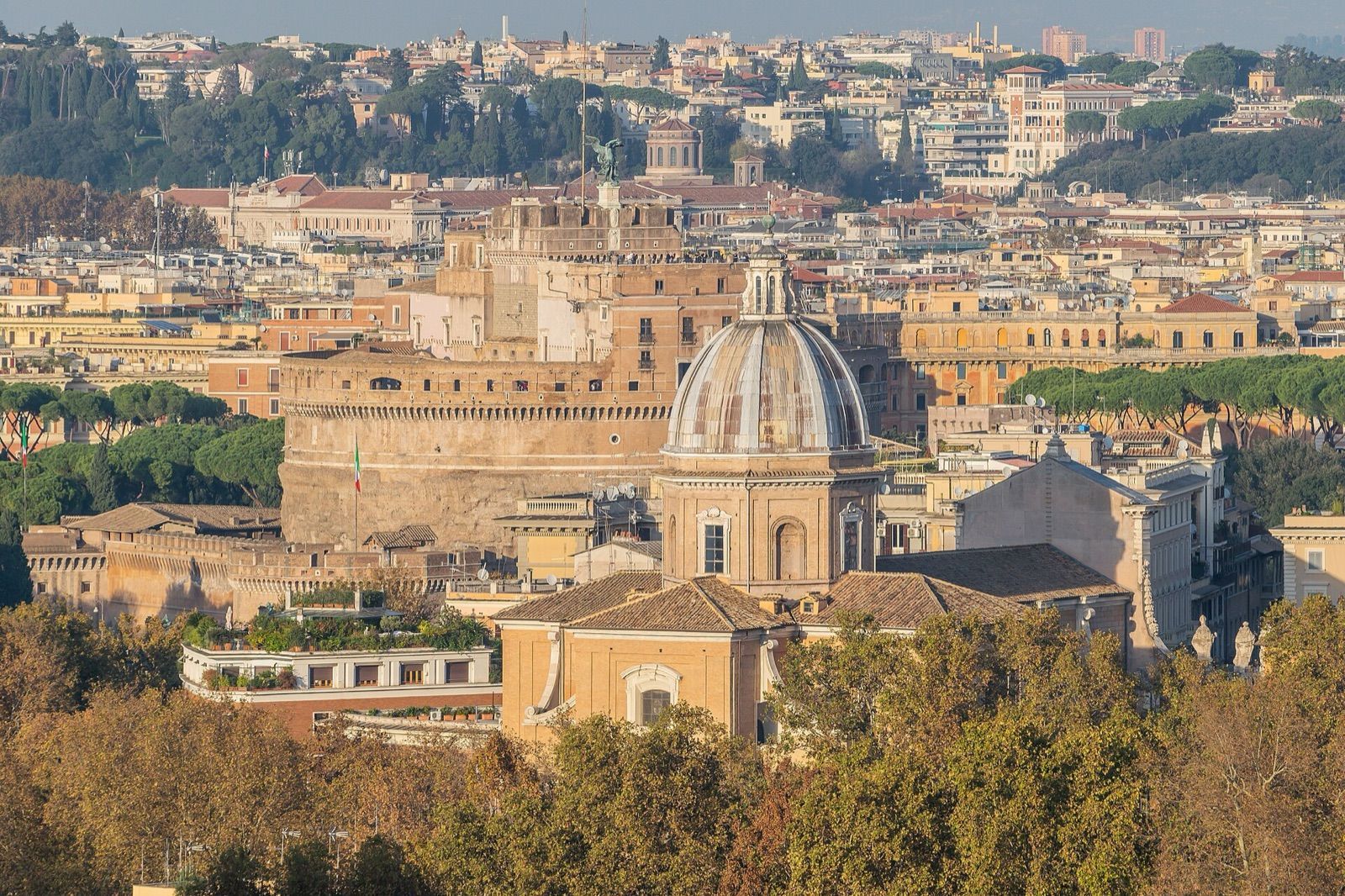
Evening. Walk down Via della Conciliazione to Castel Sant'Angelo, Hadrian's mausoleum turned papal fortress, and cross the Tiber on the angel-lined Ponte Sant'Angelo. Continue to Trastevere for dinner.
How to plan your Vatican visit
- Dress code: shoulders and knees must be covered for the basilica and the Sistine Chapel. Carry a scarf in summer.
- Closures: the Vatican Museums are closed on most Sundays and on several religious holidays; on the days they open free of charge, crowds are intense. The basilica can close at short notice for ceremonies.
- Order of visits: if you'd rather avoid the midday basilica queue, reverse the order: St Peter's opens early in the morning, when the line is shortest, and the museums are often calmer in the late afternoon.
- Papal audiences: when the pope is in Rome, a general audience is usually held in St Peter's Square on Wednesday mornings. Tickets are free and issued through the Prefecture of the Papal Household. The square and basilica are busier and partly restricted during audiences.
- The Scavi: tours of the excavations under the basilica, including the area associated with St Peter's tomb, are small and must be requested well in advance from the Vatican's Excavations Office.
- Guided tours: a good guide makes the museums' sheer size far easier to manage. Check that any tour you book is with a licensed guide and includes timed entry.
Day 3: the historic centre
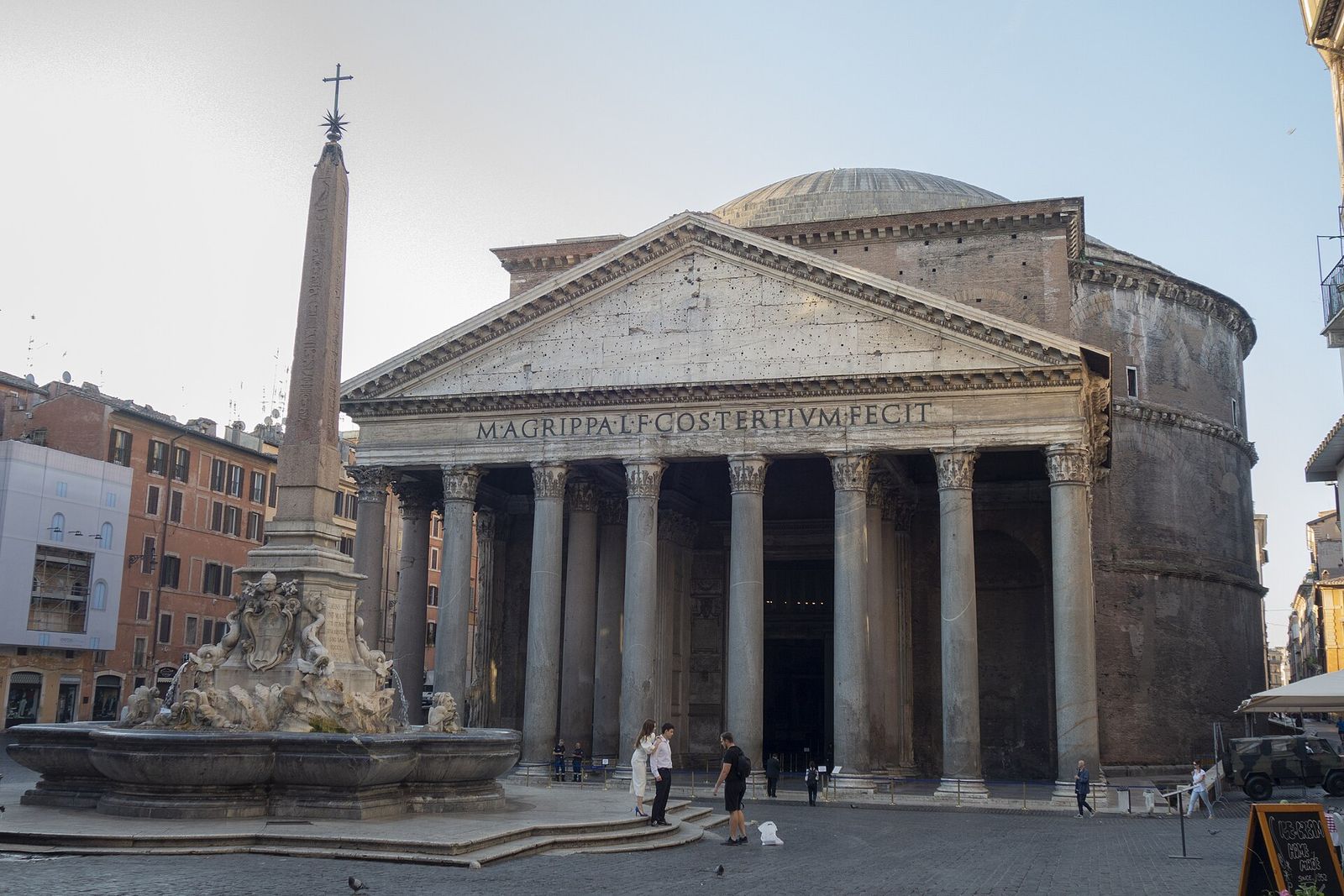
Morning. If you've reserved it, start at the Galleria Borghese, a villa filled with Bernini sculpture and paintings by Caravaggio and Titian, set in the Villa Borghese park. Otherwise, begin at the Pantheon, the best-preserved building of ancient Rome, whose unreinforced concrete dome has an open oculus at its centre. The Pantheon now has a ticketed entry; check the current arrangements.
Afternoon. Walk to Piazza Navona, built on the outline of an ancient stadium, with Bernini's Fountain of the Four Rivers at its centre, and then through the lanes to Campo de' Fiori, which has a market in the mornings. Head east to the Trevi Fountain; the tradition is to throw a coin over your shoulder to guarantee a return to Rome. Access to the area immediately around the fountain has been subject to crowd controls and entry rules, so check the current arrangements. Finish at the Spanish Steps, where local rules forbid sitting on the steps.
Evening. Walk up to the Pincio terrace above Piazza del Popolo for sunset, or return to the Centro Storico for dinner and a late stroll past the floodlit fountains.
What to book ahead
- Colosseum: book as soon as your dates are fixed. Tickets are timed and may be issued in your name, so bring matching ID.
- Vatican Museums: book a timed ticket on the official site; the most convenient slots go first in spring and autumn.
- Galleria Borghese: reservations are required, with set entry times and a fixed visit length.
- Pantheon, dome of St Peter's, the Scavi: the first two can be booked or bought on the day; the Scavi only through advance request.
Rule of thumb: put your most important timed ticket first thing in the morning. Rome's crowds and heat both build through the day.
Adapting the plan
- Rain: Rome's churches are free, beautiful and dry; add the National Roman Museum at Palazzo Massimo, known for its ancient frescoes and mosaics, or spend longer at the Capitoline Museums.
- With children: the Colosseum and Castel Sant'Angelo are usually hits; the Villa Borghese park has space to run, bike hire and a small lake with rowing boats.
- Slower pace: split the Vatican into a museums morning and a free afternoon, and see St Peter's early the next day.
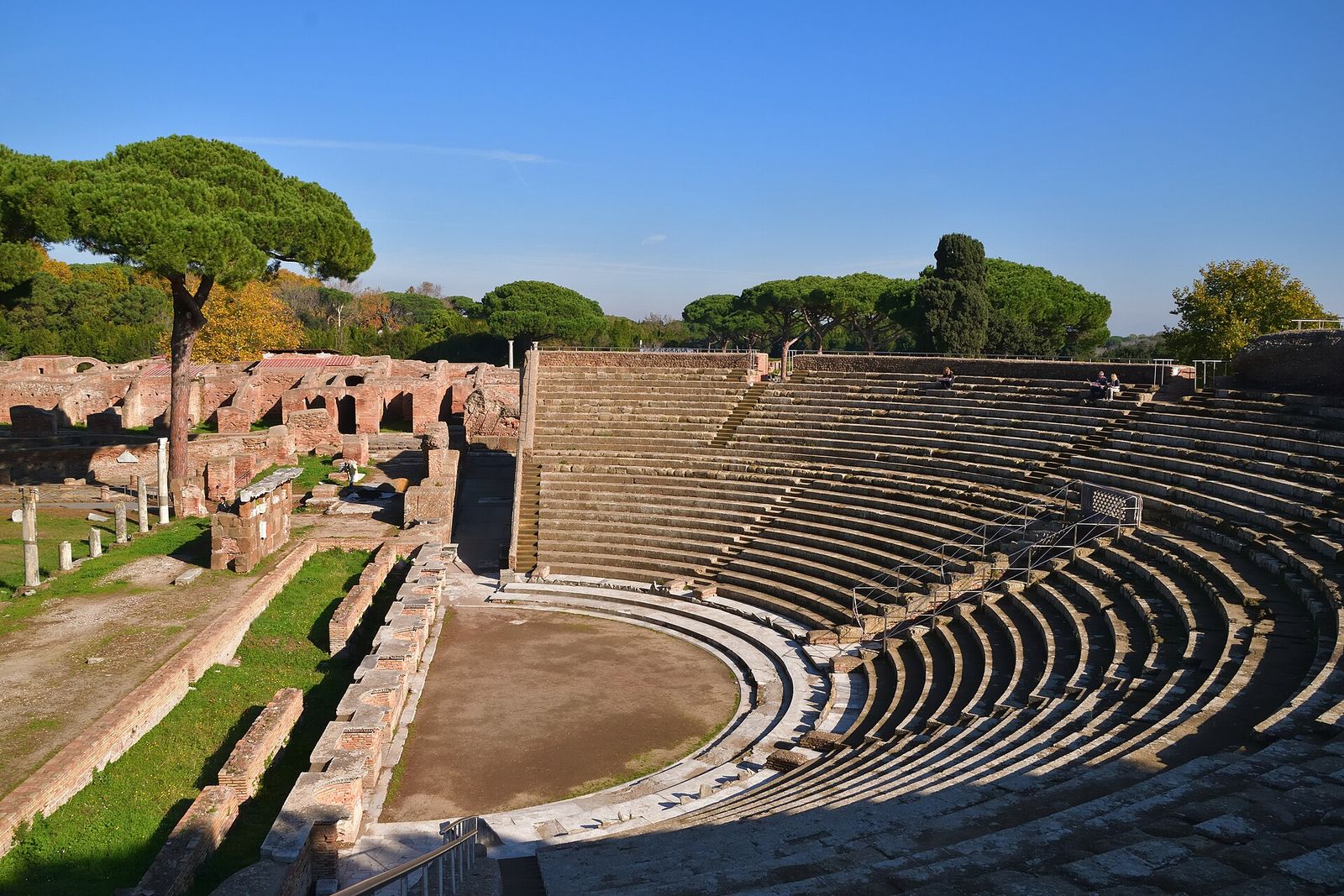
- Four days or more: walk or cycle the ancient Appian Way and visit the catacombs, or take a day trip to Ostia Antica, the excavated port of ancient Rome, or to Tivoli for Villa d'Este and Hadrian's Villa.
Practical booking tips
- Getting around: the historic centre is best on foot. Metro lines A and B cover the Vatican, the Colosseum and the Spanish Steps; buses and trams fill the gaps. Watch your bags on crowded buses.
- Water: Rome's public drinking fountains (nasoni) provide free, drinkable water; bring a refillable bottle.
- Heat: July and August are very hot; plan the Forum and Palatine for early morning, when there's little shade.
- Driving: most of the historic centre is a limited traffic zone with camera enforcement. Don't drive into it in a hire car.
- Tourist tax: Rome charges a per-person, per-night tax, usually paid at your accommodation. Check the current rate when you book.
- Base: Prati suits an early Vatican start, Monti suits the ancient sites, and the Centro Storico puts everything within walking distance. Our where to stay in Rome guide compares them.
Bloiq is reader-supported. Some links may earn us a commission; it never affects what we write. How we make money.