Home / Travel / United States · Where to stay
Where to stay in Orlando for theme parks: areas compared
On-site or off-site? Lake Buena Vista, International Drive, Kissimmee, Celebration, the Universal area or downtown: how Orlando's bases compare for a theme-park trip.
This guide contains affiliate links, marked as such. If you book through them, Bloiq may earn a commission at no extra cost to you.
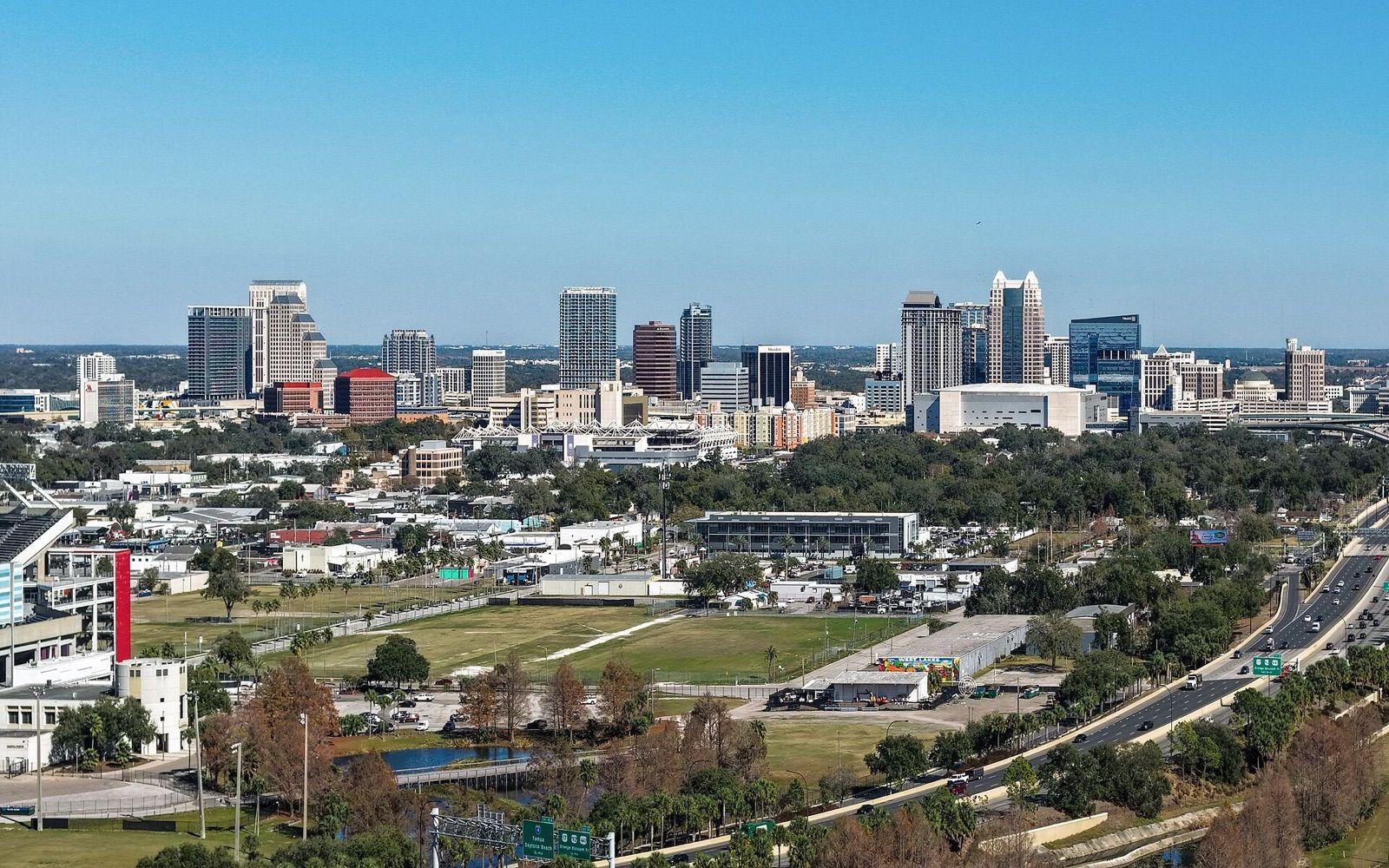
Orlando is less a single destination than a spread of theme parks, highways and hotel districts across tens of kilometres. The wrong base can add an hour of driving to every park day; the right one lets you head back for a midday swim when the kids flag. The main questions are which parks you're visiting, whether you'll have a car, and how much you value convenience over space. Here's how the options compare.
The quick answer
- Mostly Disney, want maximum convenience: on-site at the Disney resort.
- Disney, lower budget, with a car: Lake Buena Vista or Kissimmee/US-192.
- Mostly Universal: on-site or around the Universal area.
- Mix of parks, restaurants and attractions: International Drive.
- Big family or group wanting space: a holiday home near Kissimmee.
- Quiet, small-town feel near Disney: Celebration.
- Nightlife and a city feel, fewer park days: downtown Orlando.
On-site or off-site?
Both Disney and Universal have hotels on their own property. Staying on-site usually means shorter journeys to the parks, the resort's own transport and, depending on the hotel, perks such as early park entry. Walt Disney World's hotels are linked by buses, boats, a monorail and a gondola system; several Universal hotels are within walking distance or a water-taxi ride of the parks.
Off-site hotels are often cheaper and roomier, especially for families who want kitchens or separate bedrooms. The trade-off is time: you'll drive or rely on a shuttle, and you'll pay for theme-park parking. Perks, transport and parking policies change often, so check what's included on the official resort sites before you compare prices.
Lake Buena Vista: next door to Disney
Lake Buena Vista is the area around Disney Springs, the resort's shopping and dining district, and along the roads just outside Disney property. There's a dense cluster of mid-range and upscale hotels, many with shuttles to the parks.
Good for: Disney-focused families who want off-site prices without long drives. Consider: shuttles often run on fixed schedules, which may not match rope drop or late fireworks. Some hotels here have limited agreements with Disney, so read the details of what's included.
International Drive: the tourist corridor
International Drive ("I-Drive") runs for roughly 18 km (11 miles) through the heart of the tourist district, between the Universal area at its northern end and SeaWorld and the convention centre further south. It's lined with hotels of every level, restaurants, observation wheels, mini-golf and indoor attractions.
Good for: trips mixing Universal, SeaWorld and Disney, conference visitors, and anyone who wants plenty of dinner options within walking distance. Consider: traffic is heavy at peak times, and the Drive is long, so "on I-Drive" can mean very different journey times. Universal's newest park, Epic Universe, sits south of the original Universal parks, closer to the middle stretch of the Drive.
Kissimmee and US-192: space and value
East and south of Disney, the long US-192 corridor through Kissimmee has budget motels, chain hotels and restaurants, and the surrounding communities are full of rental holiday homes, many with private pools.
Good for: large families, groups and longer stays on a budget. Consider: you'll need a car, some stretches of US-192 are dated, and holiday-home communities can be 20–40 minutes' drive from the parks. Check the exact location and the latest reviews carefully.
Celebration: the quiet option
Celebration is a planned town built by the Walt Disney Company in the 1990s, just south of the Disney resort. It has a walkable lakeside town centre with restaurants and a small-town, orderly feel.
Good for: couples and families who want calm evenings close to Disney. Consider: there are only a few hotels, and you'll still need a car to reach the parks.
The Universal area
Around Universal Orlando, on-site hotels range from value to deluxe. Nearby, off-site hotels on the surrounding roads, such as Kirkman Road and Major Boulevard, are often within a short drive or walk.
Good for: Universal-focused trips, especially if you plan to return for a midday break. Consider: it's a 25–35 minute drive to Disney in normal traffic, often longer at peak times.
Downtown Orlando: the real city
Downtown Orlando, around Lake Eola, has restaurants, bars, a performing arts centre and a proper city feel. Nearby Winter Park has tree-lined streets, museums and boutiques.
Good for: adults, business travellers, and trips with only a day or two of parks. Consider: Disney is typically 30–40 minutes away by car, and traffic on I-4 can be unpredictable.
How the areas compare
| Area | Best for | Car needed? | Drive to Disney |
|---|---|---|---|
| Disney on-site | Disney-focused | No | On property |
| Lake Buena Vista | Disney on a budget | Helpful | Short |
| International Drive | Mixed parks | Helpful | 15–30 minutes |
| Kissimmee / US-192 | Space, groups | Yes | 10–40 minutes |
| Celebration | Quiet evenings | Yes | Short |
| Universal area | Universal-focused | Helpful | 25–35 minutes |
| Downtown Orlando | City, few park days | Yes | 30–40 minutes |
Car or shuttles?
- Staying on-site: you can manage without a car if you mainly stick to one resort's parks.
- Off-site: a car gives flexibility, especially for early starts. Factor in theme-park parking, hotel parking and toll roads, as several main highways are toll roads. Ask the rental company how tolls are billed.
- Shuttles and ride-hailing: hotel shuttles save parking costs but can be crowded and infrequent; ride-hailing is widely available but adds up over a week.
- From the airport: Orlando International is roughly 30 minutes' drive from Disney or Universal. Shared shuttles, taxis, ride-hailing and car rental are all available. Some trips use Orlando Sanford airport, which is considerably farther north.
Crowds, seasons and weather
- Busiest: Christmas to New Year, spring break (March and April), summer holidays, and Thanksgiving week.
- Quieter: mid-January to early February, late August and September, and parts of November and early December. Special events and school calendars can change the picture, so check crowd calendars.
- Summer: hot and humid, with frequent afternoon thunderstorms. A hotel close enough for a midday break becomes more valuable.
- Hurricane season: June to November, with the highest risk from August to October. Consider flexible bookings and travel insurance.
Practical tips before you book
- Match the base to the parks. If most days are at Disney, stay near Disney; if Universal, stay near Universal. Crossing town every day wastes hours.
- Compare total prices. Many Orlando hotels add a daily resort fee and parking charges on top of the room rate, plus local taxes.
- Check perks and rules on the official sites. Early entry, transport and reservation systems change often.
- Book popular dates early, especially school holidays, and look at refundable rates.
- Holiday homes: confirm the exact address, pool heating (often extra) and cleaning fees before you pay.
Stay on-site or close to the parks you'll visit most, add a car if you're off-site, and time your trip for quieter weeks, and Orlando becomes far easier to enjoy.
Bloiq is reader-supported. Some links may earn us a commission; it never affects what we write. How we make money.
Cover photo: Quintin Soloviev, CC BY 4.0, via Wikimedia Commons