Home / Travel / Spain · Where to stay
Where to stay in Madrid: the neighbourhoods compared
Sol, Huertas, Malasaña, Chueca, Salamanca, La Latina, Retiro and Chamberí: how Madrid's main areas differ, who each suits and how to get around.
This guide contains affiliate links, marked as such. If you book through them, Bloiq may earn a commission at no extra cost to you.
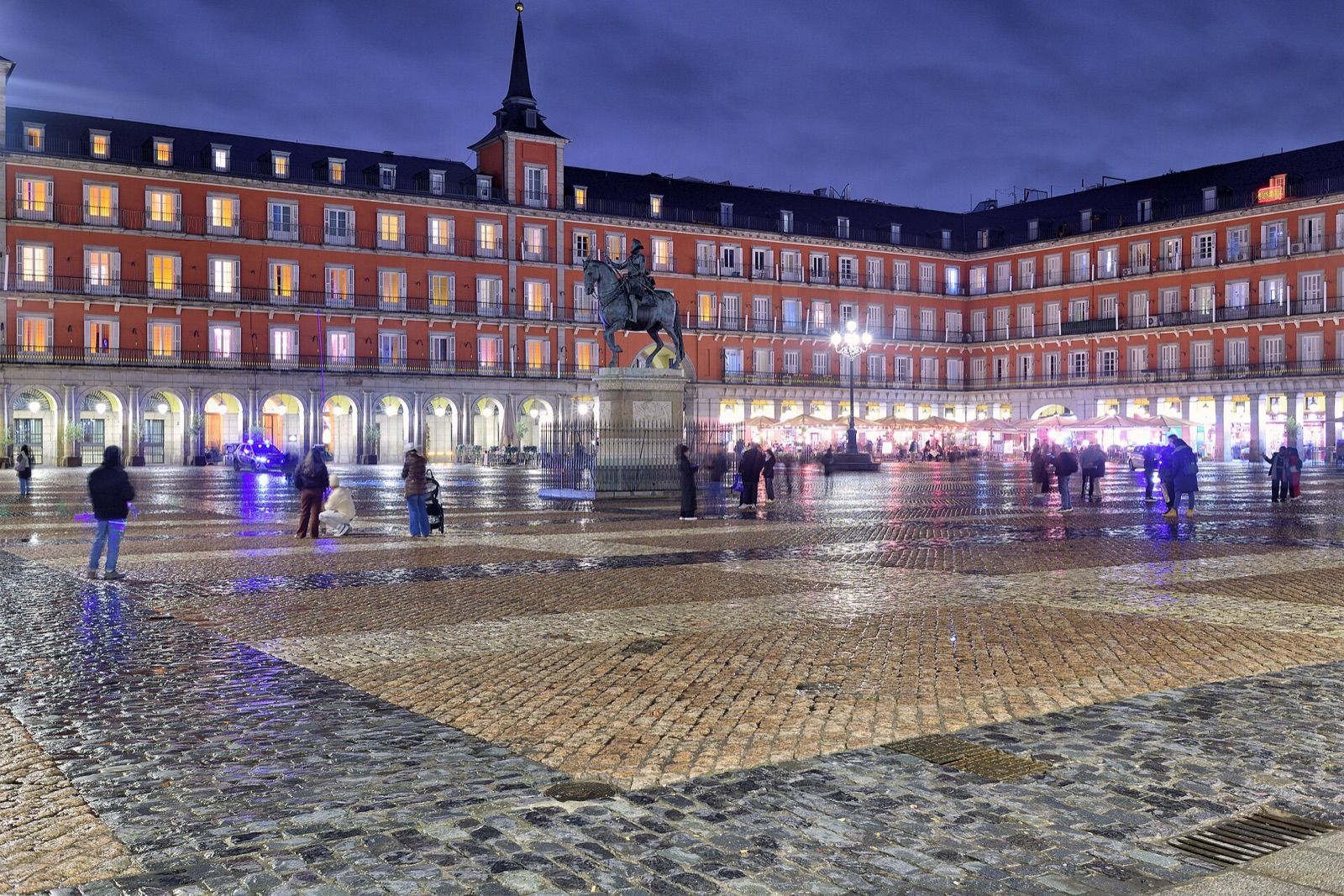
Madrid is a late-night city. Dinner often starts at nine or ten, bars stay busy past midnight, and some streets are as lively at 2 a.m. as at 2 p.m. The centre is compact enough to walk, but the character of each neighbourhood varies a lot, from grand and quiet to loud and bohemian. Choosing the right base mostly comes down to how much noise you can live with and how you plan to spend your evenings. Here's how the main areas compare.
The quick answer
- First visit, want everything on foot: Sol and the Centro, or Huertas.
- Art museums on your doorstep: Huertas (Barrio de las Letras) or Retiro.
- Bars, vintage shops and a young crowd: Malasaña.
- Lively, welcoming and LGBTQ+ friendly: Chueca.
- Upmarket, quiet and polished: Salamanca.
- Tapas and Sunday-market atmosphere: La Latina.
- Families and green space: Retiro.
- Local life away from the crowds: Chamberí.
Sol and the Centro: the middle of everything
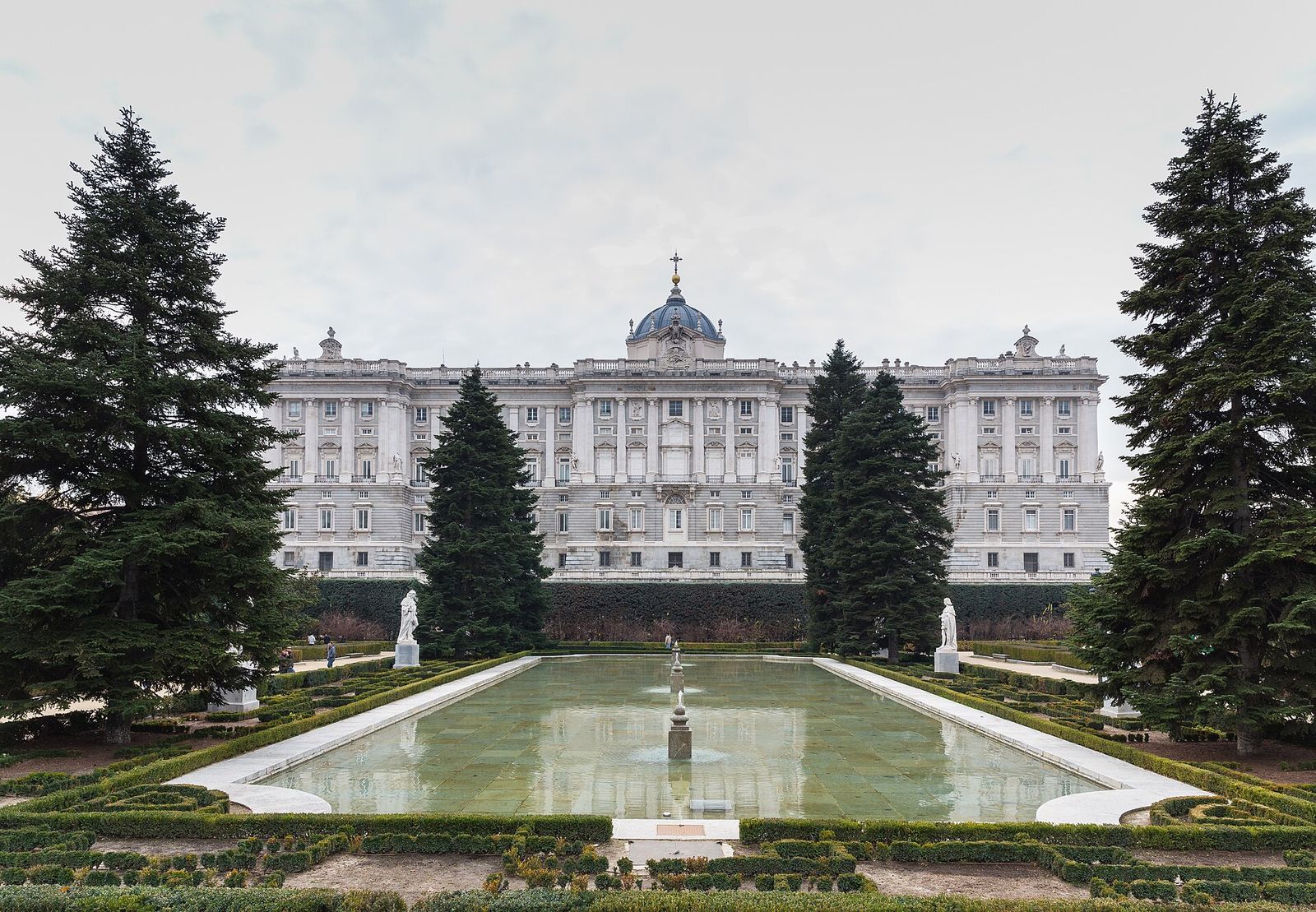
The Puerta del Sol is the symbolic centre of Madrid and of Spain: the stone marker for kilometre zero of the country's radial roads is set in its pavement. Around it lie the Plaza Mayor, the pedestrian shopping streets towards Gran Vía, and, a short walk west, the Royal Palace and the Almudena Cathedral. Sol has a large metro interchange and a suburban rail station, so it's also one of the best-connected spots in the city.
Good for: first-time visitors, short stays and anyone who wants to walk everywhere. Consider: it's crowded and commercial, and the streets immediately around the square feel more like a transit hub than a neighbourhood. Noise from street life can carry late into the night.
Huertas and the Barrio de las Letras: literary and central
East of Sol, the "literary quarter" is where Cervantes and Lope de Vega once lived, and quotations from Spanish writers are set into some of its pavements. The streets slope gently down to the Paseo del Prado, where the Prado, the Thyssen-Bornemisza and the Reina Sofía museums sit within walking distance of each other. Plaza de Santa Ana and the surrounding streets are packed with bars and taverns.
Good for: art lovers and travellers who want a central base with more character than Sol. Consider: the bar streets around Santa Ana and Calle Huertas are loud at night, especially at weekends. The quieter lanes nearer the Paseo del Prado are a better bet for sleep.
Malasaña: bohemian and nocturnal
North of Gran Vía, Malasaña was the heart of the "movida", the burst of music and nightlife that followed the end of the dictatorship. It still has a young, creative feel, with vintage shops, independent cafés, record stores and small bars around the Plaza del Dos de Mayo.
Good for: younger travellers, repeat visitors and anyone who plans to go out. Consider: it's one of the noisiest areas at night, and many buildings are older walk-ups. Ask for an interior-facing room if you're a light sleeper.
Chueca: lively and welcoming
Just east of Malasaña, Chueca is the centre of Madrid's LGBTQ+ community and one of the city's most sociable neighbourhoods, with terraces, restaurants, a busy food market and design shops. It's close to Gran Vía and within walking distance of most sights.
Good for: couples, groups and anyone who enjoys a buzzing evening scene. Consider: it's loud on weekend nights, and very busy during Madrid's Pride celebrations in late June and early July, which are among the largest in Europe. Book early if your dates overlap.
Salamanca: elegant and upmarket
Laid out in a 19th-century grid north of the Retiro park, Salamanca is Madrid's most polished district. Wide streets are lined with designer boutiques, well-kept apartment blocks and smart restaurants, and the evenings are calm. The museums are reachable on foot or by a short metro ride.
Good for: shoppers, business travellers and anyone who values quiet and space. Consider: it can feel a little formal, and it's a 20- to 30-minute walk to the old centre around Sol and the Plaza Mayor.
La Latina: tapas and tradition
South of the Plaza Mayor, La Latina is one of the oldest parts of the city, with churches, small squares and some of Madrid's best-known tapas streets, particularly Cava Baja. On Sunday mornings the huge El Rastro flea market spreads through the streets just to the south.
Good for: food lovers and travellers who want old-Madrid atmosphere. Consider: Sunday crowds are intense, and the bar streets are busy late. The streets can be steep in places, and some buildings lack lifts.
Retiro: parkside and calm
The area around the Parque del Buen Retiro, the city's great park, is residential and leafy. It's close to the Prado and the other big museums, and to Atocha station, the main terminus for high-speed trains to the south and to Barcelona. The Paseo del Prado and the Retiro together are a UNESCO World Heritage Site.
Good for: families, runners, museum-goers and anyone taking day trips by train. Consider: evenings are quiet, and you'll walk 15–25 minutes or take the metro to reach the busier nightlife areas.
Chamberí: local Madrid
North of Malasaña and Chueca, Chamberí is a well-to-do residential district where most people you'll meet actually live in the city. It has neighbourhood squares, traditional markets, the Sorolla Museum in the painter's former house, and streets full of tapas bars that cater mainly to locals.
Good for: repeat visitors, longer stays and anyone who prefers a local rhythm. Consider: the main sights are a metro ride or a 20- to 40-minute walk away, depending on where you are in the district.
How the areas compare
| Area | Noise at night | Walk to Sol | Best for |
|---|---|---|---|
| Sol / Centro | High | 0–10 min | First visits |
| Huertas | High on bar streets | 5–10 min | Museums, character |
| Malasaña | High | 10–15 min | Nightlife |
| Chueca | High at weekends | 10–15 min | Sociable evenings |
| Salamanca | Low | 20–30 min | Quiet, shopping |
| La Latina | Medium to high | 5–10 min | Tapas, old Madrid |
| Retiro | Low | 20–25 min | Families, trains |
| Chamberí | Low | 20–40 min | Local life |
Getting around
- From the airport: Madrid-Barajas is linked to the city by metro (line 8, with a change towards the centre), suburban trains from Terminal 4, and an express bus to the centre. Metro trips to or from the airport carry a supplement; check the current fare.
- Metro: extensive, frequent and easy to use, with stations within a few minutes' walk of almost anywhere central.
- Trains: Atocha serves most high-speed routes to the south, east and Barcelona, and Chamartín serves many northbound routes. Day trips to Toledo and Segovia are straightforward by rail.
- Walking: the historic centre is best on foot, but distances add up in summer heat. Plan outdoor sightseeing for mornings and evenings in July and August.
- Driving: don't. Central Madrid has low-emission zones with access restrictions, and parking is scarce.
Practical tips before you book
- Check the exact street. A few blocks can separate a quiet lane from a bar strip, especially in Huertas, Malasaña, Chueca and La Latina.
- Air conditioning is essential from June to September; Madrid's summers are hot and dry.
- Ask about the room's position. Interior rooms facing a courtyard are much quieter than those over the street, if darker.
- Look for a lift if you're carrying heavy luggage; many older buildings in the centre have only stairs.
- Adjust to local hours. Restaurants may be nearly empty at 8 p.m. and full at 10 p.m., so booking a table for a local dinner time is easier than you'd think.
- Holiday apartments are regulated, and rules have been tightening. Make sure any apartment you book is properly licensed.
Pick Sol or Huertas for convenience, Malasaña or Chueca for evenings out, and Salamanca, Retiro or Chamberí for quiet nights, and the whole city will be within easy reach.
Bloiq is reader-supported. Some links may earn us a commission; it never affects what we write. How we make money.
Cover photo: Javier Perez Montes, CC BY-SA 4.0, via Wikimedia Commons