Home / Travel / United States · Where to stay
Where to stay on Oahu: Waikiki, Ko Olina, North Shore or Kailua
Waikiki, Ko Olina, the North Shore, Kailua or Honolulu? How Oahu's main bases compare, who each suits, and how traffic, seasons and rental rules affect your choice.
This guide contains affiliate links, marked as such. If you book through them, Bloiq may earn a commission at no extra cost to you.
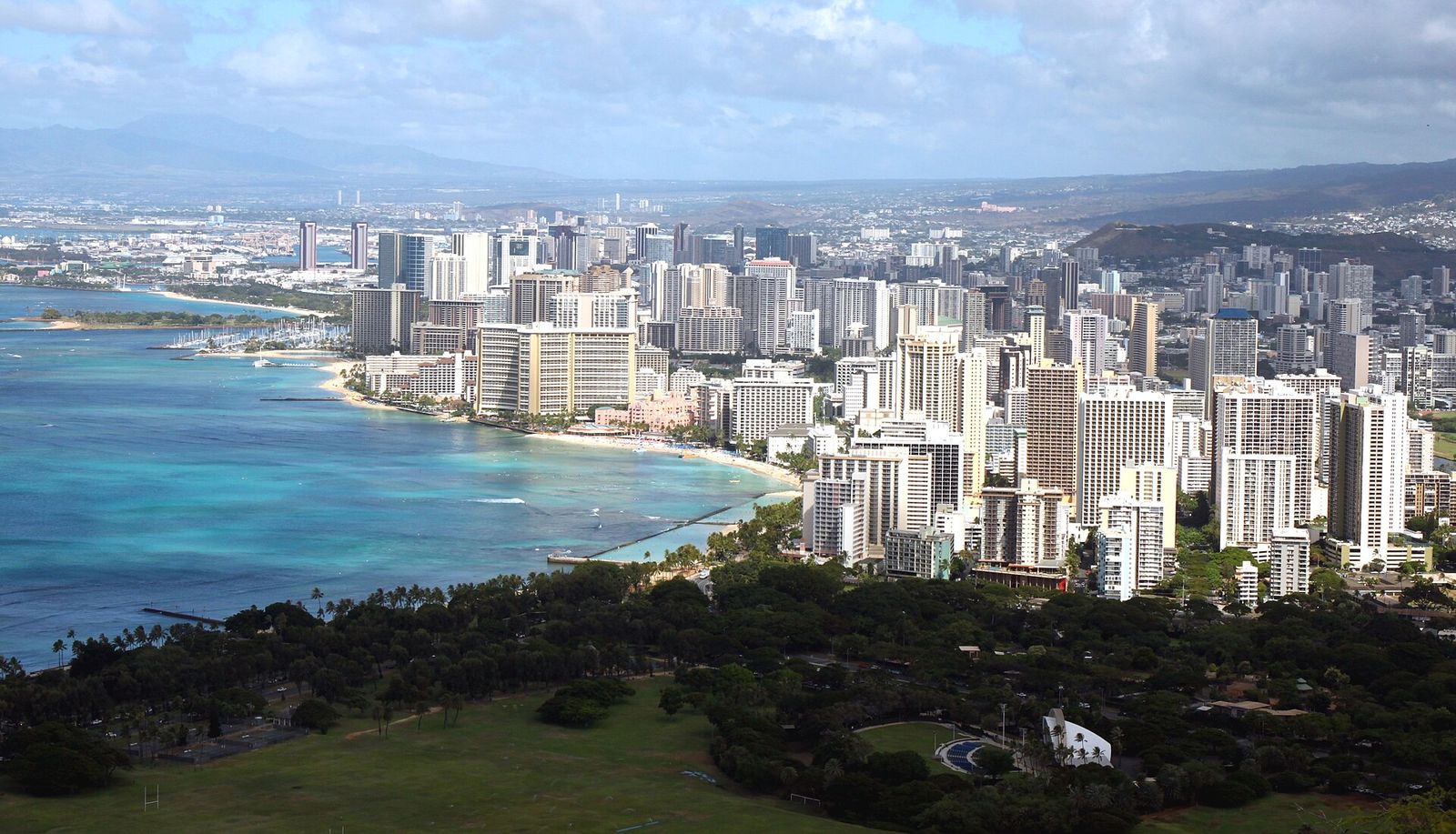
Oahu (Oʻahu) is Hawaii's busiest island and home to Honolulu, and it's bigger than many visitors expect. A hotel tower in Waikiki, a resort lagoon on the dry west coast, a surf town on the North Shore and a beach town on the windward side are all within about an hour of each other on a clear road, yet they make for very different holidays. Traffic is heavy at peak hours, so your base decides how much of the trip you spend driving. Here's how the main areas compare.
The quick answer
- First visit, no car, everything nearby: Waikiki.
- Calm lagoons and a resort you don't need to leave: Ko Olina.
- Surf, small-town pace and wide-open coast: the North Shore.
- Beaches and a residential feel on the windward side: Kailua.
- City life, food and shopping: Ala Moana, Kakaʻako or downtown Honolulu.
- Quiet luxury a short drive from Waikiki: Kahala.
Many visitors split their stay: a few nights in Waikiki for the city and Pearl Harbor, then a few on the North Shore or at Ko Olina.
How the island fits together
- Honolulu runs along the south shore. Waikiki is a few kilometres east of downtown, with Diamond Head, an extinct volcanic crater, at its eastern end.
- The airport (Daniel K. Inouye International) lies west of downtown, typically 20 to 40 minutes from Waikiki depending on traffic.
- The leeward (west) coast, home to Ko Olina, is the driest and sunniest part of the island.
- The North Shore is across the island's central plain, roughly an hour's drive from Waikiki without traffic.
- The windward (east) coast, including Kailua, lies on the other side of the Koʻolau mountains. It's greener and wetter, cooled by the trade winds.
The H-1 freeway through Honolulu is often congested on weekday mornings and afternoons, so allow extra time for any cross-island trip or airport run.
Waikiki: the classic base
Waikiki combines roughly 3 km of beach with a dense district of hotels, condos, shops and restaurants between the ocean and the Ala Wai Canal. The gentle surf here is where many people take their first surf lesson or outrigger canoe ride. At the Diamond Head end, Kapiʻolani Park has the zoo, the aquarium and more space to breathe.
Good for: first-time visitors, travellers without a car, families who want restaurants and activities on the doorstep, and short stays. Consider: it's built-up and busy, and the beach gets crowded. Hotels a few blocks back from the sand, towards Kūhiō Avenue and the canal, are usually quieter and better value than beachfront towers. The eastern end, near the park, feels calmer than the middle of Kalākaua Avenue.
Ko Olina: lagoons on the sunny west side
Ko Olina is a planned resort area on the leeward coast, roughly 40 km west of Waikiki and about half an hour from the airport without traffic. Its four man-made lagoons are sheltered by rock breakwaters, so the water is usually calm, and they're lined with large resorts and holiday-ownership properties, along with a marina and a golf course.
Good for: families with young children, honeymooners and anyone who wants a resort holiday in reliable sunshine. Consider: there's little outside the resorts, and most restaurants are inside them, so you'll want a car or tours for exploring. The drive into Honolulu can be slow at rush hour. The lagoons have public access, but parking for non-guests is limited.
The North Shore: surf and small-town pace
The North Shore stretches from Haleʻiwa, a historic town of surf shops, cafés and shave-ice stands, to Kahuku near the island's northern tip. In winter, roughly November to March, big swells reach Waimea Bay, the Banzai Pipeline at ʻEhukai Beach and Sunset Beach, drawing surfers and spectators. In summer the same water is often calm enough for snorkelling. Green sea turtles often rest on some beaches here; they're protected by law, so keep well back and never touch them.
Places to stay are limited: one large resort near Kahuku, a small number of hotel rooms in Lāʻie (home of the Polynesian Cultural Center) and a handful of permitted guesthouses and rental homes.
Good for: surfers and surf-watchers, couples, repeat visitors and anyone who prefers beaches and farm stands to shopping centres. Consider: it's an hour or more from the airport, evenings are quiet, and winter waves make many beaches dangerous for swimming. The two-lane Kamehameha Highway backs up on weekends and when the surf is big. Book early, because rooms are few.
Kailua and the windward coast
Kailua, about 30 minutes from Waikiki over the Pali Highway, is a relaxed town with a long, white-sand beach that's popular for kayaking and kitesurfing. Next door, the small residential area of Lanikai has a much-photographed beach and a ridge trail with views of the Mokulua islets offshore, which are seabird sanctuaries with landing rules. Kailua town has good cafés, restaurants and shops.
Good for: beach lovers, families who prefer a house to a hotel, and longer stays. Consider: there are almost no hotels, and short holiday rentals are restricted outside resort areas, so legal options are limited (see the tips below). The windward side gets more rain, especially in winter. Lanikai is a quiet neighbourhood with very little parking; walk or cycle in from Kailua.
Honolulu beyond Waikiki
- Ala Moana and Kakaʻako: just west of Waikiki, Ala Moana has one of the state's largest shopping centres and a beach park with calm swimming. Neighbouring Kakaʻako, a former warehouse district, has street murals, new apartment towers, breweries and restaurants. Good for food lovers and longer stays.
- Downtown and Chinatown: home to ʻIolani Palace, the former residence of Hawaii's monarchs, plus historic buildings, markets and some of the city's most interesting restaurants. Hotels are few and many are business-oriented, and office streets go quiet in the evening.
- Kahala: an affluent residential area east of Diamond Head with one large beachfront resort. It's peaceful and close to Waikiki by car, but there's little within walking distance.
Getting around
- From the airport: taxis, ride-hailing and shuttles run to Waikiki. Public buses also go there, but TheBus has strict limits on luggage size, so it isn't practical with large suitcases.
- Skyline rail: Honolulu's rail line is opening in stages. It now links the west side with the airport area, but it doesn't reach Waikiki or downtown yet; check the current route before relying on it.
- TheBus: an extensive island-wide network, including routes to the North Shore and the windward coast. Journeys are cheap but slow; pay with the reloadable fare card.
- Car: the easiest way to explore beyond Honolulu, and close to essential at Ko Olina or on the North Shore. Waikiki hotels usually charge for parking and space is tight, so many visitors staying there rent a car for only a day or two.
- Walking and cycling: Waikiki is easy on foot, and a bike-share scheme covers Waikiki and central Honolulu.
Practical tips before you book
- Seasons: mid-December to March and the summer holidays are the busiest times. Winter brings the big North Shore surf and more rain to the windward side; summer brings swells to the south shore. Hurricane season runs from June to November; direct hits are rare, but consider travel insurance.
- Taxes and fees: Hawaii adds state and county accommodation taxes and a general excise tax to room rates, and many hotels add a daily resort fee plus parking. Compare total prices and check the current rates.
- Holiday rentals: Honolulu restricts rentals of fewer than 30 days to resort-zoned areas, such as Waikiki and Ko Olina, or to properties with a permit. Check that a house or apartment listing is legal before you pay.
- Book ahead: Pearl Harbor's USS Arizona Memorial uses timed reservations, out-of-state visitors need a reservation for the Diamond Head summit trail, and Hanauma Bay requires reservations for visitors and closes on some days of the week. Check each official site before you go.
- Ocean safety: swim at lifeguarded beaches, obey warning signs and flags, and ask lifeguards about conditions. Hawaii also restricts the sale of sunscreens containing certain chemical filters, so mineral sunscreen is the reef-friendly choice.
Pick Waikiki for convenience, Ko Olina for calm water and sunshine, and the North Shore or Kailua for a slower, more local Oahu, and plan your days around the traffic rather than against it.
Bloiq is reader-supported. Some links may earn us a commission; it never affects what we write. How we make money.
.jpg)