Home / Travel / Austria · Itineraries
Vienna in 3 days: the Ring, the Hofburg, Schönbrunn and coffee houses
A three-day Vienna plan grouped by area: the old town, Hofburg and Ringstrasse, then Schönbrunn and the Naschmarkt, then the great museums, the Belvedere and the Prater.
Vienna was the capital of the Habsburg empire for centuries, and it still looks the part: palaces, grand boulevards and some of the richest art collections in Europe, all in a city that is compact, orderly and easy to get around. Three days is enough for the essentials if you give each day its own area: the old town and the Hofburg first, then Schönbrunn, then the museums.
The plan suits first-time visitors at a moderate pace, with plenty of walking on flat ground and short trips by U-Bahn and tram. It leaves room for what Vienna does best: sitting for an hour in a coffee house without anyone hurrying you out.
Day 1: St Stephen's, the Hofburg and the Ringstrasse
Morning. Start at St Stephen's Cathedral (Stephansdom), the Gothic heart of the city, with its patterned tile roof and its tall south tower. You can climb the south tower's stairs or take the lift up the north tower to the great bell; check what's open, because services take priority and tower access changes. From the cathedral, walk along the Graben, with its Baroque Plague Column, and down the Kohlmarkt towards the Michaelertor, the domed gateway into the Hofburg.
Afternoon. The Hofburg was the Habsburgs' winter residence and is now a cluster of museums, state rooms and the offices of the Austrian president. Most visitors choose one ticket that covers the Imperial Apartments, the Sisi Museum about Empress Elisabeth and the Imperial Silver Collection. With more time, add the Imperial Treasury, with the crowns of the Holy Roman Empire, or the Baroque State Hall of the National Library. Then walk out through Heldenplatz, the vast square in front of the curved Neue Burg.
Evening. See the Ringstrasse, the boulevard built in the second half of the 19th century where the city walls once stood. Trams 1 and 2 between them cover much of it, past the Parliament, the neo-Gothic City Hall (Rathaus), the Burgtheater and the University. End at the State Opera: standing places for performances are sold on the day in limited numbers, and guided tours of the building run on many days. Check the current system on the opera's own site.
Day 2: Schönbrunn, the Naschmarkt and the Secession
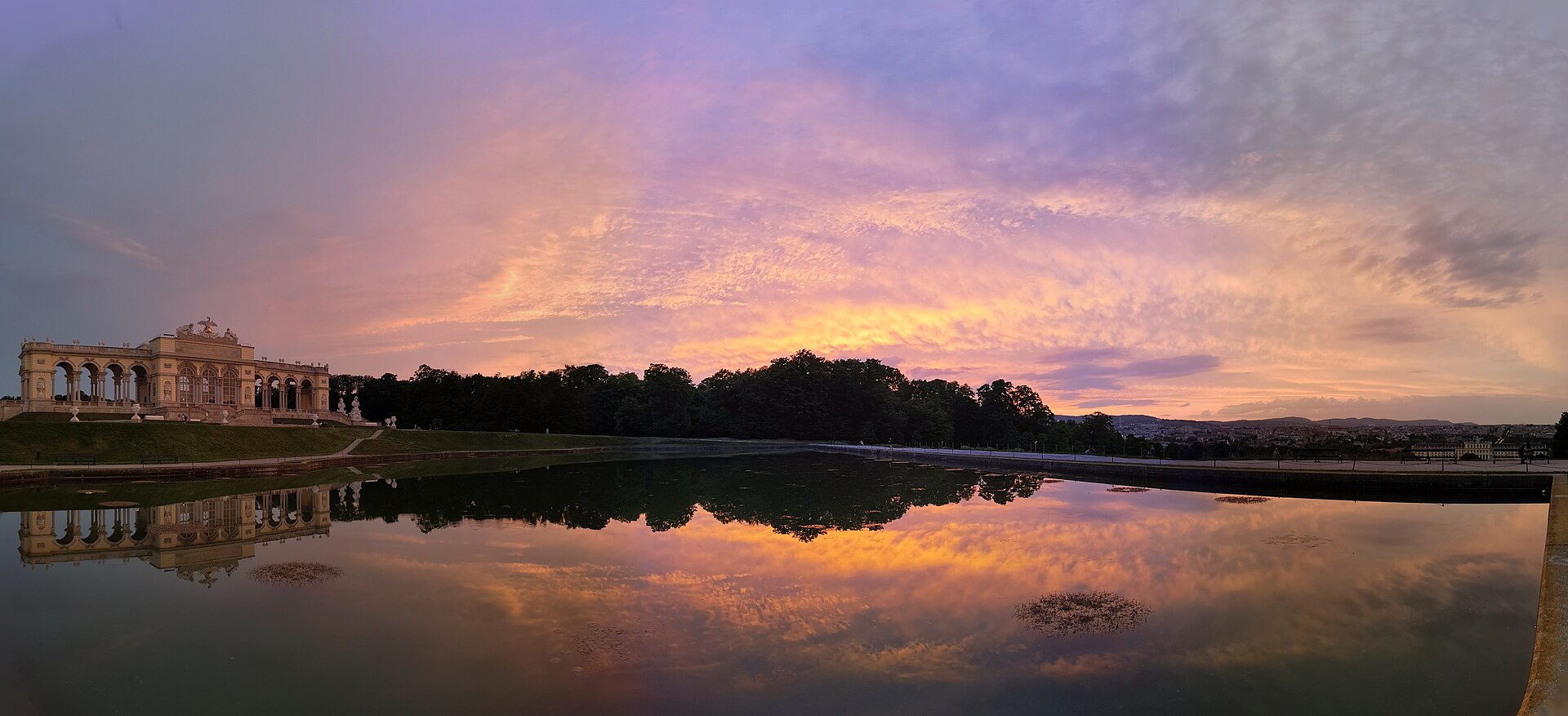
Morning. Take the U4 to Schönbrunn Palace, the Habsburgs' summer residence and a UNESCO World Heritage Site. Arrive early with a timed ticket. The shorter tour covers the main state rooms, and the longer one adds more of the private and ceremonial rooms, including those of Maria Theresa. Then walk up through the formal gardens, past the Neptune Fountain, to the Gloriette, the colonnade on the hill, for the view back over the palace and the city.
The grounds also hold the Tiergarten Schönbrunn, founded in 1752 and often called the oldest zoo still operating, plus a maze and a palm house.
Afternoon. Ride back towards the centre and get off at Kettenbrückengasse for the Naschmarkt, a long market of produce stalls, delis and small restaurants. On Saturdays a flea market sets up at its far end. Walk the length of it to the Secession, the gold-domed exhibition hall of the Vienna Secession artists, where Gustav Klimt's Beethoven Frieze is on show in the basement. Then cross to Karlskirche, the great Baroque church with twin columns on Karlsplatz.
Evening. Go to a concert: the Musikverein (home of the Vienna Philharmonic) and the Konzerthaus both have busy programmes, and churches often host concerts too. Or have dinner in Neubau or Mariahilf, which are livelier in the evening than the old town.
Day 3: The museums, the Belvedere and the Prater
Morning. The Kunsthistorisches Museum on the Ring has one of the world's great painting collections, including the largest group of works by Pieter Bruegel the Elder, as well as Egyptian and classical rooms. Its café under the central dome is a fine place for a break. Two to three hours is enough for the highlights. If you prefer modern art, the MuseumsQuartier across the road holds the Leopold Museum, with a major Egon Schiele collection, and the mumok modern art museum.
Afternoon. Take tram D to the Belvedere, two Baroque palaces built for Prince Eugene of Savoy with formal gardens between them. The Upper Belvedere displays Austrian art, including Klimt's The Kiss, and is the one to choose if you only see one. From here it's a short tram ride or a longer walk to the Hundertwasserhaus in Landstraße, a colourful, wavy apartment building. People live there, so view it from the street.
Evening. Head to the Prater in Leopoldstadt. The Wiener Riesenrad, the giant Ferris wheel built in 1897, turns slowly enough to see across the city at dusk. Alternatively, take the tram or bus out to a Heuriger, a wine tavern on the vineyard slopes of Grinzing, Nussdorf or Stammersdorf, where local wine is served with a cold buffet.
Coffee houses: how they work
The Viennese coffee house is an institution with its own rules, and fitting in two or three over the trip is part of the plan.
- Take your time. One coffee buys you a table for as long as you like, and newspapers are often provided.
- Know your order. A Melange is close to a cappuccino; an Einspänner is a strong black coffee topped with whipped cream, served in a glass. Coffee usually comes with a glass of water.
- Cake is serious. Sachertorte, Apfelstrudel and Esterházy torte are the classics.
- Choose by mood. The grand historic cafés in the old town and along the Ring are beautiful but busy, with queues at peak times. Smaller, older cafés in Wieden, Mariahilf and Josefstadt are quieter and often feel more local.
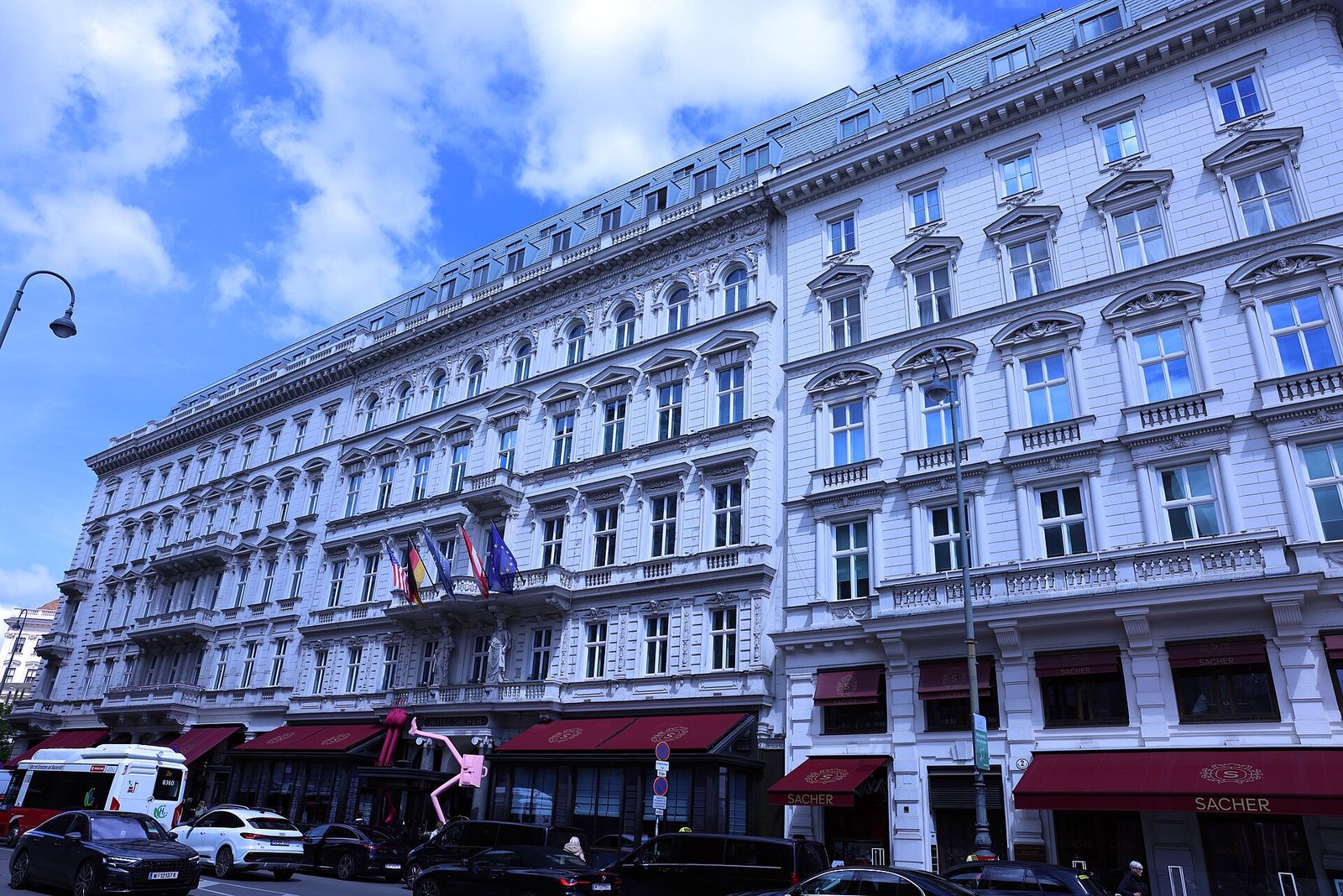
The famous chocolate cake has its own hotel and story: see our guide to Hotel Sacher.
What to book ahead
- Schönbrunn: timed tickets for the palace tours can sell out in summer and around Christmas, so book a day or more ahead.
- Concerts and opera: popular performances sell out early; standing places are limited and depend on the current system.
- Spanish Riding School: to see the Lipizzaner horses perform in the Hofburg, book well in advance.
- Big exhibitions: special shows at the major museums sometimes use timed entry.
- Accommodation: book early for the Christmas markets (roughly mid-November to late December) and the winter ball season.
Opening hours change by season, and some museums close one day a week, so check the official sites before you plan each day.
Adapting the plan
- Rain or cold: Vienna is made for bad weather. Swap the Prater for the Natural History Museum, the twin of the Kunsthistorisches across Maria-Theresien-Platz, or the Albertina, with its prints, drawings and modern collection. Winters are cold, summers can be hot.
- With children: the zoo at Schönbrunn, the maze, the Prater's rides and the Natural History Museum's dinosaurs usually work well.
- Slower pace: drop the Hundertwasserhaus and one museum, and give Schönbrunn a full day.
- December: add the Christmas markets on Rathausplatz, at Schönbrunn, at the Belvedere and on Spittelberg in the evenings.
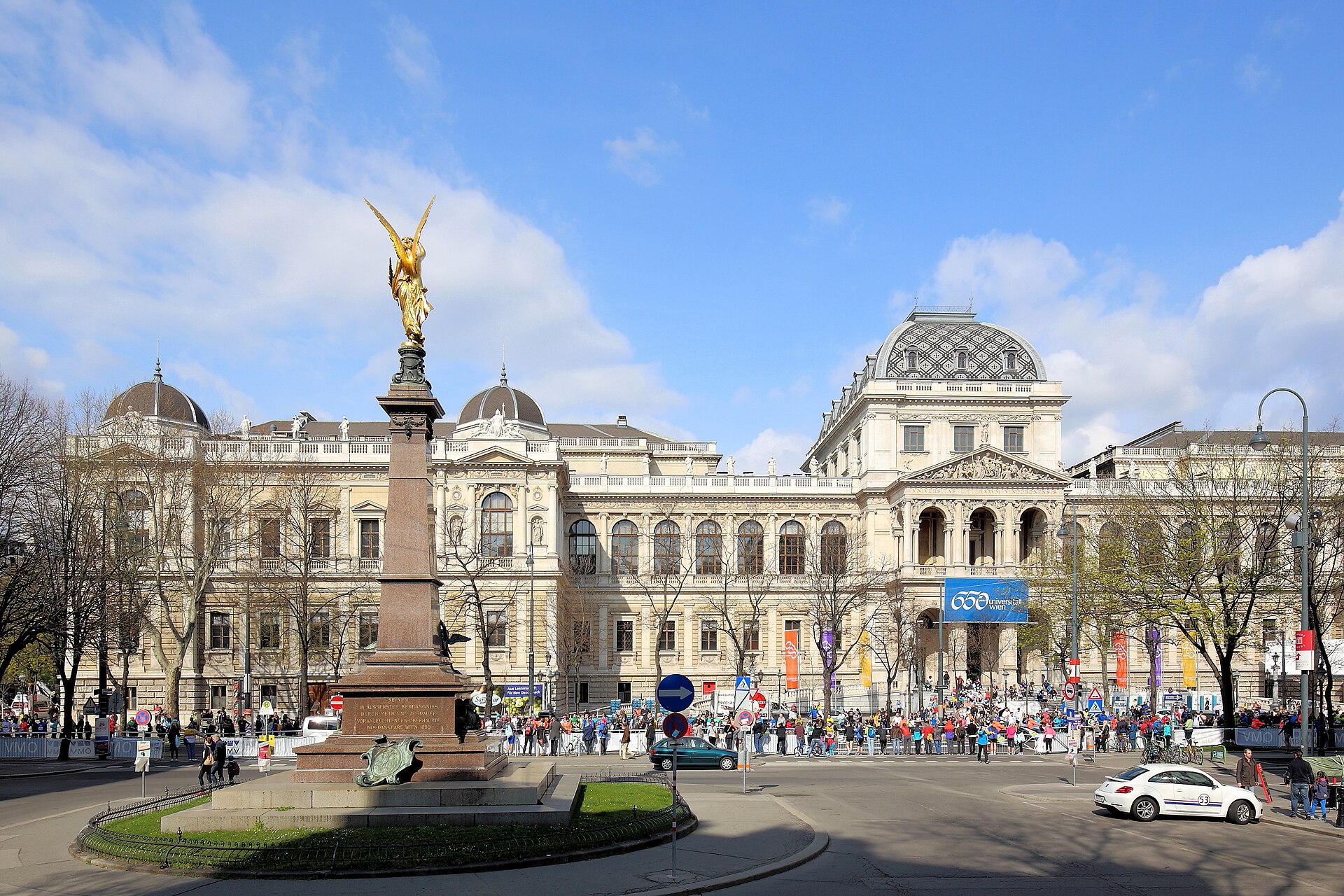
- Students and families: see our University of Vienna campus guide; its main building is on the Ring, so it fits easily into Day 1.
Practical booking tips
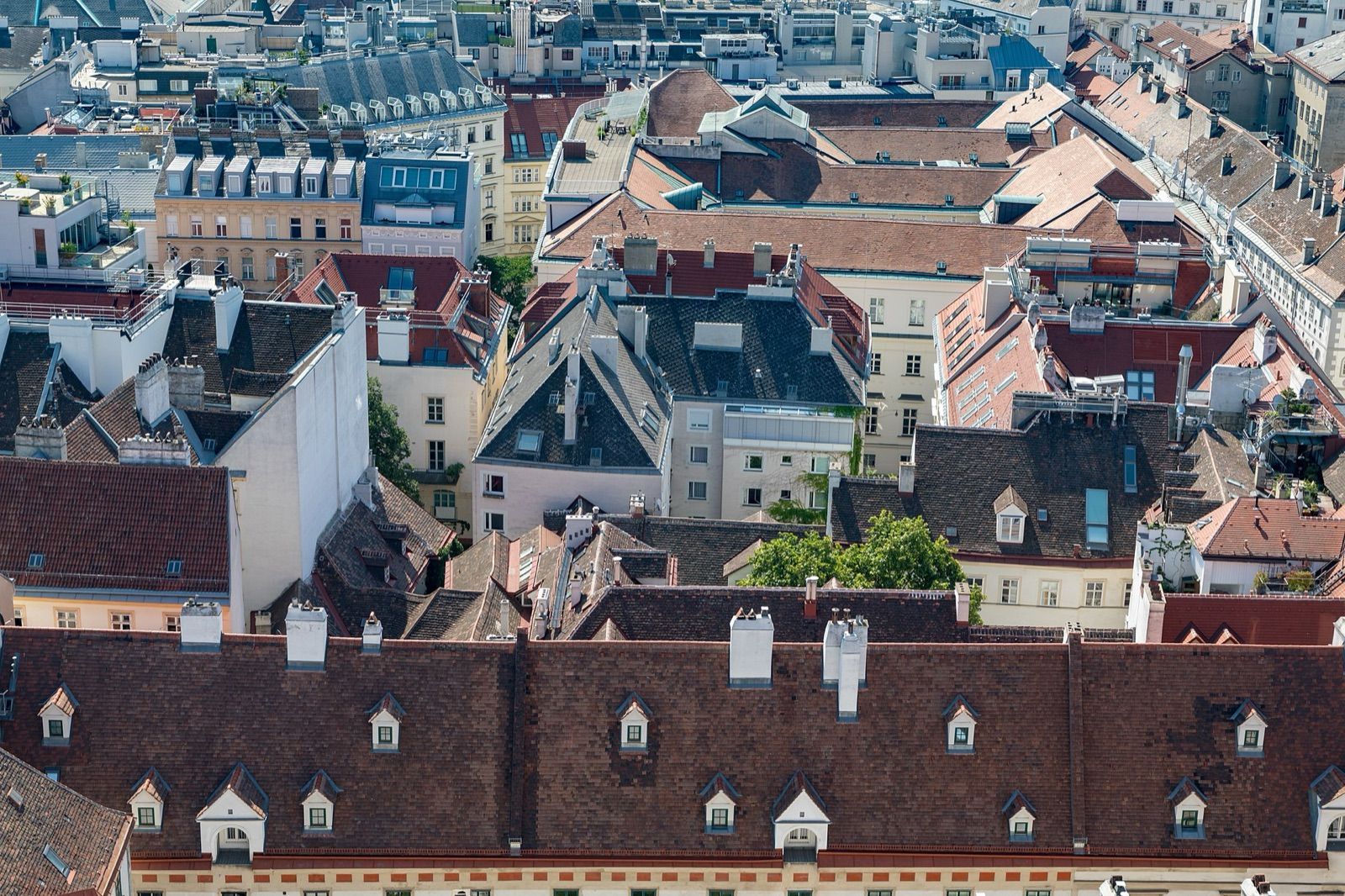
- Where to stay: the Innere Stadt is ideal for a short first visit, but Leopoldstadt, Neubau and Wieden are good value and only a few minutes away by U-Bahn. Our guide to where to stay in Vienna compares the districts.
- Getting around: U-Bahn, trams and buses share one ticket system, and day or multi-day passes are easy to buy at machines or in the official transport app. Most of the old town is best on foot.
- Airport: Vienna Airport is linked to the city by the S-Bahn and a faster airport train, plus buses; allow roughly half an hour or a little more.
- Etiquette: a "Grüß Gott" when you enter a shop or café goes a long way. In coffee houses, catch the waiter's eye to order and to pay; nobody will bring the bill unasked.
- Entry rules: Austria is part of the Schengen area, and entry requirements for some nationalities are changing, so check the current rules on official sites before you travel.
- Continuing on: Vienna, Budapest and Prague are linked by direct trains. See our Budapest in 3 days itinerary and our guide to Prague in two days.
Bloiq is reader-supported. Some links may earn us a commission; it never affects what we write. How we make money.
Cover photo: Ritter vom Hohen Fels, CC0, via Wikimedia Commons