Home / Travel / Australia · Campus tours
UNSW Sydney campus tour: Kensington, the light rail and the beaches
Visiting UNSW Sydney's Kensington campus: the Main Walkway, the Library Lawn, the Scientia, student engineering, Coogee Beach, Centennial Park and the light rail.
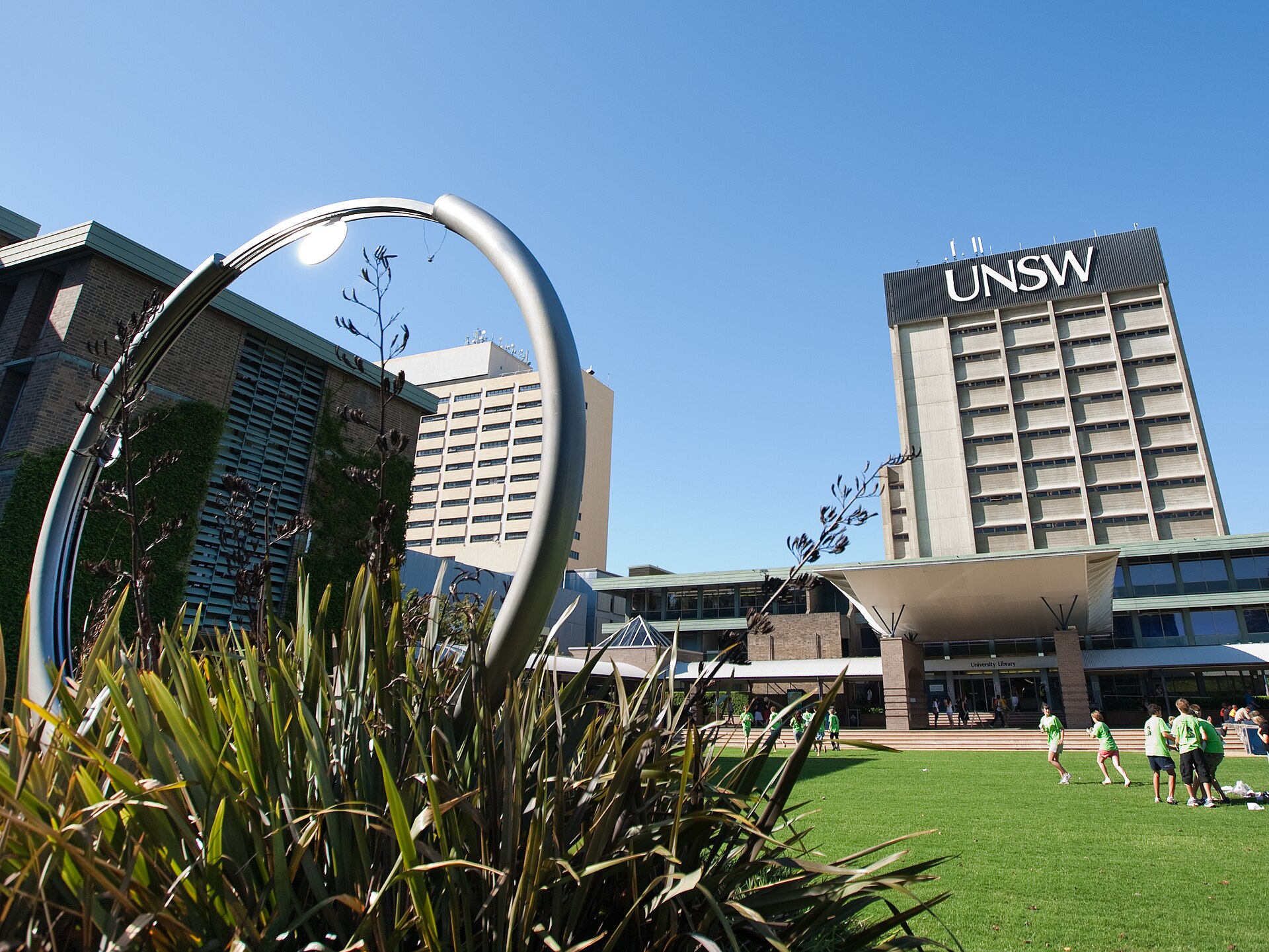
UNSW Sydney, the University of New South Wales, was founded in 1949, and its main campus is in Kensington, in Sydney's eastern suburbs. It sits between the city centre and the beaches, with Randwick on one side and Kingsford on the other. It's a big, busy campus built up a long slope, with an engineering and science tradition and a light rail line that stops at its edge. If you're planning a visit, here's what to see and how to fit it into a stay in Sydney.
Quick facts for visitors
- Where: Kensington, about 6 km south-east of the city centre.
- Getting there: light rail from the city, or buses along Anzac Parade.
- Best way to see it: walk uphill from the lower campus along the Main Walkway.
- Allow: two to three hours for the campus, more if you add Coogee or Centennial Park.
- Nearby: Randwick, Coogee Beach, Centennial Park.
The Main Walkway
The Main Walkway is the campus spine. It starts at the lower campus near Anzac Parade and runs uphill through the middle of the university, past lecture theatres, laboratories, food outlets and student services. From early morning until evening in term time it's full of people, which makes it the best place to get a feel for the scale of the university.
Walking the whole length is the simplest way to understand the layout. The lower campus holds many of the older and larger teaching buildings; as you climb, the campus opens out towards the library and the upper campus, where much of the student housing is.
The Library Lawn
At the top of the walkway, the Library Lawn is the campus meeting place. Students relax on the grass beneath the library tower, which is one of the tallest buildings on campus and easy to spot from a distance. During events and orientation the lawn fills with stalls and music; on a quiet afternoon it's simply a good spot to sit and watch the campus go by.
The Scientia and student engineering
Near the lawn, the Scientia building, with its tall, open hall, is used for ceremonies, graduations and events. It's one of the most distinctive pieces of architecture on campus.
UNSW has long been known for engineering and applied science, and much of that culture is visible through student projects. The best known is Sunswift, a student team that designs and races solar-powered cars. Other student teams work on robotics, rockets and similar projects. If you're interested in engineering, look for open-day displays or ask about student teams on a tour.
Beyond the lecture halls
UNSW has several residential colleges and university-run apartment buildings, mostly on the upper campus, so a good number of students live within a few minutes of their classes. Colleges such as Basser, Goldstein and New College each have their own communities, activities and dining arrangements. The university's accommodation pages set out the current options.
Sport and recreation facilities, including a large sports centre with a pool, are on campus. The university also has an art and design campus in Paddington, a separate site closer to the city.
Coogee, Centennial Park and Randwick
One of UNSW's biggest draws is what surrounds it.
- Coogee Beach is a short bus ride east, a sheltered beach with a coastal walk that runs north towards Bondi.
- Centennial Park lies just to the north of campus, a large expanse of lawns, ponds and cycling and horse-riding tracks.
- Randwick borders the campus to the east and north, with cafés and shops along its main streets and the racecourse nearby.
How visits work
UNSW offers campus tours for prospective students and holds an annual Open Day, when faculties run talks, labs are open and current students answer questions. Self-guided maps are usually available too. Formats, dates and booking details change, so check UNSW's official future-students and visitor pages before you make plans.
The grounds are open, so you can walk the Main Walkway and the lawns on your own. Most buildings need a student or staff card.
Getting around
- Light rail: the light rail connects campus with the city centre, Central Station and Circular Quay. The Randwick line stops at the upper campus on High Street, and the Kingsford line stops on Anzac Parade near the lower campus.
- Buses: frequent services run along Anzac Parade and to Coogee, Randwick and the city.
- From the airport: take the train from Sydney Airport to Central, then change to the light rail; a taxi or rideshare is also direct.
- Paying: Sydney's public transport accepts Opal cards and contactless bank cards. Check the current options on the official transport website.
Which area to stay in
- Randwick: next to campus, with local restaurants and a short walk to the upper campus.
- Coogee: by the beach, a short bus ride to UNSW, and a relaxed base for a few days.
- Kingsford: directly by the lower campus, with plenty of casual places to eat.
- The city centre or Surry Hills: more choice and easy access to the rest of Sydney, with a direct light rail ride to campus.
Practical tips
- Wear comfortable shoes. The walkway is a steady climb from the lower to the upper campus.
- Bring sun protection. Sydney's sun is strong year-round, even on mild days.
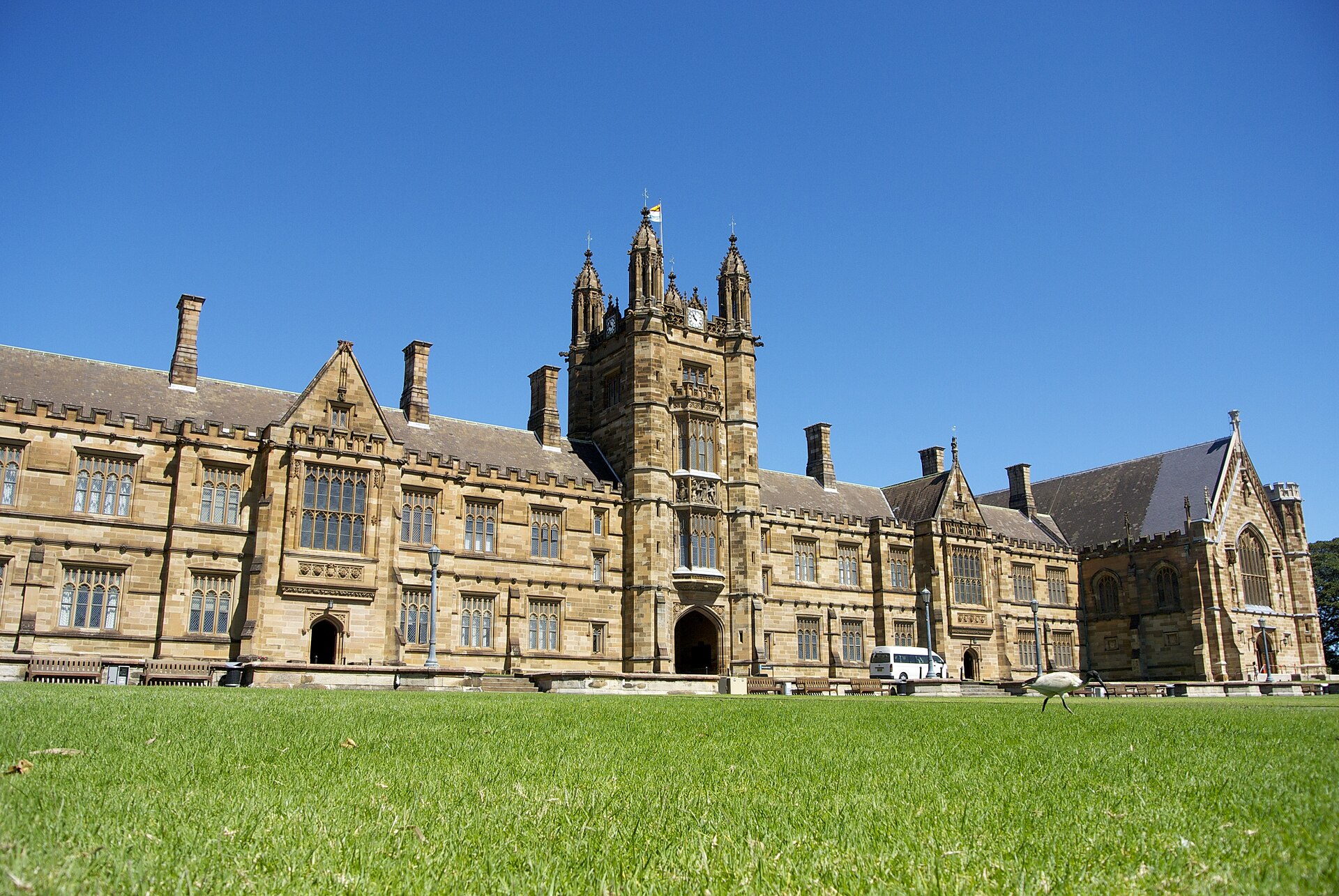
- Pair it with a second campus. The University of Sydney campus tour covers the city's oldest university, about 20 minutes away by public transport.
- Look further afield. The University of Queensland campus tour is a good contrast if you're comparing cities.
- Check before you go. Tour times and visitor rules change; UNSW's official visitor page has the current details.
Bloiq is reader-supported. Some links may earn us a commission; it never affects what we write. How we make money.
Cover photo: unsw.flickr, CC BY 2.0, via Wikimedia Commons
.jpg)