Home / Travel / Australia · Campus tours
University of Sydney campus tour: the Quadrangle, Newtown and beyond
What to see at the University of Sydney's Camperdown campus: the sandstone Quadrangle, the Great Hall, the Chau Chak Wing Museum, Victoria Park and Newtown.
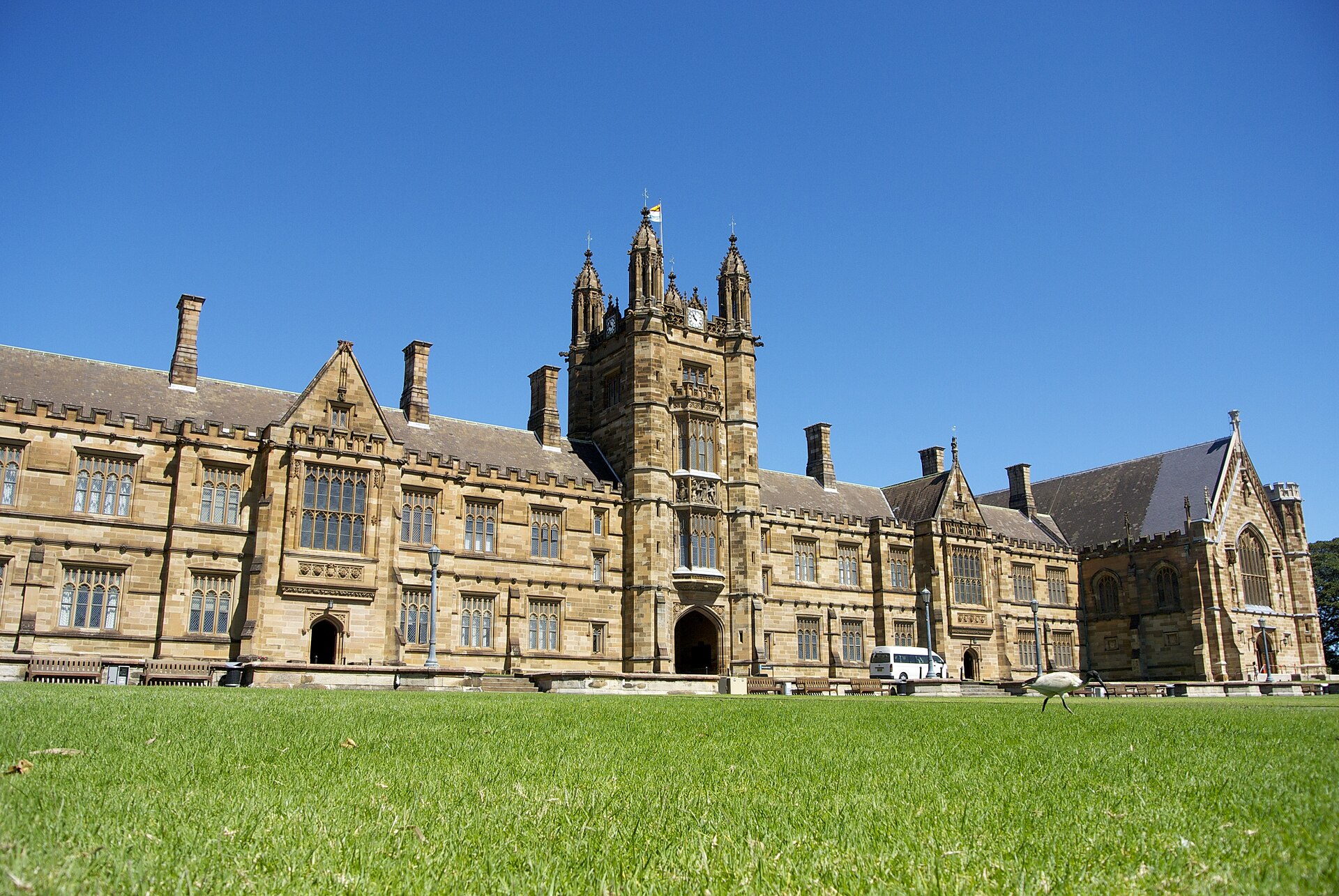
Founded in 1850, the University of Sydney is Australia's first university, and its main campus spreads across Camperdown and Darlington, just south-west of the city centre. It's a campus of two moods: Gothic sandstone around the historic Quadrangle, and busy modern precincts further south. Next door are the lawns of Victoria Park and the cafés of Newtown. Here's how to see it well on a visit.
Start at the Quadrangle
The sandstone Quadrangle, with its towers, pointed arches and cloisters, is the university's best-known image. It was designed in the Gothic Revival style in the mid-19th century and deliberately echoes the older colleges of Britain. The main entrance faces east across Victoria Park, and walking up the slope from the park towards the clock tower gives the classic first view.
Inside, the cloisters run around a lawn. In late spring, usually around October and November, a jacaranda tree in the courtyard blooms bright purple. It's one of the most photographed sights on campus, and in the flowering season it draws visitors as well as students.
The Great Hall
Part of the Quadrangle complex, the Great Hall has a hammerbeam timber roof, carved details and tall stained-glass windows. It's used for graduation ceremonies, concerts and formal events, so access depends on what's scheduled. If it's open, it's worth a look for the scale of the roof alone.
Museums and libraries
Close to the Quadrangle, the Chau Chak Wing Museum brings the university's collections together in one building. It combines antiquities, natural history, and art and cultural collections, with rotating exhibitions across several floors. It's open to the public, so it's one of the few buildings you can go inside without a student card; check its opening days before you go.
Fisher Library, the main library, sits a short walk away on Eastern Avenue, the pedestrian spine that runs north–south through the campus. Eastern Avenue is also a good route between the historic core and the more modern buildings to the south, including those for engineering, science and business.
Colleges and student housing
The university has several residential colleges on the edge of the main campus, including St Paul's, St John's, St Andrew's and the Women's College, each with its own buildings, dining and traditions. They're independent institutions affiliated with the university and run their own admissions. The university also offers its own student accommodation, and many students rent in the surrounding suburbs. If on-campus living matters to you, compare the college websites with the university's housing pages.
Victoria Park and Newtown
Victoria Park borders the campus to the east, with a pond, open lawns and a public swimming pool. It's where students cut through on the way to and from Broadway and the city.
To the south-west, Newtown's King Street is a long strip of cafés, bookshops, vintage stores, restaurants and live-music venues. It has been a favourite with students for generations and is the easiest place to get a sense of everyday life around the university. Glebe, to the north, has a quieter village feel, with its own cafés and weekend market along Glebe Point Road.
How visits work
The University of Sydney offers campus tours for prospective students and holds an annual Open Day, when faculties, services and colleges run talks and information stands across the campus. There are also self-guided options, including maps you can follow at your own pace. Formats, dates and booking arrangements change, so check the university's official future-students and visitor pages before you finalise plans.
Campus grounds are open, and you can walk through the Quadrangle and along Eastern Avenue on your own at most times. Teaching buildings generally require a student or staff card.
Getting there and getting around
- From the airport: Sydney Airport has a train link to Central Station, and from there it's a short bus ride or a walk of about 20 to 25 minutes to campus.
- By train: Redfern Station is a walk of around 10 to 15 minutes from the southern part of campus. Macdonaldtown and Newtown stations are close to the Darlington side and King Street.
- By bus: frequent buses run along Parramatta Road and City Road between the campus and the city, including from the Railway Square area near Central.
- Paying: Sydney's trains, buses, ferries and light rail accept Opal cards and contactless bank cards; check the current options on the official transport website.
Where to base yourself
- The city centre: the widest choice, close to the harbour, and a short bus ride from campus.
- Glebe: leafy, residential and within walking distance of the northern side of campus.
- Newtown: lively, full of places to eat, and next to the Darlington side of the university.
- Around Central and Haymarket: convenient for trains to the airport and buses to campus.
- Surry Hills: a food-focused inner suburb between the city and the university's east side.
Making the most of a Sydney visit
The harbour, the Opera House and the beaches are all a short trip from campus, so a university visit fits easily into a few days in the city. A few pointers:
- Allow three to four hours for the Quadrangle, the museum and a walk down Eastern Avenue, plus lunch on King Street.
- Pick your season. Late spring brings the jacaranda; summer can be hot and humid, so carry water.
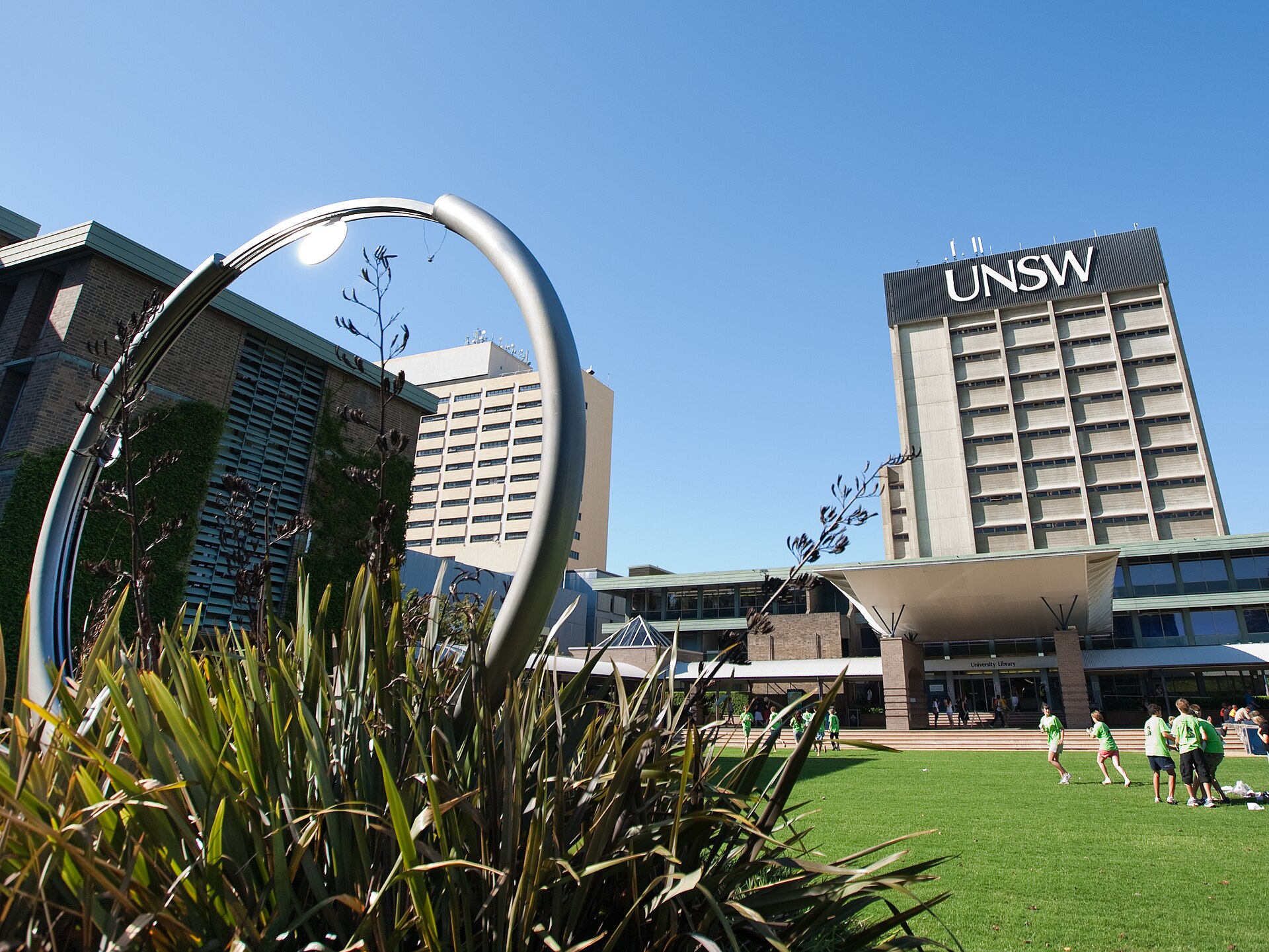
- Pair it with UNSW. The UNSW Sydney campus tour covers the other big campus in the city, in Kensington, near the eastern beaches.
- Compare further afield. The University of Melbourne campus tour is a good contrast if you're weighing up cities.
- Check before you go. Tour times and visitor rules change; the university's official visitor page has the current details.
Bloiq is reader-supported. Some links may earn us a commission; it never affects what we write. How we make money.
Cover photo: Jason Tong, CC BY-SA 3.0, via Wikimedia Commons