Home / Travel / France · Itineraries
Paris in a week: a 7-day itinerary with Versailles and Giverny
Seven relaxed days in Paris: the classic sights, the Left Bank, Montmartre and the Marais, plus day trips to Versailles and Monet's garden at Giverny.
This guide contains affiliate links, marked as such. If you book through them, Bloiq may earn a commission at no extra cost to you.
A week in Paris changes the kind of trip you can have. There's time for the famous landmarks, for neighbourhoods that shorter visits skip, and for a day or two outside the city, without rushing any of it. This plan uses seven days: two for the classics, one each for the Left Bank, Montmartre and the Marais, two day trips, and a final day kept free.
If you have only three days, our Paris in 3 days itinerary packs the essentials into a tighter plan, and Paris in one day covers a single walking route. This week-long version is slower and adds Versailles and Giverny.
Days 1–2: the classics
Day 1. Begin on the Île de la Cité. Notre-Dame has reopened after its restoration and entry is free; Sainte-Chapelle, a few minutes away, is at its best on a sunny morning, when its stained glass lights up. In the afternoon, cross to the Louvre and choose one or two wings rather than trying to see everything, then walk through the Tuileries Garden.
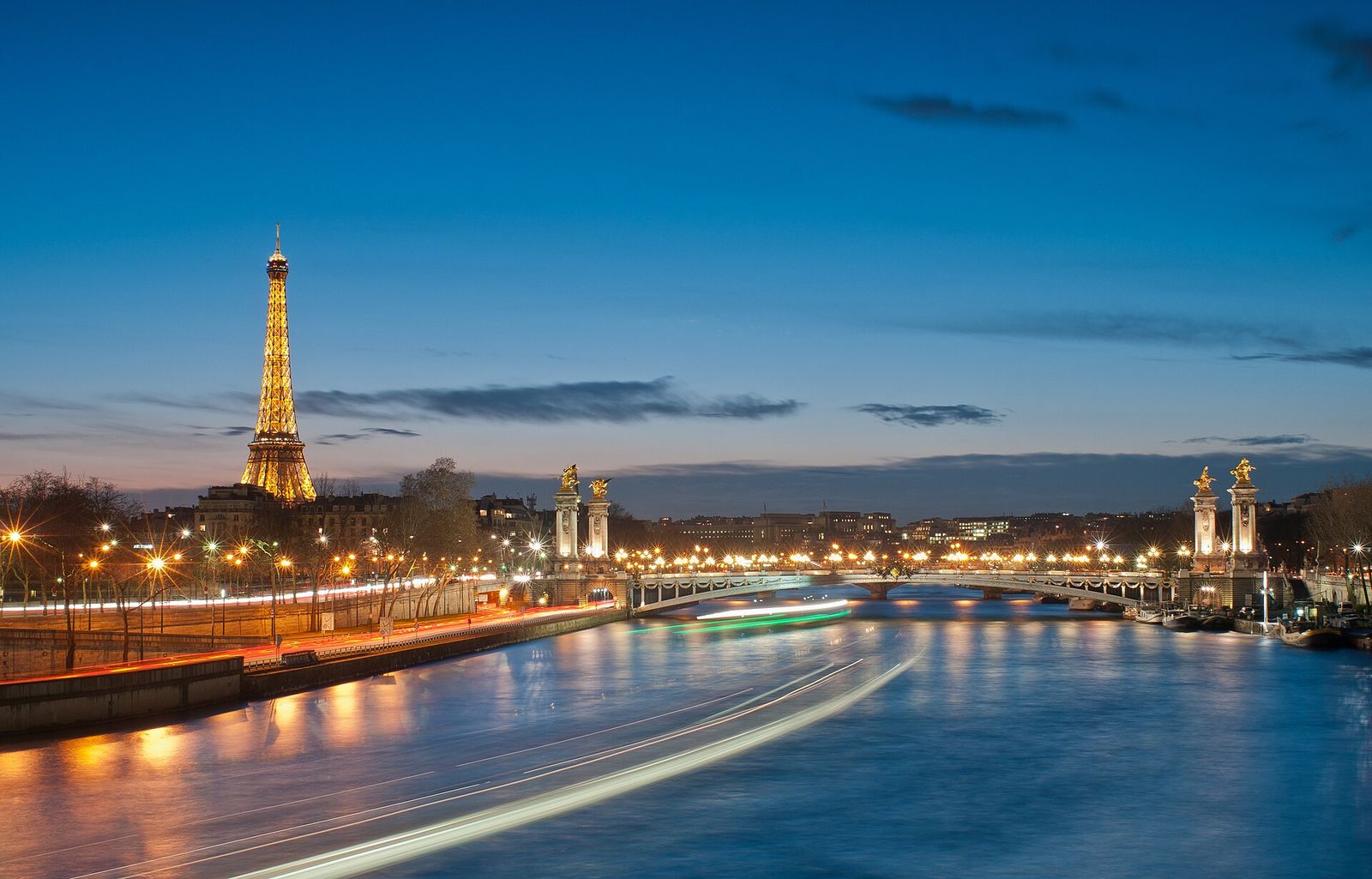
Day 2. Walk or take the métro to the Champs-Élysées and climb the Arc de Triomphe for the view down the avenues. Spend the afternoon in a quieter corner nearby (the Parc Monceau or the Palais de Tokyo area), and finish at the Eiffel Tower. After dark it sparkles for a few minutes at the start of each hour.
Day 3: the Musée d'Orsay and Saint-Germain
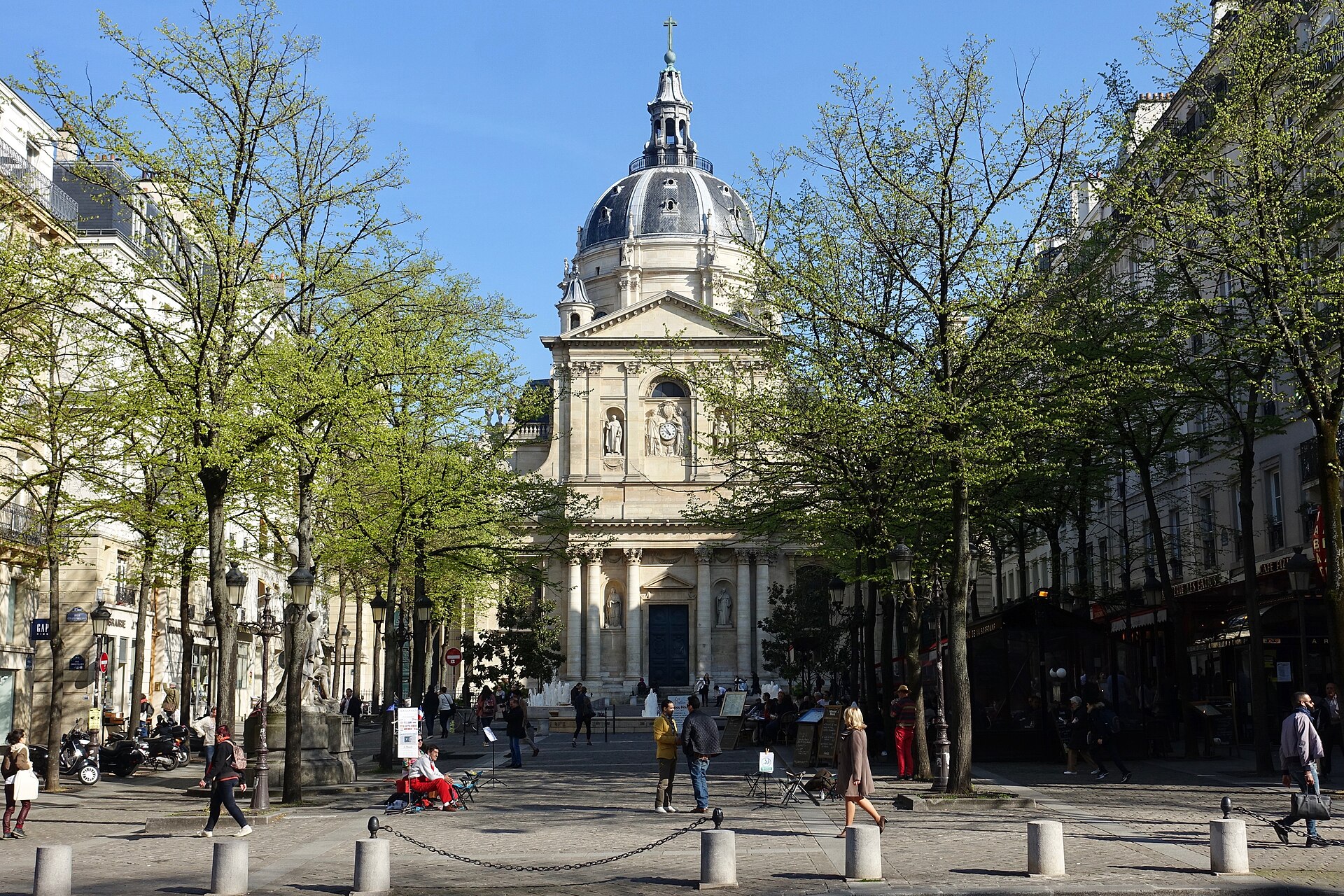
The Musée d'Orsay, in a former railway station on the Left Bank, holds the great Impressionist collection: Monet, Renoir, Degas and Van Gogh among many others. Go early, then drift through the cafés and bookshops of Saint-Germain-des-Prés to the Luxembourg Gardens. The Latin Quarter and the Panthéon are a short walk further if you still have energy.
Day 4: Versailles
The palace is under an hour from central Paris on the RER C to Versailles Château Rive Gauche; trains from Saint-Lazare and Montparnasse also serve the town. Arrive for opening, see the Hall of Mirrors and the State Apartments first, while they're least crowded, and spend the afternoon in the gardens, the Trianon palaces and the Queen's Hamlet. The gardens alone deserve several hours. The palace is closed on Mondays.
Day 5: Montmartre and the Marais
Spend the morning in Montmartre: climb to the Sacré-Cœur for the view, then wander the village streets around the Place du Tertre before the crowds arrive. In the afternoon, take the métro to the Marais. Start at the Place des Vosges, the oldest planned square in Paris, then explore the lanes, small museums, galleries and bakeries around it. The Marais stays lively on Sunday, when much of Paris is quiet.
Day 6: Giverny
Claude Monet lived and painted in Giverny, in Normandy, for more than forty years. His house, the flower garden and the water-lily pond with its Japanese bridge are open only from spring to autumn, so check the season before planning this day. Take a train from Saint-Lazare to Vernon (around 45 minutes), then a shuttle bus that meets the trains, or walk or cycle the few kilometres to the village. Allow most of the day, including a walk through the village.
Day 7: your own pace
Keep the last day for what you missed or want to repeat. Good options include Monet's giant Water Lilies murals at the Musée de l'Orangerie in the Tuileries, the Canal Saint-Martin with its iron footbridges and locks, the Père Lachaise cemetery, or a market morning. End with an evening boat on the Seine to see the monuments lit up.
Plan around closing days
Weekly closures matter more on a long trip. The Louvre and the Orangerie close on Tuesdays, while the Orsay and Versailles close on Mondays, so don't schedule Versailles or the Orsay day for a Monday, or the Louvre for a Tuesday. Check each site's current hours before you go.
What to book ahead
- Timed tickets for the Louvre, Sainte-Chapelle, Versailles and the Eiffel Tower summit often sell out in busy months.
- Giverny can be busy at weekends in late spring; book entry in advance if you can.
- A museum pass can make sense over a week that includes the Louvre, Orsay, the Arc de Triomphe and Versailles. Compare it with single tickets for your own plan, and note that many sites still need a reserved time slot.
Adapting the plan
- Rain: swap a day trip with a museum day; the Orsay, the Orangerie and the covered passages of the 2nd arrondissement all work well.
- With children: the Luxembourg Gardens' playground and the Jardin d'Acclimatation are good breaks; keep Versailles to the gardens and one wing.
- Other day trips: Fontainebleau, Chantilly, Reims or Chartres can replace Giverny, especially in winter. Our guide to day trips from Paris compares them.
Where to stay and getting around
With a week, one central base is enough. Saint-Germain, the Marais or the Latin Quarter all put most of this plan within walking distance, and the Saint-Michel Notre-Dame station, on the RER B and C, is useful for Versailles and the airports. Our guide to where to stay in Paris compares these areas in detail.
Within Paris, the métro is quick and frequent, and walking between neighbouring areas is often just as fast. For both day trips, check train times the day before and buy tickets in advance or at the station.
Practical booking tips
- Look for a room near a métro or RER station rather than a specific landmark.
- Paris hotel rooms are often small; check the room size if you're travelling with large luggage.
- Paris charges a per-person, per-night tourist tax, usually paid at the hotel. Check the current rate when you book.
Bloiq is reader-supported. Some links may earn us a commission; it never affects what we write. How we make money.
Cover photo: Maksim Sokolov (maxergon.com), CC BY-SA 4.0, via Wikimedia Commons