Home / Travel / France · Where to stay
Where to stay in Paris: the arrondissements and areas compared
Le Marais, Saint-Germain, the Latin Quarter, Montmartre and more: how the main areas of Paris differ, who each suits, and how to get around once you're there.
This guide contains affiliate links, marked as such. If you book through them, Bloiq may earn a commission at no extra cost to you.
Paris is divided into 20 numbered arrondissements that spiral outwards from the centre like a snail shell, starting with the 1st around the Louvre. The metro makes almost anywhere reachable, but the area you stay in still decides what your evenings feel like, how much you walk and how much you pay. Here's how the most popular bases compare.
The quick answer
- First visit, want to walk to the big sights: the Louvre and 1st, or Saint-Germain.
- Atmosphere, shops and nightlife in one: Le Marais.
- Classic Left Bank cafés and elegance: Saint-Germain-des-Prés.
- Lively, historic and a little cheaper: the Latin Quarter.
- Village feel and views: Montmartre.
- Transport links and department stores: Opéra and the 9th.
- Young, local and bar-filled: Canal Saint-Martin.
- Quiet, residential and near the Eiffel Tower: the 7th.
Right Bank and Left Bank
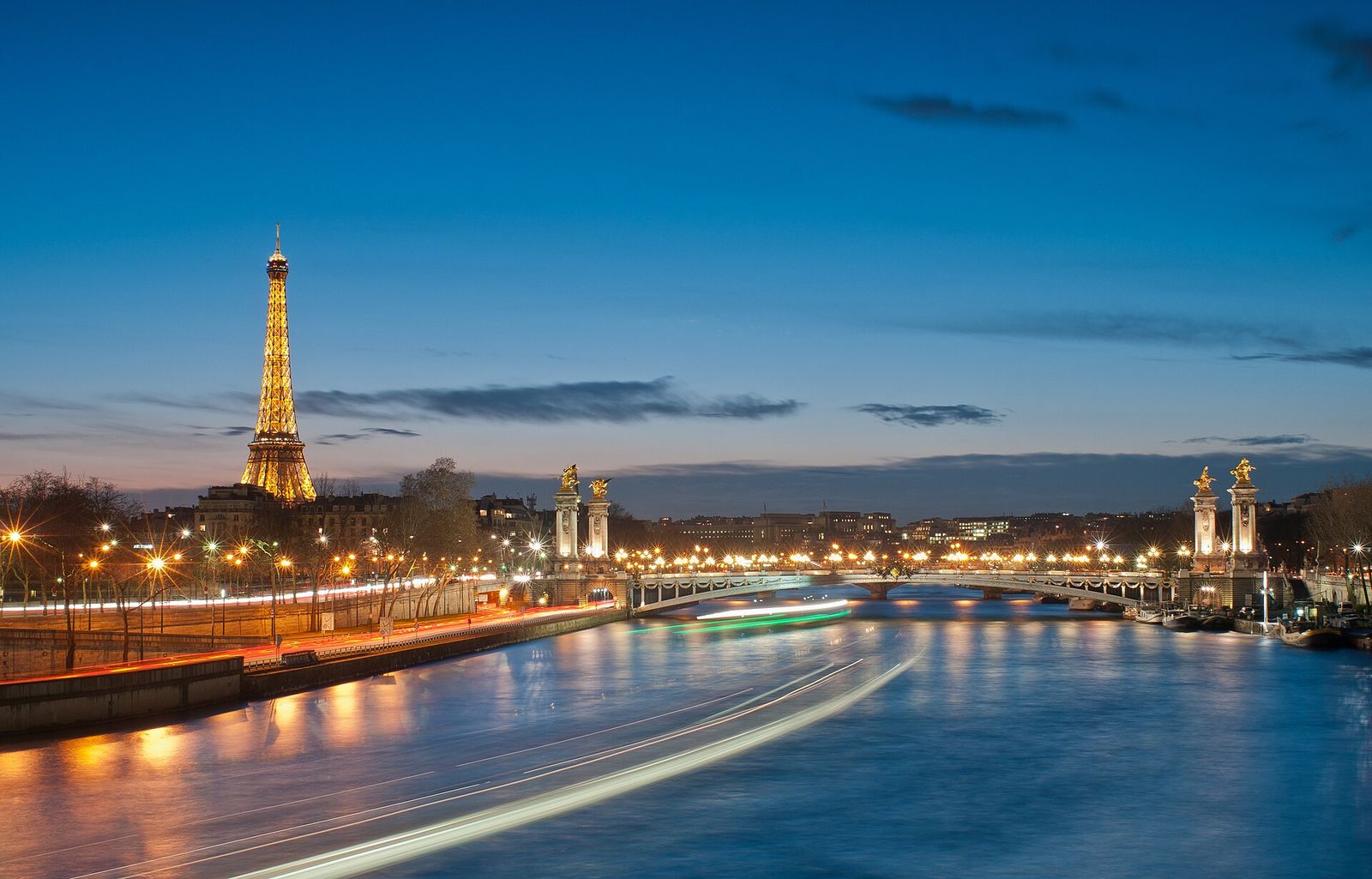
The Seine divides the city. The Right Bank (Rive Droite), to the north, holds the Louvre, the Marais, the grand boulevards and Montmartre, and is generally busier and more commercial. The Left Bank (Rive Gauche), to the south, is associated with the Latin Quarter, Saint-Germain and the Eiffel Tower, and has a slightly calmer, more literary reputation. Both are well served by the metro, and the central bridges are an easy walk.
Le Marais (3rd and 4th)
One of the few districts that largely escaped the 19th-century rebuilding of Paris, the Marais has narrow streets, aristocratic mansions (hôtels particuliers), the arcaded Place des Vosges and many small museums. It is the city's historic Jewish quarter, a centre of LGBTQ+ life, and one of its best areas for independent shops, many of which open on Sundays.
Good for: couples, first-timers who want character, and anyone who likes to eat and drink out. Consider: it's crowded at weekends, buildings are old and rooms are often small, and streets with bars can be noisy late.
Saint-Germain-des-Prés (6th)
The Left Bank of cafés, galleries, bookshops and fashion boutiques, with the Luxembourg Gardens on its southern edge and the Louvre across the river. It feels polished and grown-up, and it's central enough to walk to most major sights.
Good for: couples, culture lovers and travellers who want a classic Paris base. Consider: it's one of the most expensive areas, and it's more refined than lively at night.
The Latin Quarter (5th)
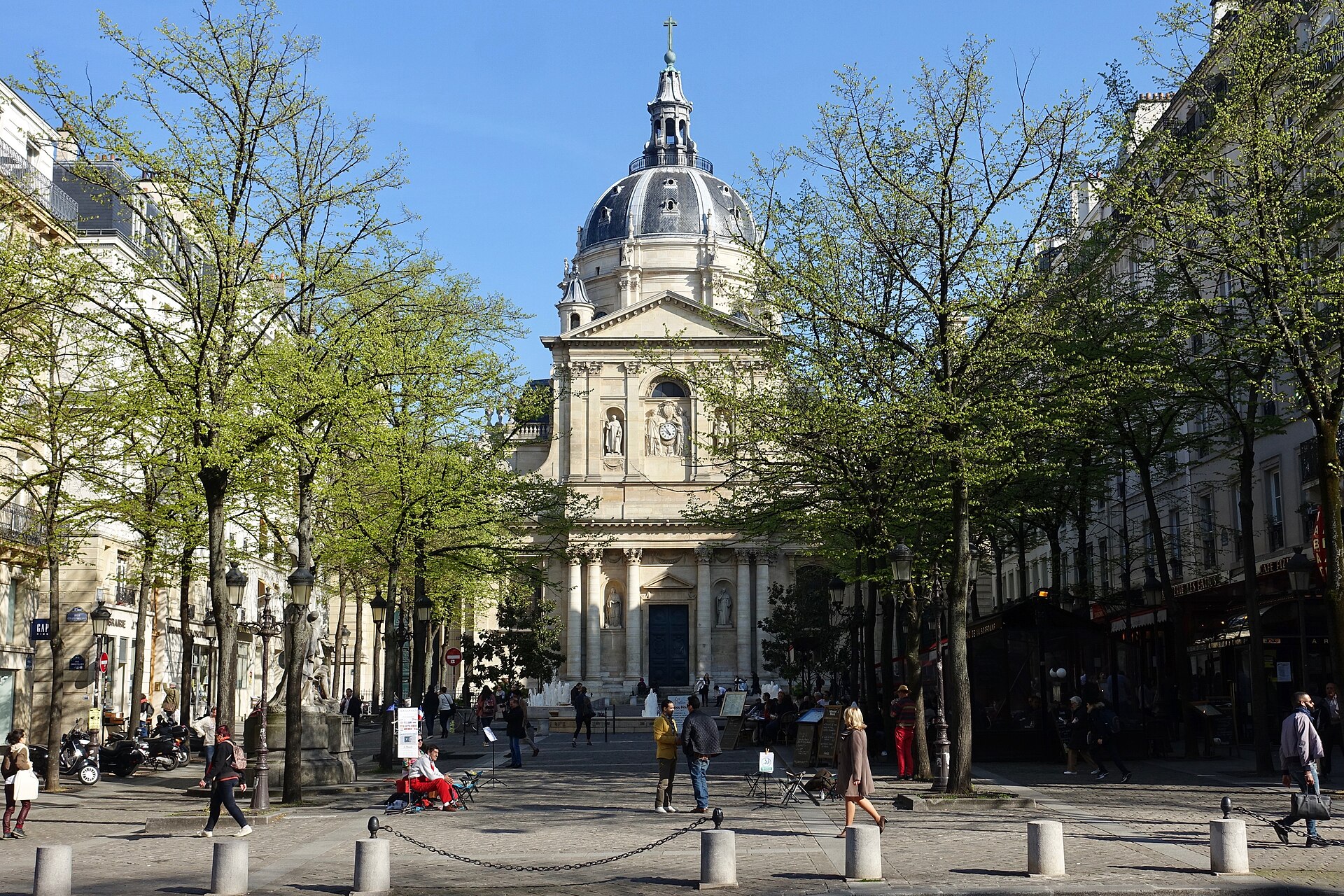
Named after the Latin once spoken by its students, the 5th is home to the Sorbonne, the Panthéon, the Jardin des Plantes and the market street of rue Mouffetard. It sits right across the river from Notre-Dame.
Good for: budget-conscious travellers, students and families who want to be central. Consider: the streets immediately around Saint-Michel are packed with tourist restaurants; the quieter parts are further up the hill towards the Panthéon.
The Louvre and the 1st
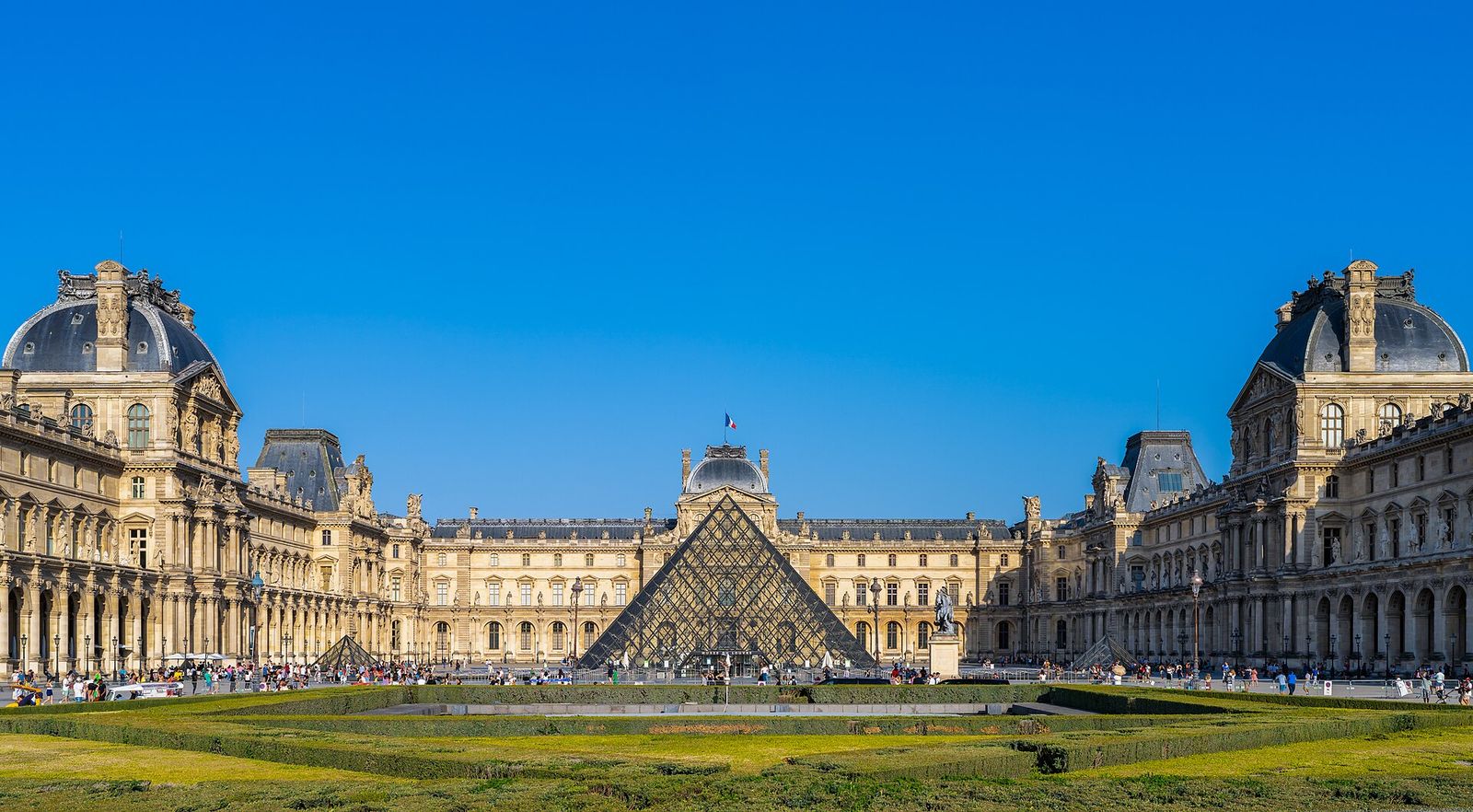
The geographical heart of Paris covers the Louvre, the Tuileries Garden, the Palais-Royal and the start of the grand shopping streets. You can walk to the Seine, the Marais and Saint-Germain, and many metro lines converge at Châtelet.
Good for: short first visits where time matters most. Consider: it's expensive and can feel empty after the shops and offices close. The area around Châtelet and Les Halles is a major transport hub and very busy.
Montmartre (18th)
The hilltop village of the Sacré-Cœur basilica, the Place du Tertre artists' square and steep, winding streets with views over the city. Away from the main tourist paths, it feels residential and relaxed.
Good for: repeat visitors, photographers and those who want a neighbourhood feel. Consider: stairs and slopes everywhere, and a 20–30 minute metro ride to the central sights. The streets around Pigalle and the boulevard de Clichy at the foot of the hill are busier with nightlife and feel less relaxed late at night.
Opéra and the 9th
Around the Palais Garnier opera house are the big department stores, theatres and many business hotels. North of the grand boulevards, the area known as South Pigalle (SoPi) has become a lively area for restaurants and cocktail bars.
Good for: shopping, efficient transport and travellers who want larger, more conventional hotels. Consider: the boulevards are busy with traffic and shoppers, and the area is less picturesque than the historic quarters.
Canal Saint-Martin (10th)
Iron footbridges, tree-lined quays and locks give this canal its charm, and it's lined with cafés, bars and independent shops popular with young Parisians. Gare du Nord and Gare de l'Est, useful for trains to London, Brussels and eastern France, are close by.
Good for: younger travellers and anyone who wants a local rather than touristy base. Consider: the streets right around the two big stations can feel rough, especially at night, so check the exact location.
The Eiffel Tower and the 7th
Wide avenues, grand apartment buildings, government ministries and museums including the Musée d'Orsay, the Musée Rodin and Les Invalides. The rue Cler area has food shops and cafés with a neighbourhood feel.
Good for: families, older travellers and anyone who prefers quiet evenings. Consider: it's upmarket and calm at night, and you'll travel to reach nightlife and the eastern half of the city.
Getting around
- Métro and RER: the metro network is dense, with a station within a few minutes' walk of almost anywhere in the centre. The RER suburban trains cross the city faster, with fewer stops. Paper tickets have largely been replaced by a rechargeable Navigo Easy card or mobile ticketing; check current fare options when you arrive.
- From Charles de Gaulle airport: RER B runs to Gare du Nord, Châtelet–Les Halles and Saint-Michel, and there are airport buses and taxis. Airport journeys need a specific ticket.
- From Orly: metro line 14 now runs from Orly into the centre, alongside buses and taxis.
- Buses and bikes: buses are a good way to see the city above ground, and the Vélib' bike-share scheme and extensive bike lanes make cycling practical.
- Walking: central Paris is compact. Walking from the Marais to Saint-Germain, via the islands, takes about half an hour.
Practical tips before you book
- Expect small rooms and small lifts. Many buildings are old, and a lift that fits one person and a suitcase is common. Check whether there's a lift at all if you're on an upper floor.
- Air conditioning isn't universal, and summer heatwaves have become more frequent. Look for it if you're travelling between June and September.
- Street-facing versus courtyard rooms: courtyard rooms are usually quieter.
- Tourist tax: Paris charges a per-person, per-night tourist tax that depends on the type and category of accommodation. It's usually collected by the host; check the current rate.
- Holiday apartments in Paris must display a registration number. Being registered doesn't guarantee quality, but a listing without one is a warning sign.
- Pickpockets operate around major sights and on busy metro lines. Keep phones and wallets zipped away.
- August is when many Parisians go on holiday, so some independent restaurants and shops close for part of the month.
For a first visit, the Marais, Saint-Germain or the 1st put the most within walking distance. On a return trip, Montmartre, Canal Saint-Martin or the 7th show you a different side of the city.
Bloiq is reader-supported. Some links may earn us a commission; it never affects what we write. How we make money.
Cover photo: Vinceesq, CC BY-SA 3.0, via Wikimedia Commons