Home / Travel / France · Itineraries
Paris in 3 days: a first-timer's itinerary, grouped by area
A realistic three-day Paris plan: the islands and Left Bank, the Louvre to the Eiffel Tower, then Montmartre and the Marais, plus what to book ahead.
This guide contains affiliate links, marked as such. If you book through them, Bloiq may earn a commission at no extra cost to you.
Three days won't cover Paris, but it's enough to see its great landmarks, walk its best neighbourhoods and still sit in a café without checking the time. The trick is to group sights by area, because crossing the city several times a day eats hours on the métro. This plan does one part of the city per day and keeps each day to one major museum at most.
It suits first-time visitors with a moderate pace. For choosing a base, see our guide to where to stay in Paris; anywhere central on the métro works well for this itinerary.
How the plan is organised
- Day 1: the islands, the Latin Quarter and Saint-Germain (Left Bank and the heart of the city).
- Day 2: the Louvre, the Tuileries and the grand axis to the Arc de Triomphe, ending at the Eiffel Tower.
- Day 3: Montmartre in the morning, the Marais in the afternoon.
Most of each day is walkable, with one or two métro rides. If you arrive mid-afternoon on your first day, a walk along the Seine at dusk is the ideal introduction.
Day 1: the islands, Latin Quarter and Saint-Germain
Morning. Begin on the Île de la Cité, the island where Paris began. Notre-Dame reopened in December 2024 after the restoration that followed the 2019 fire, and its interior is brighter now than it has been for generations. Nearby, Sainte-Chapelle is a 13th-century royal chapel whose upper level is walled almost entirely in stained glass; go on a sunny morning if you can. The Conciergerie, the former royal palace and revolutionary prison, is next door.
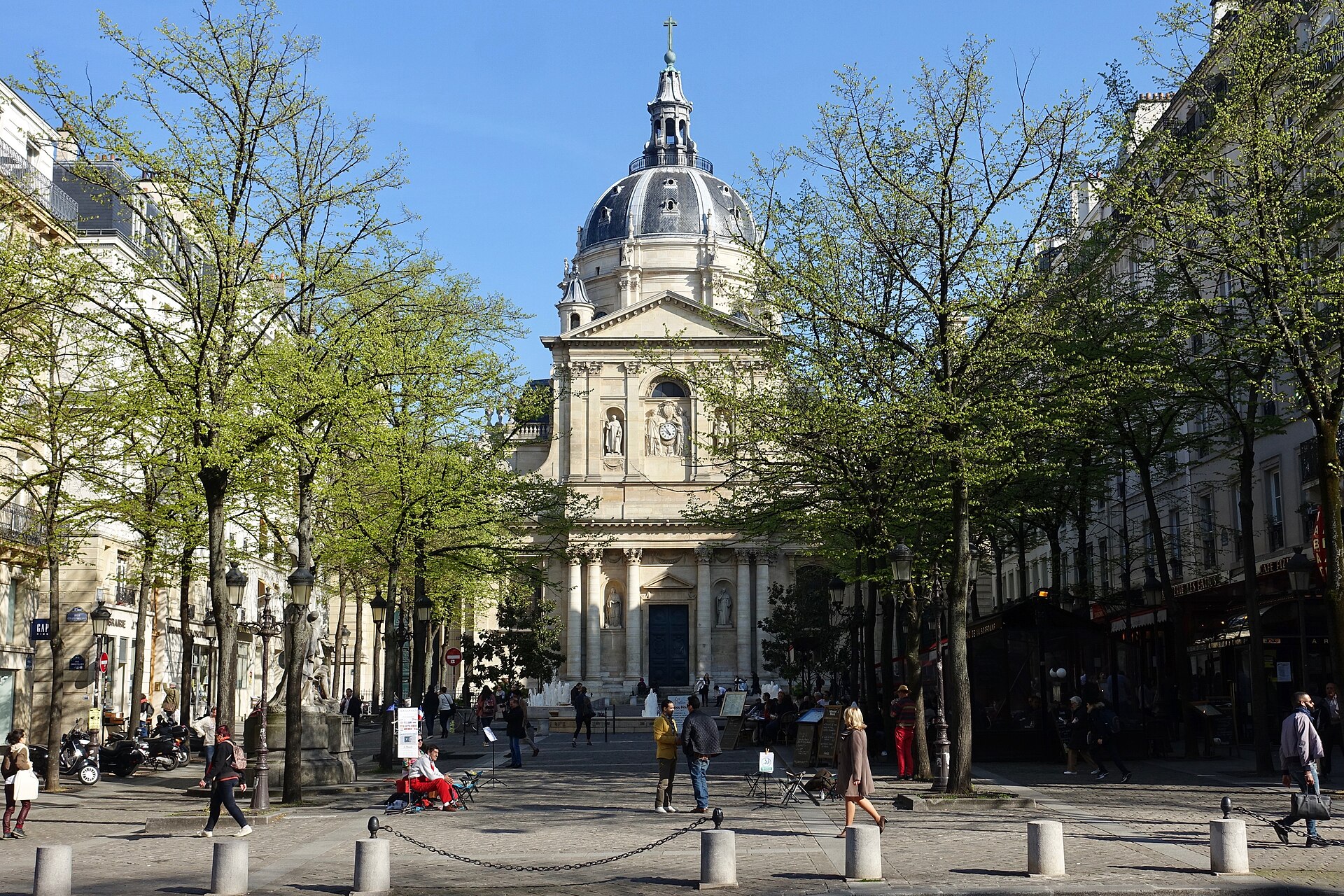
Afternoon. Cross to the Left Bank and wander the Latin Quarter, the old university district around the Sorbonne. Climb to the Panthéon, the domed resting place of figures such as Voltaire, Victor Hugo and Marie Curie, then walk down to the Jardin du Luxembourg, the city's most elegant park. Continue into Saint-Germain-des-Prés, with its ancient abbey church, bookshops and famous cafés.
Evening. Walk back along the river, past the bookstalls (bouquinistes) on the quays, and cross the Pont Neuf, the oldest standing bridge in Paris despite its name. A river cruise at dusk is a classic first-night choice; many leave from near the Eiffel Tower and the Pont Neuf.
Day 2: the Louvre to the Eiffel Tower
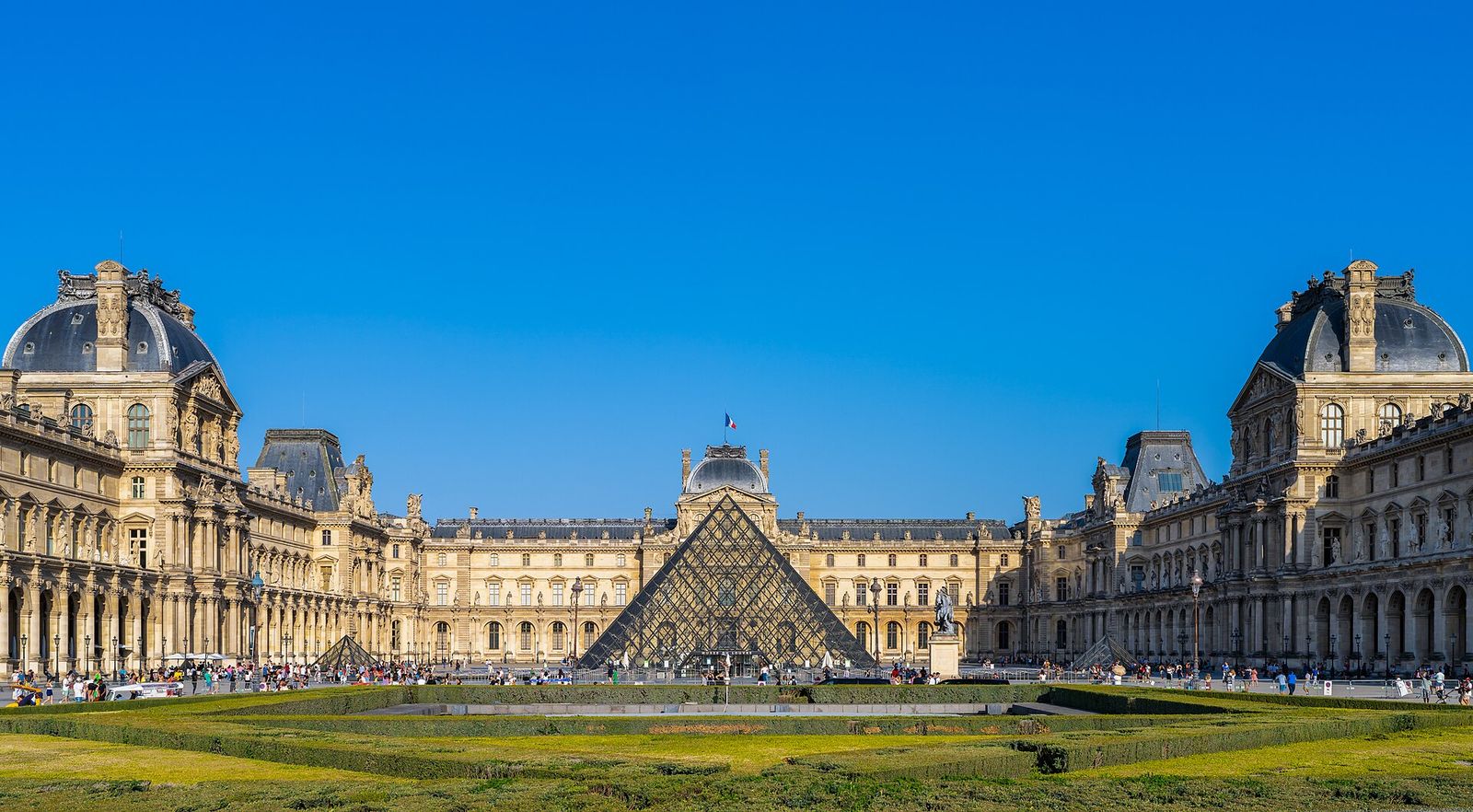
Morning. The Louvre is the world's most visited museum, and it's too large to see in one visit. Choose two or three wings in advance, such as Italian painting (with the Mona Lisa), Greek and Roman sculpture, or the apartments of Napoleon III, and accept that you'll return another time. Arrive for your timed entry slot and allow three hours.
Afternoon. Walk through the Jardin des Tuileries. At its western end, the small Musée de l'Orangerie holds Monet's huge Water Lilies panels in two oval rooms, an easy hour if you still have museum energy. Cross Place de la Concorde and walk up the Champs-Élysées to the Arc de Triomphe, whose roof terrace gives one of the best views of the city's radiating avenues. Alternatively, if you prefer Impressionist painting to sculpture, swap the Louvre for the Musée d'Orsay, across the river in a former railway station.
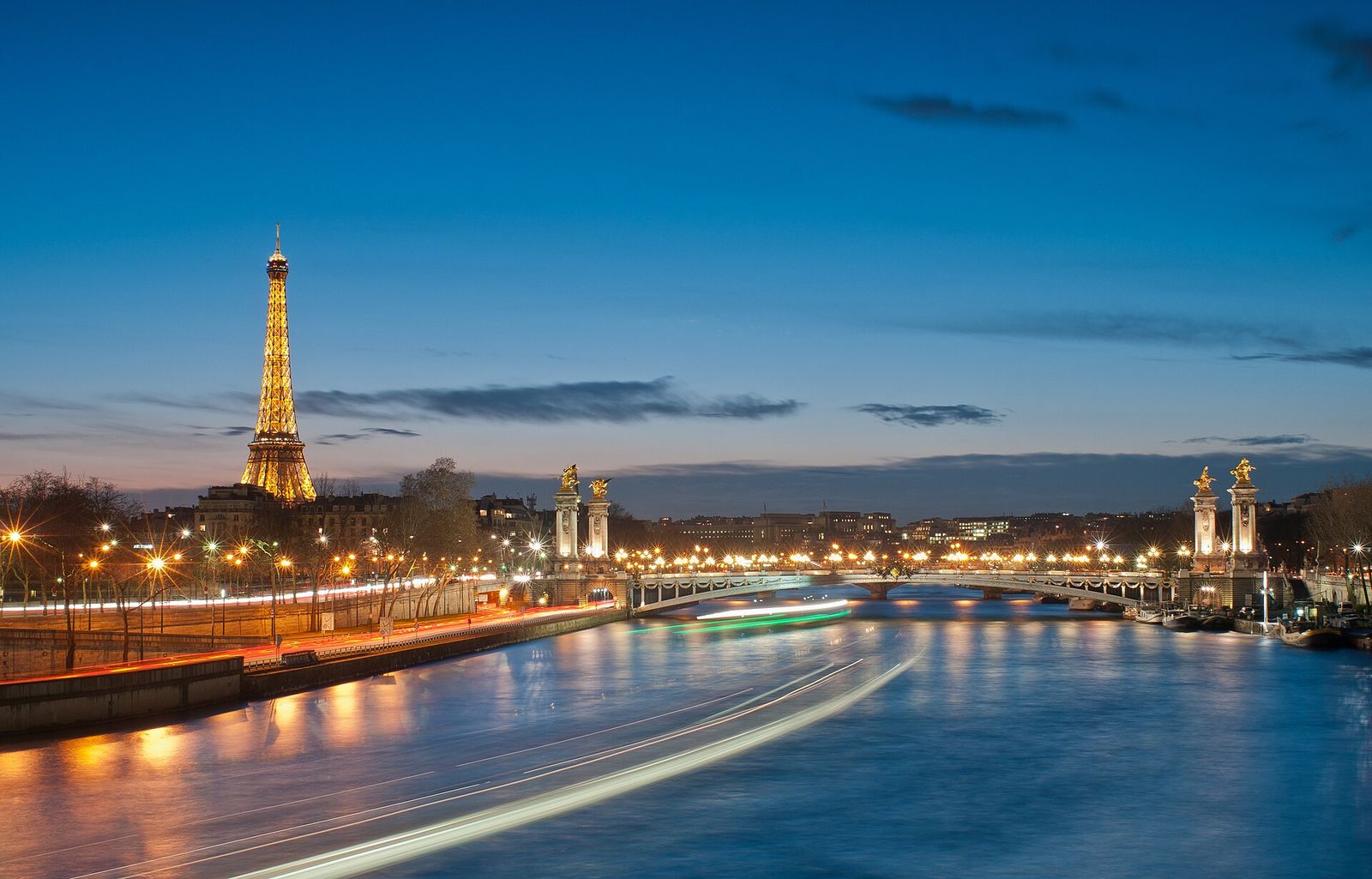
Evening. Head to the Eiffel Tower. The view from the Trocadéro terraces across the river is the classic one, and after dark the tower sparkles for a few minutes at the start of each hour. Going up is best at sunset, but those slots are the most in demand.
Day 3: Montmartre and the Marais
Morning. Take the métro north to Montmartre and climb (or ride the funicular) to the Sacré-Cœur basilica, whose steps overlook the whole city. Arrive early, before the tour groups, and wander the village-like streets behind it, including Place du Tertre with its painters, the vineyard and the quieter lanes on the northern slope.
Afternoon. Cross to the Marais, one of the few parts of central Paris that survived the 19th-century rebuilding largely intact. Its mansions (hôtels particuliers) now hold museums, including the Musée Carnavalet, devoted to the history of Paris, and the Musée Picasso. Place des Vosges, the oldest planned square in the city, is the neighbourhood's centrepiece. The Marais is also a historic Jewish quarter and one of the city's liveliest areas for small shops and galleries.
Evening. Stay in the Marais or head to the Canal Saint-Martin, where locals gather along the water on warm evenings.
What to book ahead
Paris is busy all year, and the most popular sights have moved to timed entry. Plan these before you travel:
- Louvre: timed tickets are strongly recommended, and often required; slots sell out in busy periods.
- Eiffel Tower: tickets for the lift to the top sell out weeks ahead in summer. Buy on the official site; if you miss out, stair tickets to the second floor are sometimes still available.
- Sainte-Chapelle and the Musée d'Orsay: timed tickets save queuing.
- Notre-Dame: entry is free, and a free timed reservation system has been offered to shorten the wait; check the official site for current arrangements.
- Weekly closures: the Louvre and several other museums close on Tuesdays, while the Musée d'Orsay closes on Mondays. Check each one before fixing your days.
A museum pass covering many of the city's museums and monuments is available. It can save money and ticket-buying time if you visit several a day, but it doesn't always include a timed slot, so check whether you still need to reserve.
Rule of thumb: one big museum per day. After three hours in the Louvre, most people get more from a park and a café than from a second collection.
Adapting the plan
- Rain: swap outdoor walks for covered arcades (passages couverts) in the 2nd arrondissement, the Musée d'Orsay, or the Carnavalet. Rainy weekdays are also a good time for the Louvre.
- With children: the Jardin du Luxembourg has a playground, puppet theatre and toy boats on the pond. The Cité des Sciences et de l'Industrie at La Villette and the natural history galleries in the Jardin des Plantes are strong alternatives to art museums.
- Slower pace: drop the Arc de Triomphe and Montmartre's climb, and spend more time on the islands and in the Marais, which are flat and central.
- Four days or more: add a day trip. Our guide to day trips from Paris compares Versailles, Giverny, Fontainebleau and Reims.
Practical booking tips
- Getting around: the métro is dense and quick. Paris has been moving from paper tickets to rechargeable cards and mobile tickets, and the fare system has been simplified recently; check the current options on the official transport site when you arrive.
- Pickpockets: be careful on crowded métro lines, at the Eiffel Tower, around Sacré-Cœur and in the Louvre. Ignore petition signers and anyone offering "free" string bracelets.
- Sundays and August: many shops close on Sundays except in the Marais and a few tourist areas, and some small restaurants close for part of August.
- Tourist tax: a per-person, per-night tax is added to accommodation bills; check the current rate when you book.
- Base: staying central keeps each day's start short. Our where to stay in Paris guide compares the arrondissements.
Bloiq is reader-supported. Some links may earn us a commission; it never affects what we write. How we make money.
Cover photo: DXR, CC BY-SA 3.0, via Wikimedia Commons