Home / Travel / Spain · Itineraries
Barcelona in 3 days: an itinerary for Gaudí, old town and sea
A three-day Barcelona plan grouped by area: the Gothic Quarter and El Born, Gaudí's Eixample and Sagrada Família, then Park Güell and Montjuïc.
This guide contains affiliate links, marked as such. If you book through them, Bloiq may earn a commission at no extra cost to you.
Barcelona packs a medieval old town, some of the most original architecture in Europe, a hill of museums and a city beach into a compact, well-connected city. Three days is enough to see the essentials without rushing, provided you book Gaudí's two most famous sites ahead. This plan gives each day one area, so you walk more and ride less, and it keeps to the city's late rhythm, with long lunches and dinner well after dark.
It suits first-time visitors at a moderate pace. For choosing a base, see our guide to where to stay in Barcelona; the Eixample and the edges of the old town are the most convenient for this itinerary.
How the plan is organised
- Day 1: the old town (the Gothic Quarter and El Born) and the seafront.
- Day 2: the Eixample, with the Sagrada Família and the modernista houses of Passeig de Gràcia.
- Day 3: Park Güell in the morning, Montjuïc in the afternoon and evening.
The metro links all three areas quickly, so you can swap days two and three to fit the timed tickets you manage to get.
Day 1: the Gothic Quarter, El Born and the sea
Morning. Start in the Gothic Quarter (Barri Gòtic), the medieval core built over the Roman town. Visit Barcelona Cathedral, whose cloister is home to a flock of geese, and wander to Plaça del Rei and Plaça Sant Jaume, the seat of both the city and Catalan governments. Hidden in a courtyard nearby stand four columns of the Roman Temple of Augustus. Walk down La Rambla, the famous tree-lined boulevard, at least once, and look into La Boqueria, the city's best-known food market (it's closed on Sundays).
Afternoon. Cross Via Laietana into El Born. The Basilica of Santa Maria del Mar is a supreme example of Catalan Gothic, with a soaring, uncluttered interior. On Carrer de Montcada, a row of medieval palaces holds the Picasso Museum, strongest on the artist's early years in the city. The El Born Cultural Centre shows excavated streets of the early-18th-century city under a restored iron market hall. Finish in the Parc de la Ciutadella, with its ornate fountain and boating lake.
Evening. Walk down to the seafront at Barceloneta, the old fishermen's quarter, for a sunset stroll along the beach promenade and a late dinner.
Day 2: the Eixample and the Sagrada Família
Morning. Take your timed slot at the Sagrada Família, Antoni Gaudí's basilica, under construction since 1882 and still being completed. The interior is a forest of branching columns lit through coloured glass: cool blues and greens on the eastern side in the morning, warm reds and oranges on the western side in the afternoon. The Nativity façade, the part Gaudí saw built, and the crypt where he is buried are UNESCO-listed. Tower visits are an optional extra with their own time slot.
Afternoon. Walk or take the metro to Passeig de Gràcia, the Eixample's grand avenue. Casa Batlló, with its bone-like balconies and scaly roof, and Casa Milà (La Pedrera), with its undulating stone façade and rooftop of sculpted chimneys, are both by Gaudí and both open for visits. Between them, the "Block of Discord" shows rival modernista architects side by side. If you'd rather see a different side of the movement, the Hospital de Sant Pau and the Palau de la Música Catalana, both by Lluís Domènech i Montaner and both UNESCO-listed, are exceptional; the Palau is visited on guided tours or, better, at a concert.
Evening. Head north to Gràcia, a former village with small squares, independent shops and a local evening scene.
Day 3: Park Güell and Montjuïc
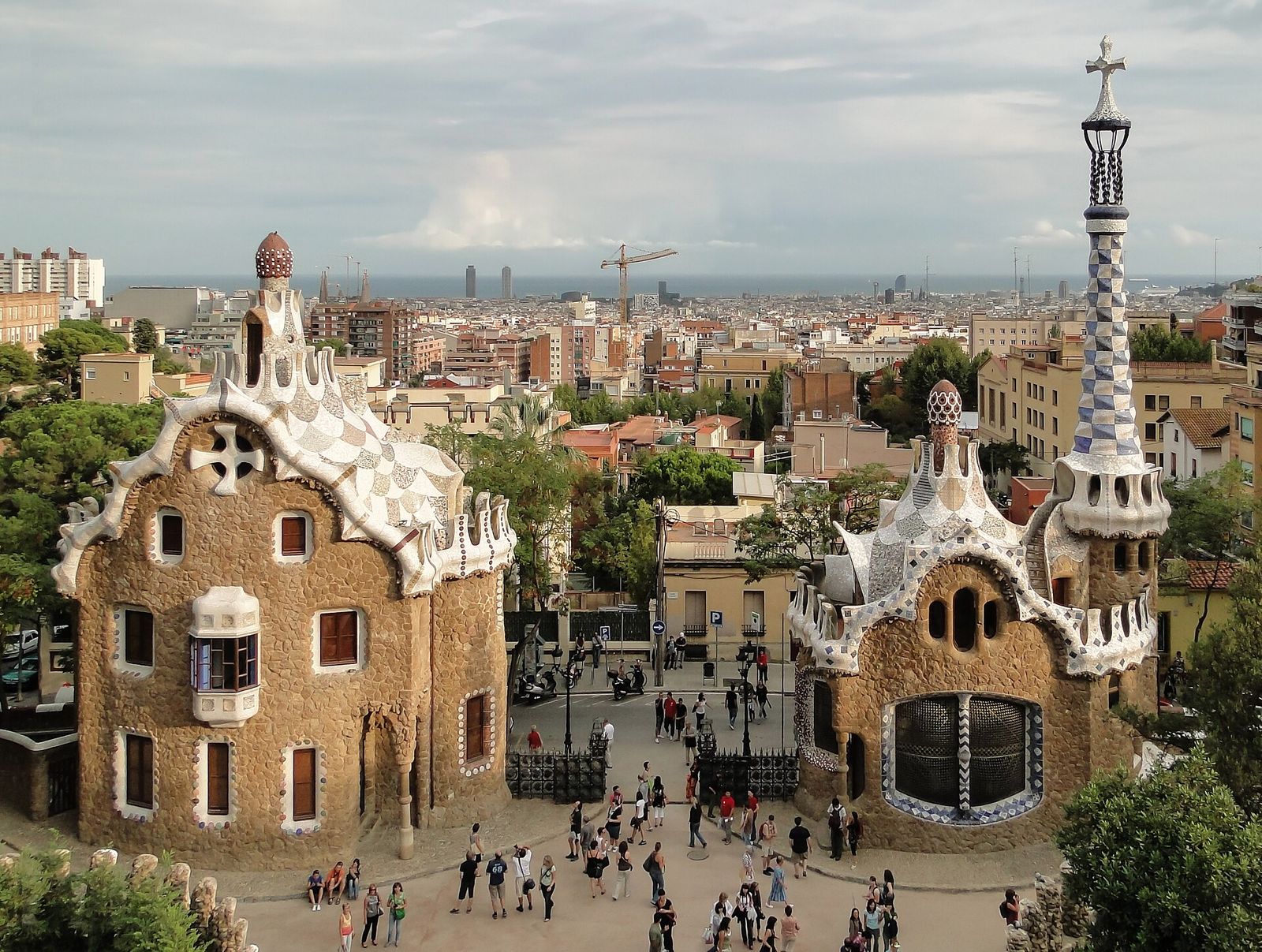
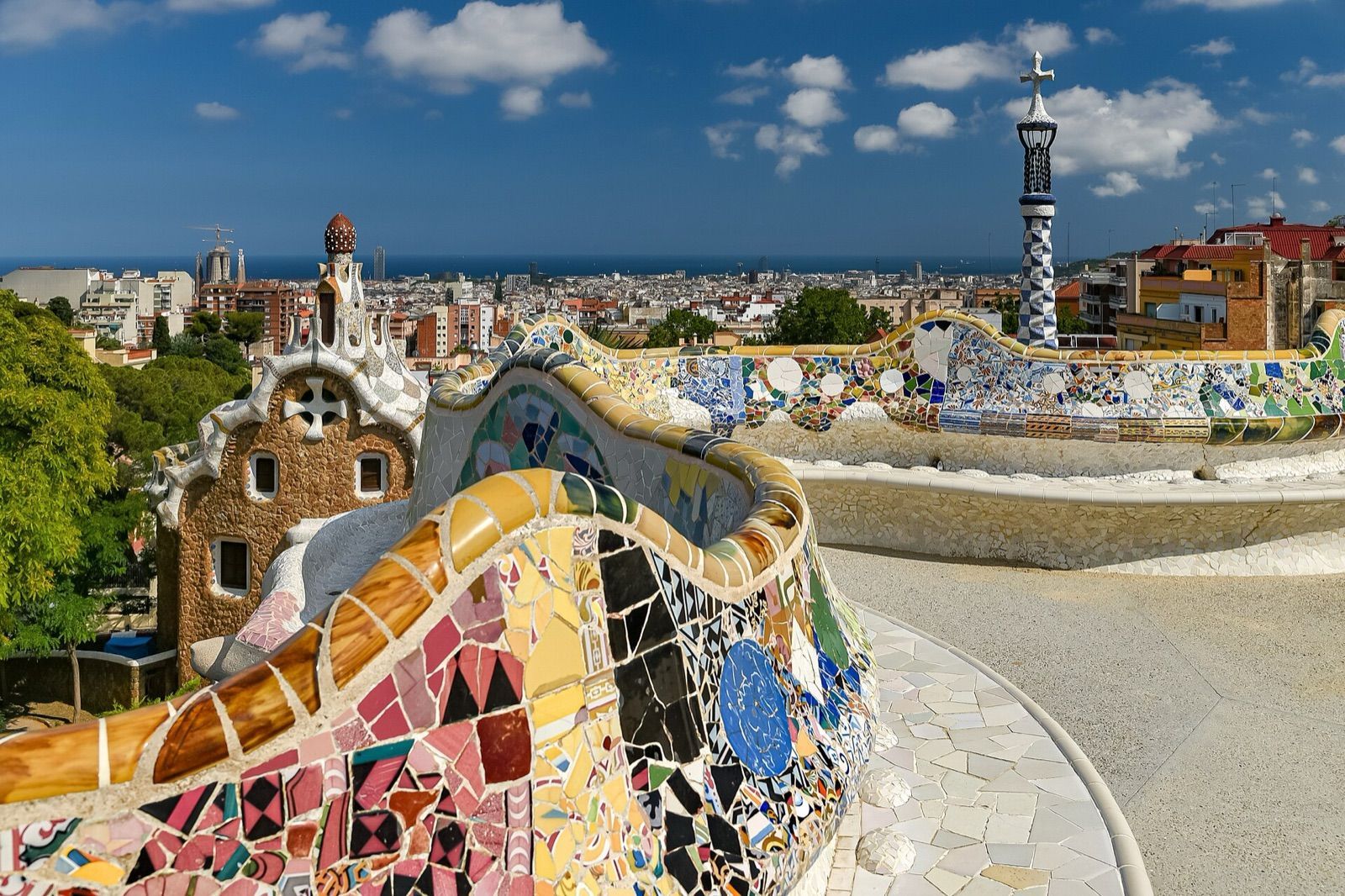
Morning. Book an early slot at Park Güell, Gaudí's hillside park with its mosaic salamander, the market hall of columns and the serpentine bench overlooking the city. The Monumental Zone requires a timed ticket; the wider park around it is free and good for a walk. It's uphill from the nearest metro stations, so a bus or taxi saves a climb.
Afternoon. Cross the city to Montjuïc, the hill above the port, by metro and funicular or by cable car. The National Art Museum of Catalonia (MNAC), in the grand palace at the top of the stairs, has one of the world's finest collections of Romanesque church murals. The Fundació Joan Miró is devoted to the Barcelona-born artist, and the hilltop Montjuïc Castle looks over the port. Sports fans can walk around the 1992 Olympic Ring.
Evening. Watch the sunset from the MNAC terraces. On some evenings, the Magic Fountain below puts on a light and music show; it hasn't run during recent droughts, so check whether shows are on and when.
What to book ahead: Sagrada Família and Park Güell
These two sites use timed tickets with a limited number of places, and in spring, summer and around holidays they often sell out days or weeks ahead.
- Buy on the official sites as soon as your dates are fixed. Resale sites and street sellers add a mark-up, and printed or screenshot tickets from unofficial sources may not be valid.
- Pick the time carefully. Entry windows are strict; arriving late can mean losing your slot.
- Towers at the Sagrada Família sell out first. They involve narrow spiral stairs and have age limits for young children; check the conditions before booking.
- Dress: the Sagrada Família is a church; cover your shoulders and avoid very short shorts.
- Security: allow time for bag checks at the basilica, and travel light.
Casa Batlló, La Pedrera and the Palau de la Música Catalana also sell timed tickets, and the most convenient slots go first in busy months.
Rule of thumb: book the Sagrada Família first, then Park Güell, then build the rest of the three days around those two times.
Adapting the plan
- Rain: swap Park Güell for more time in the modernista houses, the Picasso Museum or MNAC. Timed tickets usually can't be moved, so check the forecast before booking outdoor slots if you can.
- With children: the beach, the cable cars, Parc de la Ciutadella and the CosmoCaixa science museum are good choices; Casa Batlló's interior is also popular with families.
- Slower pace: drop Montjuïc and spend the afternoon on the beach, or give the Eixample a whole unhurried day.
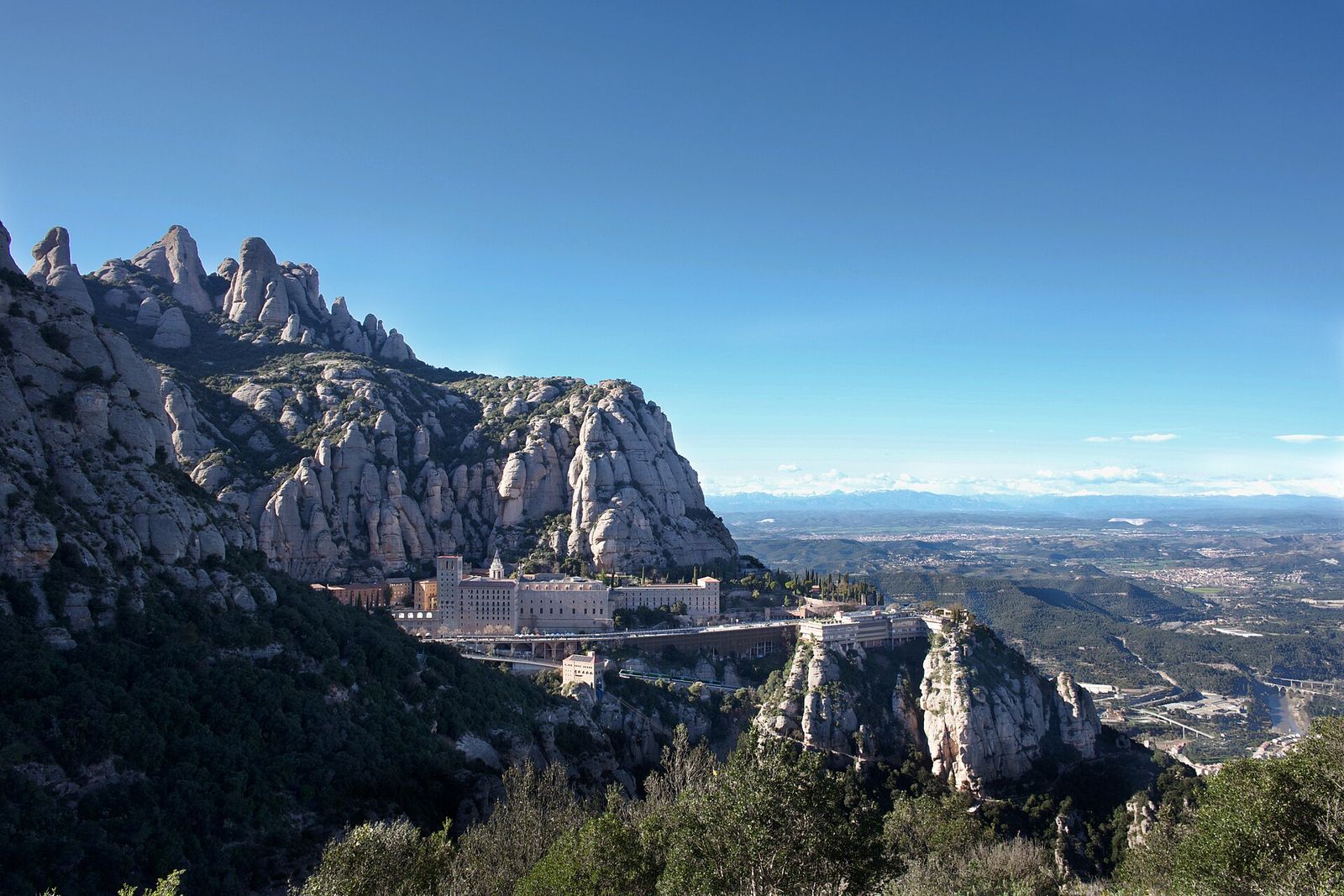
- Four days or more: go up to Tibidabo, the city's highest hill, or take a day trip to Montserrat's mountain monastery or the Roman remains of Tarragona.
Practical booking tips
- Getting around: the metro is fast and covers every stop in this plan. Multi-trip transport cards are good value for a few days; check current options on the official transport site.
- Pickpockets: Barcelona has a reputation for them, particularly on La Rambla, the metro and the beach. Keep bags zipped and in front of you, and never leave a phone on a café table.
- Timing: lunch is often from about 2 pm and dinner from 9 pm. Many museums and shops close or shorten hours on Sundays and public holidays.
- At the beach: cover up when you leave the seafront; local rules discourage swimwear in the streets.
- Tourist tax: Catalonia and the city charge per-person, per-night taxes on accommodation. Check the current rate when you book.
- Base: the Eixample puts Days 2 and 3 within easy reach; the old town is best for Day 1. Our where to stay in Barcelona guide compares the neighbourhoods.
Bloiq is reader-supported. Some links may earn us a commission; it never affects what we write. How we make money.
Cover photo: Jorge Franganillo, CC BY 2.0, via Wikimedia Commons