Tech
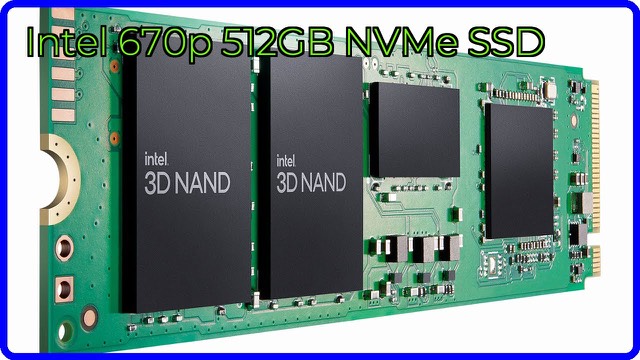
Intel 670p 512GB M.2 NVMe SSD: features, specs and who it suits
The Intel 670p is a 512GB M.2 2280 NVMe SSD with a PCIe 3.0 x4 interface and QLC 3D NAND, rated up to 3,000 MB/s reads. What the specs mean in practice.
Guides to buying well and travelling well
Home / Product overviews / Brands
20 Intel product overviews: what each product is, the features that matter and what to check before you buy.
The Intel 670p is a 512GB M.2 2280 NVMe SSD with a PCIe 3.0 x4 interface and QLC 3D NAND, rated up to 3,000 MB/s reads. What the specs mean in practice.
The Intel Core 2 Duo E8400 is a dual-core 3GHz, 45nm boxed processor with 6MB cache for LGA775 sockets. What the specs mean and what to check for an older PC.
The Intel Core i5-10400F is a 6-core, 12-thread LGA1200 desktop processor with no integrated graphics and a boxed cooler. What the specs mean and what it needs.
A 7th generation Intel Core i5 desktop processor for LGA 1151 motherboards, with Intel HD Graphics 630, Turbo Boost 2.0 and Hyper-Threading. What it means.
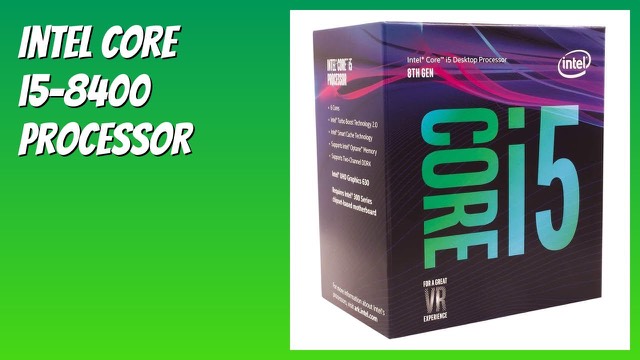
The Intel Core i5-8400 is an 8th Gen six-core desktop processor with UHD Graphics 630, up to 4.0 GHz Turbo and 9 MB cache, for Intel 300 Series motherboards.
The Intel Core i7-14700KF is an unlocked 20-core, 28-thread desktop CPU with no integrated graphics, 5.6 GHz boost, DDR4/DDR5 and PCIe 5.0 support.
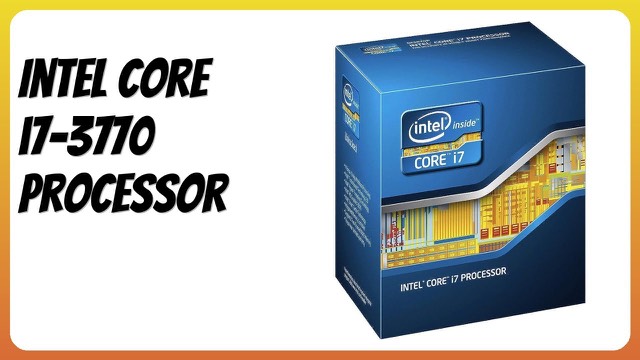
A 3.40GHz Intel Core i7-3770 desktop processor with 8MB of cache. What the clock speed and cache mean, and what motherboard it needs.
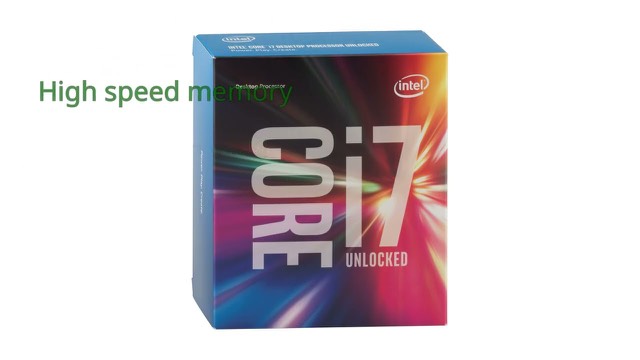
A look at the Intel Core i7-6700K, an unlocked quad-core Skylake desktop processor for LGA 1151 boards at 4.00 GHz, and what its specs mean for a PC build.
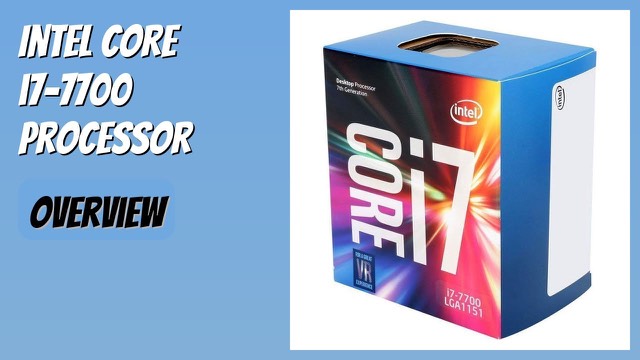
The Intel Core i7-7700 is a 7th-generation LGA 1151 desktop processor with a 3.6GHz base, 4.2GHz Turbo, HD Graphics 630 and Hyper-Threading. What it means.
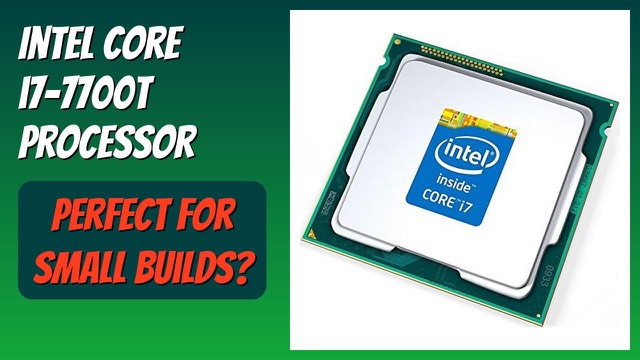
A look at the Intel Core i7-7700T, a quad-core 2.90 GHz LGA1151 desktop processor in an OEM pack. What the specs mean and what to check for compatibility.
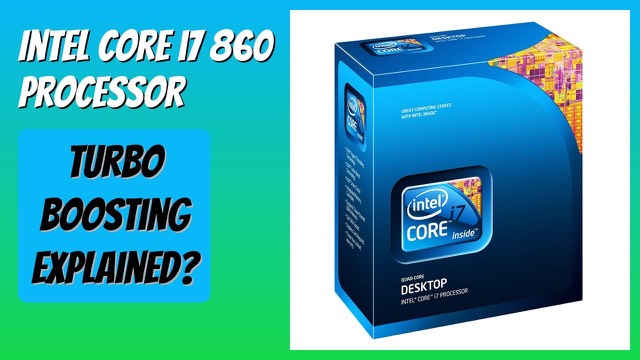
The Intel Core i7-860 is a quad-core 2.80 GHz desktop processor for LGA1156 motherboards, with Hyper-Threading, Turbo Boost and 8 MB cache. What the specs mean.
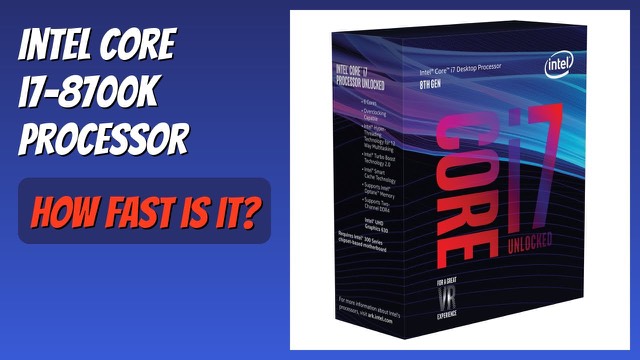
The Intel Core i7-8700K is an unlocked six-core, 12-thread LGA1151 desktop processor with up to 4.7GHz turbo and UHD Graphics 630. What its specs mean.
The Intel Core i7-8700T in tray packaging: a low-power 8th-generation desktop processor. What the T suffix and tray packaging mean and what to check before fitting it.
A 9th Gen Intel Core i7-9700K with 8 cores, up to 4.9GHz Turbo, unlocked multiplier and LGA1151 socket. What the specs mean and what it needs to run.
The Intel Core i9-14900KF is an unlocked 24-core, 32-thread desktop CPU with up to 6.0GHz boost, DDR4 and DDR5 support and no integrated graphics. What the specs mean.
The Intel Core i9-9900K is an unlocked 9th Gen desktop CPU with 8 cores, 16 threads, up to 5.0GHz turbo and UHD Graphics 630 for LGA1151 boards.
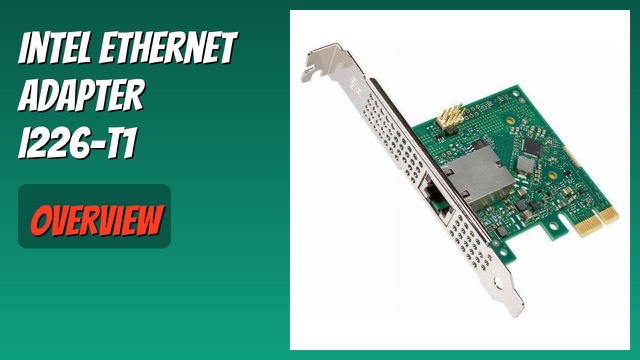
A look at the Intel I226-T1 Ethernet network adapter: what the I226 family typically offers, how a single-port card is used and what to check before fitting one.
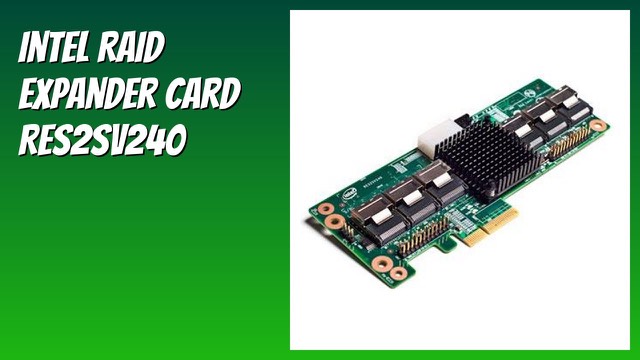
A low-profile Intel SAS/SATA expander card that turns a few controller ports into up to 24 drive connections at 6Gb/s. What it does and what it needs.
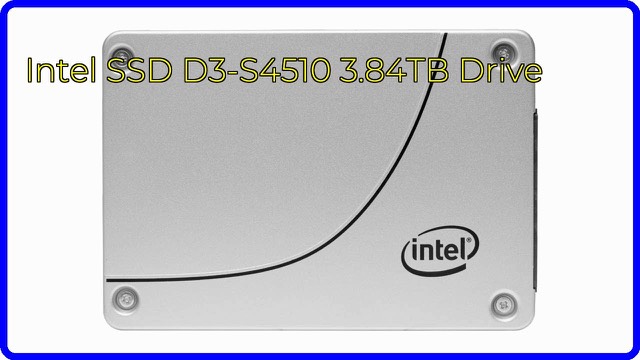
The Intel D3-S4510 is a 3.84TB 2.5-inch SATA enterprise SSD with TLC 3D NAND, 560 MB/s reads and a 2 million hour MTBF. What the specs mean.
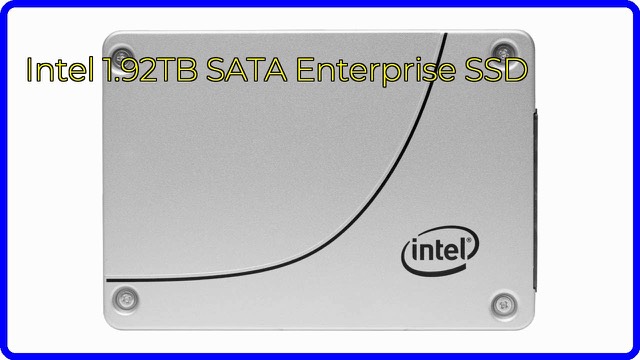
A 1.92TB 2.5-inch SATA enterprise SSD from Intel with TLC flash, 560 MB/s reads and a 2-million-hour MTBF. What the specs mean and what to check first.