Home / Travel / Italy · Where to stay
Where to stay in Venice: the sestieri, islands and Mestre compared
San Marco, Cannaregio, Castello, Dorsoduro, San Polo, Giudecca, Lido or Mestre: how Venice's areas differ, who each suits and what to know about getting there.
This guide contains affiliate links, marked as such. If you book through them, Bloiq may earn a commission at no extra cost to you.
Venice is at its best in the early morning and late evening, when the day visitors have gone and the lanes fall quiet. Staying overnight in the historic city is the only way to see it like that, and where you stay makes a real difference. There are no cars, every trip is on foot or by boat, and a place that looks close on a map may be several bridges and a few wrong turns away. The historic centre is divided into six districts, or sestieri. Here's how they compare with the outer islands and the mainland.
The quick answer
- First visit, sights on your doorstep: San Marco.
- Local life and good value near the station: Cannaregio.
- Quiet, residential Venice: eastern Castello.
- Art museums and a student buzz: Dorsoduro.
- Markets and easy arrival: San Polo and Santa Croce.
- Views and calm across the water: Giudecca.
- Beaches and space in summer: Lido.
- Tight budget or a car: Mestre, on the mainland, with trade-offs.
San Marco: the famous centre
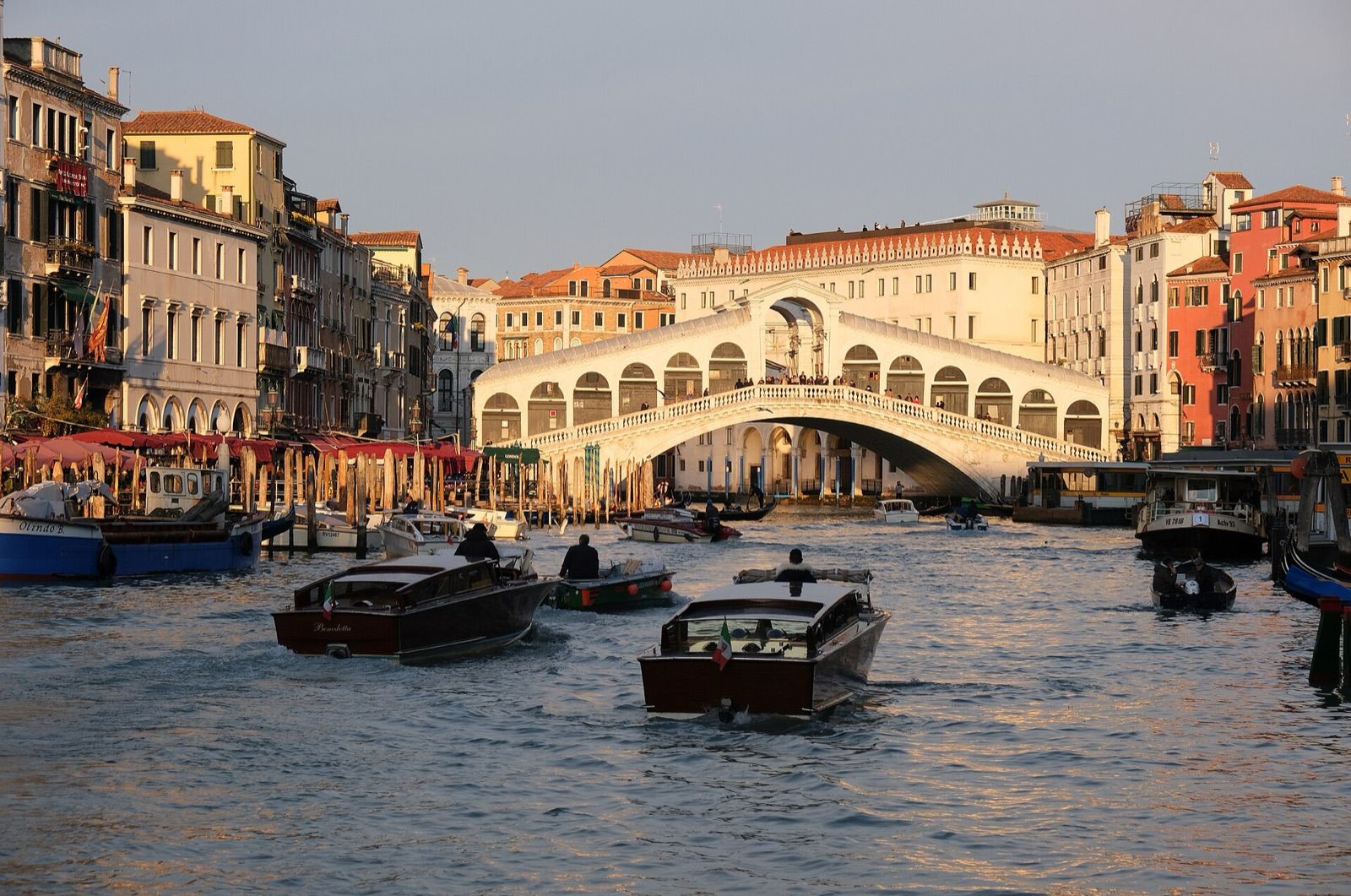
San Marco is home to St Mark's Square, the Basilica and the Doge's Palace, with the Rialto Bridge at its northern edge. Its lanes are lined with luxury shops and some of the city's grandest hotels, and it's the easiest base for walking to the most famous sights.
Good for: first-time visitors and short stays. Consider: it's the most crowded and expensive district, restaurants often cater to visitors, and St Mark's Square is one of the lowest points in the city, so it floods first when high tides (acqua alta) occur.
Cannaregio: local life near the station
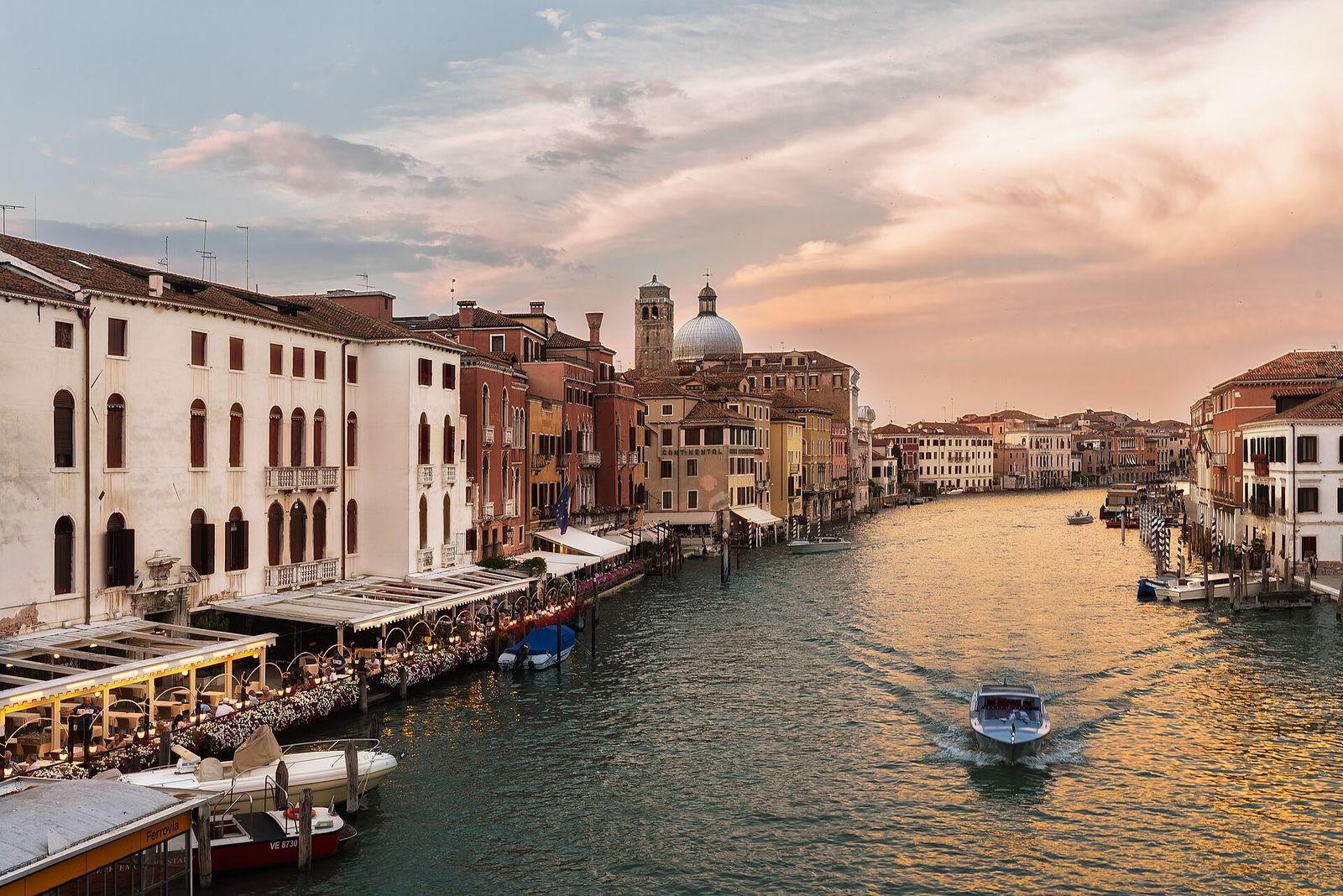
The most populated sestiere stretches from the Santa Lucia railway station along the northern side of the city. The busy Strada Nova links it towards the Rialto, but a few streets away you'll find quiet canals, neighbourhood bars along the Fondamenta della Misericordia and Ormesini, and the historic Jewish Ghetto, which gave the word "ghetto" to the world.
Good for: travellers arriving by train, budget-conscious visitors and anyone who wants to see how Venetians live. Consider: the areas right by the station are busy with arriving crowds, and the far northern and eastern parts are a 25- to 35-minute walk from St Mark's Square.
Castello: two faces of Venice
Castello, the largest sestiere, runs east from San Marco. Its western end, along the waterfront promenade of the Riva degli Schiavoni, is busy and touristy. Further east, around the historic Arsenale shipyards, Via Garibaldi and the Biennale gardens, it becomes one of the most residential parts of the city, with washing hanging across the lanes and children playing in the squares.
Good for: repeat visitors, art lovers during the Biennale, and anyone who wants quiet evenings. Consider: the eastern end has fewer restaurants and feels a long way from the station, though water buses along the lagoon side help.
Dorsoduro: art and the student quarter
South of the Grand Canal, Dorsoduro is home to the Gallerie dell'Accademia, the Peggy Guggenheim Collection and the church of Santa Maria della Salute. The sunny Zattere promenade faces the Giudecca canal, and Campo Santa Margherita, near the university, is one of the city's liveliest squares in the evening.
Good for: art lovers, couples and anyone who wants a more relaxed, lived-in feel close to the centre. Consider: the streets around Campo Santa Margherita can be loud late at night, and you'll cross the Grand Canal on the Accademia Bridge or by boat to reach San Marco.
San Polo and Santa Croce: markets and easy arrival
San Polo, the smallest sestiere, sits at the centre of the city on the western side of the Rialto Bridge. It has the Rialto food market, the Frari basilica with Titian's Assumption, and the Scuola Grande di San Rocco with its Tintoretto paintings. Neighbouring Santa Croce includes Piazzale Roma, the city's bus terminal and car parks, and quieter residential streets beyond.
Good for: food lovers, first-time visitors who want a central base at lower cost than San Marco, and anyone arriving by bus or car. Consider: the Rialto area is crowded by day, and the streets right around Piazzale Roma feel more like a transport hub than historic Venice.
Giudecca: views across the water
Across the wide Giudecca canal from Dorsoduro, this long island has Palladio's Redentore church, former industrial buildings converted into homes and studios, and wonderful views back towards San Marco. It's calm and residential.
Good for: travellers who value quiet and don't mind a short boat ride. Consider: every trip into the historic centre depends on the water bus, and there are fewer restaurants and shops.
Lido: beaches and summer space
The Lido is a long barrier island between the lagoon and the Adriatic, with sandy beaches, early 20th-century villas, bicycles and even cars. It hosts the Venice Film Festival at the end of each summer. It feels more like a seaside resort than part of Venice.
Good for: summer beach holidays, families and longer stays that combine the sea with sightseeing. Consider: reaching the historic centre takes a water-bus ride of around 15 to 20 minutes each way, and many beach establishments close outside the summer season.
Mestre: the mainland trade-off
Mestre, on the mainland, is part of the municipality of Venice and connected to the historic centre by a causeway with frequent trains and buses to Santa Lucia and Piazzale Roma. Accommodation is usually cheaper and more modern, and it's practical if you're driving.
Good for: tight budgets, travellers with a car and very short stopovers. Consider: you'll miss Venice's quiet evenings and early mornings, and you'll commute in with the day visitors. The area around Mestre station can feel uninviting late at night, so check the exact location.
Getting around
- From the airport: Venice Marco Polo Airport is on the mainland. Buses run to Piazzale Roma, water buses run to several stops in the historic centre and the Lido, and private water taxis offer door-to-door service at a much higher cost. Check the current options and fares.
- Water buses (vaporetti): the public water buses are the city's transport network. Single tickets are expensive, so if you'll use them several times a day, a time-based pass is usually better value.
- Walking: Venice is best explored on foot, but expect bridges with steps everywhere. Maps and navigation apps help, but getting lost is part of the experience.
- Traghetti: in a few places, simple gondola ferries cross the Grand Canal between the bridges. Check which ones are operating.
Practical tips before you book
- Day-tripper access fee: Venice charges an access fee to day visitors on certain peak days, and overnight guests are generally exempt but may still need to register. Rules, dates and exemptions change, so check the current rules on the official city website before you go.
- City tourist tax: separately, overnight stays carry a per-person, per-night tax that varies with the season and accommodation. Check the current rate.
- Plan your luggage route. Find out which water-bus stop is nearest your accommodation and how many bridges lie between them. Light luggage makes a big difference.
- Ask for exact directions. Venetian addresses use the sestiere name and a house number, which can be hard to find. Ask for a map pin or landmark.
- High water: flooding is most likely from autumn to early spring. Barriers now protect the city from the highest tides, but low-lying areas can still get wet, so check the forecast and pack suitable footwear.
Choose San Marco for a short first visit, Cannaregio, Dorsoduro or Castello for a more authentic stay, and Mestre only if budget or a car decides for you.
Bloiq is reader-supported. Some links may earn us a commission; it never affects what we write. How we make money.
Cover photo: kallerna, CC BY-SA 4.0, via Wikimedia Commons