Home / Travel / Canada · Where to stay
Where to stay in Vancouver: the best areas for every kind of trip
Downtown, the West End, Yaletown, Gastown, Kitsilano, North Vancouver or Richmond? How Vancouver's areas compare, their trade-offs, and how SkyTrain and SeaBus link them.
This guide contains affiliate links, marked as such. If you book through them, Bloiq may earn a commission at no extra cost to you.
Vancouver packs mountains, beaches and a dense downtown into a small space, and most visitors want all three. Where you stay decides whether the seawall is outside your door, whether you'll ride a ferry to breakfast, or whether you're a train ride from the airport. The city is compact, but areas differ sharply in atmosphere, cost and, in one or two places, comfort after dark. Here's how the main options compare.
The quick answer
- First visit, everything on foot: Downtown and Coal Harbour.
- Beaches, Stanley Park and a residential feel: the West End.
- Restaurants and a polished waterfront: Yaletown.
- Historic streets and nightlife, with trade-offs: Gastown.
- Beach-town atmosphere: Kitsilano.
- Hiking and mountains: North Vancouver.
- Early flights and Asian food: Richmond, near the airport.
Downtown and Coal Harbour: central and scenic
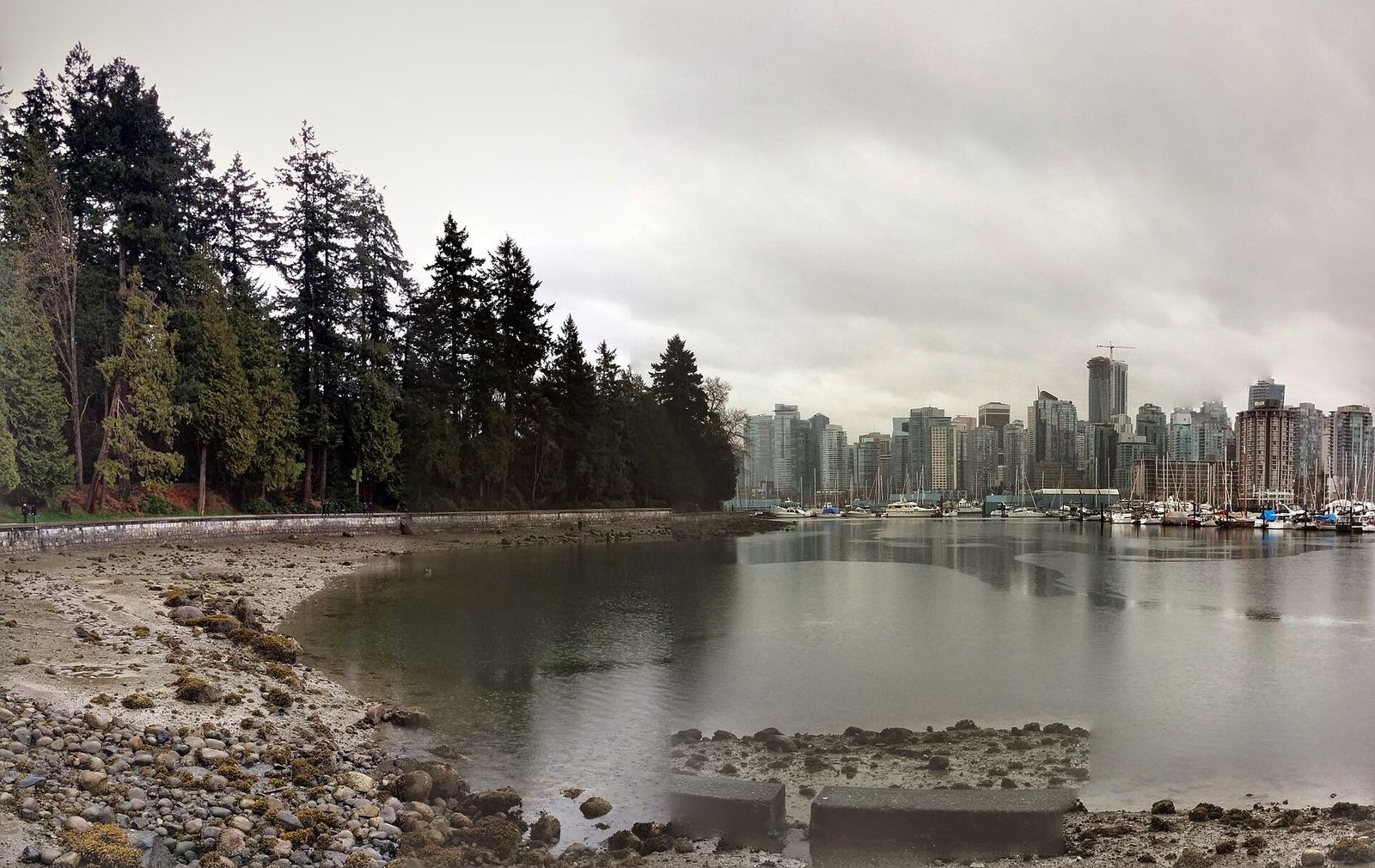
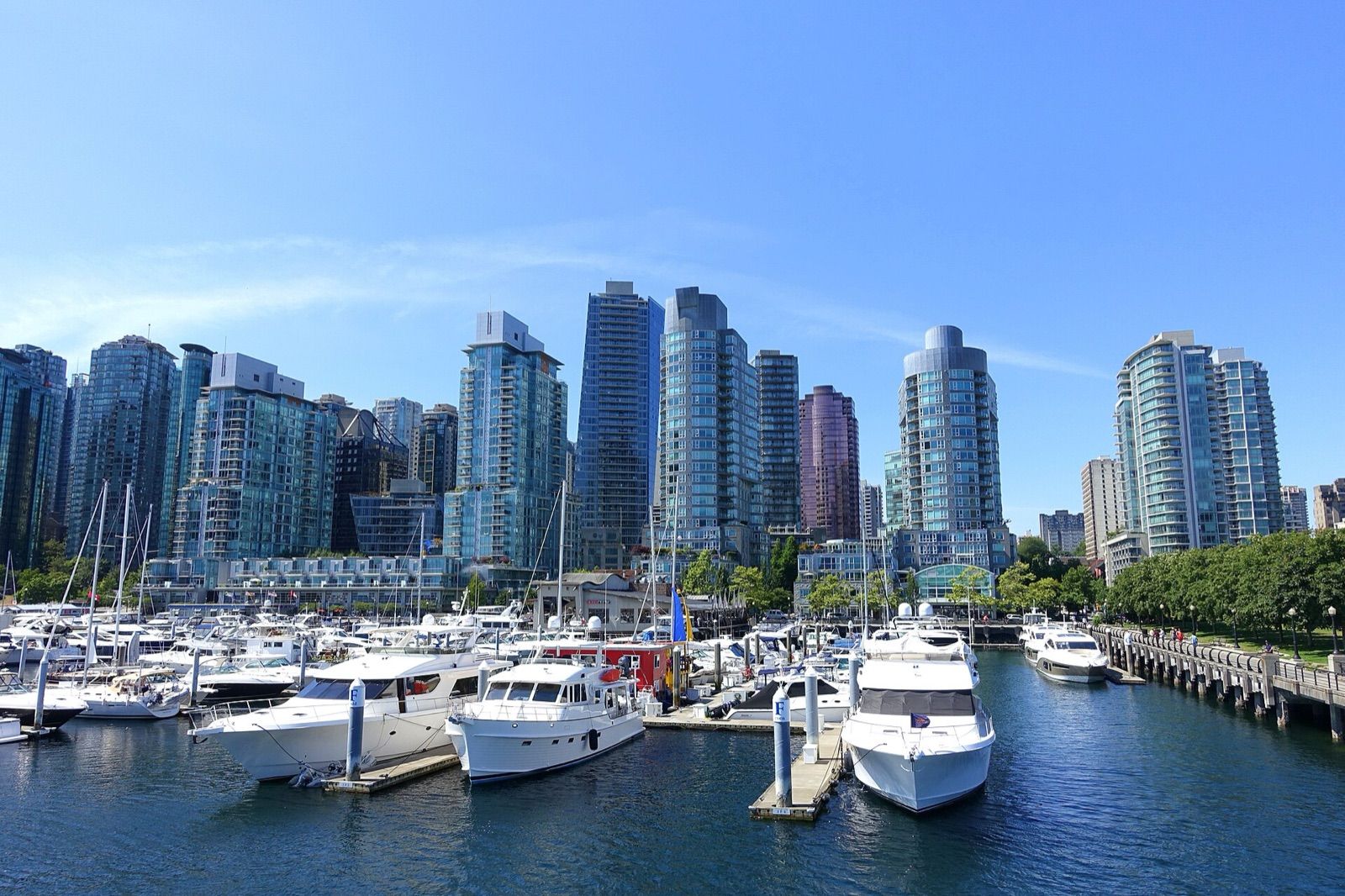
Downtown Vancouver occupies a peninsula, and its northern waterfront, Coal Harbour, is one of the most pleasant places in the city to stay. The seawall path runs past floatplanes and marinas towards Stanley Park, and Canada Place, the cruise terminal and convention centre, sits at its eastern end. The shopping streets around Robson and Burrard are a few blocks away.
Good for: first-time visitors, cruise passengers and business travellers. Consider: this is the most expensive part of the city, particularly in the summer cruise season. Waterfront station, the city's main transit hub, is on the edge of the area, connecting SkyTrain, the SeaBus and commuter trains.
The West End: Vancouver's front garden
Between downtown and Stanley Park, the West End is a densely populated residential area of apartment towers and tree-lined streets. Denman and Davie streets are lined with casual restaurants, English Bay and Sunset Beach are right there for sunset walks, and Davie Village is the centre of the city's LGBTQ+ community.
Good for: couples, runners and cyclists, and anyone who wants Stanley Park and the beaches on the doorstep. Consider: there's no SkyTrain station in the West End, so you'll walk 15–20 minutes to downtown stations or take a bus. Hotels are fewer and many are older.
Yaletown: warehouses turned restaurants
Yaletown is a former rail and warehouse district on False Creek, now known for converted brick buildings, loading-dock patios and glass condominium towers. The seawall links it to David Lam Park, and small ferries cross False Creek to Granville Island's public market.
Good for: food-focused trips, couples and anyone who likes a polished, modern neighbourhood. Consider: it's quieter and more residential than central downtown, and evenings revolve around restaurants rather than bars. Yaletown–Roundhouse station on the Canada Line gives a direct ride to the airport.
Gastown: character with caveats
Gastown is where Vancouver began: cobbled streets, Victorian brick buildings, the famous steam-powered clock, and a lively mix of cocktail bars, restaurants and design shops. It's walking distance from Waterfront station and has some attractive boutique hotels.
Good for: nightlife, history and travellers who want character. Consider: Gastown borders the Downtown Eastside, an area with concentrated poverty, homelessness, mental illness and open drug use. Visitors are rarely targeted, but many find some blocks, especially along East Hastings Street, uncomfortable, particularly at night. Streets closer to the waterfront and Water Street feel noticeably different from those a few blocks south and east. Look carefully at the exact address.
Kitsilano: the beach neighbourhood
Across False Creek from downtown, Kitsilano ("Kits") has a long sandy beach with mountain views, a seasonal outdoor saltwater pool, and West 4th Avenue's shops, cafés and yoga studios. It's relaxed, outdoorsy and residential.
Good for: summer trips, families and repeat visitors. Consider: there are few hotels, so accommodation tends to be guesthouses and apartments. You'll rely on buses to reach downtown, typically 15–25 minutes. A SkyTrain extension under Broadway is being built towards the area, so check whether it has opened.
North Vancouver: mountains on the doorstep
Across Burrard Inlet, North Vancouver is the base for the North Shore mountains: Grouse Mountain, the suspension bridges and canyon trails, and routes up into the forests. Lower Lonsdale, around the Lonsdale Quay market, has restaurants, breweries and the terminal for the SeaBus.
Good for: hikers, skiers and anyone who wants nature within minutes. Consider: evenings are quieter, and the bridges into the city can be congested at rush hour. The SeaBus is the easy way in, with a crossing of around 12–15 minutes to downtown.
Richmond: near the airport
Richmond, south of the city, surrounds Vancouver International Airport. It's home to one of North America's largest concentrations of Asian restaurants, a summer night market and the fishing village of Steveston on the river.
Good for: early flights, stopovers and food-focused visitors. Consider: it's suburban and car-oriented, and downtown is about 25–30 minutes away on the Canada Line, which runs from the airport and through Richmond to Waterfront station.
How the areas compare
| Area | Feel | Rapid transit | Best for |
|---|---|---|---|
| Downtown / Coal Harbour | Central, scenic | Excellent | First visits, cruises |
| West End | Residential, leafy | Bus or walk | Stanley Park, beaches |
| Yaletown | Polished, modern | Canada Line | Food, couples |
| Gastown | Historic, lively | Walk to Waterfront | Nightlife |
| Kitsilano | Beachy, relaxed | Bus | Summer, families |
| North Vancouver | Outdoorsy | SeaBus | Hiking |
| Richmond | Suburban | Canada Line | Flights, food |
Getting around
- From the airport: the Canada Line runs from the airport to downtown in around 25 minutes. A surcharge applies to journeys that start at the airport stations, so check the current fare.
- SkyTrain: three automated lines. The Canada Line serves the airport, Richmond and Yaletown; the Expo and Millennium lines run east towards Burnaby and beyond.
- SeaBus: a passenger ferry between Waterfront station and Lonsdale Quay, part of the regular transit network.
- False Creek ferries: small, frequent boats link Yaletown, the West End side, Granville Island and Kitsilano's edge.
- Paying: you can tap a contactless card or phone at the fare gates or use the transit system's own card. Weekday fares on SkyTrain and SeaBus depend on how many zones you cross.
- Walking and cycling: the seawall is one of the best urban walking and cycling paths anywhere, and bike rentals are easy to find near Stanley Park.
Practical tips before you book
- Summer is peak season. From late spring to early autumn, cruise ships, conferences and tourists push hotel prices up sharply. Book early for July and August.
- Rain is part of the deal from roughly October to April. A central base near transit makes wet days easier.
- Short-term rentals are tightly restricted in British Columbia, and many listings are no longer allowed. Check that an apartment rental is licensed and read the current rules.
- Compare total prices. Room rates usually exclude taxes and, in some hotels, daily fees. Parking downtown is expensive.
- Planning day trips to Whistler or Vancouver Island? Downtown or North Vancouver are the most convenient starting points.
Stay downtown or in Coal Harbour for convenience, the West End or Kitsilano for beaches, and North Vancouver for the mountains, and the rest of the city is a short ride away.
Bloiq is reader-supported. Some links may earn us a commission; it never affects what we write. How we make money.