Home / Travel / Canada · Where to stay
Where to stay in Toronto: the neighbourhoods compared
Financial District, King West, Yorkville, St Lawrence, Queen West, Kensington or near Pearson? How Toronto's main areas compare and how the TTC and UP Express link them.
This guide contains affiliate links, marked as such. If you book through them, Bloiq may earn a commission at no extra cost to you.
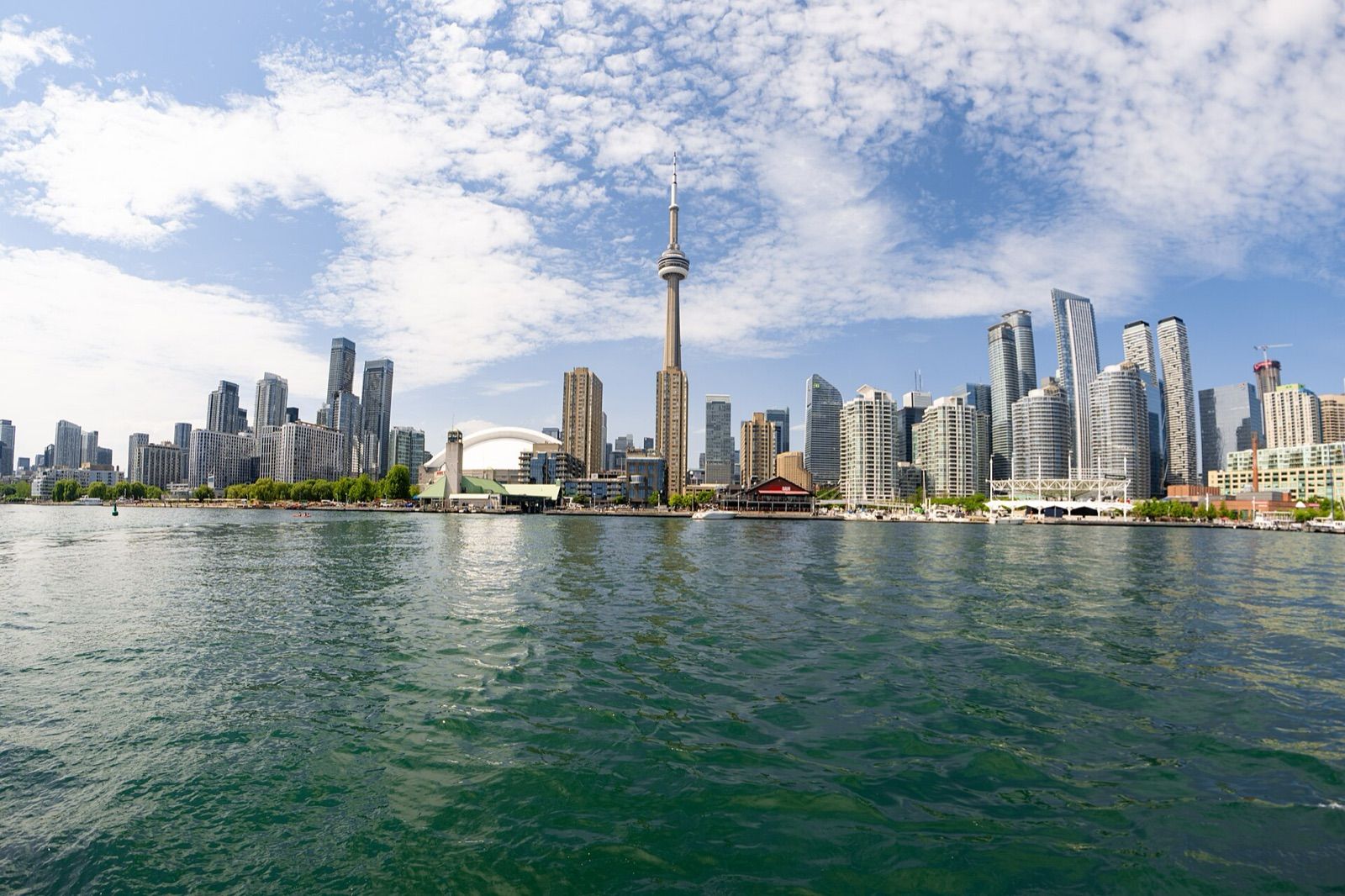
Toronto is a big, spread-out city, and the right base depends on what you came for: a game, a show, galleries, a food crawl or a morning flight. The good news is that most of what visitors want is in a fairly tight band between the lake and Bloor Street, and the subway, streetcars and the airport train make it manageable. Here's how the main areas compare.
The quick answer
- First visit, business, easy transit: Downtown and the Financial District.
- Shows, games and nightlife: the Entertainment District and King West.
- Upscale shopping and museums: Yorkville.
- History, markets and a calmer evening: St Lawrence and the Distillery District.
- Independent shops, galleries and bars: Queen West.
- Budget, food and street life: Kensington Market and Chinatown.
- Early flights or a short stopover: near Pearson airport.
Downtown and the Financial District: the hub
The Financial District, around King and Bay streets, is a cluster of office towers that is busy on weekdays and quieter at weekends. Below it runs the PATH, an underground network of passages and shopping concourses that links towers, hotels and Union Station, handy in winter and on wet days. Union is the city's main transit hub for the subway, commuter trains, intercity rail and the UP Express to the airport.
Good for: business travellers, first-time visitors and anyone arriving by train. Consider: it can feel corporate and empty on weekend evenings, and hotel prices rise mid-week. The waterfront, the arena and the Toronto Island ferries are all within walking distance.
The Entertainment District and King West
Just west, around King and John streets, the Entertainment District has the major theatres, the film festival headquarters, the CN Tower, the aquarium and the baseball stadium. Further west, King West is lined with restaurants, bars and clubs in converted warehouses.
Good for: theatre-goers, sports fans and nightlife. Consider: weekend nights are loud on the busiest blocks, and hotels book up when big events are on, especially during the film festival in September. Streetcars run along King Street, and St Andrew station on Line 1 is close by.
Yorkville: polished and upscale
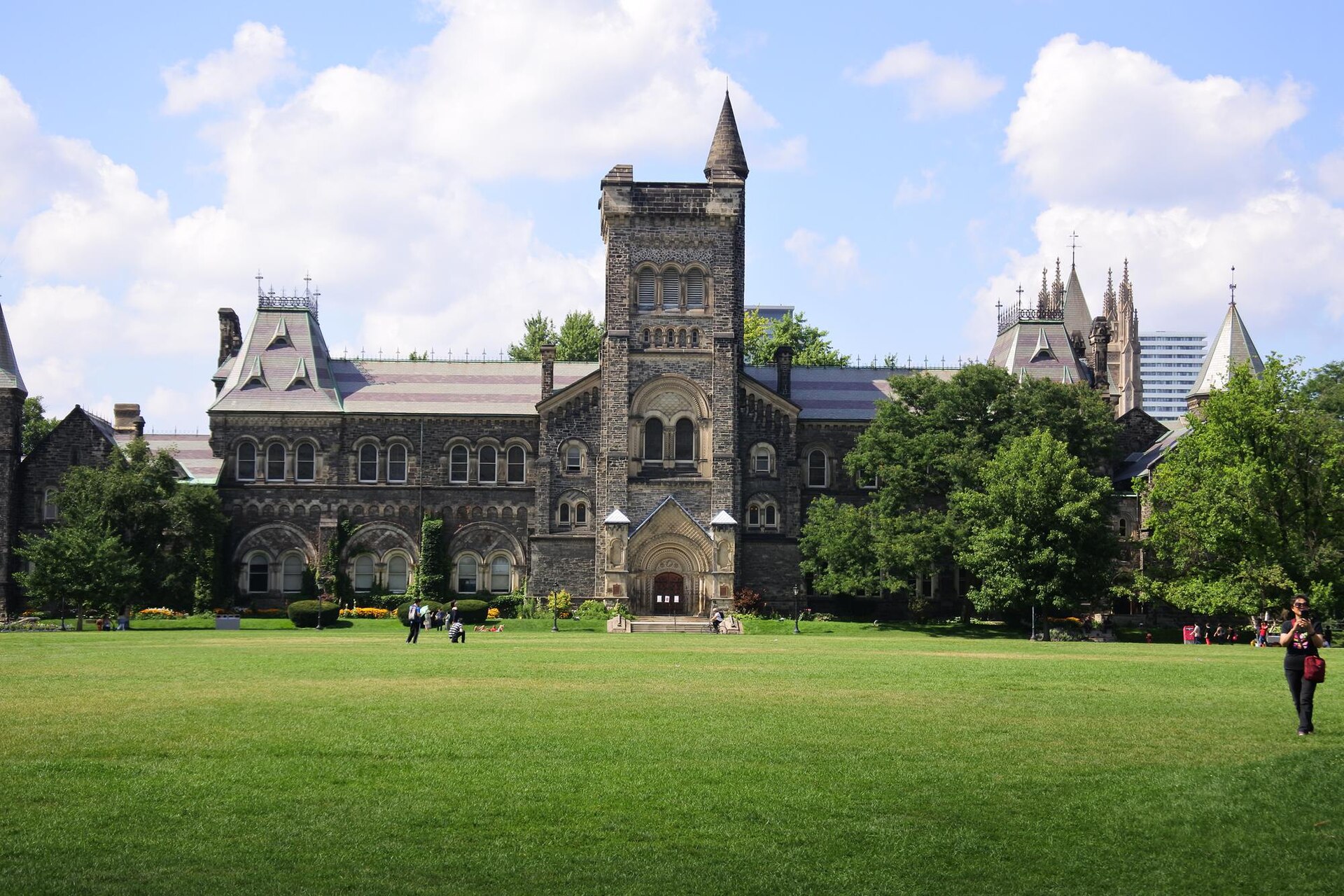
Yorkville, just north of Bloor Street, was once the city's bohemian quarter and is now its most exclusive shopping district. Designer boutiques line Bloor Street, and the side streets have galleries, restaurants and patios. The Royal Ontario Museum and the University of Toronto campus are next door.
Good for: couples, luxury travellers and museum lovers. Consider: it's expensive and more refined than lively. Transit is excellent: Bay, Bloor–Yonge and St George stations connect Lines 1 and 2, and downtown is about 10 minutes away by subway.
St Lawrence and the Distillery District: history and markets
St Lawrence is part of the Old Town, the oldest part of the city, with 19th-century buildings, theatres and St Lawrence Market, a food hall famous for its producers and sandwiches. East of it, the Distillery District is a pedestrian-only area of restored Victorian industrial buildings with galleries, shops and restaurants, and a well-known Christmas market in winter.
Good for: food lovers, couples and anyone who likes a walkable, human-scale neighbourhood. Consider: there's no subway in the Distillery District itself; streetcars along King Street bridge the gap, and St Lawrence is about a 10–15 minute walk from Union. Distillery accommodation options are limited.
Queen West: creative and independent
Queen Street West, west of Spadina and on into West Queen West, is known for independent boutiques, vintage shops, galleries and bars. Trinity Bellwoods Park is the neighbourhood's backyard, and Ossington Avenue has some of the city's liveliest restaurants and bars.
Good for: younger travellers, repeat visitors and anyone who prefers street life to landmarks. Consider: hotels are few and mostly boutique, and you'll depend on the busy Queen streetcar rather than the subway. Some bar-heavy blocks are noisy late.
Kensington Market and Chinatown: food and character
Kensington Market is a compact grid of Victorian houses turned into vintage shops, cafés, grocers and food counters, with a relaxed, bohemian feel. It's next to Chinatown on Spadina Avenue, one of the largest in North America, and the Art Gallery of Ontario is on nearby Dundas Street.
Good for: budget travellers, backpackers and food lovers. Consider: accommodation is mostly hostels, guesthouses and apartments, streets can be gritty in places, and weekends are crowded. The Spadina and Dundas streetcars connect to Line 1 within a few minutes.
Near Pearson airport
Toronto Pearson is in Mississauga, about 25 km north-west of downtown. There are many hotels around the airport, most with shuttles to the terminals.
Good for: early flights, late arrivals and short connections. Consider: it's a business-park landscape with little to do, and the city is a train ride away. If you have even one full day, staying downtown and taking the UP Express is usually the better choice.
How the areas compare
| Area | Feel | Transit | Best for |
|---|---|---|---|
| Financial District | Corporate, central | Excellent (Union) | First visits, business |
| Entertainment District / King West | Busy, lively | Streetcar and Line 1 | Shows, games, nightlife |
| Yorkville | Upscale, calm | Excellent (Lines 1 and 2) | Shopping, museums |
| St Lawrence / Distillery | Historic, walkable | Streetcar, walk to Union | Food, couples |
| Queen West | Creative, independent | Streetcar | Bars, boutiques |
| Kensington / Chinatown | Eclectic, budget | Streetcar | Food, backpackers |
| Near Pearson | Functional | Hotel shuttles | Flights |
Getting around
- From Pearson: the UP Express train runs from Terminal 1 to Union Station in about 25 minutes, with stops at Weston and Bloor, where it connects to the subway. Terminal 3 passengers take the free terminal link train to Terminal 1.
- Subway: Line 1 (Yonge–University) forms a U through downtown, and Line 2 (Bloor–Danforth) runs east to west. Most visitors need only these two.
- Streetcars: the red streetcars along King, Queen, Spadina and Dundas are often the most direct way between downtown neighbourhoods, though they can be slow in traffic.
- Paying: tap a contactless card or phone, or use the regional fare card. Fares include transfers within a time window; check the current rules on the transit agency's website.
- Toronto Islands: ferries from the foot of Bay Street reach the islands in about 15 minutes, a good escape in summer.
Practical tips before you book
- Event dates drive prices. The film festival in September, big concerts, sports finals and summer festivals push hotel rates up across downtown. Check the calendar before you fix your dates.
- Winter is cold but manageable if you stay near the PATH or a subway station.
- Compare total prices. Toronto adds a municipal accommodation tax and sales tax to room rates, and some hotels add daily fees.
- Short-term rentals in Toronto must be registered with the city and are restricted to principal residences. Check the listing is registered and read the current rules.
- Parking downtown is scarce and expensive, and you won't need a car for the city itself.
- Day trips to Niagara Falls are easiest from downtown, near Union Station, where trains, buses and tours depart.
For a first visit, stay between Union Station and Bloor Street, close to Line 1, and every neighbourhood in this guide is within a short ride.
Bloiq is reader-supported. Some links may earn us a commission; it never affects what we write. How we make money.
Cover photo: Erik Drost, CC BY 4.0, via Wikimedia Commons