Home / Travel / Canada · Where to stay
Where to stay in Montreal: the neighbourhoods compared
Old Montreal, Downtown, the Plateau, Mile End, the Village or Griffintown? How Montreal's main areas compare, who each suits, and how winter changes the choice.
This guide contains affiliate links, marked as such. If you book through them, Bloiq may earn a commission at no extra cost to you.
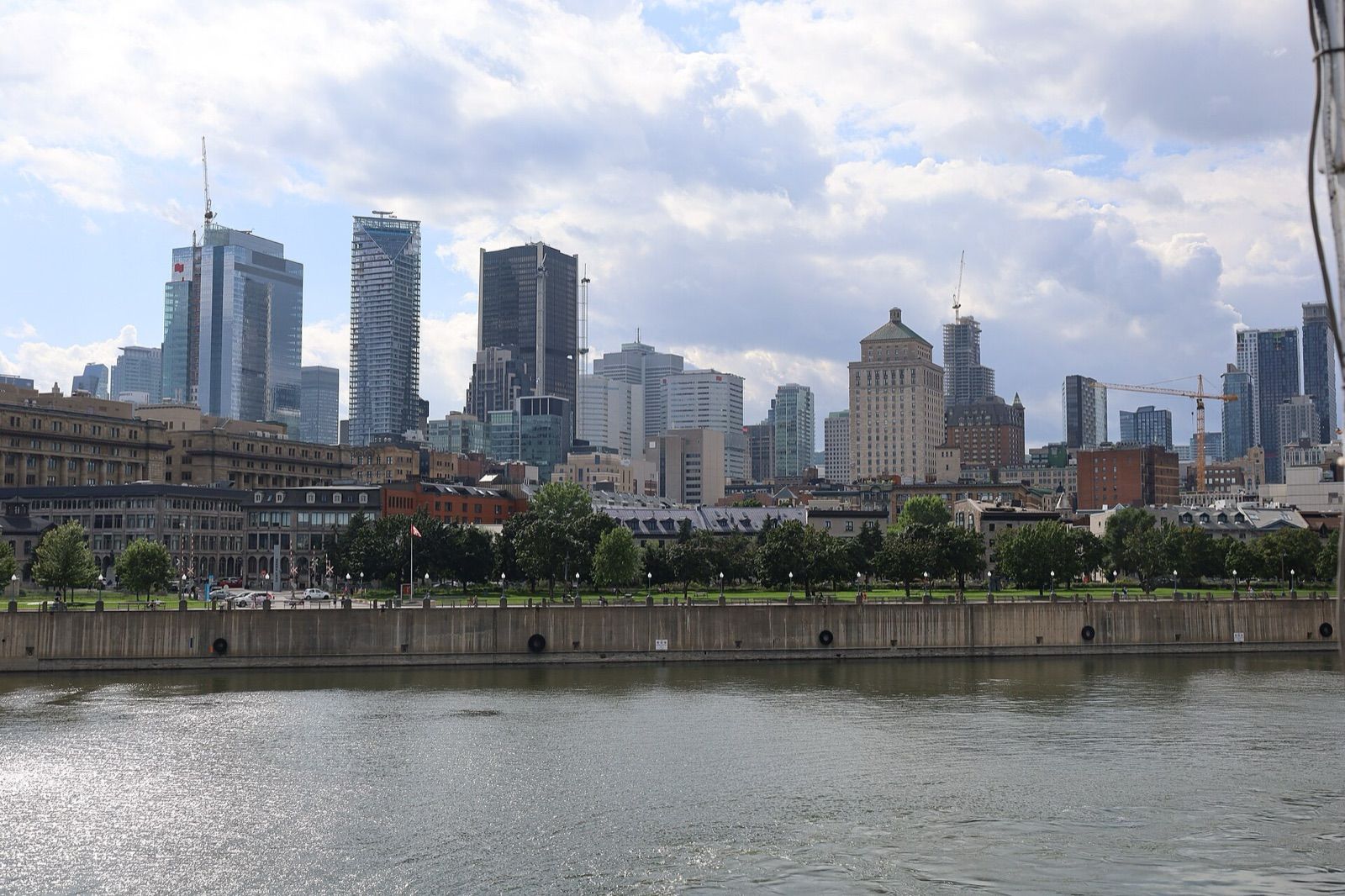
Montreal is easy to enjoy and surprisingly easy to get wrong when you book. The historic quarter, the business district and the neighbourhoods locals love are all close together, but they feel very different, and in winter a ten-minute walk in the wind is not the same as one in July. This guide compares the main areas, who each suits, and how the metro and the weather should shape your choice.
The quick answer
- First visit, history and atmosphere: Old Montreal.
- Convenience, shopping and the best metro access: Downtown.
- Local life, cafés and restaurants: Plateau Mont-Royal.
- Creative, relaxed and a little farther out: Mile End.
- Festivals, nightlife and a central budget base: Quartier Latin and the Village.
- Modern apartments near the canal: Griffintown.
- Winter trip: Downtown, for the underground network and metro connections.
Old Montreal: cobblestones and the Old Port
Vieux-Montréal is the city's historic core: stone buildings from the 18th and 19th centuries, cobbled streets, Notre-Dame Basilica, Place Jacques-Cartier and the waterfront promenade of the Old Port. Many of the city's most characterful boutique hotels are in converted warehouses and bank buildings here, and in the evening the lanes are lit and quiet once the day visitors leave.
Good for: first-time visitors, couples and anyone who wants a romantic, walkable base. Consider: it's among the priciest areas, restaurants skew towards visitors, and grocery shops and everyday services are thin on the ground. Cobblestones are hard work with rolling luggage and can be icy in winter. The orange line's Place-d'Armes, Square-Victoria–OACI and Champ-de-Mars stations sit along its northern edge.
Downtown: the practical choice
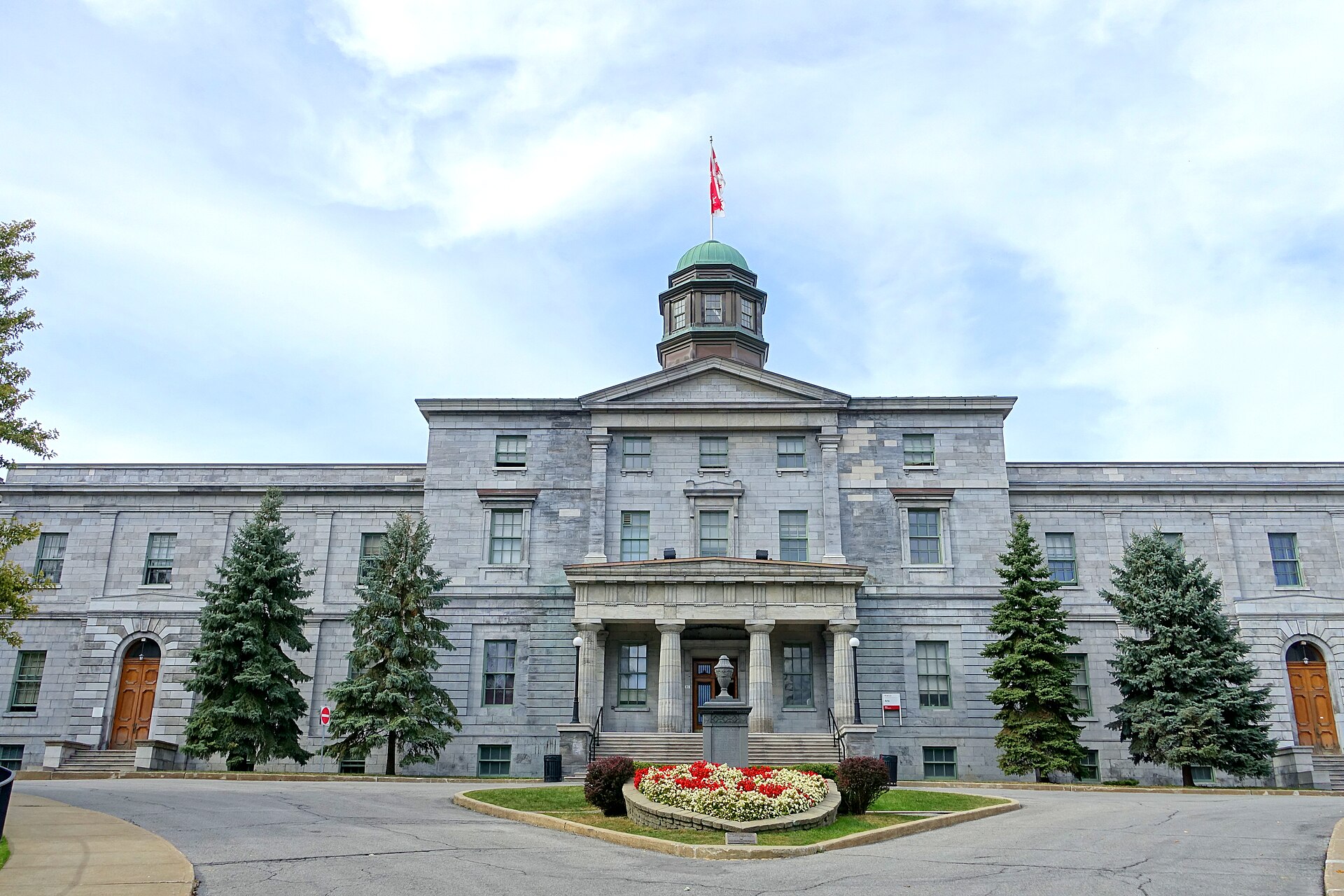
Downtown (centre-ville) runs along Sainte-Catherine Street and up towards McGill University and the slopes of Mount Royal. It has the big department stores, the Montreal Museum of Fine Arts, the hockey arena, Central Station for trains, and the widest choice of large hotels. The Quartier des Spectacles, on its eastern side, hosts many of the summer festivals.
Good for: business travellers, families who want a conventional hotel, and anyone arriving by train or airport bus. Consider: it's busy and commercial rather than charming, and some stretches empty out at night outside the shopping streets. The upside is the metro: the green and orange lines both cross downtown, and much of it is linked by the underground pedestrian network known as RÉSO, which is invaluable in January.
Plateau Mont-Royal: the Montreal of postcards
The Plateau is the neighbourhood of outdoor spiral staircases, colourful row houses and busy terraces. Saint-Denis Street, Saint-Laurent Boulevard and Mont-Royal Avenue are lined with cafés, bistros, bakeries and independent shops, and Mount Royal park and the green space of Parc La Fontaine are close by.
Good for: repeat visitors, food lovers and anyone who wants to live like a local for a few days. Consider: there are few large hotels, so you'll mostly find small guesthouses and apartments, and those old staircases and walk-ups are not luggage-friendly. Mont-Royal, Sherbrooke and Laurier stations on the orange line serve the area, but some streets are a 10–15 minute walk from the metro.
Mile End: creative and laid-back
North-west of the Plateau, Mile End is known for its artists' studios, independent cafés, record shops, and the city's famous wood-fired bagel bakeries. It's diverse, residential and low-key, with a strong neighbourhood feel.
Good for: travellers who have seen the sights before, remote workers and anyone who prefers cafés to monuments. Consider: it's farther from Old Montreal and downtown, and the nearest metro station (Laurier) is a walk away, so you'll lean on buses, cycling or longer walks. Accommodation is mostly apartments and small guesthouses.
Quartier Latin and the Village: central and lively
The Quartier Latin, around the lower part of Saint-Denis Street and the university campus of UQAM, is a student district with cinemas, theatres and inexpensive restaurants. Just east, the Village along Sainte-Catherine Street East is the heart of Montreal's LGBTQ+ community, and in summer its main street is usually closed to cars and filled with terraces.
Good for: festival-goers, nightlife and budget travellers who want to be central. Berri-UQAM station is where the green, orange and yellow lines meet, so connections are excellent. Consider: some blocks around Berri-UQAM feel rough around the edges, and weekend nights can be loud. Check the exact street before booking.
Griffintown: new-build and canal-side
A former industrial and working-class district south-west of downtown, Griffintown has been largely rebuilt with glass condo towers, new restaurants and serviced apartments. The Lachine Canal path, popular with cyclists and walkers, runs along its southern edge, and the Atwater Market is a short walk west.
Good for: longer stays, travellers who want a modern apartment with a kitchen, and cyclists. Consider: the area still feels unfinished in places, with ongoing construction, and it's quieter and less atmospheric than older neighbourhoods. The nearest metro stations are on the edge of the area, so expect a 10–15 minute walk.
How the neighbourhoods compare
| Area | Atmosphere | Metro access | Best season |
|---|---|---|---|
| Old Montreal | Historic, romantic | Good (orange line) | All year, loveliest in summer and at Christmas |
| Downtown | Busy, commercial | Excellent (green and orange) | All year, best in winter |
| Plateau Mont-Royal | Local, lively | Good (orange line) | Spring to autumn |
| Mile End | Creative, relaxed | Fair | Spring to autumn |
| Quartier Latin / Village | Lively, central | Excellent (three lines) | Summer festivals |
| Griffintown | Modern, quiet | Fair | Spring to autumn |
Winter in Montreal
Montreal winters are long, cold and snowy. Daytime temperatures well below freezing are normal from December to February, and wind chill can make it feel much colder. That changes the maths of location:
- Stay close to a metro station. The metro runs entirely underground, so it keeps working in snowstorms.
- Downtown's underground network links shopping centres, office towers, hotels and several metro stations through heated passages. It's a genuine advantage in bad weather.
- Walk-ups and outdoor staircases in the Plateau and Mile End can be icy. If you're booking an apartment in winter, ask about access.
- Pack properly: insulated boots with grip, a warm hat, gloves and layers. Pavements are salted and gritted but still slippery.
Winter has its rewards: skating rinks, outdoor winter festivals and far fewer visitors than in summer.
Getting around
- From the airport: Montréal-Trudeau airport is in the western suburbs. An express bus links it to downtown around the clock, and taxis charge a flat rate to the centre. A light-rail link to the airport has been under construction, so check whether it has opened.
- Metro: four colour-coded lines (green, orange, yellow and blue) cover the central neighbourhoods. The orange and green lines are the most useful for visitors.
- Buses and bikes: buses fill the gaps, and the city's bike-share system is extensive in the warmer months, with some stations open in winter.
- Language: French is the official language of Quebec and signs are in French, but English is widely spoken in central areas. A "bonjour" goes a long way.
Practical tips before you book
- Summer is peak season. Festival weeks, the Grand Prix weekend and summer weekends fill hotels quickly, so book early if your dates overlap.
- Short-term rentals are tightly regulated in Quebec and Montreal. Check that an apartment listing shows a valid registration number and read the current rules before you book.
- Check heating and air conditioning. Older buildings can be cold in winter, and July and August can be hot and humid.
- Taxes are added at the end. Quoted room rates in Quebec usually exclude sales taxes and a lodging tax, so compare total prices.
- Parking downtown and in Old Montreal is limited and expensive. If you're driving, ask whether the hotel has a garage.
Choose Old Montreal for atmosphere, Downtown for convenience and winter comfort, and the Plateau or Mile End for everyday local life, and the rest of the city is a short metro ride away.
Bloiq is reader-supported. Some links may earn us a commission; it never affects what we write. How we make money.
Cover photo: Antony-22, CC BY-SA 4.0, via Wikimedia Commons