Home / Travel / United Kingdom · Where to stay
Where to stay in Edinburgh: Old Town, New Town, Leith and beyond
Edinburgh is compact but hilly, and August changes everything. Compare the Old Town, New Town, Stockbridge, Leith, Southside and more, and see who each one suits.
This guide contains affiliate links, marked as such. If you book through them, Bloiq may earn a commission at no extra cost to you.
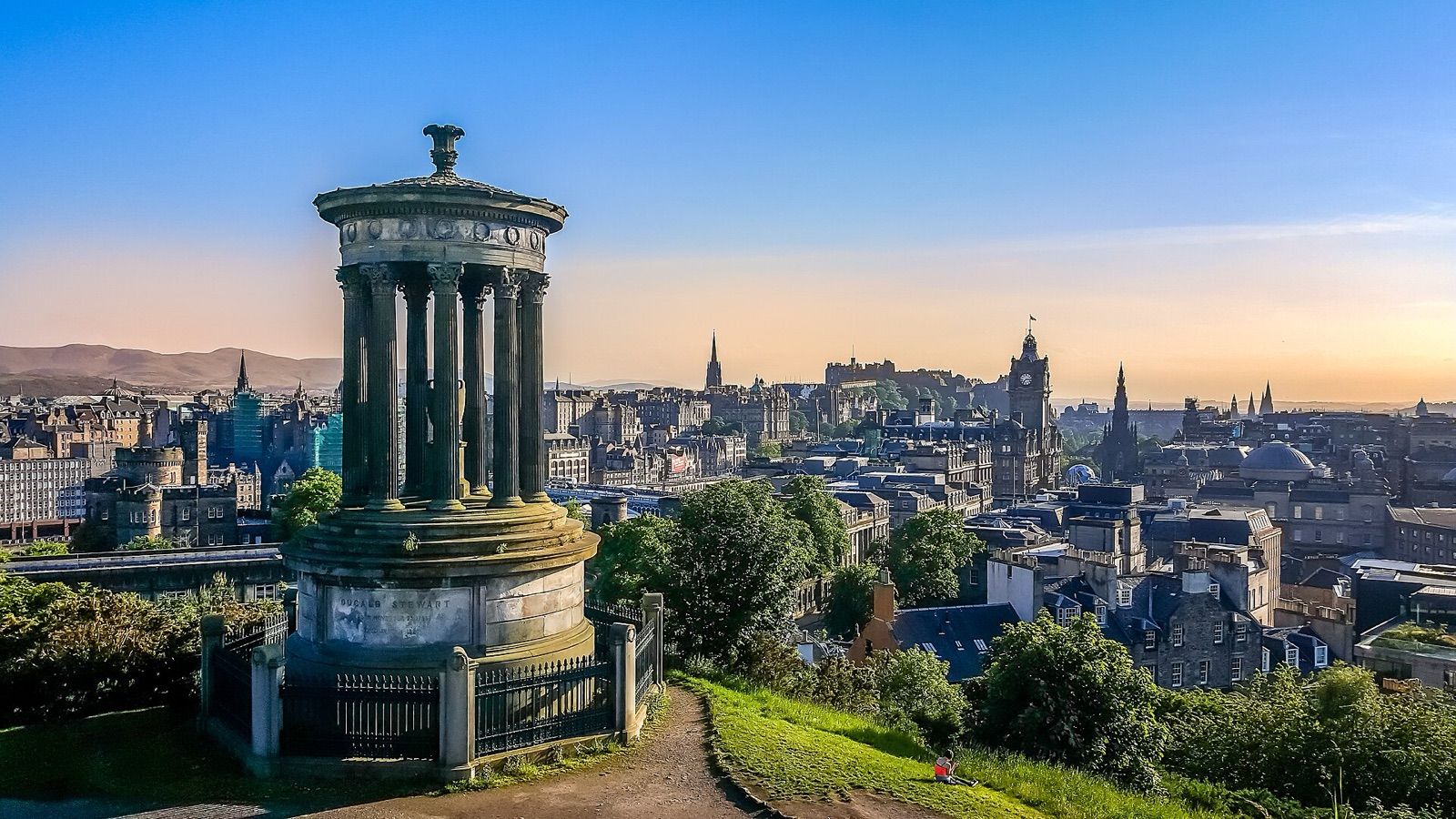
Edinburgh is one of the easiest European capitals to explore on foot, but it isn't flat. The city is built on ridges and volcanic hills, the medieval Old Town sits high above the Georgian New Town, and a hotel that looks five minutes away on a map may involve a long flight of steps. The other big factor is timing: in August the festivals fill almost every bed in the city. Here's how the main areas compare.
The quick answer
- First visit, want to be in the middle of everything: Old Town or New Town.
- Elegant, calmer and still central: New Town or West End.
- Village feel with independent shops: Stockbridge.
- Food, waterfront and a more local base: Leith.
- Good value and green space: Southside.
- Rail connections and a quick airport tram: Haymarket.
- Visiting in August: book as early as you can, wherever you stay.
Old Town: medieval and dramatic
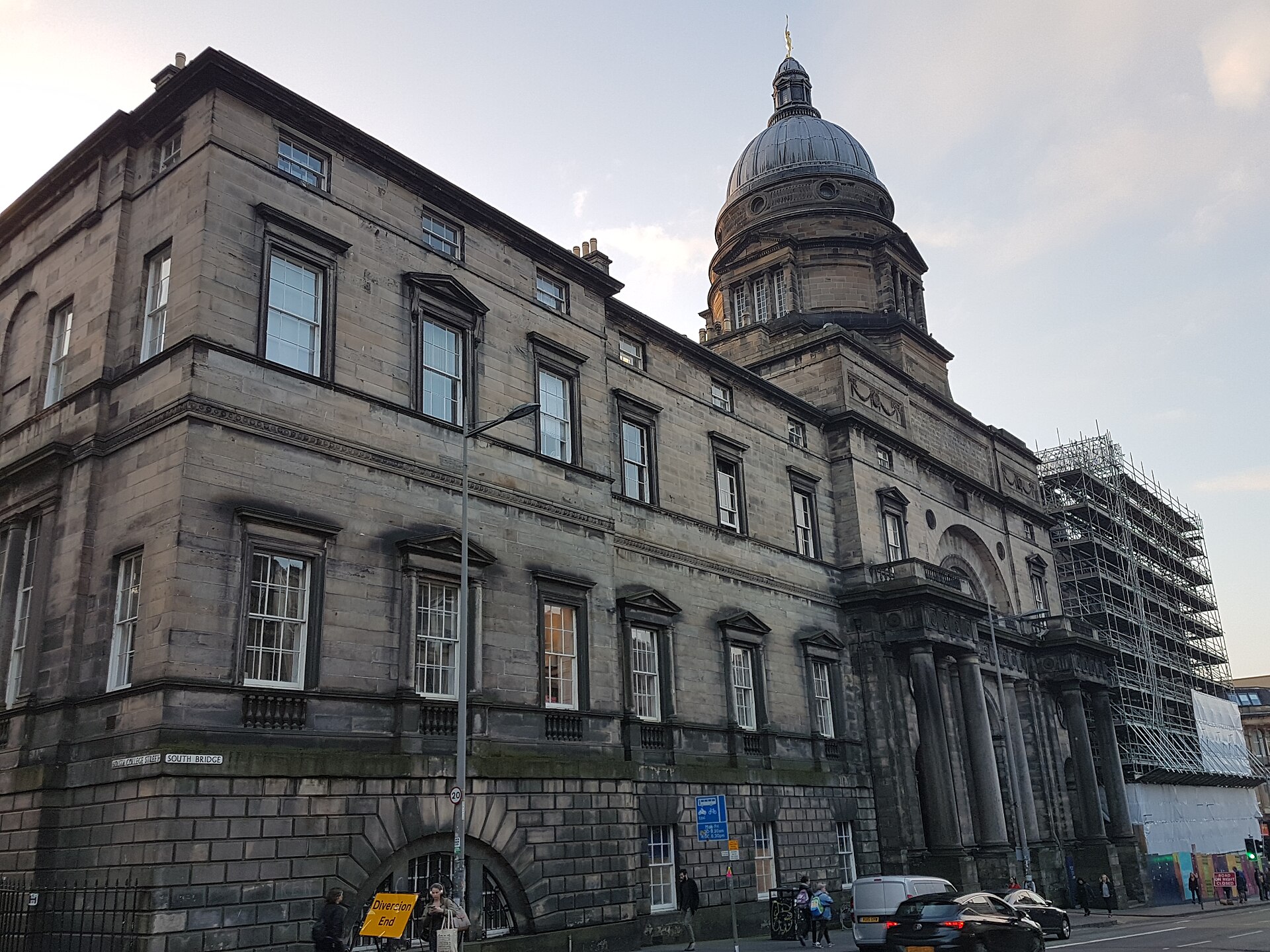
The Old Town runs along the Royal Mile, the ridge that links Edinburgh Castle with the Palace of Holyroodhouse. Narrow closes and wynds drop steeply off either side, and the Grassmarket, Victoria Street and the university's older buildings are all close. Staying here puts the castle, the cathedral, museums and dozens of pubs within a short walk.
Good for: first-time visitors, history lovers and anyone who wants the postcard atmosphere on the doorstep. Consider: it's the busiest part of the city, streets around the Grassmarket and Cowgate can be loud late at night, and many buildings are old tenements with stairs rather than lifts. Cobbles and steep closes are hard work with wheeled luggage.
New Town: Georgian grid and good transport
Across the valley from the Old Town, the New Town was laid out from the late 18th century as an orderly grid of broad streets, squares and gardens. Princes Street faces the castle across Princes Street Gardens, George Street has restaurants and bars, and the residential streets farther north are some of the finest Georgian terraces in Britain. The Old and New Towns together are a UNESCO World Heritage Site.
Good for: couples, shoppers and anyone who wants a central base with easier walking than the Old Town. Consider: rooms in the main streets are among the most expensive in the city. Waverley station sits in the valley between the two towns, which is convenient, but the climb up to either side is steep.
West End: polished and practical
The West End stretches from the end of Princes Street towards Haymarket, taking in Lothian Road, the financial district around the Exchange and a pocket of quiet Georgian crescents. The Usher Hall, the Traverse Theatre and the Royal Lyceum Theatre are all here, and the castle rises just to the east.
Good for: theatre and concert-goers, business travellers and those who want a calmer version of the centre. Consider: Lothian Road is lively at weekends, and the area has less historic character than the Old Town, though it's only a short walk away.
Stockbridge: the village in the city
Just north of the New Town, Stockbridge grew up around a crossing of the Water of Leith. It has independent shops, delis, cafés and pubs, a weekend market, and pleasant walks along the river to Dean Village. The Royal Botanic Garden is on its northern edge.
Good for: repeat visitors, couples and anyone who wants to feel like a resident. Consider: there are few large hotels, so most options are guesthouses and short-term rentals. Princes Street is roughly a 15–20 minute walk, downhill on the way in and uphill on the way back.
Leith: the port with the best food scene
Edinburgh's historic port, a couple of miles north-east of the centre, has changed a great deal. The Shore, along the Water of Leith, is lined with restaurants and bars, and the waterfront has the Royal Yacht Britannia and a large shopping centre at Ocean Terminal. The tram now runs from the city centre through Leith to Newhaven, which makes it much easier to use as a base.
Good for: food lovers, longer stays and travellers who prefer a working neighbourhood to a tourist district. Consider: it's a tram or bus ride from the castle and the Royal Mile, and some streets are more gritty than scenic.
Southside: university quarter and green space
South of the Old Town, the Southside takes in the university's main campus, the wide lawns of the Meadows, and the Victorian streets of Newington, with Holyrood Park and Arthur's Seat to the east. Many of the city's traditional guesthouses are on the main roads running south, and buses into the centre are frequent.
Good for: walkers, families who want a park nearby, and travellers watching their budget. Consider: during the Fringe, many venues are in university buildings here, so the streets around Bristo Square and George Square become very busy. The farther south you go, the more you'll rely on buses.
Haymarket: for trains and trams
Haymarket is Edinburgh's second main railway station, west of the centre. Most trains heading west and north, including those to Glasgow, stop here, and it's on the tram line between the airport and Princes Street. Murrayfield, Scotland's national rugby stadium, is a walk away.
Good for: day trips by train, early flights, and rugby weekends. Consider: it's a busy junction rather than an attractive neighbourhood, and match days fill hotels quickly. The Old Town is a 20–25 minute walk or a short tram ride.
Festival season and other busy times
In August, Edinburgh hosts the International Festival, the Fringe and the Royal Edinburgh Military Tattoo at the same time, and the city's population swells enormously. Accommodation sells out months ahead and room rates rise sharply, often with minimum stays. Hogmanay at New Year, big rugby internationals and major concerts have a similar, smaller effect.
If you're coming for the festivals, book as soon as your dates are firm and consider staying farther out, near a tram stop or a frequent bus route, rather than paying a premium to be on the Royal Mile.
If you're not coming for the festivals, the weeks either side of August are usually calmer and better value, and much of the city's charm is easier to enjoy without the crowds.
Getting around
- From the airport: the tram runs from the airport through Haymarket and Princes Street to Leith and Newhaven, and an express bus serves the centre too. Taxis are easy to find at the terminal.
- Walking: the centre is small, and walking is often the quickest way between the Old and New Towns. Expect steps, slopes and cobbles.
- Buses: the city bus network is dense and frequent, and contactless payment is widely accepted. Buses are the easiest way to reach Stockbridge, the Southside and outlying areas.
- Trains: Waverley and Haymarket stations connect Edinburgh with Glasgow, the Highlands, the coast and London.
Practical tips before you book
- Check the exact street, not just the district. A few hundred metres can separate a quiet terrace from a late-night bar strip, or a flat walk from a steep climb.
- Look for a lift if you have heavy bags or limited mobility. Many Georgian and tenement buildings have only stairs, sometimes several flights of them.
- Pack for changeable weather at any time of year. Wind and rain can arrive quickly, and cobbles get slippery.
- Visitor levy: Edinburgh has introduced a visitor levy on overnight stays, charged as a percentage of the accommodation cost. Check the current rate and rules when you book, and whether your quoted price includes it.
- Book early for August, Hogmanay and big match weekends, and read the cancellation terms carefully, as festival bookings often have stricter conditions.
Choose the Old Town for atmosphere, the New Town or West End for convenience with a little more calm, and Stockbridge or Leith if you'd like to live like a local for a few days.
Bloiq is reader-supported. Some links may earn us a commission; it never affects what we write. How we make money.
Cover photo: Andrew Colin, CC BY 2.0, via Wikimedia Commons