Home / Travel / Ireland · Where to stay
Where to stay in Dublin: Temple Bar, Georgian Dublin and beyond
Dublin's centre is walkable, but noise, value and character vary block by block. Compare Temple Bar, Grafton Street, Georgian Dublin, Smithfield, Docklands and more.
This guide contains affiliate links, marked as such. If you book through them, Bloiq may earn a commission at no extra cost to you.
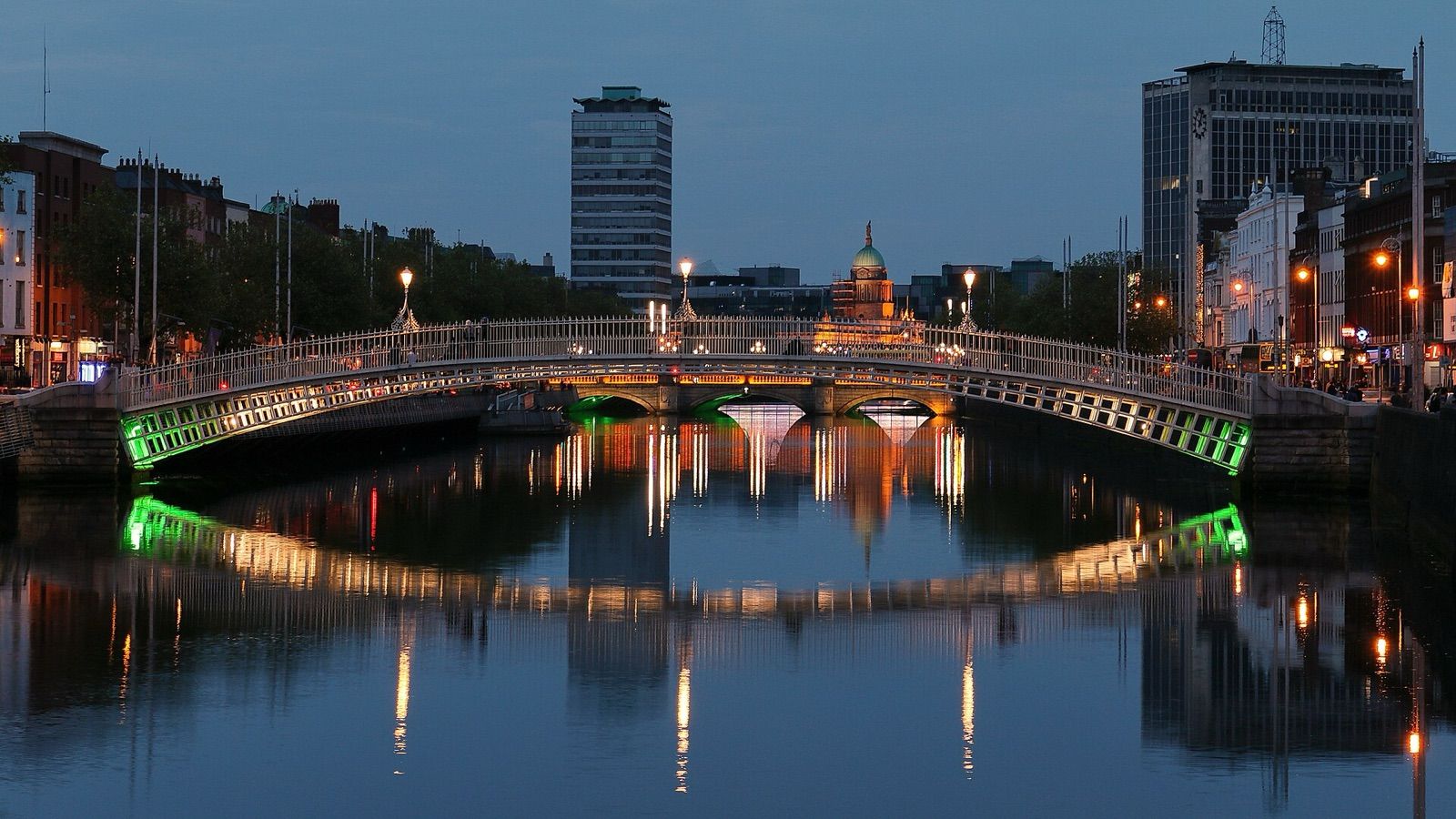
Dublin is a small capital with a big reputation, and most of what visitors want to see sits within a half-hour walk of the River Liffey. That makes choosing a base less about distance and more about noise, character and value: accommodation in Dublin is in short supply and rarely cheap, so it pays to know what each area offers before you book. Here's how the main neighbourhoods compare.
The quick answer
- First visit, want to walk everywhere: Grafton Street and St Stephen's Green.
- Pubs and live music on the doorstep: Temple Bar, if you don't mind noise.
- Quiet and elegant, still central: Georgian Dublin around Merrion Square.
- Local pubs and a village feel: Smithfield and Stoneybatter.
- Modern hotels, business and events: the Docklands.
- Leafy and calm, near the stadiums: Ballsbridge.
- Cafés, canal walks and a residential base: Portobello and Rathmines.
Temple Bar: the lively, loud heart
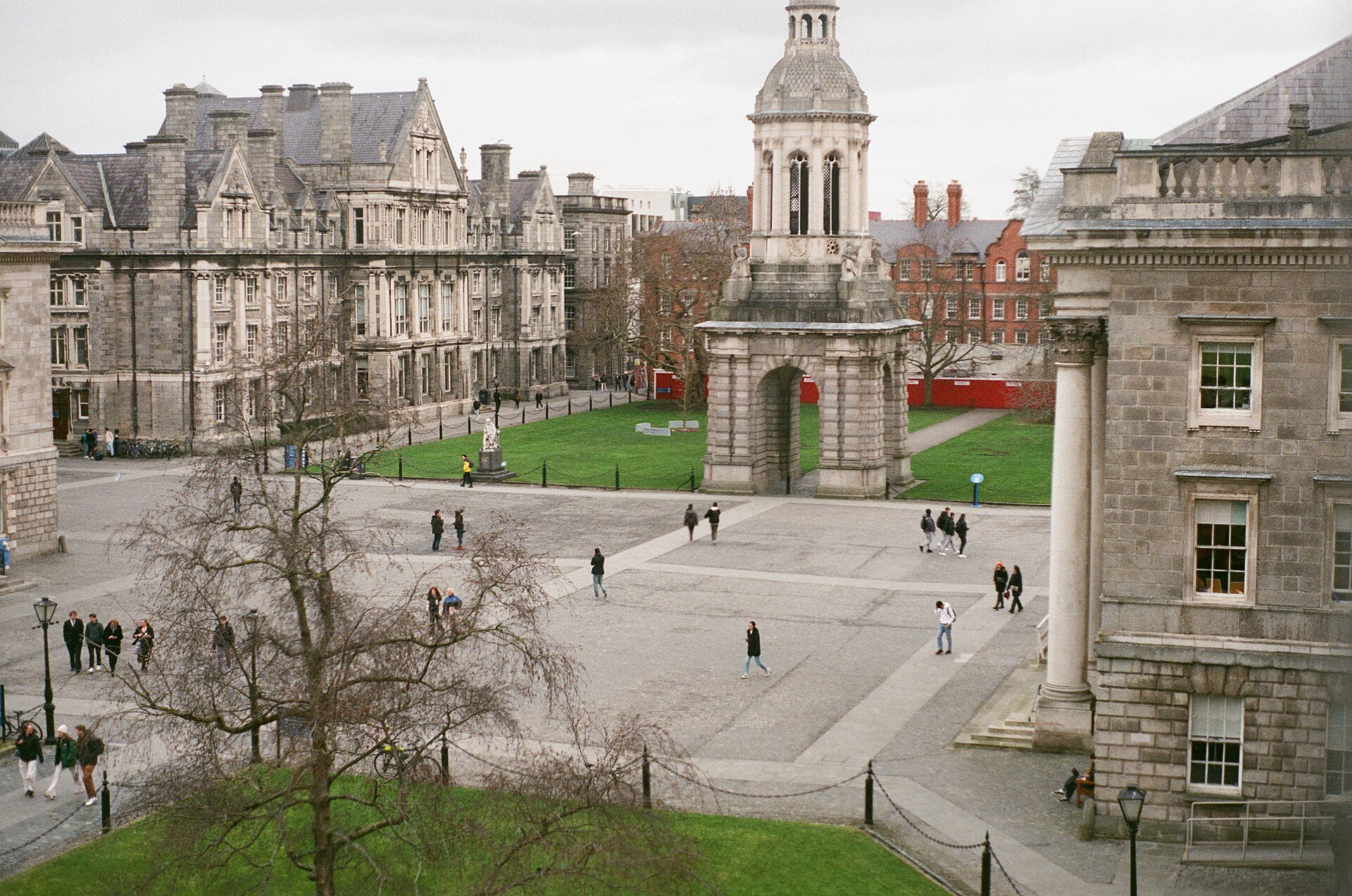
Temple Bar is the cobbled grid of lanes between Dame Street and the Liffey, packed with pubs, restaurants, small galleries and live traditional music. It's central in every sense: Trinity College, Dublin Castle and the Ha'penny Bridge are all a few minutes away.
Good for: travellers who want to be out late and have everything within a short stroll. Consider: it's the city's main party zone, popular with stag and hen groups, and many streets are loud well past midnight, especially at weekends. Food and drink here are generally pricier than a few streets away. If you want the atmosphere without the noise, stay nearby and walk over.
Grafton Street and St Stephen's Green: the classic centre
South of Trinity College, pedestrianised Grafton Street is the city's main shopping street, with buskers, cafés and side streets full of pubs and restaurants. At its top is St Stephen's Green, a Victorian park, with the Luas tram stop beside it.
Good for: first-time visitors, shoppers and anyone who wants the most central, practical base. Consider: it's busy during the day and rooms are among the most expensive in the city. Streets just off the main thoroughfare are often quieter.
Georgian Dublin: squares and townhouses
East of St Stephen's Green, the streets around Merrion Square and Fitzwilliam Square are lined with the red-brick Georgian terraces and coloured front doors that feature on so many postcards. The National Gallery, the national museums and Government Buildings are close by, and many of the townhouses now hold small hotels and guesthouses.
Good for: couples, culture lovers and anyone who prefers quiet evenings a short walk from the centre. Consider: converted townhouses often have steep stairs, no lift and rooms that vary a lot in size. The area is largely offices, so it's quiet at night and on Sundays.
Smithfield and Stoneybatter: local character
North of the Liffey and west of the centre, Smithfield is built around a large cobbled square, with the old Jameson distillery on one side and the Luas Red line running through. Stoneybatter, just beyond it, feels like a small town within the city, with traditional pubs, cafés and bakeries. Phoenix Park, one of the largest enclosed city parks in Europe, is close by, and the Guinness Storehouse is across the river.
Good for: repeat visitors, longer stays and travellers who want neighbourhood pubs rather than tourist ones. Consider: it's a 20–25 minute walk or a tram ride to Grafton Street, and the choice of hotels is limited, with more apartments and guesthouses than big hotels.
Docklands: modern and business-focused
Dublin's former docks, on both banks of the river east of the centre, are now glass offices, apartment blocks and large modern hotels. Grand Canal Dock on the south side is home to many technology companies and to a theatre, while the north bank has the Convention Centre Dublin and the city's biggest indoor concert arena. The area is flat and well connected by Luas, DART and bus.
Good for: business trips, conferences, concerts and travellers who value modern rooms and space. Consider: it can feel quiet and corporate in the evenings, especially at weekends, and it lacks the historic atmosphere of the older streets. The centre is a 15–25 minute walk depending on where you are.
Ballsbridge: leafy and upmarket
South-east of the centre, Ballsbridge is a smart district of Victorian houses, embassies and tree-lined roads. The Aviva Stadium, the RDS showgrounds and Herbert Park are here, and DART and frequent buses run into town.
Good for: families, embassy business, rugby and football matches, and events at the RDS. Consider: it's residential and quiet in the evenings, and the centre is a 25–30 minute walk. Big match and event days fill hotels quickly and push rates up.
Portobello and Rathmines: canal-side and residential
Just south of the Grand Canal, Portobello is a small area of terraced streets with cafés and restaurants, a short walk from the bars and venues of Camden Street and Wexford Street. Rathmines, a little farther south, is a busy residential suburb with its own high street, pubs and restaurants, popular with students and young professionals.
Good for: longer stays, budget-conscious travellers and anyone who likes walking along the canal. Consider: there are relatively few hotels, so options are mainly guesthouses and rentals. Portobello is about a 15–20 minute walk from St Stephen's Green; Rathmines is farther, and you'll probably take the bus.
Getting around
- From the airport: Dublin Airport is about 10 km north of the centre, and there's no rail link at the moment. Several express bus services and regular city buses run into town, and taxis are plentiful. Journey times vary a lot with traffic.
- Walking: the centre is compact and mostly flat, and walking is often the quickest option.
- Luas: two tram lines, the Red and the Green, cross in the city centre and cover Smithfield, the Docklands, St Stephen's Green and southern suburbs.
- DART: the coastal suburban railway runs through the city to seaside towns such as Howth to the north and Dún Laoghaire, Dalkey and Bray to the south, making for easy day trips.
- Tickets: a rechargeable travel card works on buses, Luas and DART and usually works out cheaper than paying for each journey separately. Check the current options when you arrive.
Practical tips before you book
- Book early. Dublin has one of the tightest hotel markets in Europe, and rugby internationals, big concerts and conferences can fill the city. Check the events calendar for your dates.
- Check the exact street, especially near Temple Bar, Camden Street and Harcourt Street, where late-night venues can mean noise until the early hours.
- Ask about lifts and room sizes in Georgian and Victorian buildings; rooms at the top of the stairs are often the smallest.
- Pack a rain jacket at any time of year. Showers are frequent, but they rarely last long.
- Consider the northside and the canal belt if central prices are high; good bus and tram links make them practical bases.
Choose Grafton Street or Georgian Dublin for convenience and calm, Temple Bar only if you plan to be out late, and Stoneybatter or Portobello if you'd like to see how Dubliners actually live.
Bloiq is reader-supported. Some links may earn us a commission; it never affects what we write. How we make money.
Cover photo: Robert Linsdell from St. Andrews, Canada, CC BY 2.0, via Wikimedia Commons
_(32094198423).jpg)