Home / Travel / Denmark · Where to stay
Where to stay in Copenhagen: the neighbourhoods compared
Indre By, Nyhavn, Christianshavn, Vesterbro, Nørrebro, Østerbro and Frederiksberg compared: how Copenhagen's areas differ and who each one suits best.
This guide contains affiliate links, marked as such. If you book through them, Bloiq may earn a commission at no extra cost to you.
Copenhagen is compact, flat and easy to get around, so there's no truly bad place to stay. What changes from one area to the next is the mood: royal and polished in one district, canal-side and bohemian in another, residential and quiet a short bike ride away. It's also one of Europe's more expensive cities for hotels, so knowing which area suits you helps you spend where it counts. Here's how the main neighbourhoods compare.
The quick answer
- First visit, want to walk everywhere: Indre By, the old centre.
- Harbour views and classic postcard Copenhagen: Nyhavn and Frederiksstaden.
- Canals, character and a village feel: Christianshavn.
- Food, bars and the main station: Vesterbro.
- Young, multicultural and local: Nørrebro.
- Quiet, leafy and family-friendly: Østerbro or Frederiksberg.
- Conferences, early flights and modern hotels: Ørestad.
Indre By: the old centre
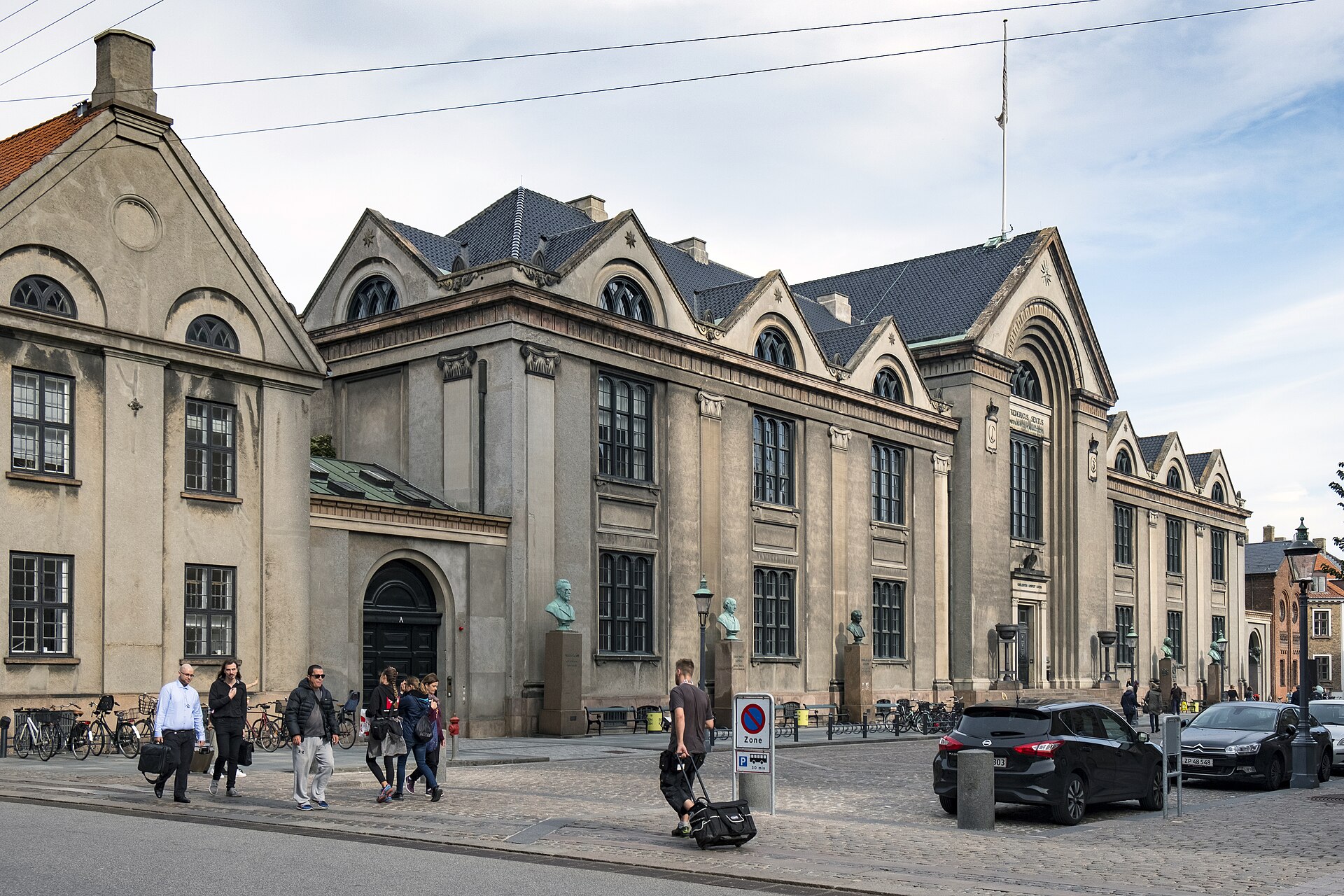
Indre By ("inner city") is the historic core inside the old ramparts. It holds the long pedestrian shopping street of Strøget, the square of Kongens Nytorv, Rosenborg Castle and its gardens, the Round Tower and the Latin Quarter around the university's historic buildings. Most of the city's main sights are within a 20-minute walk.
Good for: first-time visitors and short stays. Consider: it's busy by day and among the priciest areas to stay, and rooms in older buildings can be compact. Streets near bars and clubs can be noisy late at night, so check the exact location.
Nyhavn and Frederiksstaden: the harbour and the palaces
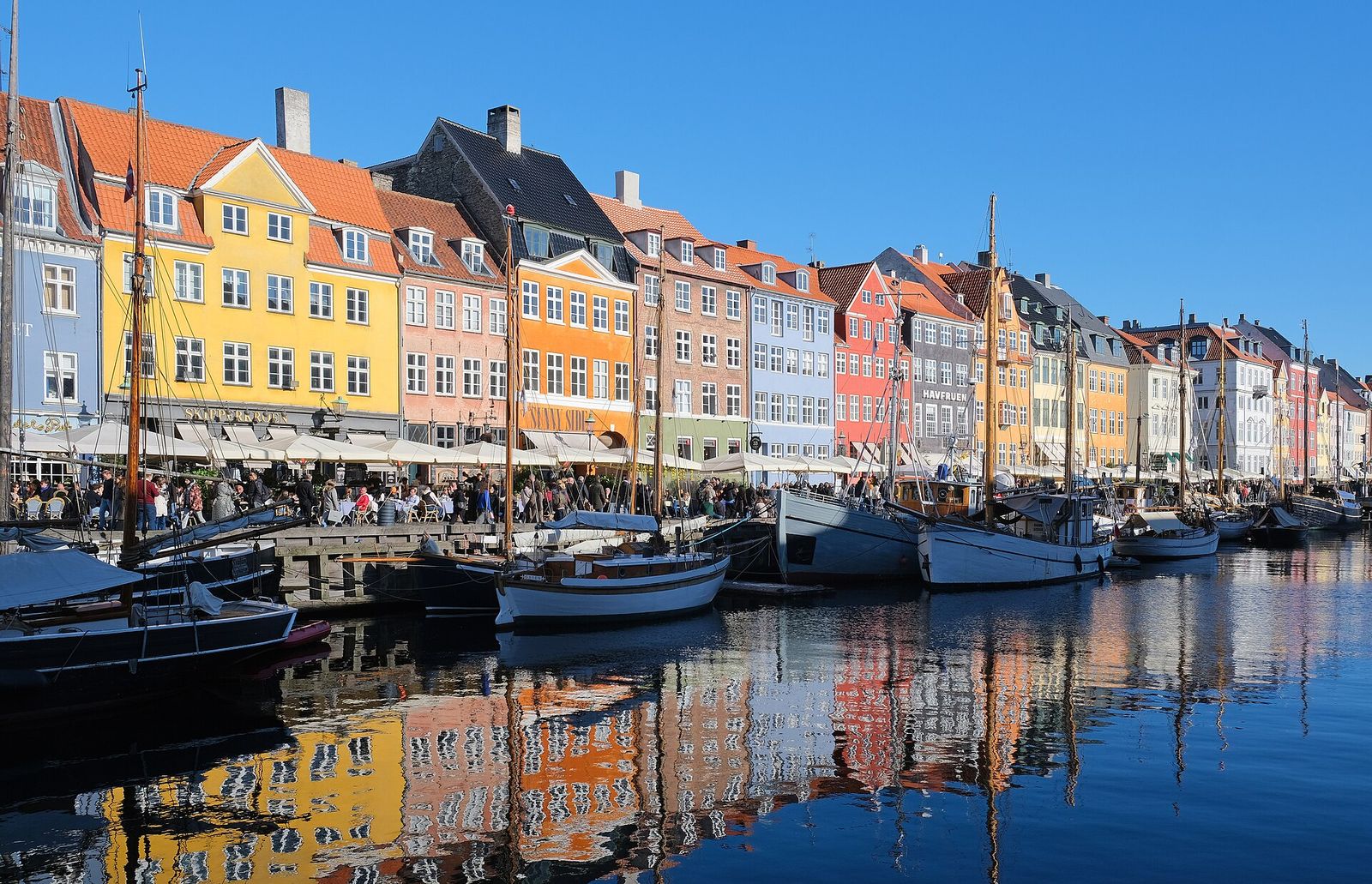
Nyhavn is the 17th-century canal lined with brightly painted townhouses and old wooden ships, and it's where many harbour boat tours begin. Just north, Frederiksstaden is an elegant 18th-century district laid out around Amalienborg, the royal residence, and the domed Marble Church. It's calm, grand and close to the waterfront.
Good for: couples and anyone who wants the classic views on the doorstep. Consider: the Nyhavn quayside is crowded in summer and its restaurants are aimed at visitors. Frederiksstaden is quiet in the evening, with fewer places to eat on the doorstep.
Christianshavn: canals and houseboats
Across the inner harbour, Christianshavn was built in the 17th century on reclaimed land and still has the feel of a small town, with canals, houseboats and cobbled streets. Our Saviour's Church, with its spiral spire, is here, as is Freetown Christiania, the self-governing community founded in 1971. The former industrial island of Refshaleøen, a short trip beyond, now has food halls, restaurants and event spaces.
Good for: repeat visitors and travellers who like atmosphere and walks by the water. Consider: there are fewer hotels than in the centre, so much of the choice is apartments. In Christiania, follow the residents' rules, including on photography.
Vesterbro: food, nightlife and the station
West of the Central Station and the Tivoli Gardens, Vesterbro is a former working-class district that has become one of the city's liveliest. The Meatpacking District (Kødbyen) is full of restaurants and bars in converted industrial buildings, and Værnedamsvej and Istedgade have cafés and small shops. There's a wide range of hotels, from budget to design-led.
Good for: food lovers, nightlife, budget travellers and day trips by train. Consider: the streets right around the station and the lower end of Istedgade can feel scruffy, and the Meatpacking District is loud on weekend nights. The quieter streets towards Frederiksberg are more restful.
Nørrebro: young and multicultural
North-west of the lakes, Nørrebro is Copenhagen's most diverse and youthful district, with independent coffee bars, bakeries and restaurants, the shops of Jægersborggade and the green calm of Assistens Cemetery, where Hans Christian Andersen and Søren Kierkegaard are buried. The bridge at Dronning Louises Bro across the lakes is a favourite evening meeting spot.
Good for: repeat visitors, longer stays and anyone who wants everyday Copenhagen. Consider: hotels are limited and apartments dominate. Parts of the district are busy at night, and it's a longer walk to the harbour.
Østerbro and Frederiksberg: leafy and residential
Østerbro is a well-off residential district of wide streets, cafés and the large park of Fælledparken. Along its harbour edge lie the star-shaped Kastellet fortress, the Little Mermaid statue and the new waterfront of Nordhavn.
Frederiksberg is technically a separate municipality, completely surrounded by Copenhagen. It's elegant and green, with Frederiksberg Gardens, the Copenhagen Zoo and café-lined streets such as Gammel Kongevej, and it's a short metro or bike ride from the centre.
Good for: families, longer stays and travellers who value quiet evenings and green space. Consider: both have fewer hotels and little nightlife, and the harbour sights are further from Frederiksberg. You'll walk, cycle or take the metro into the centre.
Islands Brygge and Ørestad: on Amager
South of the harbour on the island of Amager, Islands Brygge has a waterfront park and one of the city's open-air harbour baths, popular in summer. Further south, Ørestad is a modern district of striking architecture, a large conference centre and big hotels, a short train ride from the airport and on the metro into town.
Good for: conferences, early flights and families who want modern rooms. Consider: Ørestad lacks historic character, and evenings are quiet. Islands Brygge is only a short walk or bike ride over the harbour bridges from the centre.
Getting around
- From the airport: the airport sits close to the city on Amager. The metro runs to the centre in roughly 15 minutes, and trains reach the Central Station in a similar time.
- Metro: driverless and frequent, and it runs around the clock. The City Circle Line links the centre with Vesterbro, Frederiksberg, Nørrebro and Østerbro.
- Tickets: one ticket system covers the metro, buses, harbour buses and regional trains within zones. Buy through the official transport app or machines, and check the current zones and fares.
- Cycling: the city is flat and built for bikes, with bike-share and rental options everywhere. Local cyclists are fast and follow firm etiquette: keep right, signal your turns and stop before you step off.
- Walking and boats: the centre is easy on foot, and harbour buses and canal tours are a pleasant way to cross the water.
Practical tips before you book
- Book early for summer and for big conferences, concerts and festivals, when rooms in central areas go quickly.
- Check the exact street, not just the district: a block can make the difference between quiet and a lively bar strip.
- Air conditioning isn't universal, especially in older buildings. If you're travelling in summer, check the listing.
- Rooms can be small in the centre and Nyhavn. If space matters, look at Vesterbro, Frederiksberg or Ørestad.
- Check what's included: confirm that the final price includes all taxes and fees, and whether breakfast is part of the rate.
- Plan day trips from the Central Station: trains run to Kronborg Castle in Helsingør, the Louisiana Museum of Modern Art at Humlebæk, the Viking Ship Museum in Roskilde and across the Øresund Bridge to Malmö in Sweden. For Sweden, carry your passport or ID, as border checks may apply; check the current rules.
- Visiting the university? Our University of Copenhagen campus tour covers its campuses and how families usually plan a visit.
Choose Indre By or Nyhavn for convenience, Christianshavn or Vesterbro for character, and Østerbro or Frederiksberg for calm, and you'll have the whole city within a short ride.
Bloiq is reader-supported. Some links may earn us a commission; it never affects what we write. How we make money.
Cover photo: kallerna, CC BY-SA 4.0, via Wikimedia Commons