Home / Travel / South Africa · Where to stay
Where to stay in Cape Town: City Bowl, Waterfront, Camps Bay and more
The City Bowl, V&A Waterfront, Sea Point, Camps Bay or the Southern Suburbs? How Cape Town's main areas compare, who each suits and how to get around.
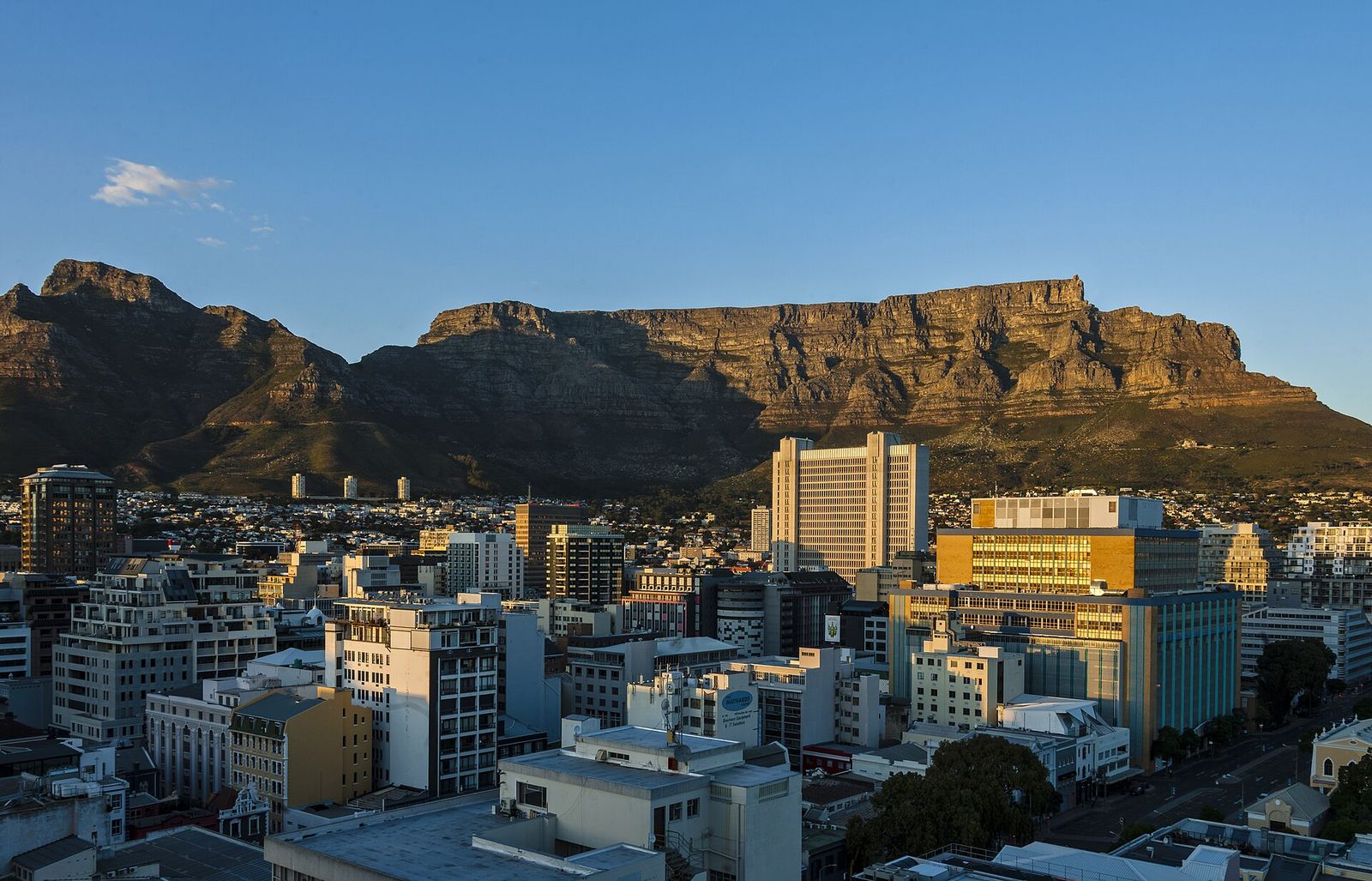
Cape Town wraps around Table Mountain, and the mountain shapes everything: which areas get the morning sun, which catch the summer wind, and how long it takes to drive from one side to the other. The city is spread out, so where you stay decides whether your days start with a café on Kloof Street, a walk on the Sea Point promenade or a view over the vineyards. Here's how the main areas compare.
The quick answer
- First visit, want restaurants and sights nearby: the City Bowl (Gardens, Tamboerskloof, the city centre).
- Easy, polished and good for families: the V&A Waterfront.
- Ocean views and a seaside walk: Sea Point, Green Point or Mouille Point.
- Beach holiday with sunsets: Camps Bay.
- Gardens, vineyards and a quieter, residential feel: the Southern Suburbs (Newlands, Claremont, Constantia).
The City Bowl: central and full of character
The City Bowl is the natural amphitheatre between Table Mountain, Devil's Peak, Lion's Head and Signal Hill. It takes in the city centre and the residential suburbs on the slopes above it.
- The city centre has the Company's Garden, museums, Greenmarket Square and busy Long and Bree streets, with many restaurants and bars.
- Gardens, Tamboerskloof and Oranjezicht are leafy suburbs of Victorian houses and guesthouses on the mountain side, close to Kloof Street's cafés and restaurants and to the lower cableway station.
- The Bo-Kaap, with its brightly painted houses on the slopes of Signal Hill, is a historic, largely Muslim community neighbourhood and a well-known sight. Visit with respect for the people who live there.
Good for: first-time visitors, food lovers and anyone who wants to be close to Table Mountain and the city's sights. Consider: the centre can be noisy around the nightlife streets, and some city-centre blocks are quiet after offices close. Gardens and Tamboerskloof are calmer but hilly.
V&A Waterfront: polished and convenient
The Victoria & Alfred Waterfront is a working harbour turned into a large district of hotels, shops, restaurants and attractions, including the Two Oceans Aquarium and the Zeitz Museum of Contemporary Art Africa. Boats to Robben Island leave from here (book well ahead), and harbour cruises run from the quays.
Good for: families, first-time visitors who want an easy, self-contained base, and anyone touring Robben Island. Consider: it's busy, commercial and among the more expensive places to stay. It feels more like a resort district than a neighbourhood.
Sea Point, Green Point and Mouille Point: the Atlantic seafront
West of the Waterfront, these neighbourhoods run along the Atlantic shore below Signal Hill and Lion's Head. A long, flat seafront promenade links them, popular with walkers, runners and cyclists from early morning, and there is a public swimming pool by the sea at Sea Point. Green Point has a large urban park next to the stadium, and Sea Point's Main Road is lined with restaurants, cafés and shops.
Good for: couples, active travellers and longer stays. There are many apartments and mid-range hotels with sea views, and it's a short drive to both the Waterfront and the city centre. Consider: the Atlantic is cold here, so this is a place for the views and the promenade rather than for swimming. Main Road traffic can be heavy.
Camps Bay: beach and sunsets
Over the ridge from the City Bowl, Camps Bay is a curving white-sand beach backed by palm trees, a strip of restaurants and the dramatic peaks of the Twelve Apostles. Clifton's sheltered beaches are just to the north, and Lion's Head rises behind. Sunsets over the ocean are the big draw.
Good for: beach holidays, couples, and travellers who want a resort feel with the mountain on the doorstep. Consider: it's one of the most expensive areas, the water is cold, and summer weekends are crowded. You'll want a car or ride-hailing to reach the rest of the city, and the beachfront road is busy in peak season.
The Southern Suburbs: gardens and vineyards
On the eastern, greener side of the mountain, the Southern Suburbs include Rondebosch (home to the University of Cape Town; see our UCT campus tour), Newlands with its cricket and rugby grounds, Claremont with large shopping centres, and Constantia, the oldest wine-producing valley in South Africa. Kirstenbosch National Botanical Garden, on the slopes of Table Mountain, is a highlight.
Good for: wine lovers, garden lovers, families visiting the university, and travellers who prefer a quiet, residential base with country-house hotels and guesthouses. Consider: you'll need a car or ride-hailing for most outings, and it's further from the Atlantic beaches. These areas often get more rain in winter than the Atlantic side.
Getting around
- From the airport: Cape Town International Airport is east of the city, typically a 20–30 minute drive to the centre outside rush hour, longer at peak times. Taxis and ride-hailing are widely used, and the MyCiTi bus runs an airport route to the city centre. Check the official site for current services.
- MyCiTi buses connect the city centre, the Waterfront and the Atlantic seaboard, including Sea Point and Camps Bay.
- Ride-hailing is the way many visitors get around the city, particularly in the evening.
- Hiring a car makes sense for the Cape Peninsula, Cape Point, the penguins at Boulders Beach and the Winelands. South Africa drives on the left, and many hotels charge for parking.
- Table Mountain Aerial Cableway: it closes in high winds or cloud, so have a flexible plan and check its official status on the day.
Practical tips before you book
- Seasons: summer (roughly December to February) is warm, dry and busiest, and prices peak over the Christmas and New Year holidays. Winter (roughly June to August) brings rain and cooler weather but fewer visitors. Spring and autumn are often a good balance.
- Wind: a strong south-easterly wind, locally called the "Cape Doctor", blows often in summer. Some beaches and slopes are more sheltered than others; ask your hotel.
- Backup power: South Africa has had scheduled power cuts in recent years. Ask whether a property has a generator or backup system.
- Local advice: as in any large city, ask your hotel which areas are best walked by day or night, and use registered taxis or ride-hailing after dark.
- Book the essentials early: Robben Island tours and popular restaurants book up in summer.
- Entry rules: check the current visa and passport requirements for South Africa on official government sources before you travel.
Choose the City Bowl for food and character, the Waterfront for ease, Sea Point for the seafront, Camps Bay for the beach and the Southern Suburbs for gardens and wine, and you'll have the mountain and the ocean close by wherever you wake up.
Bloiq is reader-supported. Some links may earn us a commission; it never affects what we write. How we make money.
Cover photo: Daniel Case, CC BY-SA 3.0, via Wikimedia Commons