Home / Travel / United States · Where to stay
Where to stay in Chicago: the neighbourhoods compared
The Loop, River North, the Magnificent Mile, the South Loop, West Loop, Lincoln Park or Wicker Park? How Chicago's main areas compare and how the 'L' links them.
This guide contains affiliate links, marked as such. If you book through them, Bloiq may earn a commission at no extra cost to you.
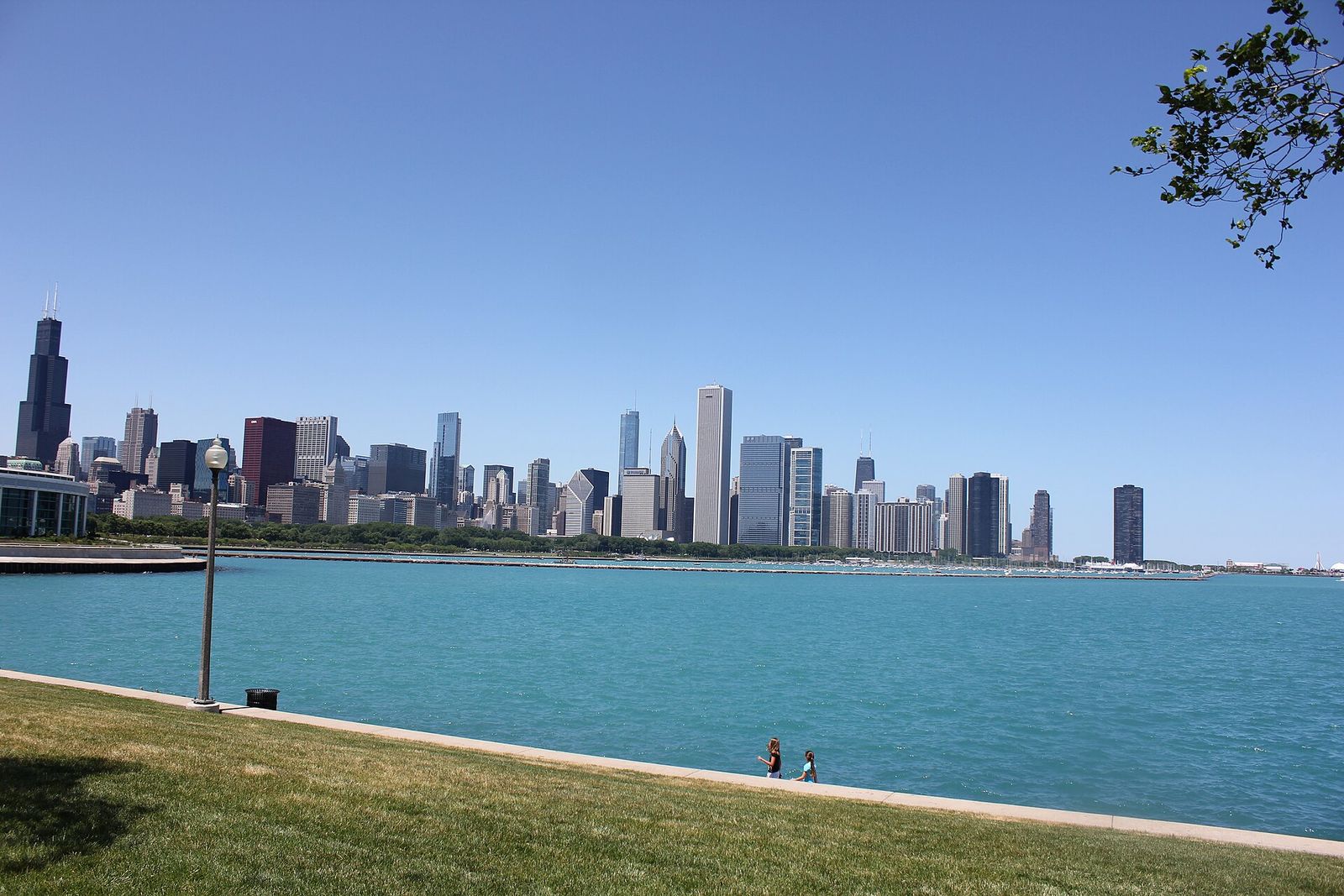
Chicago is a huge city, but most of what visitors come for, from the lakefront parks and big museums to the architecture, theatres and restaurants, sits within a few kilometres of the Loop. The neighbourhoods around it feel very different, though: some are polished and busy, some are leafy and residential, and some go quiet after office hours. Here's how the main areas compare, and how the 'L' trains tie them together.
The quick answer
- First visit, museums and transit: the Loop.
- Restaurants, bars and galleries: River North.
- Shopping, the lake and classic big hotels: the Magnificent Mile, Streeterville and the Gold Coast.
- Museum Campus, conventions and more space: the South Loop.
- Food lovers: the West Loop and Fulton Market.
- Leafy streets, the zoo and comedy: Lincoln Park and Old Town.
- Independent shops, bars and live music: Wicker Park and Bucktown.
- Early flights: near O'Hare.
The Loop: the historic centre
The Loop takes its name from the elevated railway that circles the central business district. In and around it are Millennium Park, the Art Institute of Chicago, Grant Park, the theatre district around State and Randolph streets, the Riverwalk along the south bank of the river, and many of the skyscrapers that made the city famous for architecture. Union Station, the hub for intercity and commuter trains, is on its western edge.
Good for: first-time visitors, architecture fans and anyone who wants nearly every 'L' line on the doorstep. Consider: the office-heavy western and central blocks are quiet after dark and at weekends. Hotels along Michigan Avenue and near Millennium Park give you park and lake views and livelier evenings.
River North: restaurants and nightlife
North of the river and west of Michigan Avenue, River North is a former warehouse district that now has one of the city's densest concentrations of restaurants, bars and hotels, plus a long-established gallery district in its converted loft buildings. Hubbard Street is the main nightlife strip.
Good for: couples, groups and anyone who wants plenty of choice for dinner and drinks within walking distance. Consider: some blocks are loud late on weekend nights. The Red Line stops at Grand, the Brown and Purple lines at Chicago and Merchandise Mart, and the Loop is a short walk across the river.
The Magnificent Mile, Streeterville and the Gold Coast
The Magnificent Mile is the stretch of North Michigan Avenue between the river and Oak Street, lined with flagship stores, department stores and large hotels. The castle-like Water Tower, one of the few buildings to survive the Great Chicago Fire of 1871, stands along it. To the east, Streeterville runs to the lake, with Navy Pier, the Museum of Contemporary Art, a large hospital campus and high-rise apartments. North of Oak Street, the Gold Coast is one of the city's wealthiest historic neighbourhoods, with mansions, tree-lined streets and Oak Street Beach.
Good for: shoppers, families and anyone who wants a classic big-city hotel near the lake. Consider: it's busy, and prices are among the highest in the city. The Red Line runs under State Street, a few blocks west; Streeterville has no 'L' station, so you'll walk or take a bus.
The South Loop: museums and conventions
Just south of the Loop, the South Loop mixes converted printing warehouses in Printer's Row with newer towers and lakefront parkland. The Museum Campus, with the Field Museum, Shedd Aquarium and Adler Planetarium, is on the lake here next to Soldier Field, and the vast McCormick Place convention centre is further south.
Good for: families heading to the museums, convention-goers and travellers who want more space for their money. Consider: evenings are quieter, with fewer restaurants than River North, and rates jump when big conventions or games are on. Roosevelt station serves the Red, Green and Orange lines.
The West Loop and Fulton Market: the food district
West of the river, the old meatpacking and wholesale produce district has become one of the city's best-known places to eat, centred on Randolph Street and Fulton Market. Warehouses now hold design hotels, offices, rooftop bars and food halls. The arena used by the city's basketball and hockey teams is further west.
Good for: food lovers, younger travellers and business visitors with offices nearby. Consider: hotels are mostly new and often expensive, and the streets beyond the main strips can feel empty at night. The Green and Pink lines stop at Morgan, and Union and Ogilvie stations are within walking distance.
Lincoln Park and Old Town: leafy and residential
Lincoln Park is both the city's largest park, running along the lakefront with beaches, a conservatory and the free Lincoln Park Zoo, and the neighbourhood of Victorian houses, greystones and low-rise apartment buildings beside it. Old Town, just south, has historic houses and the Second City improv theatre. Further north, Lakeview has the historic baseball park in Wrigleyville and the Northalsted LGBTQ+ district.
Good for: families, repeat visitors, and runners and cyclists who want the lakefront on the doorstep. Consider: it's mostly residential, so hotels are few and you may be choosing between small hotels and apartments. The Red, Brown and Purple lines reach downtown in about 10–15 minutes.
Wicker Park and Bucktown: independent and lively
North-west of downtown along Milwaukee Avenue, Wicker Park and neighbouring Bucktown are known for independent boutiques, vintage shops, coffee bars, cocktail bars and music venues. The 606, a disused elevated rail line turned walking and cycling trail, runs between them.
Good for: younger travellers, repeat visitors and anyone who prefers street life to landmarks. Consider: there are only a handful of hotels, mostly boutique, and weekend nights are noisy on the main streets. The Blue Line from Damen reaches the Loop in about 10–15 minutes and runs straight to O'Hare.
How the areas compare
| Area | Feel | Transit | Best for |
|---|---|---|---|
| The Loop | Historic, business | Excellent (most 'L' lines) | First visits, museums |
| River North | Busy, lively | Red, Brown, Purple lines | Restaurants, nightlife |
| Magnificent Mile / Streeterville / Gold Coast | Upscale, polished | Red Line, buses | Shopping, the lake |
| South Loop | Calmer, spacious | Red, Green, Orange lines | Museum Campus, conventions |
| West Loop | Trendy, food-focused | Green, Pink lines, Union Station | Food lovers |
| Lincoln Park / Old Town | Leafy, residential | Red, Brown, Purple lines | Families, parks |
| Wicker Park / Bucktown | Independent, young | Blue Line | Bars, boutiques |
| Near O'Hare | Functional | Blue Line, hotel shuttles | Flights |
Getting around
- From O'Hare: the Blue Line runs 24 hours a day and reaches the Loop in about 40–45 minutes. Many hotels in Rosemont, next to the airport, run shuttles, which suits early departures.
- From Midway: the smaller airport, on the South West Side, is linked to the Loop by the Orange Line in roughly 25 minutes.
- The 'L': colour-coded lines radiate from downtown. The Red and Blue lines run under the Loop in subways, and several others circle it on the elevated tracks.
- Paying: tap a contactless bank card or phone, or use the transit agency's fare card or app. Multi-day passes are available; check the current fares and options on the transit agency's website.
- Finding your way: addresses count outwards from State and Madison streets, the zero point of the city grid, at roughly 800 numbers to the mile (about 1.6 km).
- Water taxis and bikes: water taxis run on the river in the warmer months, and bike share docks are all over the central neighbourhoods.
Practical tips before you book
- Check the events calendar. Large trade shows at McCormick Place, summer music festivals in Grant Park, the marathon in October and big games push rates up across downtown.
- Weather matters. Winters are cold and windy, and summers can be hot and humid. In winter, staying near an 'L' station, or near the Pedway, the network of underground walkways in the Loop, makes life easier.
- Compare total prices. Chicago's combined hotel taxes are among the higher ones in the United States, and some hotels add daily fees.
- Short-term rentals in Chicago must be registered with the city, and some areas restrict them. Check that the listing shows a registration number and read the current rules.
- Parking downtown is expensive, and you won't need a car within the city.
- Make time for the lake. The Lakefront Trail runs for about 29 km (18 miles) along the shore and connects many of the areas in this guide.
- University visits: for campus visits, see our guides to the University of Chicago in Hyde Park and Northwestern in Evanston.
For a first visit, stay between the river and Millennium Park or just north of the river in River North, and most of the city's highlights are a walk or a short train ride away.
Bloiq is reader-supported. Some links may earn us a commission; it never affects what we write. How we make money.
Cover photo: Raidarmax, CC BY-SA 3.0, via Wikimedia Commons