Home / Travel / United Kingdom · Itineraries
London in 4 days: a first-timer's itinerary, grouped by area
A four-day London plan that groups sights by neighbourhood to cut travel time: Westminster, the Tower and South Bank, Kensington's museums and Greenwich.
This guide contains affiliate links, marked as such. If you book through them, Bloiq may earn a commission at no extra cost to you.
London is huge, and the easiest way to waste a trip is to criss-cross it on the Tube. This four-day plan groups the big sights by area so that each day is mostly walking, with one or two short rides. It suits a first visit at a steady but not frantic pace, and many of the museums on the list are free, which makes it easy to drop in for an hour rather than committing a whole day.
How this plan works
- Each day covers one part of the city, so you can swap days around to suit the weather or booking availability.
- Mornings go to the sights that get busiest, when queues are shortest.
- Evenings are left fairly open for a show, a pub or simply a walk by the river.
- Allow for walking. Expect to cover 10–15 km a day on foot. Comfortable shoes matter more than anything else you pack.
Day 1: Westminster, St James's and the West End
Morning: start at Westminster Abbey, the coronation church of English and British monarchs since 1066. It's a working church, so sightseeing hours are limited on Sundays and around services. Step outside to Parliament Square for the Houses of Parliament and the Elizabeth Tower, which houses the bell known as Big Ben. Tours of Parliament run on selected days when the Houses aren't sitting.
Afternoon: walk through St James's Park to Buckingham Palace. The Changing of the Guard ceremony takes place on set days, not every day, so check the schedule if you want to see it. Then head up to Trafalgar Square and the National Gallery, whose permanent collection is free to visit. Its neighbour, the National Portrait Gallery, is also free.
Evening: Covent Garden and Soho are a short walk away. This is the heart of Theatreland, so it's the natural evening for a West End show.
Day 2: The Tower, the City and the South Bank
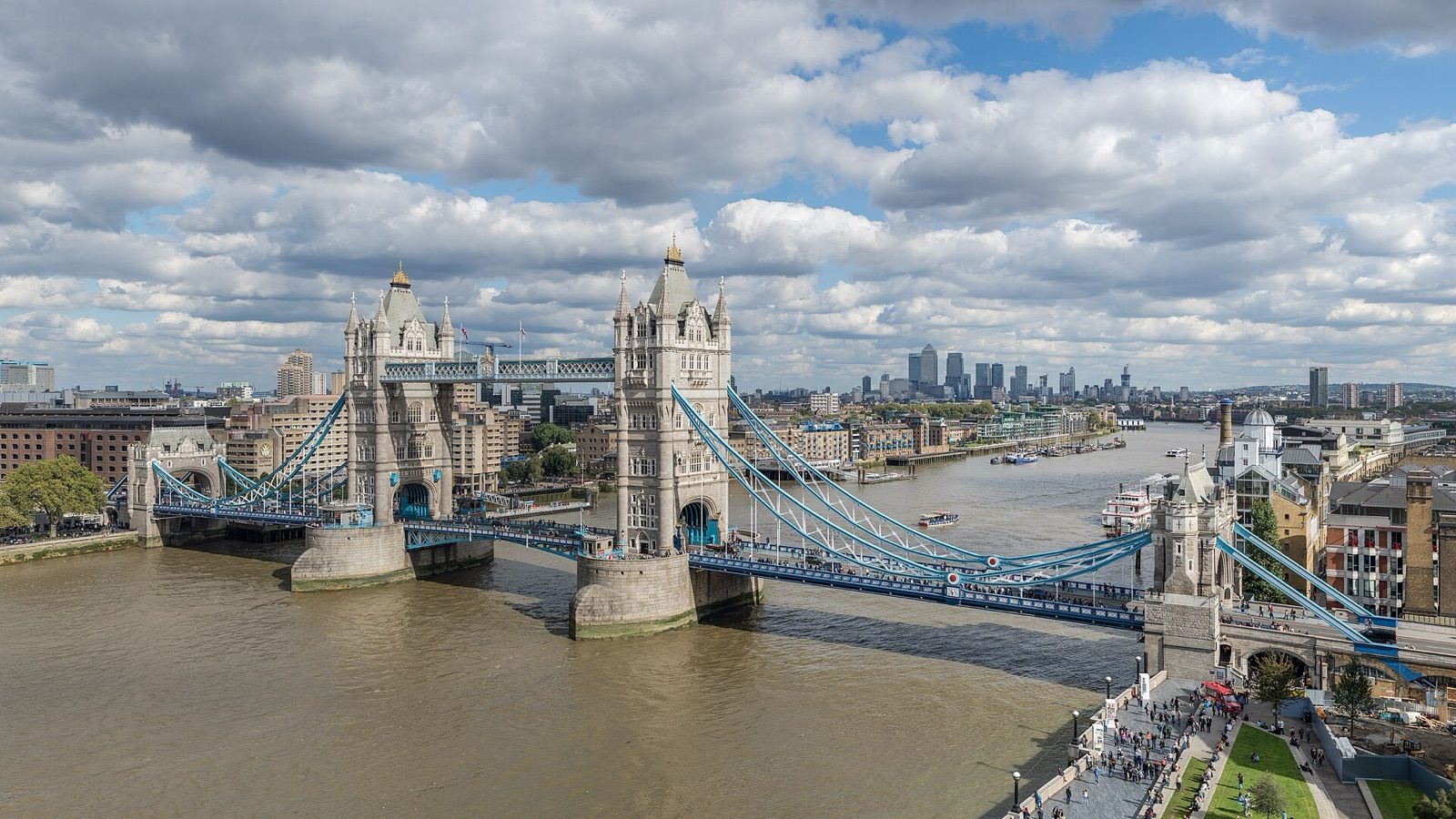
Morning: be at the Tower of London when it opens. See the Crown Jewels first, before the queue builds, then join one of the tours led by the Yeoman Warders. Afterwards, walk onto Tower Bridge; the high-level walkways, with sections of glass floor, are part of a separate paid exhibition.
Afternoon: cross to the south bank of the Thames and walk west along the river. Borough Market is good for lunch (it's busiest at weekends and some traders don't open every day), and Southwark Cathedral sits right beside it. Continue past the reconstructed Shakespeare's Globe to Tate Modern, a former power station with a free permanent collection of modern art. Cross the Millennium Bridge to St Paul's Cathedral, where you can climb to the galleries in the dome.
Evening: stay on the South Bank for the lights on the river, or book a play at the Globe (open-air, so bring a layer) or the National Theatre.
Day 3: Kensington's museums and Hyde Park
Morning: South Kensington has three major free museums within a few minutes' walk of each other. Choose one or two rather than all three: the Natural History Museum (dinosaurs and a spectacular building), the Victoria and Albert Museum (art, design and fashion) or the Science Museum (best for children and engineering fans). Special exhibitions charge admission.
Afternoon: walk north into Hyde Park and Kensington Gardens, past the Albert Memorial and the Serpentine lake, to Kensington Palace. From the northern edge of the park, it's a short walk or bus ride to Notting Hill for its pastel terraces and Portobello Road, where the market is at its biggest on Saturdays.
Evening: Notting Hill and nearby Bayswater have plenty of pubs and restaurants, or head back towards the centre.
Day 4: Greenwich and the British Museum
Morning: take a river bus down the Thames to Greenwich (the view of the City and Canary Wharf from the water is a sight in itself), or the DLR if you're short on time. Walk up through Greenwich Park to the Royal Observatory to stand on the Prime Meridian, and enjoy the view back to the city. The National Maritime Museum is free, and the tea clipper Cutty Sark sits beside the river.
Afternoon: return to central London and spend a few hours at the British Museum in Bloomsbury. It's free, but it's enormous; pick a handful of highlights, such as the Rosetta Stone, the Parthenon sculptures and the Egyptian galleries, rather than trying to see everything.
Evening: a final dinner in Covent Garden, Soho or around King's Cross, where the canal-side area at Granary Square has become a lively evening spot.
What to book ahead
Much of London is free and walk-in, but a few things are worth booking:
- West End shows: popular productions sell out, especially at weekends. Day-of discount tickets exist for many shows, but you'll need to be flexible.
- Timed entry tickets: the Tower of London, Westminster Abbey, St Paul's and the London Eye all sell timed tickets online, which usually saves queuing time.
- Free museums: the British Museum and some others may ask you to book a free time slot in busy periods. It's quick and guarantees entry.
- Viewpoints: some free rooftop viewpoints in the City require a reservation, and slots are released a few weeks ahead.
- Popular restaurants and afternoon tea: book days or weeks ahead for weekend evenings.
Check official websites for current opening days, since ceremonies and sights occasionally close for state events.
Adapting the plan
- Rainy day: swap in Day 3's museums, the British Museum or the National Gallery. Covered markets such as Borough and Covent Garden also work in the rain.
- Travelling with children: the Natural History Museum and Science Museum are the obvious choices; the London Transport Museum in Covent Garden and a river bus ride also go down well. Build in park time.
- Slower pace: drop one major sight a day and add a café stop or a pub lunch. The South Bank walk and Greenwich work well at a stroll.
- Five days or more: add a trip to Hampton Court Palace, Kew Gardens or Camden and Regent's Canal, or a day trip out of London.
- On a budget: lean on the free museums and use contactless payment, which caps what you spend on public transport each day.
Getting around and where to stay
Tap in and out with a contactless bank card, phone or Oyster card; fares are capped daily, so a busy sightseeing day costs no more than a set amount. Buses are a good, cheap way to see the streets, and walking between neighbouring central stations is often faster than changing lines.
For this plan, a base in the West End, Bloomsbury, South Bank or near King's Cross keeps every day within a short ride. Our guide to where to stay in London compares the main areas in detail.
Practical booking tips
- Check entry rules first: many visitors to the UK now need an Electronic Travel Authorisation before they travel. Check the current rules on the official government site before you go.
- Book central hotels early for summer and school holidays, when prices rise and rooms fill up.
- Choose a hotel near a station with more than one line; it saves time every day.
- Plan Sundays carefully: some churches limit sightseeing and markets vary by day, so check each sight's days before you fix your schedule.
- Pack for changeable weather in any season: a light waterproof layer and shoes that cope with wet pavements.
Four days won't cover all of London, but grouped this way, they'll give you its landmarks, its river and its best museums without spending your trip underground.
Bloiq is reader-supported. Some links may earn us a commission; it never affects what we write. How we make money.
Cover photo: Colin, CC BY-SA 4.0, via Wikimedia Commons