Home / Travel / Universities / United Kingdom
King's College London campus tour: the Strand, Guy's and Waterloo
A guide to King's College London for future students: the Strand Campus and Bush House, the Maughan Library, Guy's Campus, Waterloo, and how to get around.
This guide contains affiliate links, marked as such. If you book through them, Bloiq may earn a commission at no extra cost to you.
King's College London was founded in 1829 under a royal charter from King George IV, with the Duke of Wellington, then prime minister, among its backers. In 1836 it became one of the two founding colleges of the University of London. It has never had a single walled campus. Instead, King's is strung along the Thames in the middle of the city, with most of its buildings between Westminster Bridge and London Bridge. This guide explains how the pieces fit together and what each one is like.
How King's is laid out
There are five campuses, and which one matters to you depends on your subject:
- Strand: the historic home, on the north bank beside Somerset House. Arts and humanities, law, social science, business and several of the sciences.
- Guy's: next to London Bridge station and the Shard. Medicine, dentistry and the life sciences.
- Waterloo: on the South Bank, behind the National Theatre. Nursing, midwifery and parts of health and education.
- St Thomas': inside the hospital facing the Houses of Parliament. Clinical teaching and research.
- Denmark Hill: in Camberwell, a few kilometres south. Psychiatry, psychology and neuroscience, beside King's College Hospital.
The first four are within about half an hour's walk of one another along the river.
The Strand Campus
The oldest part of King's is the King's Building, designed by Sir Robert Smirke, the architect of the British Museum, and opened in 1831. It was built to complete the riverside frontage of Somerset House. Inside is the college chapel, rebuilt in the 1860s by Sir George Gilbert Scott in a richly coloured style inspired by early Christian basilicas.
From the street you see the plainer Strand Building of the 1970s; the old quad is tucked behind it. King's also occupies the East Wing of Somerset House, the great 18th-century building next door, whose public courtyard hosts exhibitions and seasonal events.
Bush House
Across the road at Aldwych stands Bush House, a monumental stone building from the 1920s and 1930s. For about seventy years it was the home of the BBC World Service. King's took over the buildings in the 2010s. They now hold lecture theatres, the business school and the students' union.
The Maughan Library
A five-minute walk east, on Chancery Lane, the Maughan Library is the main library of King's and one of the most striking university libraries in Britain. The building was put up in the Victorian era as the Public Record Office, the national archive, to designs by Sir James Pennethorne, and King's converted it at the start of this century. Its best-known space is the Round Reading Room, a domed, many-sided room lined with books. Entry is generally for members of the university, but the Gothic exterior and the garden in front are easy to see from the street.
Guy's Campus
South of the river, Guy's Campus grew up around Guy's Hospital, founded in the 1720s by the bookseller and philanthropist Thomas Guy. Behind the hospital's gates is an unexpectedly calm set of Georgian courtyards joined by a colonnade, with a statue of Guy at the front and a small chapel to one side. The poet John Keats trained here as a medical student before giving up medicine for poetry.
Medicine, dentistry and the life sciences are taught here, in the shadow of the Shard. Borough Market is around the corner.
Waterloo and St Thomas'
The Waterloo Campus sits on Stamford Street, a few minutes from Waterloo station. Its main building is named after Rosalind Franklin and Maurice Wilkins, whose X-ray diffraction work at King's in the early 1950s helped reveal the double-helix structure of DNA.
Nursing has deep roots here. Florence Nightingale founded her training school for nurses at St Thomas' Hospital in 1860, and the nursing faculty at King's, which bears her name, descends from it. The St Thomas' Campus itself looks across the river to the Houses of Parliament.
Student life
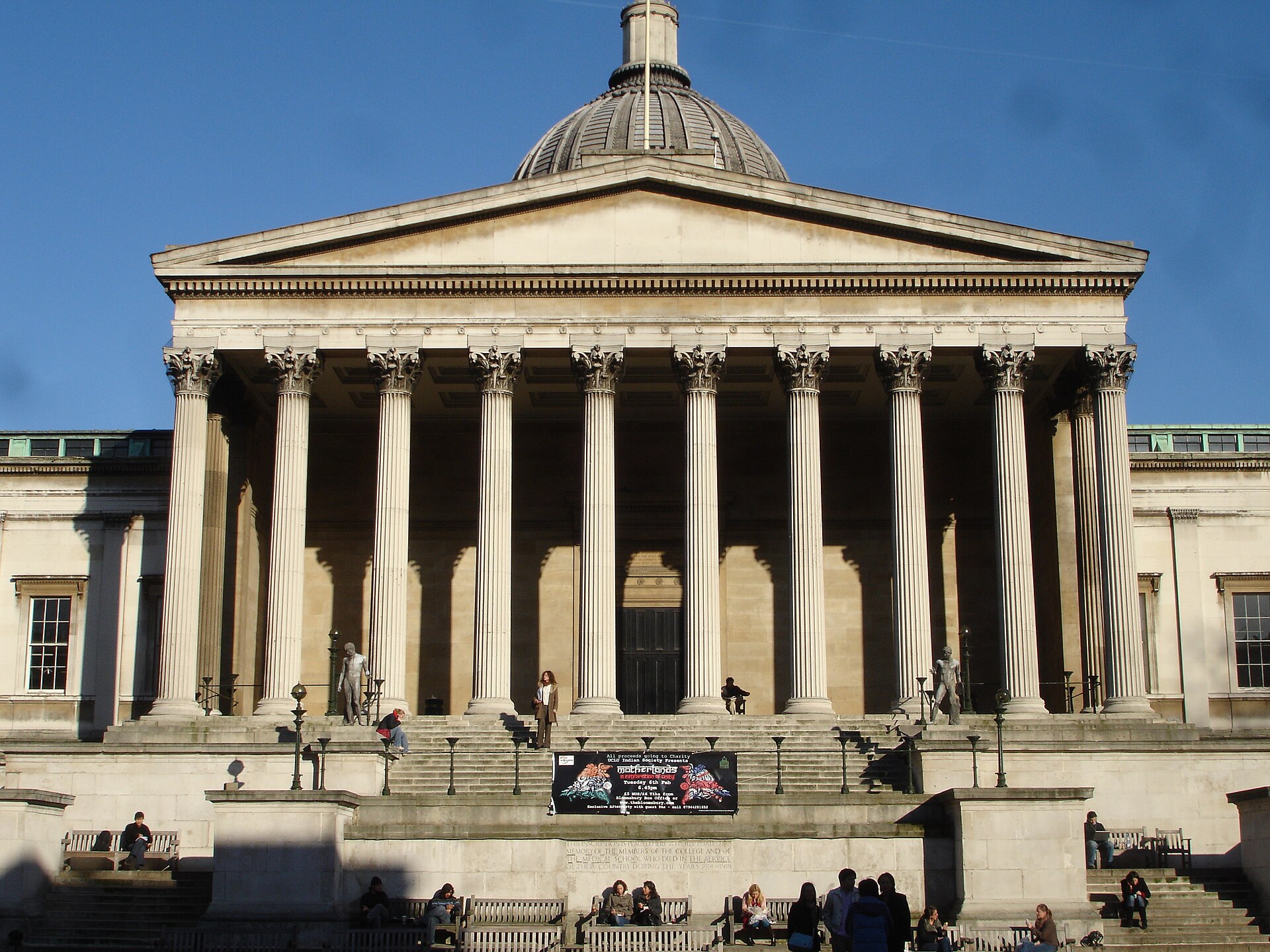
At King's, the city does much of the work that a campus does elsewhere. Students study in libraries on several sites, live in halls of residence spread across central and south London or commute from further out, and cross Waterloo Bridge between lectures. The students' union runs societies, sports clubs and venues, and there is a long, good-natured rivalry with University College London; our UCL campus tour covers the other founding college of the University of London. The college mascot is a red lion called Reggie.
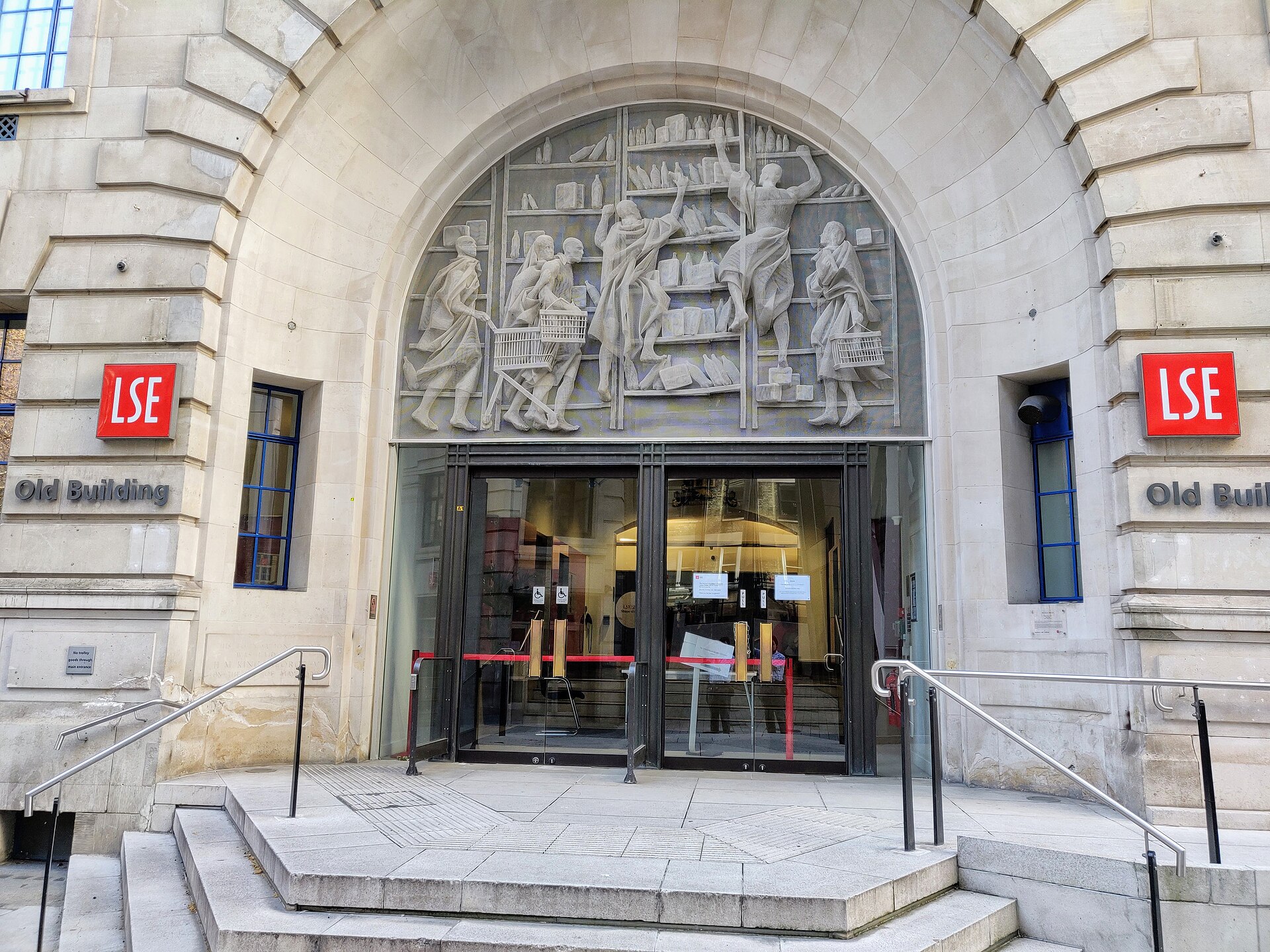
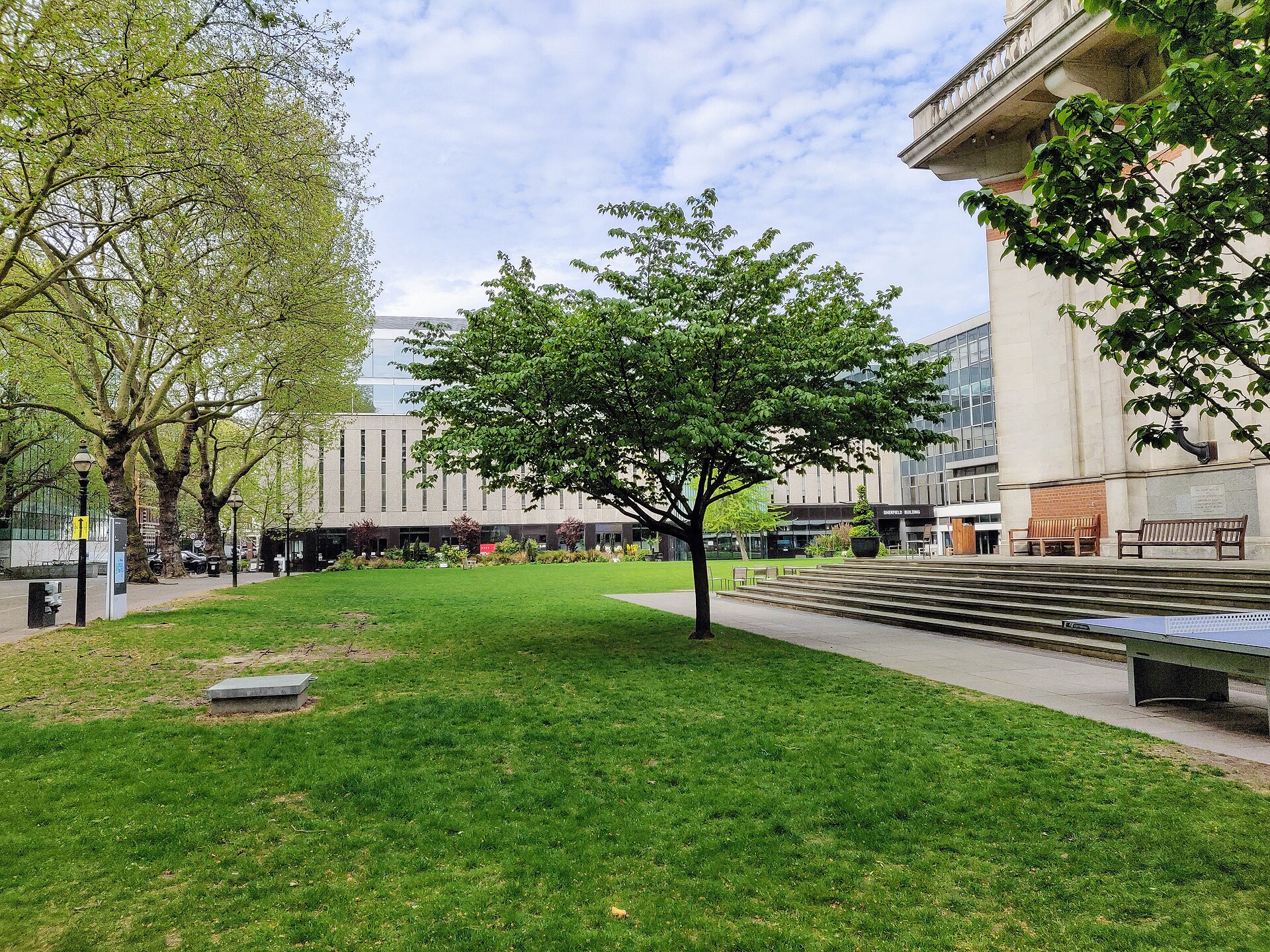
The neighbours are part of the appeal: the London School of Economics is across Aldwych, Covent Garden and the West End theatres are behind the Strand, and the South Bank's concert halls, cinemas and galleries line the opposite shore.
Seeing King's for yourself
Because King's is part of the city, much of it can be seen from public streets: the Strand frontage, Bush House, Somerset House's courtyard, the Maughan Library's exterior and the outer courtyard at Guy's. Teaching buildings and libraries are generally for students and staff. Like most British universities, King's holds events for prospective students and offers tours of its campuses; dates, formats and booking arrangements change, so check the university's official visit pages for what is currently on offer.
Getting there and around
- Strand: Temple is the nearest Underground station; Covent Garden, Holborn and Charing Cross are all within a ten-minute walk.
- Guy's: London Bridge station (Underground and National Rail) is beside the campus.
- Waterloo and St Thomas': Waterloo station serves both; Westminster station is just across the bridge from St Thomas'.
- Denmark Hill: Denmark Hill station, on the Overground and National Rail.
- On foot: Strand to Waterloo is about ten minutes over Waterloo Bridge, with one of the best views in London on the way.
Where families usually base themselves
- Covent Garden and the Strand: on the doorstep of the main campus, lively and central.
- South Bank and Waterloo: handy for the Waterloo Campus and an easy walk to the Strand.
- London Bridge and Borough: best for Guy's.
- Bloomsbury: quieter, and convenient if you are also looking at other London universities.
Our guide to where to stay in London compares these areas, and London in one day is useful if you want to add some sightseeing.
A sensible walking route
- Start in the Strand quad, then cross to Bush House and walk east to the Maughan Library.
- Return through Somerset House's courtyard and cross Waterloo Bridge to the Waterloo Campus.
- Follow the river path east to London Bridge for Guy's, finishing at Borough Market.
- Allow two to three hours, and include the campus where your own subject is taught.
Bloiq is reader-supported. Some links may earn us a commission; it never affects what we write. How we make money.
Cover photo: K Ulysses-Ono, CC BY-SA 4.0, via Wikimedia Commons