Home / Travel / Ireland · Itineraries
Dublin in 3 days: Trinity, the Liberties, Kilmainham and Howth
A three-day Dublin plan grouped by area: Trinity College and the Georgian squares, the Liberties and Kilmainham, then the cliff path and harbour at Howth.
Dublin is a small capital that rewards walking. Its medieval cathedrals, Georgian squares, national museums and best-known pubs all sit within a half-hour stroll of the River Liffey, and the sea is a short train ride away. Three days is enough to see the essentials at a comfortable pace, as long as you give each day its own area.
This plan suits first-time visitors. Day 1 covers Trinity College and the elegant south-east of the centre, Day 2 heads west through the old city and the Liberties to Kilmainham, and Day 3 takes the train to the fishing village and cliffs of Howth. Bring a waterproof layer whatever the season: Dublin showers come and go quickly.
Day 1: Trinity College and Georgian Dublin
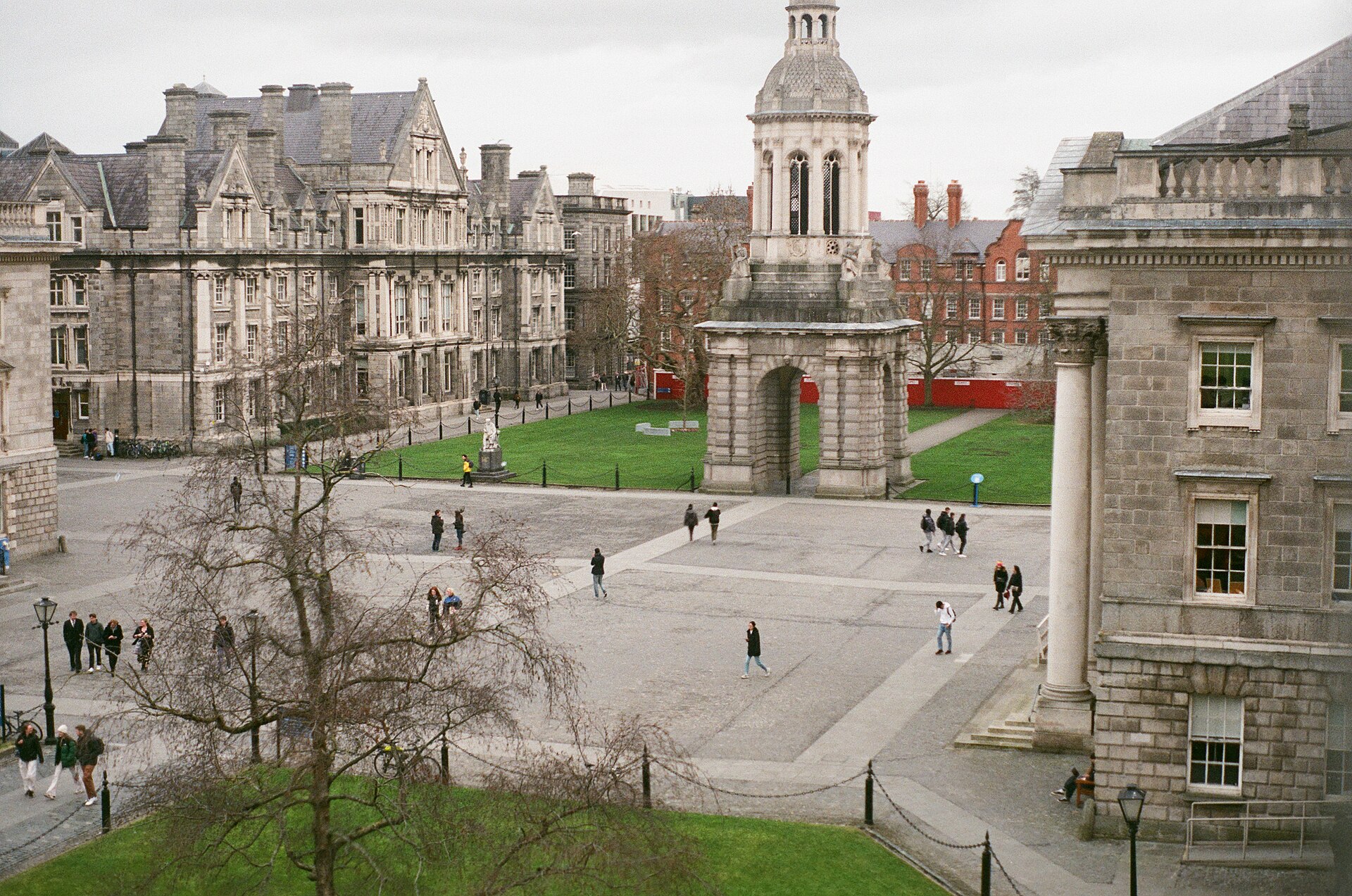
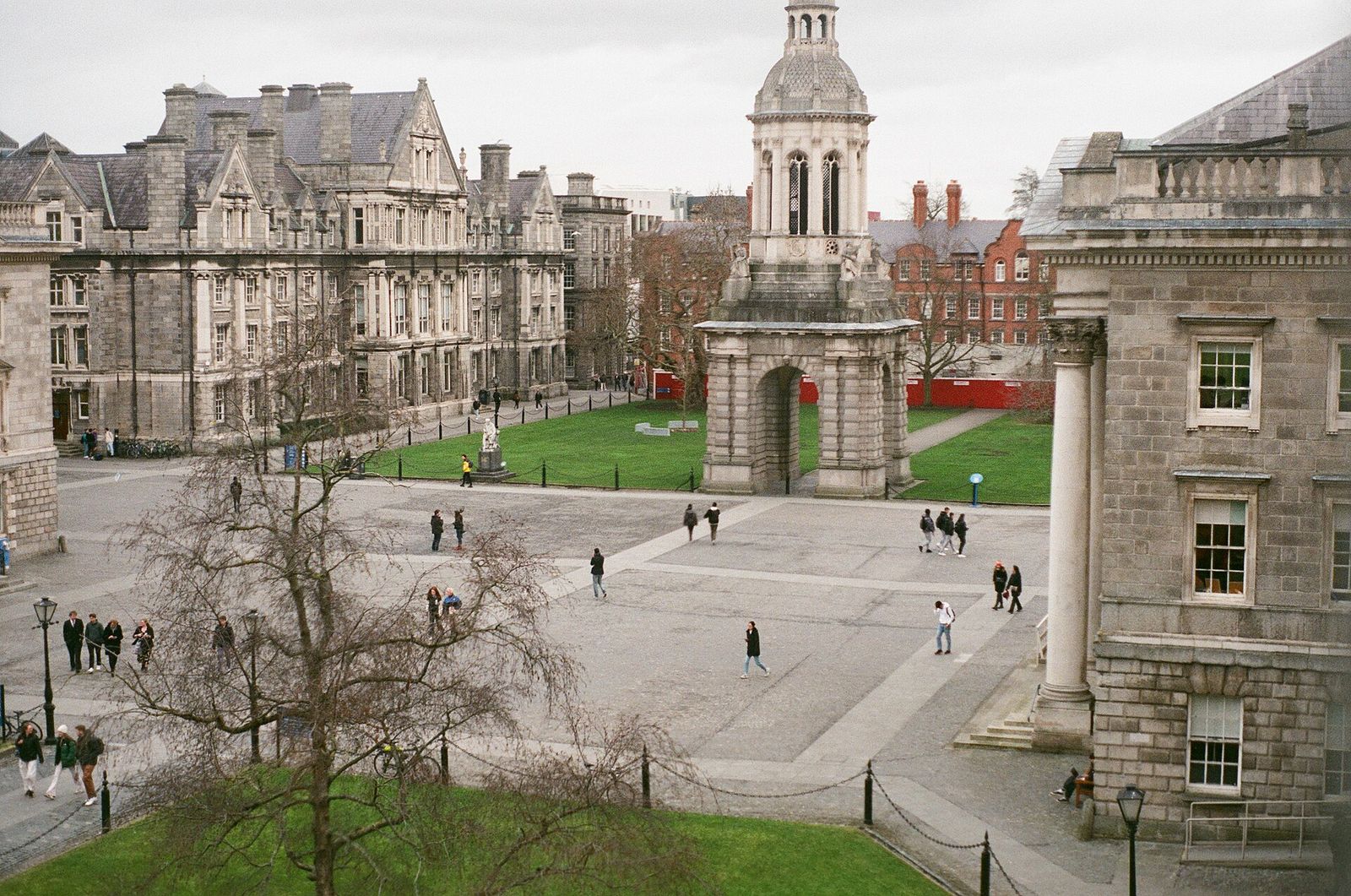
Morning. Start at Trinity College, founded in 1592, whose cobbled squares are a calm world just off busy College Green. The main draw is the Book of Kells, a richly illuminated manuscript of the four Gospels made around 800, displayed in the Old Library. The library's Long Room, a barrel-vaulted hall lined with old books, has been undergoing a long conservation project, so check what's currently on view. Go early with a timed ticket, then wander through Front Square, past the Campanile, to the quieter squares behind. Our Trinity College Dublin campus guide has more on the grounds.
Late morning. Walk east to the National Museum of Ireland – Archaeology on Kildare Street, where general admission is free. Its highlights include prehistoric gold, the Ardagh Chalice and the Tara Brooch, and the "bog bodies", preserved Iron Age remains found in Irish peat. Nearby, the National Gallery of Ireland on Merrion Square has a strong collection of Irish and European painting, also with free general entry.
Afternoon. Spend the afternoon in Georgian Dublin. Merrion Square is framed by red-brick terraces with brightly painted front doors and fanlights; the park in the middle has a colourful statue of Oscar Wilde, who grew up at number 1. Continue to Fitzwilliam Square and then St Stephen's Green, a Victorian park with a lake, bridges and memorials. On the north side of the Green, the Little Museum of Dublin tells the city's 20th-century story through guided tours, and the Museum of Literature Ireland (MoLI) in Newman House covers the city's writers, from Joyce onwards.
Evening. Walk down Grafton Street, with its buskers, then through the side streets to Temple Bar for live traditional music. It's lively and busy, so if you prefer a quieter pint, look for the older pubs on the streets around Grafton Street and Baggot Street.
Day 2: the old city, the Liberties and Kilmainham
Morning. Begin at Dublin Castle, the seat of British rule in Ireland for centuries. Guided tours visit the State Apartments and the excavated Viking and medieval foundations below. In the castle gardens, the Chester Beatty museum holds a remarkable collection of manuscripts, prints and decorative arts from Europe, the Middle East and East Asia, with free general entry.
Late morning. Walk west to Christ Church Cathedral, founded in the 11th century, with a large medieval crypt. Next door, Dublinia recreates Viking and medieval Dublin, which suits families. A few minutes south is St Patrick's Cathedral, Ireland's largest church, where Jonathan Swift was dean and is buried. Both are working churches, so services take priority. Beside St Patrick's, Marsh's Library, from the early 18th century, keeps its dark oak bookcases and the wire cages where readers were once locked in with rare books.
Afternoon. Continue through the Liberties, one of the oldest parts of the city, with its markets, distilleries and brewing history. At St James's Gate, the Guinness Storehouse tells the story of the famous stout in a former fermentation building and ends at a rooftop bar with views across the city; alcohol-free options are available. Then take a bus or walk about 20–25 minutes further west to Kilmainham Gaol, a former prison central to Irish history: leaders of the 1916 Rising were held and executed here. Visits are by guided tour only and are often booked out, so reserve well ahead. If time allows, the grounds of the Royal Hospital Kilmainham next door, home to the Irish Museum of Modern Art, are a peaceful end to the afternoon.
Evening. Head back towards the centre for dinner around Camden Street and Wexford Street, a busy strip of restaurants, bars and music venues.
Day 3: Howth and the north side
Morning. Take the DART, the coastal suburban railway, from the city centre to Howth, at the end of the northern line. The trip takes around half an hour and runs along Dublin Bay. Howth is a fishing village and harbour on a rocky headland. From the village, the Howth Cliff Path loops around the headland past heather, sea cliffs and views of the Baily Lighthouse. Several waymarked loops of different lengths start near the station, from about an hour to most of a morning. Paths are close to unfenced cliff edges in places, so stay on the trail and keep children close, especially in wind.
Lunch. Back at the harbour, the West Pier has seafood restaurants and fish shops, and seals often appear near the boats. In good weather, small boats cross to Ireland's Eye, an uninhabited island just offshore with seabird colonies; check sailings locally. Howth Castle grounds, near the station, have rhododendron gardens in late spring.
Afternoon. Return to the city and explore the north side. Walk up O'Connell Street to the GPO, the General Post Office, headquarters of the rebels during the 1916 Rising, where a visitor centre tells the story. Then follow the river east to the Docklands: EPIC The Irish Emigration Museum in the CHQ building covers why millions left Ireland and what they did abroad.
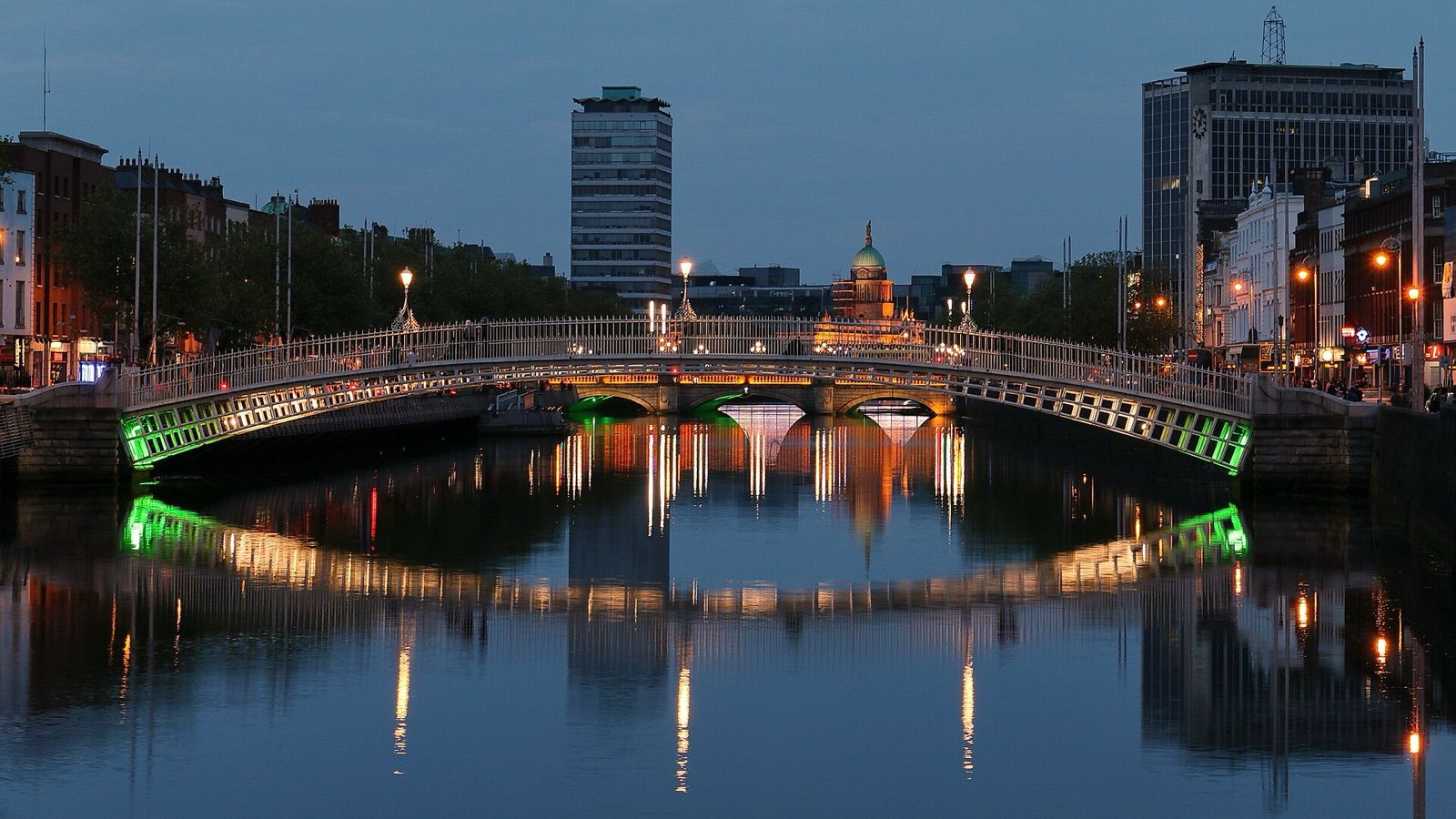
Evening. See a play at the Abbey Theatre, Ireland's national theatre, or the nearby Gate Theatre, or finish with dinner by the river. The Ha'penny Bridge, a cast-iron footbridge from 1816, is a classic sight after dark.
What to book ahead
- Book of Kells and the Old Library: timed tickets sell out, especially in summer and on weekends.
- Kilmainham Gaol: guided tours only, often fully booked weeks ahead in peak season.
- Guinness Storehouse: timed entry; booking online usually saves queuing.
- Little Museum of Dublin and Dublin Castle tours: small groups; booking is sensible.
- Big match days and concerts at Croke Park or the Aviva Stadium fill hotels quickly; check the calendar before choosing dates.
Opening hours change by season and some sites close for events, so check each official site before you go.
Adapting the plan
- Rain: swap Howth for a longer morning at the national museums, the Chester Beatty and EPIC, which are all indoors.
- With children: Dublinia, the Natural History Museum on Merrion Street and Dublin Zoo in Phoenix Park usually go down well.
- Slower pace: drop the north side on Day 3 and stay longer in Howth, or split Day 2 across two days.
- South instead of north: the DART also runs south to Dún Laoghaire, with its long piers, and Dalkey, with its castle and views of Killiney Bay.
- Sport: the GAA Museum and stadium tour at Croke Park introduce Gaelic football and hurling.
Practical booking tips
- Where to stay: Grafton Street and St Stephen's Green put most of this plan on foot; Georgian Dublin is quieter, and Smithfield and Stoneybatter are closer to Kilmainham. Our guide to where to stay in Dublin compares the areas. Accommodation is in short supply, so book early.
- Getting around: walking is easiest in the centre. Buses, the two Luas tram lines and the DART cover the rest, and a rechargeable travel card is usually cheaper than single tickets; check the current options.
- From the airport: there's no rail link, but express and city buses and taxis run into the centre. Allow extra time at rush hour.
- Entry rules: Ireland is in the EU but not in the Schengen area, so its entry requirements differ from much of mainland Europe. Check the current rules on official government sites before you travel.
Bloiq is reader-supported. Some links may earn us a commission; it never affects what we write. How we make money.
Cover photo: Adam McGrath, CC BY-SA 4.0, via Wikimedia Commons