Home / Travel / United Kingdom · Day trips
Day trips from London: Oxford, Cambridge, Bath, Windsor and Brighton
How to reach England's best day-trip destinations from London by train, what to see in each, how long to allow, and how to keep rail fares under control.
This guide contains affiliate links, marked as such. If you book through them, Bloiq may earn a commission at no extra cost to you.
London has enough to fill weeks, but some of England's most memorable places are only an hour or so away by train: university cities, a Roman spa town, a royal castle and the seaside. The trick is choosing the right trip for your interests and buying your rail tickets sensibly. Here's how the main options compare.
The quick comparison
| Trip | Typical train time | From | Best for |
|---|---|---|---|
| Windsor | 35–60 minutes | Paddington (change at Slough) or Waterloo | Royal history, half-day trips |
| Oxford | About 1 hour | Paddington or Marylebone | Colleges, libraries, museums |
| Cambridge | 50–80 minutes | King's Cross or Liverpool Street | Colleges, punting, a compact centre |
| Brighton | About 1 hour | Victoria or London Bridge | Seaside, shopping, a lively atmosphere |
| Canterbury | About 1 hour (high-speed) | St Pancras | A great cathedral and medieval streets |
| Bath | About 1.5 hours | Paddington | Roman baths and Georgian architecture |
| Stonehenge and Salisbury | 1.5 hours plus a bus | Waterloo | Prehistory and a medieval cathedral |
Windsor: the royal half day
Windsor Castle is the oldest and largest occupied castle in the world and remains a working royal residence. Visitors can see the State Apartments and St George's Chapel, burial place of several monarchs.
What to know: the castle can close at short notice for official events, and St George's Chapel is closed to sightseers on Sundays because it holds services. Check opening dates on the official site before you go. The Changing of the Guard takes place on set days.
Also see: the Long Walk into Windsor Great Park, and Eton, across the river, with its historic college.
How long to allow: half a day, which makes Windsor a good choice if you only have a morning or afternoon to spare.
Oxford: colleges and libraries
Oxford is a working university city made up of dozens of colleges, many of which open parts of their grounds to visitors at set times, usually for an admission charge.
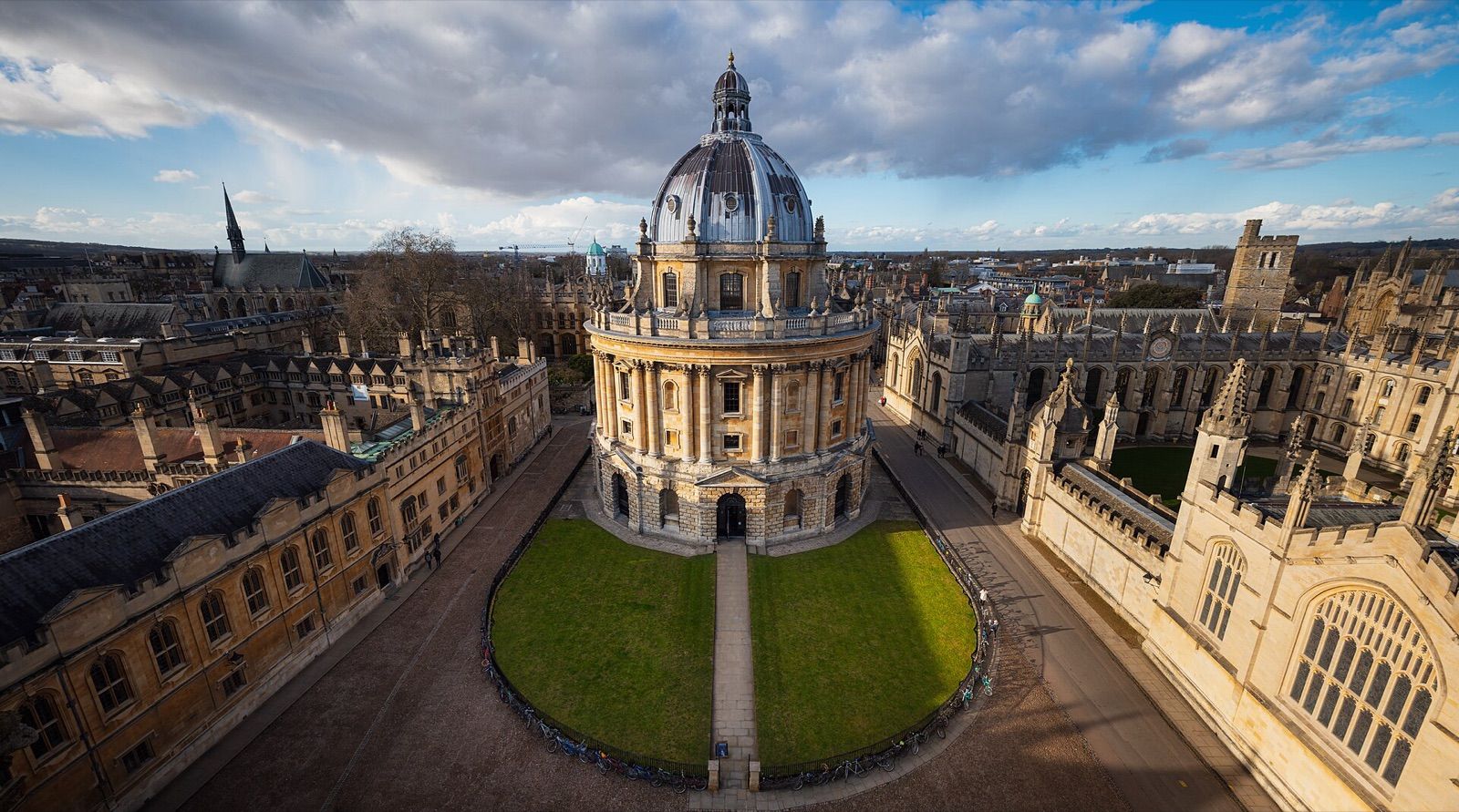
What to see: Radcliffe Square, with the domed Radcliffe Camera and the Bodleian Library (guided tours go inside some of the historic rooms); Christ Church, with its cathedral and grand dining hall; the Ashmolean Museum, Britain's oldest public museum, with free entry to its permanent collection; the Pitt Rivers Museum; and the Bridge of Sighs over New College Lane. Climb a church tower in the centre for a view over the "dreaming spires", and in summer try a punt on the river.
What to know: colleges often close to visitors during exams, graduations and private events, especially from late spring to early summer. Check each college's visiting hours on the day.
How long to allow: a full day. Coaches also run from central London if you prefer road to rail.
Cambridge: the Backs and a punt
Cambridge is smaller and flatter than Oxford, and its centre is very walkable. Its most famous view is the Backs, where college lawns run down to the River Cam.
What to see: King's College Chapel, a masterpiece of late Gothic architecture with a spectacular fan-vaulted ceiling; Trinity College and the Wren Library, open at limited times; the Fitzwilliam Museum, free to enter; and the wooden Mathematical Bridge at Queens' College. Punting along the Backs, either self-hired or with a guide, is the classic Cambridge activity. For a country walk, follow the river path to the village of Grantchester.
What to know: the station is about 20–30 minutes' walk from the centre; buses and taxis are available. Colleges have the same exam-season closures as Oxford.
How long to allow: a full day, or combine a morning here with an afternoon in Ely, whose cathedral is a short train ride north.
Bath: Roman baths and Georgian crescents
The whole city of Bath is a UNESCO World Heritage Site, built in honey-coloured stone around hot springs used since Roman times.
What to see: the Roman Baths, one of the best-preserved Roman bathing complexes in northern Europe; Bath Abbey beside them; the curving terraces of the Royal Crescent and the Circus; and Pulteney Bridge, lined with shops. A modern spa lets you bathe in the naturally warm water yourself, but it gets busy, so book ahead.
What to know: it's the longest of the classic rail trips, so buy tickets early and start early. The Roman Baths use timed tickets in busy periods.
How long to allow: a full day. Some visitors combine Bath with Stonehenge on an organised tour; doing both by public transport in one day is tight.
Brighton: a day by the sea
Brighton is London's favourite seaside escape, with a long pebble beach, a Victorian pier and a relaxed, creative atmosphere.
What to see: the Royal Pavilion, an exotic Indian- and Chinese-inspired palace built for King George IV; the Palace Pier; the narrow alleys of the Lanes and the independent shops of North Laine; and the seafront promenade, with an observation tower offering views along the coast. For white cliffs, take a bus east towards the Seven Sisters.
How long to allow: a full day in summer, half a day in winter. Trains are busy on sunny weekends.
Canterbury, Salisbury and Stonehenge
Canterbury is about an hour from St Pancras on high-speed trains. Its cathedral, the mother church of the Anglican Communion and the site of Thomas Becket's murder in 1170, is a UNESCO World Heritage Site, and the medieval centre is compact and walkable.
Stonehenge is best reached by train to Salisbury, then a dedicated bus or a taxi. Entry is by timed ticket, and summer slots can sell out. Salisbury Cathedral has the tallest spire in Britain and holds one of the four surviving original copies of the 1215 Magna Carta, so the two combine naturally into a full day.
Practical tips for day trips
- Book advance tickets for longer trips such as Bath: fixed-time advance fares are usually much cheaper than buying on the day, but they're only valid on the train you book.
- Understand off-peak fares: flexible tickets are cheaper outside the morning rush, and return times can also be restricted on some routes. Check the conditions when you buy.
- Consider a railcard: railcards for two adults travelling together, for families and for younger or older travellers typically cut many fares by around a third. They pay for themselves quickly on a couple of trips.
- Contactless and Oyster cards cover some places near London but not most of these destinations. Buy a rail ticket unless you're sure your route is included.
- Check for engineering works and strikes: weekend track work often means slower journeys or replacement buses. Look at the journey planner a day or two before you go.
- Choose your London base with trips in mind: King's Cross suits Cambridge, and Paddington suits Oxford, Windsor and Bath. Our guide to where to stay in London compares the main areas.
- Plan for the weather: English weather changes quickly. Pack a light waterproof layer, especially for punting or the seaside.
Choose Windsor for a short outing, Oxford or Cambridge for a classic day, and Bath if you're willing to travel a little farther for something truly different from London.
Bloiq is reader-supported. Some links may earn us a commission; it never affects what we write. How we make money.
Cover photo: Julian Herzog (Website), CC BY 4.0, via Wikimedia Commons