Home / Travel · Campus tours
University of Copenhagen campus tour: a visit on foot and by bike
Visiting the University of Copenhagen: Frue Plads, the Round Tower, the four campuses, student halls and bike life, open days, transport and where to stay.
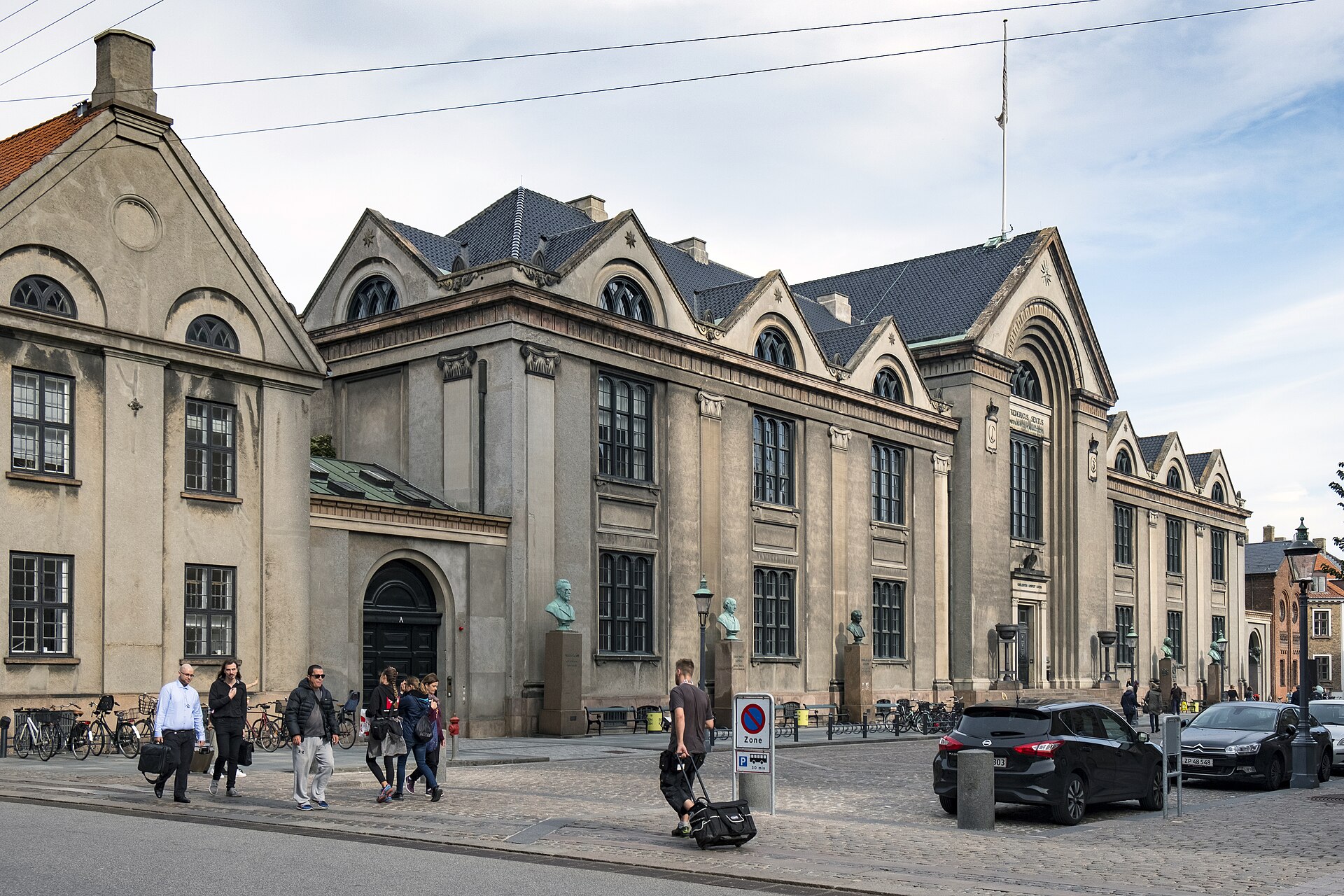
The University of Copenhagen, founded in 1479, is Denmark's oldest university and one of the largest in the Nordic countries. You won't find it behind a gate. Its historic heart is a cluster of buildings in the old Latin Quarter of the city centre, and its modern faculties are spread over three other campuses, each a short bike ride away. That makes a visit easy to combine with seeing the city. This guide answers the questions families usually have, from what to see first to how students actually live.
Where does the university actually sit?
The university has four main campuses:
- City Campus, in the old centre, with the main building, the social sciences and much of the central administration. The social sciences are in a converted former hospital near the city's lakes.
- North Campus (Nørre Campus), around Universitetsparken and Blegdamsvej, for natural sciences, health and medical sciences.
- South Campus (Søndre Campus), on the island of Amager, for the humanities, law and theology.
- Frederiksberg Campus, in the neighbouring municipality of Frederiksberg, for life sciences, food science and veterinary medicine.
For most visitors the City Campus is the place to start, then one other campus matching the student's interests.
What should we see in the old centre?
Begin on Frue Plads, the square beside Copenhagen Cathedral. The university's main building, completed in 1836, faces the square with a row of busts of famous professors outside. The ceremonial hall inside is decorated with large paintings and used for official events; the interior isn't generally open to visitors, but the square itself shows the university's historic face.
Step into the cathedral next door to see its white neoclassical interior and Bertel Thorvaldsen's statues of Christ and the apostles. Then wander the lanes of the Latin Quarter (Latinerkvarteret), the old student district with second-hand bookshops, cafés and cellar bars.
Why is the Round Tower part of a university visit?
A few minutes north, the Round Tower (Rundetaarn) was built for King Christian IV in the 17th century as an astronomical observatory for the university, alongside a church and the university library. Instead of stairs, a wide spiral ramp winds to the top, where a viewing platform looks over the city's rooftops. It's open to the public with a ticket.
Opposite the tower, on Købmagergade, is Regensen, a student residence founded in the 1620s and still home to students today; you can glimpse its courtyard through the gate.
What about the science campuses?
North Campus is where physics has its most famous address: the Niels Bohr Institute on Blegdamsvej, founded in 1921 by Niels Bohr, where much of early quantum physics was worked out. The campus around Universitetsparken is modern and busy, next to the green Fælledparken.
On the way, stop at the Botanical Garden, run by the university, with its 19th-century glass palm house. The university also runs the Natural History Museum of Denmark, so check what's open during your visit.
How do students live?
Denmark has a strong tradition of kollegier, student halls with shared kitchens and a strong community feel, and many students live in one. Others rent rooms or share flats in neighbourhoods such as Nørrebro, Vesterbro and Amager. Copenhagen's rental market is competitive, so admitted students should apply for housing as early as they can.
Almost everyone cycles. Wide bike lanes link all four campuses, and in summer students swim in the harbour baths and gather in parks. The Friday bar tradition in departments is a big part of social life. Most bachelor's programmes are taught in Danish; many master's programmes are in English.
Can we join a tour or open day?
The university holds information events and open house days for future students, with presentations for each programme, and offers taster programmes for upper-secondary pupils. International applicants will find online information sessions. There's no need to book anything to walk around the public squares and gardens. Check the university's official pages for prospective students for current dates.
How do we get there and around?
- From the airport: the metro reaches Nørreport, next to City Campus, in about 15 minutes, and trains run to the Central Station.
- Around the city: the metro, S-trains and buses cover all four campuses; South Campus is on the M1 metro line.
- By bike: rental bikes and electric city bikes are widely available, and cycling is the quickest way between campuses.
Where do families usually stay?
- Indre By (the old centre): walkable to Frue Plads and the Round Tower, but busy in summer.
- Nørrebro: lively, multicultural and close to North Campus.
- Vesterbro: near the Central Station, with good cafés and restaurants.
- Christianshavn and Islands Brygge: canal-side and handy for South Campus.
- Frederiksberg: calm, leafy and close to Frederiksberg Campus.
Before you go
- Visit on a weekday during term to see the campuses at their busiest.
- Wear layers and pack a waterproof; the wind off the sea can be sharp even in spring.
- Combine the university with the harbour, Nyhavn and the royal palaces, all within walking distance of the Latin Quarter.
Bloiq is reader-supported. Some links may earn us a commission; it never affects what we write. How we make money.
Cover photo: Johan Wessman / News Oresund, CC BY 2.0, via Wikimedia Commons
.jpg)