Home / Tools & DIY · Product overviews / Hydraulics, Pneumatics & Plumbing / Power Units · More from VEVOR
VEVOR 15 Quart Hydraulic Power Unit (220V, 3200 PSI): specs and uses
A VEVOR 220V single-acting hydraulic power unit with a 15 quart tank, 2.2kW motor, 1.7 GPM flow and 3200 PSI relief pressure. What the specs mean and what it fits.
This page contains an affiliate link, marked as such. If you buy through it, Bloiq may earn a commission at no extra cost to you.
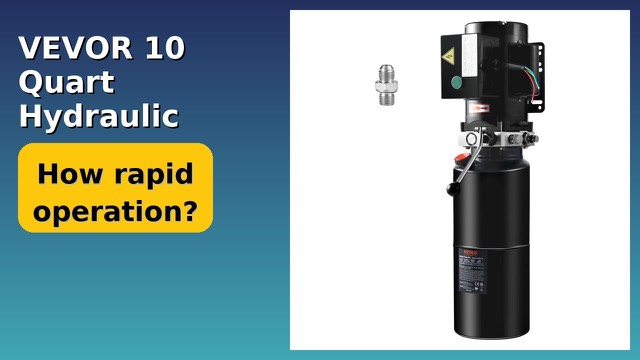
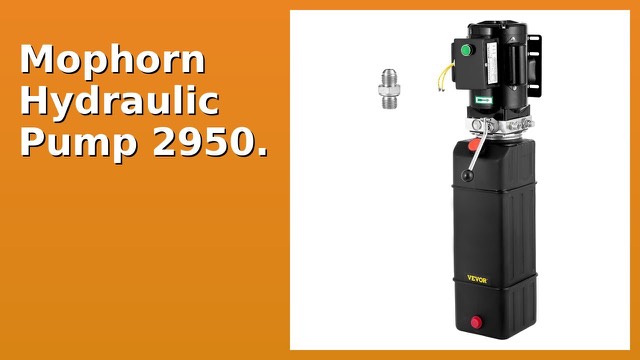
The VEVOR 15 quart hydraulic power unit is a motor-driven pump with a built-in oil tank. It supplies pressurised oil to a single-acting hydraulic cylinder, the kind found on dump trailers, small lifts and presses. It is a component for people building or repairing hydraulic equipment, so it is worth reading the specs against the machine you plan to power.
What the main numbers mean
VEVOR lists a 2.2 kW AC motor on 220V, a flow rate of up to 1.7 GPM (gallons per minute) and a maximum relief pressure of 3200 psi, equal to the 16-20 MPa the brand quotes for oil pressure. Flow decides how fast the cylinder moves, and pressure decides how much force it can produce. Force is pressure multiplied by the piston area, so the cylinder you connect largely determines what load can be lifted.
The listing's text also mentions a 12V pump, though its main specification is 220V AC. Confirm the supply voltage of the exact unit before ordering.
Single-acting operation
In a single-acting system, oil is pumped in to extend the cylinder, and the load's weight (or a spring) pushes it back when the oil is released. This is common in dump trailers, where gravity lowers the bed. VEVOR says this design gives a stable, dependable lift. A built-in safety relief valve opens automatically if pressure exceeds the limit, which protects the hoses and cylinder from overload.
Tank and construction
The tank holds 15 quarts (about 14 litres) and is made of rust-proof solid steel. VEVOR says the overall sealing is built to minimise oil leaks and to withstand installation on heavy equipment. The whole unit measures 26.4 x 8.9 x 8.7 inches (about 67 x 23 x 22 cm) and weighs 48.1 lb (about 21.8 kg).
Setting it up
The unit arrives pre-assembled. According to the brand, you add hydraulic oil, connect power and the tubing, and it is ready. It includes an SAE #6 connector, which VEVOR says suits both metric and American interfaces. Use the oil grade the manual specifies, and check all fittings for tightness before pressurising.
Where it is used
VEVOR lists dump trailers, container truck tail plates, hydraulic wood splitters, small presses, lifting platforms, semi-electric push trucks and bucket transporters. These are all jobs where one cylinder pushes in one direction against a load.
Who it suits
It suits fabricators, farm and workshop owners, and trailer owners who need to replace or build a pump setup and have the electrical supply for it. Anyone without hydraulic experience should consult the manual or a qualified installer, because pressurised systems can be hazardous.
What to check before you buy
- Voltage: make sure you have a 220V supply that suits a 2.2 kW motor, and follow local electrical codes.
- Cylinder type: the unit is single-acting, so it won't drive double-acting cylinders.
- Flow and pressure: check that 1.7 GPM and 3200 psi suit your cylinder and speed needs.
- Fittings: confirm the SAE #6 connector matches your hoses.
- Oil: plan for the hydraulic oil, as it is added by the user.
- Mounting: allow space for a unit about 26 inches long and 48 lb in weight.
The short version
- A pre-assembled 220V, 2.2 kW hydraulic power unit with a 15 quart steel tank.
- Up to 1.7 GPM flow and 3200 psi maximum relief pressure.
- Single-acting design with a built-in safety relief valve.
- SAE #6 connector; hydraulic oil is added by the user.
- Suits dump trailers, lifts, wood splitters and small presses.
Bloiq is reader-supported. Some links may earn us a commission; it never affects what we write. How we make money.