Home / Travel / Germany · Where to stay
Where to stay in Berlin: the neighbourhoods compared
Mitte, Prenzlauer Berg, Kreuzberg, Friedrichshain, Charlottenburg, Neukölln and Schöneberg: how Berlin's main areas differ and who each one suits best.
This guide contains affiliate links, marked as such. If you book through them, Bloiq may earn a commission at no extra cost to you.
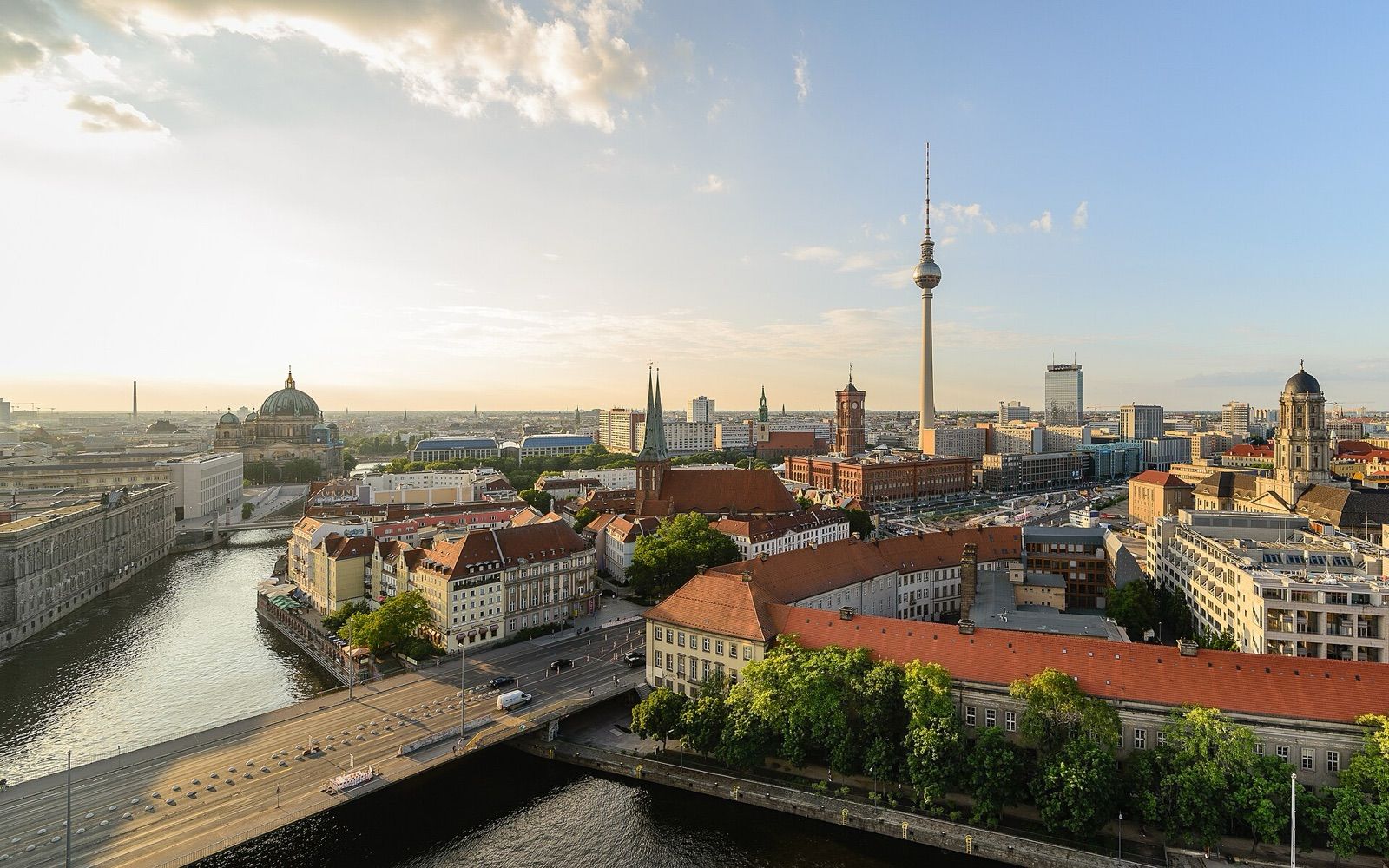
Berlin doesn't have one centre. Decades of division left it with two city centres, East and West, and a patchwork of neighbourhoods that each feel like a small town of their own. The city is large and spread out, but its public transport is excellent, so the real question is less "how close to the sights?" and more "what kind of Berlin do you want outside your door?" Here's how the main areas compare.
The quick answer
- First visit, sights on foot: Mitte.
- Cafés, leafy streets and families: Prenzlauer Berg.
- Nightlife, street food and a mixed crowd: Kreuzberg or Friedrichshain.
- Classic West Berlin, calm evenings: Charlottenburg.
- Young, creative and still changing: Neukölln.
- Residential, relaxed and LGBTQ+ friendly: Schöneberg.
Mitte: the historic heart
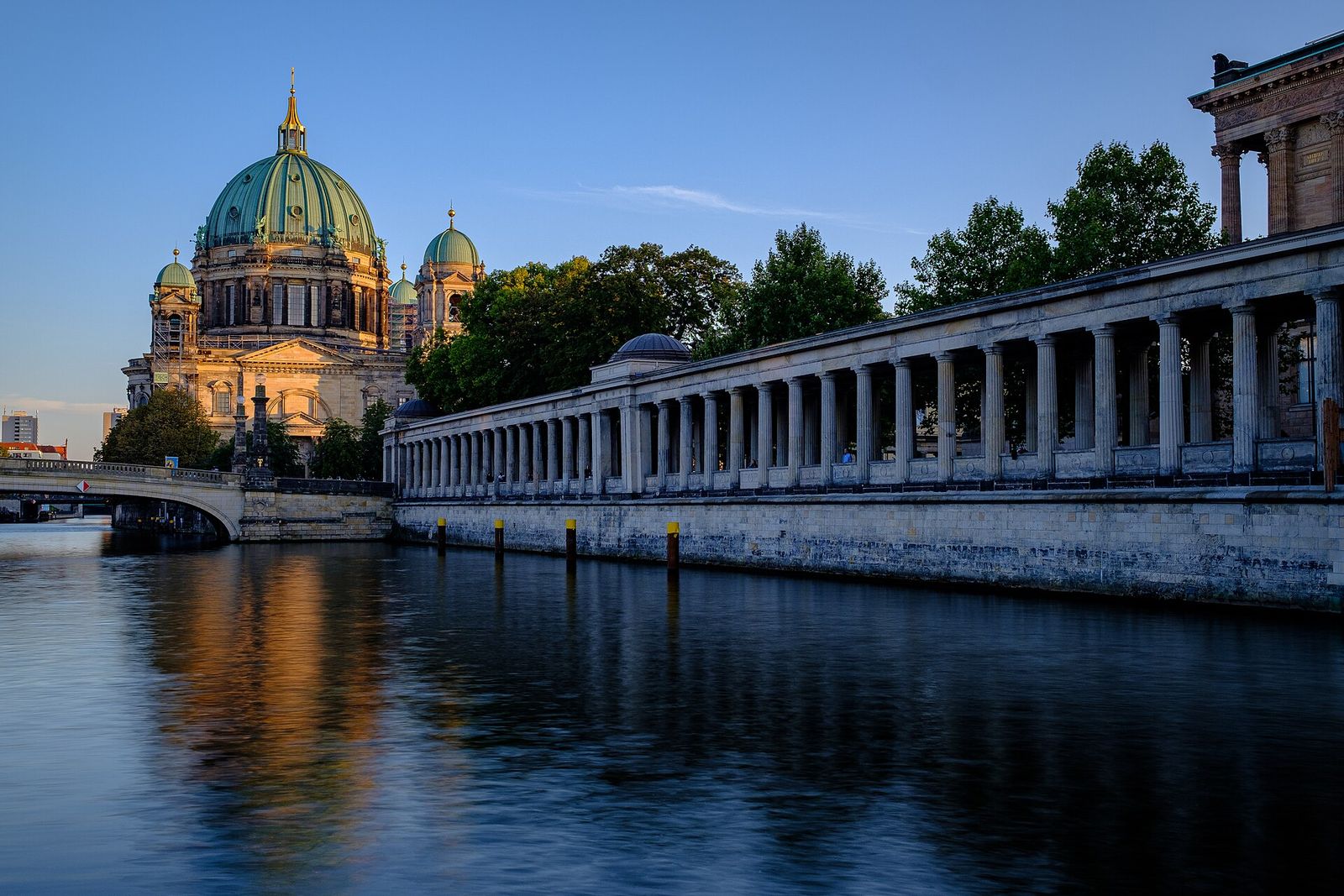
Mitte ("middle") holds most of the landmarks: the Brandenburg Gate, the Reichstag, the boulevard Unter den Linden, Museum Island with its UNESCO-listed museums, and the television tower at Alexanderplatz. The streets around Hackescher Markt and the old Scheunenviertel add courtyards, galleries, restaurants and bars. The main railway station, the Hauptbahnhof, sits on its western edge.
Good for: first-time visitors, short stays and anyone who wants to walk to the major sights. Consider: parts of Mitte feel like a government and business district after dark, and prices are higher than elsewhere. The area around Hackescher Markt has more life in the evening than the areas near the ministries.
Prenzlauer Berg: cafés and cobblestones
North-east of Mitte, Prenzlauer Berg is a district of restored 19th-century apartment blocks, tree-lined streets, playgrounds and weekend markets. It was a bohemian area in East German times and is now one of the most comfortable, well-kept parts of the city, popular with young families. The Mauerpark, with its Sunday flea market, is on its western edge.
Good for: families, couples and travellers who like calm streets and a good breakfast. Consider: it's quieter and more polished than some visitors expect of Berlin, and nightlife is low-key. Trams and the U2 line make the trip into Mitte short.
Kreuzberg: diverse and energetic
Kreuzberg was on the West Berlin side of the Wall and became home to Turkish immigrants, artists and squatters. Today it's one of the city's liveliest districts, with canal-side walks along the Landwehrkanal, markets, street food, bars and clubs. It has two quite different halves: the busier, grittier area around Kottbusser Tor and Görlitzer Park, and the calmer streets around Bergmannstraße further west.
Good for: food lovers, nightlife and anyone who wants a local, mixed atmosphere. Consider: some streets are loud late at night, and parts near Kottbusser Tor and Görlitzer Park can feel rough, especially after dark. Check the exact location of your accommodation.
Friedrichshain: bars, clubs and Cold War history
Across the Spree from Kreuzberg via the Oberbaum Bridge, Friedrichshain is younger and edgier still. It has the East Side Gallery, the longest surviving stretch of the Berlin Wall, the monumental socialist boulevard Karl-Marx-Allee, a busy bar scene around Boxhagener Platz, and several of the city's best-known clubs.
Good for: younger travellers, nightlife and budget-minded trips. Consider: weekend nights are loud, and the club areas near the river and railway lines can feel industrial. It's further from the western sights, though well connected by S-Bahn and U-Bahn.
Charlottenburg: elegant West Berlin
The heart of the old West, Charlottenburg is grand and settled. It has the Kurfürstendamm shopping boulevard, Charlottenburg Palace and its gardens, the Kaiser Wilhelm Memorial Church with its bomb-damaged tower, and quiet residential streets around Savignyplatz with restaurants and bookshops. Many of Berlin's longer-established hotels are here.
Good for: travellers who want calm evenings, classic architecture and shopping. Consider: it's a 15- to 25-minute train ride to Mitte and the eastern districts, and nightlife is more restaurant and wine bar than club.
Neukölln: young and changing fast
Once a mostly working-class district, northern Neukölln has become a hub for artists, students and international newcomers. The streets near the canal around Weserstraße and the Reuterkiez are packed with small bars, cafés and restaurants, and Sonnenallee is known for Arab bakeries and grills. Tempelhofer Feld, the former airport turned public park, lies along its western edge.
Good for: repeat visitors, longer stays and travellers who want Berlin as it's lived now. Consider: it's rougher around the edges, with fewer hotels, and farther from the main sights. Some streets are noisy late, and the atmosphere changes block by block.
Schöneberg: relaxed and residential
Schöneberg is a leafy, mostly residential district with handsome old buildings and a long history as the centre of Berlin's LGBTQ+ life, especially around Nollendorfplatz. It has a well-known Saturday market on Winterfeldtplatz, plenty of cafés, and easy connections to both Charlottenburg and Mitte. John F. Kennedy gave his "Ich bin ein Berliner" speech at its town hall in 1963.
Good for: couples, LGBTQ+ travellers and anyone who wants a calm, local base. Consider: there are fewer headline sights nearby, so expect to take the U-Bahn most days.
How the areas compare
| Area | Feel | Night noise | Best for |
|---|---|---|---|
| Mitte | Historic, central | Low to medium | First visits |
| Prenzlauer Berg | Leafy, polished | Low | Families |
| Kreuzberg | Diverse, lively | High in places | Food, nightlife |
| Friedrichshain | Young, edgy | High | Clubs, bars |
| Charlottenburg | Elegant, settled | Low | Calm, shopping |
| Neukölln | Creative, gritty | Medium to high | Local life |
| Schöneberg | Relaxed, residential | Low to medium | Couples, LGBTQ+ travellers |
Getting around
- From the airport: Berlin Brandenburg Airport (BER) is south-east of the city. Regional trains, including an airport express, run to the Hauptbahnhof and other central stations, and the S-Bahn also serves the airport.
- Fare zones: Berlin's public transport uses zones A, B and C. Most of the city is in zones A and B, but the airport is in zone C, so buy a ticket that covers all three for the airport journey. Check the current fares.
- S-Bahn and U-Bahn: the two rail networks cover the city densely. The S-Bahn Ring line loops around the inner districts and is a handy way to cross town.
- Trams: most tram routes run in the former East, including Mitte, Prenzlauer Berg and Friedrichshain.
- Cycling: Berlin is flat and has many bike lanes, and bike rental is widely available. Watch for tram tracks and cobblestones.
Practical tips before you book
- Think in transit lines, not distance. A place near a U-Bahn or S-Bahn station in a "far" district can be quicker to reach the sights than a hotel in an awkward corner of Mitte.
- Check the exact street in Kreuzberg, Friedrichshain and Neukölln, where a quiet residential block and a bar strip can be neighbours.
- City tax: Berlin adds an overnight tax calculated as a percentage of the room rate. Check the current rate when you book.
- Holiday apartments are tightly regulated in Berlin. Make sure any short-term rental you book is officially registered.
- Winter and summer: winters are cold and dark, so stay near a station if you're visiting from November to February. Summers can be warm, and air conditioning is not universal in older buildings.
- Sunday closures: most shops close on Sundays, though cafés, museums, markets and some station shops stay open.
Choose Mitte for convenience, Prenzlauer Berg or Schöneberg for calm, Charlottenburg for classic elegance, and Kreuzberg, Friedrichshain or Neukölln if you want to be where the city goes out at night.
Bloiq is reader-supported. Some links may earn us a commission; it never affects what we write. How we make money.
Cover photo: ArildV, CC BY-SA 4.0, via Wikimedia Commons