Home / Travel / Germany · Itineraries
Berlin in 3 days: a practical itinerary from Mitte to the Wall
A three-day Berlin plan grouped by area: the Reichstag and Museum Island, then the Wall and divided Berlin, then Charlottenburg, the Tiergarten and Kulturforum.
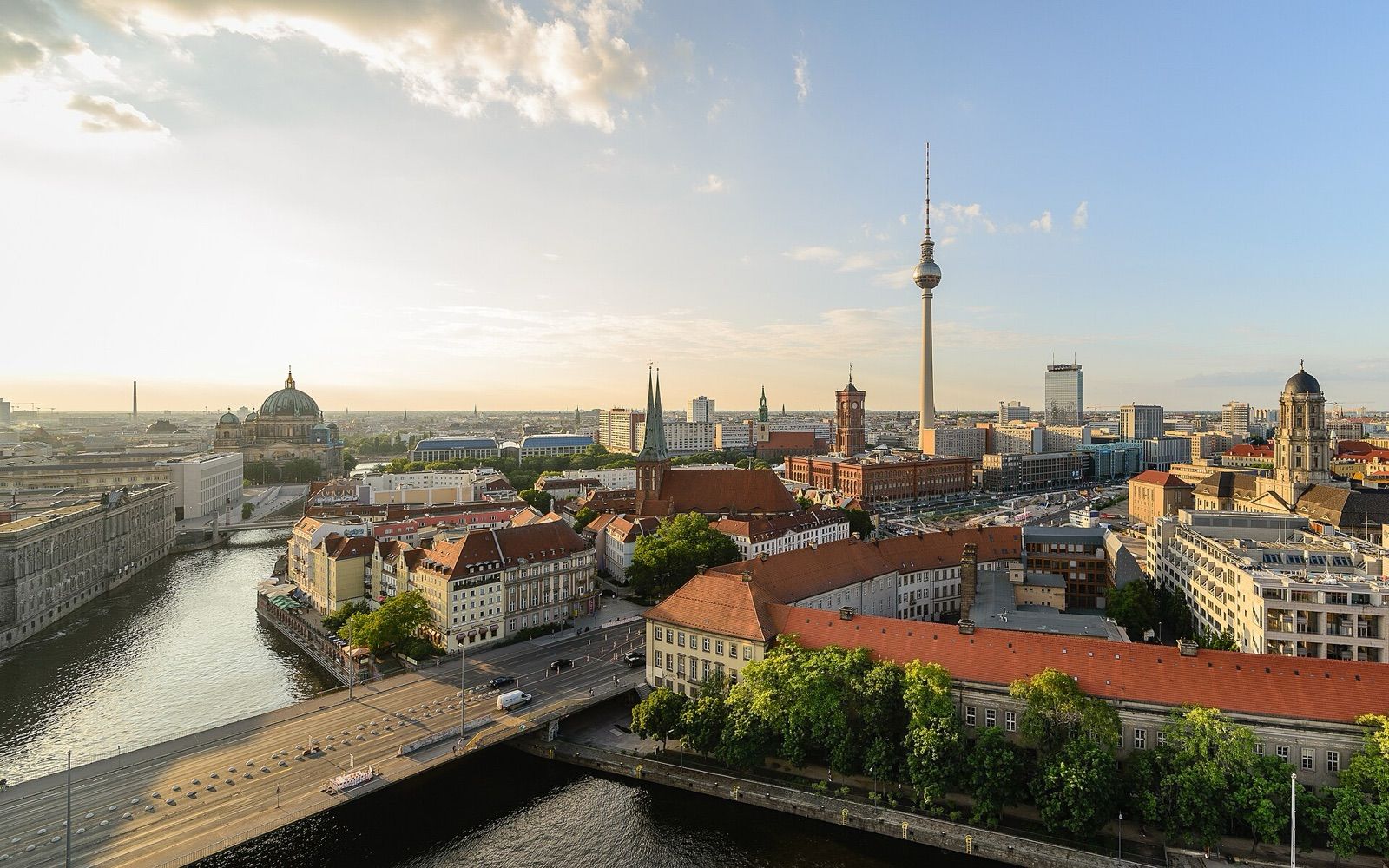
Berlin is big, spread out and layered with history, from Prussian palaces to the scars of the 20th century. Its sights don't sit in one compact centre, so the best way to see it in three days is by area: the historic heart of Mitte first, then the story of the divided city, then the grand West and its parks. Public transport is excellent, so you'll walk within each area and ride between them.
This plan suits first-time visitors at a moderate pace, with one or two museums a day rather than a marathon. For choosing a base, see our guide to where to stay in Berlin; Mitte and Prenzlauer Berg are the most convenient for this itinerary.
Day 1: the Reichstag, Unter den Linden and Museum Island
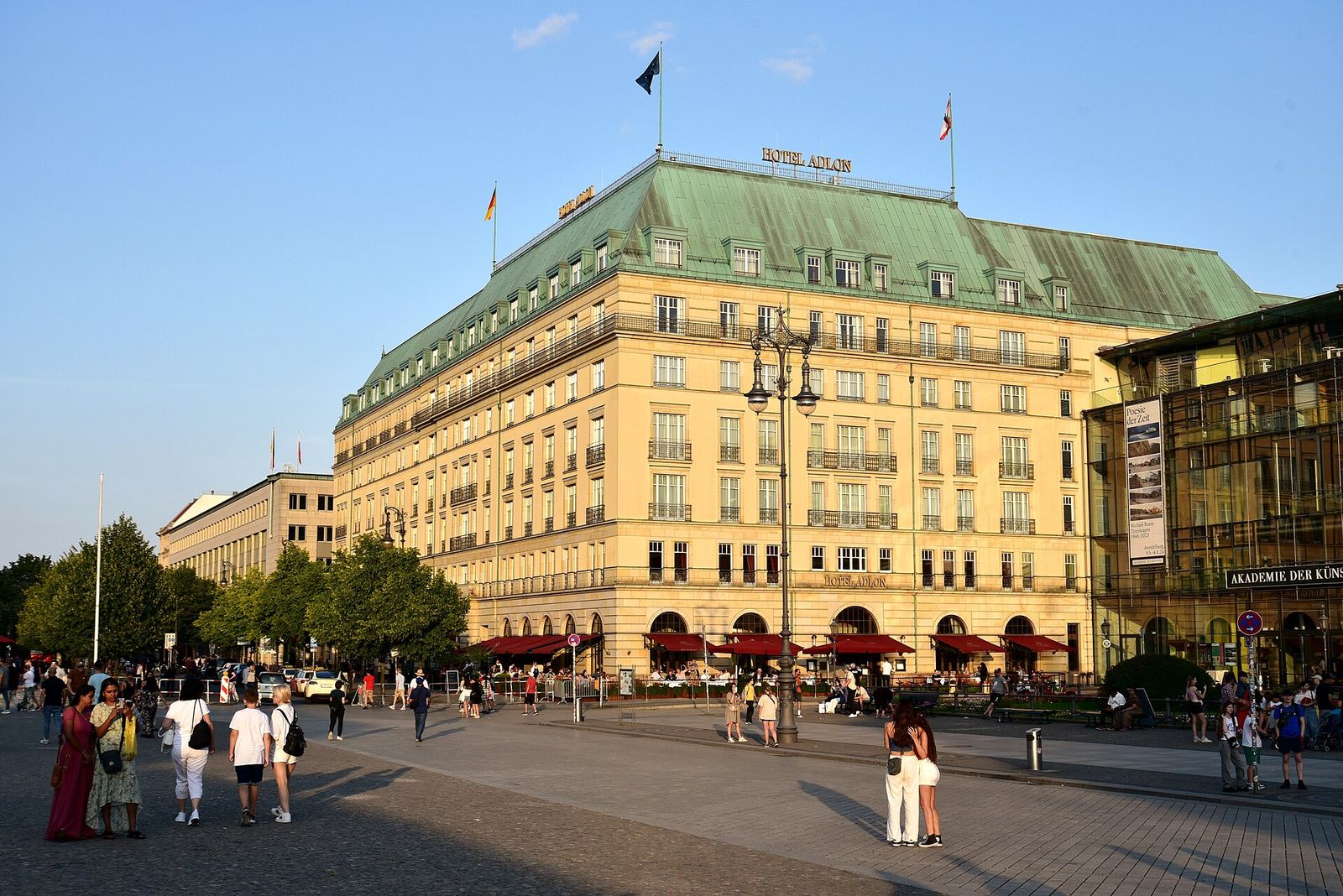
Morning: the government quarter. Start at the Reichstag, the seat of the German parliament, whose glass dome by Norman Foster has spiral ramps with views over the city and down into the debating chamber. Visiting the dome is free but needs registration in advance through the Bundestag's website. Walk on to the Brandenburg Gate, the late-18th-century gate crowned by its four-horse chariot, once stranded by the Wall and now the symbol of reunification, which stands on Pariser Platz next to the historic Hotel Adlon. A few minutes south, the Memorial to the Murdered Jews of Europe covers a city block with 2,711 concrete slabs on undulating ground; its underground information centre tells the stories of individual victims. It is a place of remembrance: walk through it quietly and don't climb on the slabs.
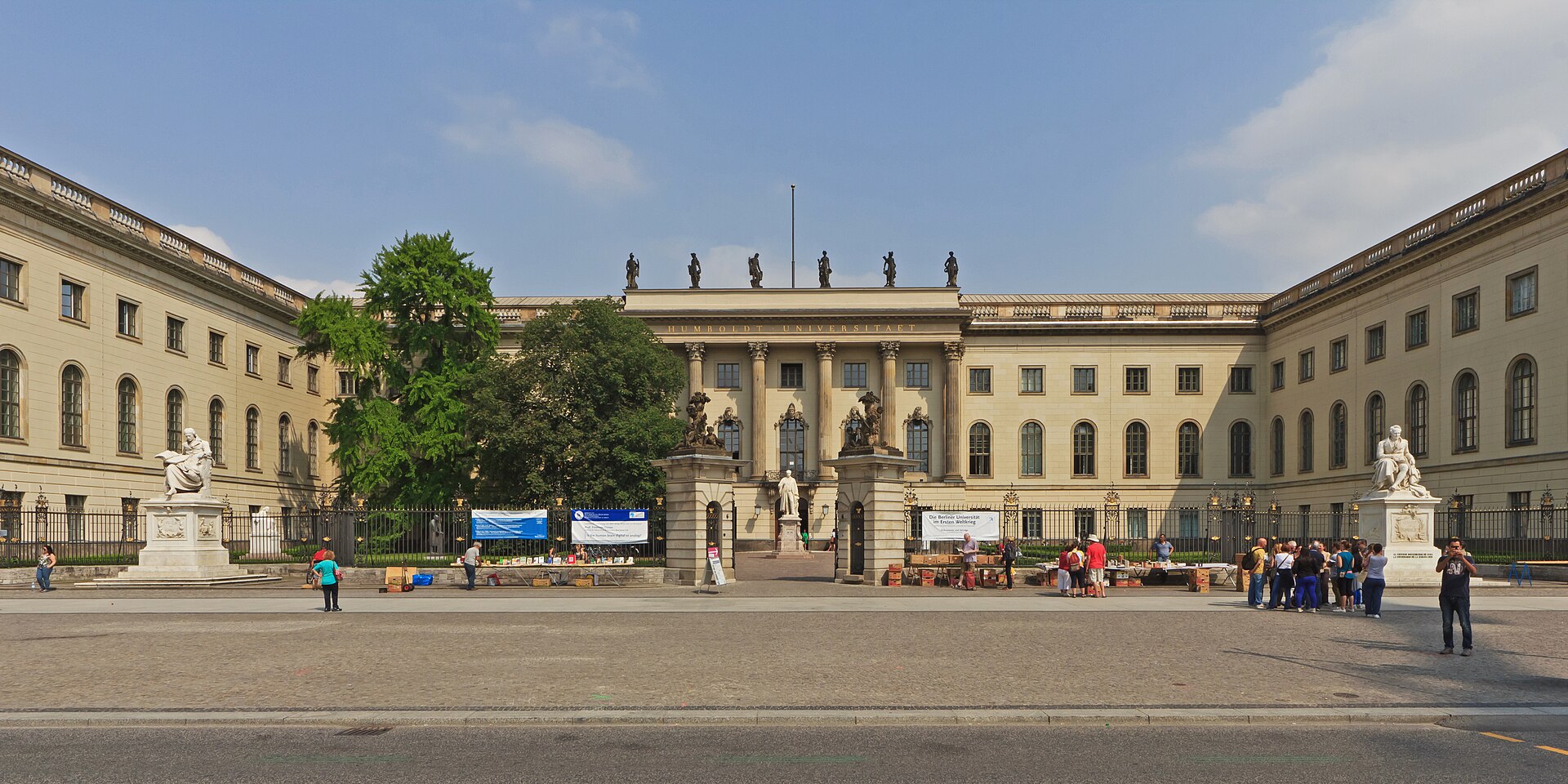
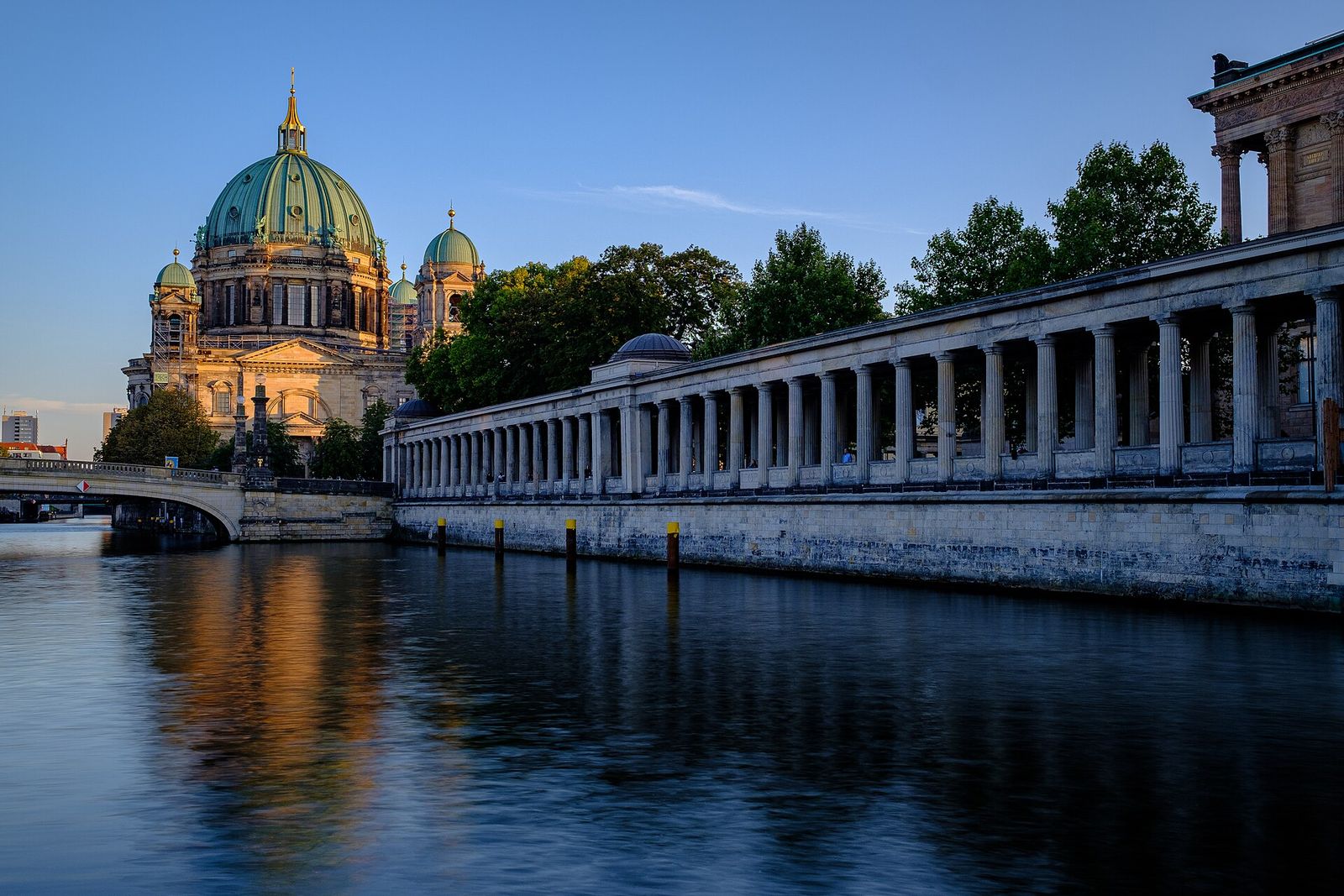
Afternoon: Unter den Linden to Museum Island. Follow the boulevard Unter den Linden east past the State Opera and the main building of Humboldt University. On Bebelplatz, look down through the glass panel in the paving at a memorial of empty bookshelves, marking the Nazi book burning of 1933. Detour two blocks south to Gendarmenmarkt, often called the city's most beautiful square, with its concert hall between twin domed churches. Then cross to Museum Island, a UNESCO World Heritage Site with five museums. Choose one: the Neues Museum, home to the bust of Nefertiti, is a strong first pick. The Pergamon Museum's main building is closed for a long renovation, so check what's open. Finish with the Berlin Cathedral, whose dome walkway looks over the island, and the Humboldt Forum in the rebuilt Berlin Palace opposite.
Evening. Walk to Hackescher Markt and its linked Art Nouveau courtyards, the Hackesche Höfe, for dinner. If the sky is clear, the viewing floor of the TV tower at Alexanderplatz, more than 200 metres up, is spectacular at dusk.
Day 2: the Wall and divided Berlin
Morning: Bernauer Straße. The Berlin Wall Memorial keeps a stretch of the Wall with its border strip and a watchtower as they were, along the street where houses once formed the border itself. The outdoor grounds are free; climb the viewing platform at the documentation centre to understand the layout. Walk on to Mauerpark, which hosts a well-known flea market on Sundays, and have lunch among the cafés of Prenzlauer Berg.
Afternoon: Cold War sites. Take the U-Bahn south. The Tränenpalast ("Palace of Tears") at Friedrichstraße station, the hall where East Berliners said goodbye to visitors from the West, has a free exhibition on daily life at the border. Checkpoint Charlie, the former crossing point for foreigners, is now a busy, rather commercial spot with a replica guardhouse; look and move on. Nearby, the Topography of Terror documentation centre stands on the site of the former Gestapo and SS headquarters, next to a surviving section of the Wall; entry is free and it's sobering but essential. If you have energy, the Jewish Museum Berlin in Kreuzberg, in Daniel Libeskind's zigzag building, is a short walk away; allow at least two hours.
Evening. Take the train east to the East Side Gallery, the longest surviving stretch of the Wall, painted by artists in 1990 and running for about 1.3 km beside the Spree. Cross the red-brick Oberbaum Bridge into Kreuzberg, or stay in Friedrichshain, for dinner in one of the city's liveliest areas.
Day 3: Charlottenburg, the Tiergarten and Kulturforum
Morning: Charlottenburg Palace. Berlin's largest surviving palace was begun in the late 17th century as a summer residence for Sophie Charlotte, who became Prussia's first queen. Tour the baroque rooms, then walk in the formal gardens and the landscaped park behind them, which are free to enter.
Midday: the Kurfürstendamm. Head to the Kaiser Wilhelm Memorial Church, where the bomb-damaged tower stands beside a 1960s octagonal church lit by deep-blue glass. The Kurfürstendamm, West Berlin's grand shopping boulevard, starts here.
Afternoon: the Tiergarten. Walk east through the Tiergarten, Berlin's great central park, to the Victory Column, where a long spiral staircase leads to a viewing platform below its golden statue. Continue to the Kulturforum near Potsdamer Platz: the Gemäldegalerie has one of the world's finest collections of European painting from the 13th to the 18th centuries, and the Neue Nationalgalerie, a glass-and-steel pavilion by Ludwig Mies van der Rohe, shows 20th-century art.
Evening. Book a concert at the Philharmonie, home of the Berlin Philharmonic, or head to Kreuzberg or Neukölln for dinner and bars.
What to book ahead
- Reichstag dome: registration is required and slots can fill days ahead, especially in summer. Bring the ID you registered with.
- Museum Island and the TV tower: timed tickets are recommended or required for some sites; book the Neues Museum and the tower at least a day ahead in busy periods.
- Jewish Museum Berlin and Charlottenburg Palace: check the official sites for time-slot tickets and current opening days.
- Concerts: the Philharmonie and the State Opera often sell out well in advance.
Rule of thumb: in Berlin, check opening days before you plan. Many museums close on Mondays, and most shops close on Sundays.
Adapting the plan
- Rain: swap outdoor sites for more of Museum Island, the Humboldt Forum or the German Museum of Technology in Kreuzberg.
- With children: the Natural History Museum (Museum für Naturkunde), with its huge dinosaur skeleton, and the Museum of Technology are usually hits; the zoo is next to the Tiergarten, and the vast open space of Tempelhofer Feld, a former airport, is ideal for bikes and kites.
- Slower pace: split Day 2 over two days, giving the Jewish Museum and the Wall Memorial the time they deserve.
- More time: take the train to Potsdam for the palaces and gardens of Sanssouci, a UNESCO World Heritage Site, or visit the Sachsenhausen Memorial, the former concentration camp north of the city. The Stasi Museum in Lichtenberg covers the East German secret police.
Practical booking tips
- Tickets and zones: public transport uses zones A, B and C. The city is in A and B; the airport is in C. Day and seven-day tickets are worth comparing with single tickets if you'll ride a lot. Paper tickets must be validated in the machines before you travel, and inspectors check regularly; check the current fares.
- Getting around: the S-Bahn Ring and the U-Bahn cover all of this plan, and trams fill the gaps in the former East. Berlin is flat and good for cycling, but watch for tram tracks and cobbles.
- Payment: cards are widely accepted, but some small cafés, bars and market stalls still prefer cash.
- Seasons: May to September has long days and outdoor life; winter is cold and dark, with Christmas markets from late November.
- City tax: Berlin charges an overnight tax as a percentage of the room rate. Check the current rate when you book.
- Base: Mitte puts Day 1 on foot, Prenzlauer Berg suits Day 2's morning, and Charlottenburg makes Day 3 easy. Our where to stay in Berlin guide compares the neighbourhoods.
Bloiq is reader-supported. Some links may earn us a commission; it never affects what we write. How we make money.