Home / Travel / Universities / Switzerland
University of Zurich campus tour: the tower, Irchel and the old town
What to see at the University of Zurich: Karl Moser's Main Building and Lichthof, the natural history museum, the Irchel campus, the Botanical Garden and the city.
This guide contains affiliate links, marked as such. If you book through them, Bloiq may earn a commission at no extra cost to you.
Founded in 1833, the University of Zurich was the first university in Europe to be established by a democratic state rather than by a monarch or a church. Today it is Switzerland's largest university, and its tower is one of the fixed points of the Zurich skyline, on the hillside just above the old town. This guide covers the central campus, the science campus at Irchel and the Botanical Garden, and explains how the university shares the city with its famous neighbour.
Two universities on one terrace
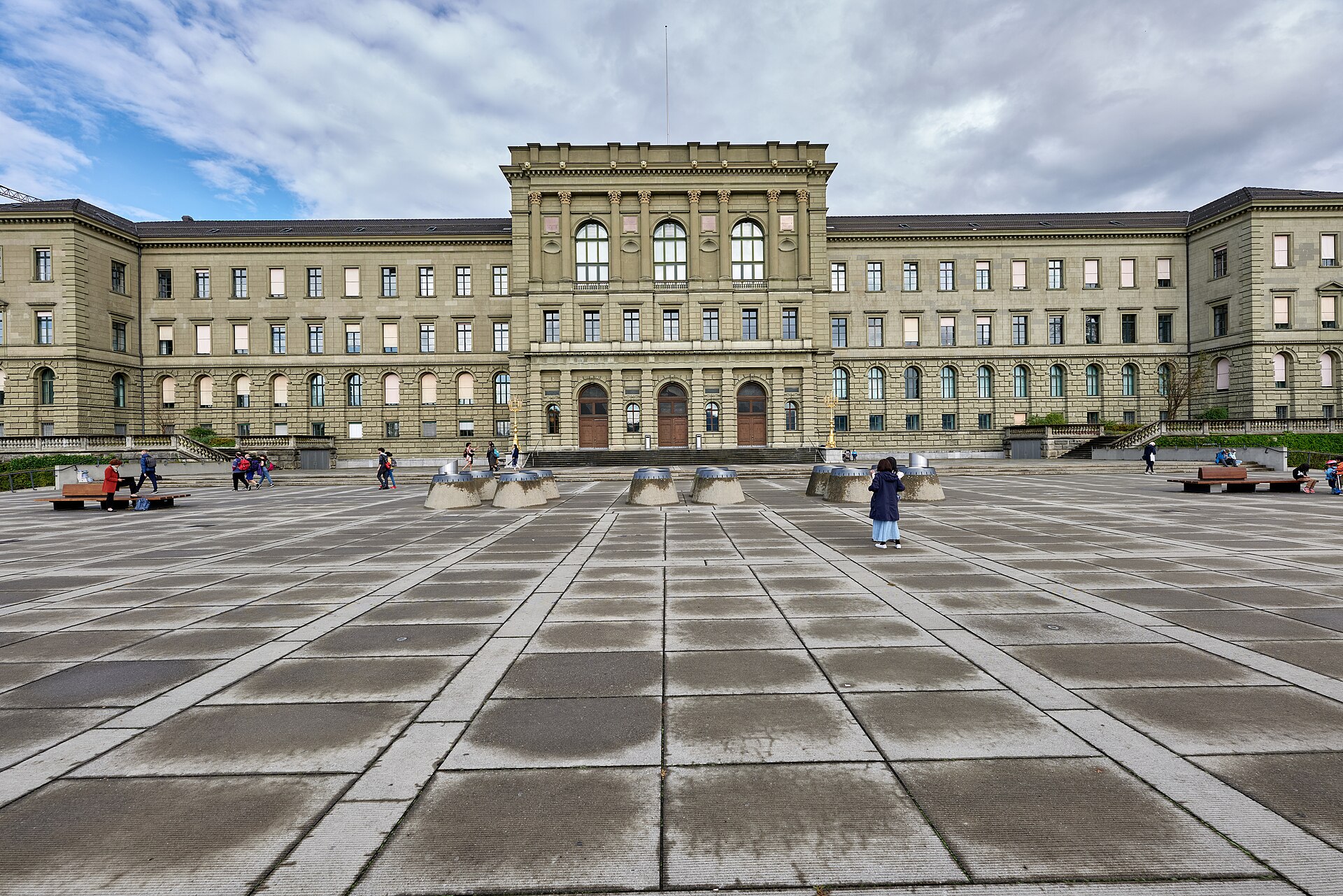
Visitors are often confused by the fact that Zurich's two big universities stand side by side. The domed building at the top of the funicular is ETH Zurich, the federal institute of technology. The building with the square tower next to it is the University of Zurich, known as UZH, which belongs to the canton and covers the full range of subjects, from law, theology and the humanities to medicine, economics and the natural sciences. The two share some facilities and a sports association, and students cross between them all the time.
UZH itself is spread over three main sites:
- City Campus (Zentrum): the Main Building, law, the humanities and the university hospital district.
- Irchel Campus: natural sciences and much of medicine, north of the centre.
- Oerlikon: further institutes in the north of the city.
The Main Building and its tower
The Main Building was designed by the Swiss architect Karl Moser and opened in 1914. Its massive stone wings step up the slope, and the tower, with its green copper cap, can be seen from much of the city. The style sits between Art Nouveau and early modernism, with sculpture and reliefs worked into the facades.
The terrace in front looks out over the roofs of the old town to the lake and, on a clear day, the Alps.
The Lichthof
The centre of the Main Building is the Lichthof, a tall atrium covered by a glass roof and surrounded by tiers of arcades. It works as the university's indoor square: students eat, read and wait for lectures here, and exhibitions and receptions use the space through the year. If you step inside only one university building in Zurich, this is the one.
Museums, Einstein and other famous names
The wing next to the Main Building houses the university's natural history museum, which brings together its zoology and fossil collections, including fossils from Monte San Giorgio in southern Switzerland. The university has a number of other collections and museums open to the public; check the official museum pages for what is currently open.
The university's history is full of well-known names. Albert Einstein earned his doctorate here and returned a few years later for his first professorship, in theoretical physics. Wilhelm Röntgen, who discovered X-rays, also took his doctorate in Zurich, and Erwin Schrödinger was a professor here in the 1920s. The university was also a pioneer in admitting women: in 1867 Nadezhda Suslova became the first woman to earn a doctorate at a university in the German-speaking world.
The Irchel campus
Science and medicine students spend much of their time at Irchel, a campus of low, terraced buildings begun in the 1970s on a hillside in the north of the city. It stands beside the Irchelpark, a large landscaped park with ponds and meadows that is popular with joggers and families as well as students. Inside, the campus has its own central hall, lecture theatres, libraries and canteens, and feels like a small self-contained town. A tram from the centre takes ten to fifteen minutes.
The Botanical Garden
The university's Botanical Garden lies in a residential district on the east side of the lake. Its landmarks are three glass domes containing tropical, subtropical and dry-climate plants, set in a park with ponds and alpine beds. The older botanical garden, on a former bastion near the centre, survives as a small public park.
What student life is like
Swiss universities are not residential. Students live in shared flats or in rooms offered by student housing organisations, and many who grew up in the region commute from home. Zurich is one of Europe's more expensive cities, and rooms are known to be hard to find, so new students usually start looking well in advance.
Sport is organised through an academic sports association shared with ETH, with facilities at both the central and Irchel sites. In summer, student life moves outdoors: the river and lake bathing areas are a Zurich institution, and the old town's lanes, just below the university, are full of cafés and bars.
Bachelor's programmes are mostly taught in German, and many master's programmes are taught in English.
Visiting as a prospective student
The Main Building is a working university building, and the Lichthof and the terrace are normally accessible on weekdays in term. The university has traditionally taken part in information days for prospective bachelor's students and offers online information for international applicants. Dates and formats change, so check the University of Zurich's official pages for prospective students before you plan around a specific event.
Getting there and around
- By air: Zurich Airport is about ten to fifteen minutes by train from the main station.
- To the City Campus: from the main station, walk up through the old town in ten to fifteen minutes, take the Polybahn funicular from Central, or ride a tram up the hill.
- To Irchel: direct trams run from the centre.
- To the Botanical Garden: tram or bus from Bellevue, at the foot of the lake.
Where families usually stay
- The old town (Niederdorf side): directly below the university, walkable to everything.
- Around the main station: the most practical for the airport, trains and trams.
- Oerlikon: a transport hub in the north of the city, close to the airport and one tram ride from Irchel.
Practical tips
- See both universities in one visit; their main buildings are a two-minute walk apart.
- Go on a weekday in term time to see the Lichthof in use.
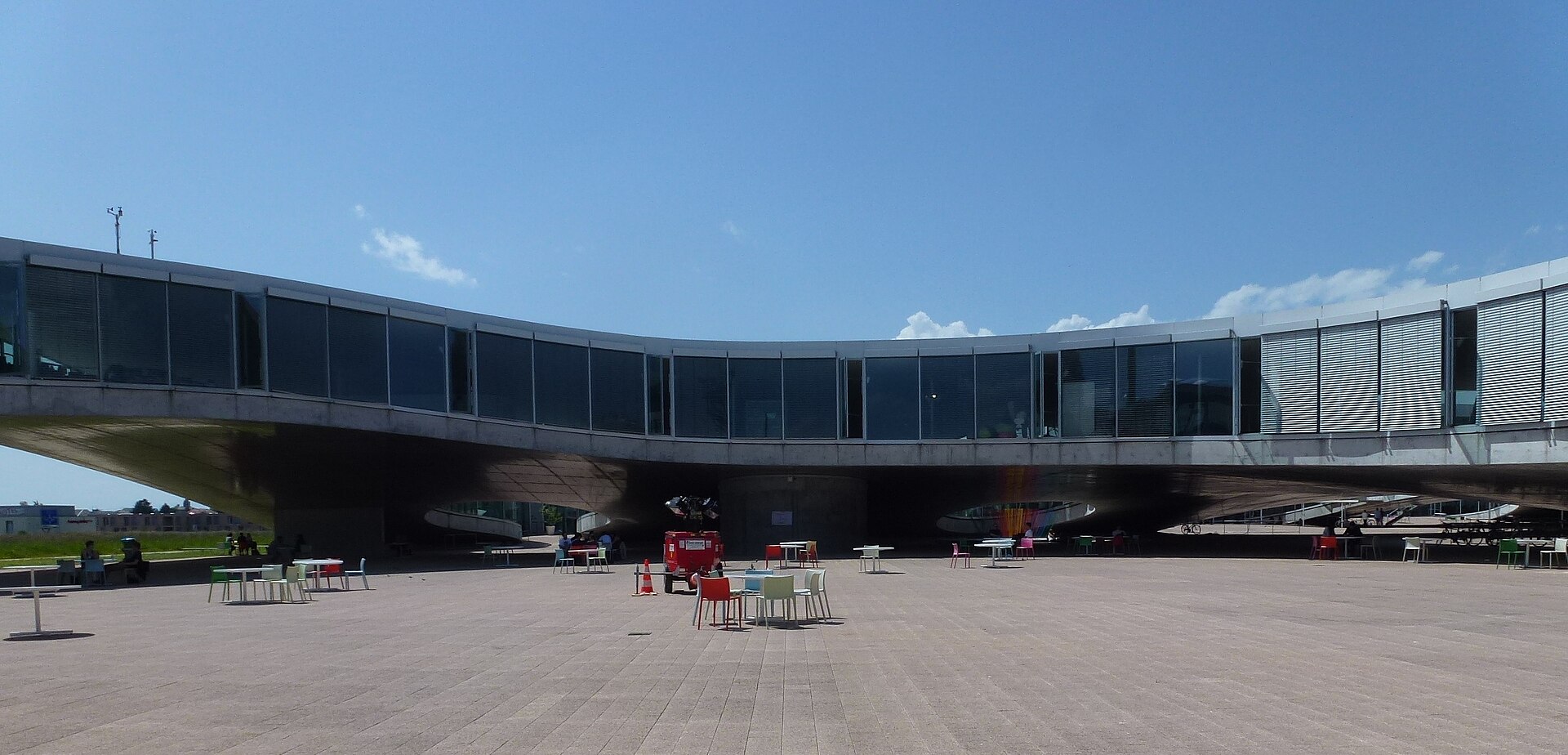
- Comparing Swiss universities? Our EPFL campus tour covers the federal institute in Lausanne, in the French-speaking part of the country.
Bloiq is reader-supported. Some links may earn us a commission; it never affects what we write. How we make money.
Cover photo: Roland zh, upload on 10. Juli 2009, CC BY-SA 3.0, via Wikimedia Commons