Home / Travel / Hong Kong · Campus tours
University of Hong Kong campus tour: a hillside campus on the Island
How to visit HKU: the Main Building and Loke Yew Hall, the Centennial Campus, the museum, hall culture, HKU MTR station and the best areas for families to stay.
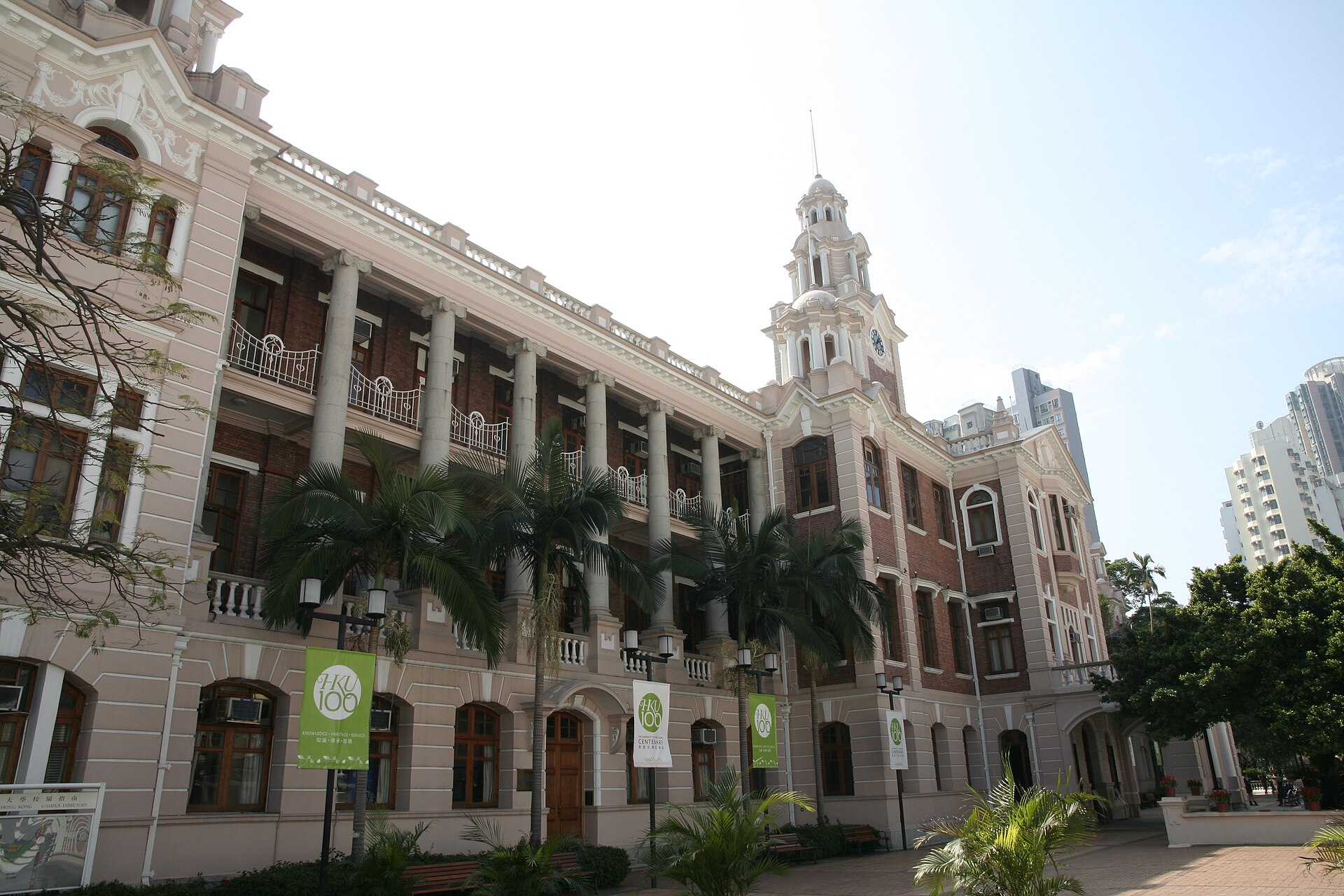
The University of Hong Kong climbs the steep lower slopes of Hong Kong Island above Sai Ying Pun and Kennedy Town, in the Pok Fu Lam area on the western side of the island. Founded in 1911, it is Hong Kong's oldest university, and its campus mixes a colonnaded Edwardian main building with terraced modern towers, all linked by lifts, escalators and footbridges. It's easy to reach by MTR and open to walk around, which makes it a rewarding visit even on a short stopover. Here's how to approach it.
Getting your bearings on a vertical campus
HKU is built on a hillside, so "how do I get up there?" matters more than "which way is north?". The campus is organised in layers:
- The Main Campus, around Bonham Road and Pok Fu Lam Road, with the historic Main Building and many faculty buildings.
- The Centennial Campus, opened for the university's hundredth anniversary in 2012, built on terraces above the Main Campus, with law, arts and social sciences buildings and landscaped gardens.
- The residential halls, scattered up the hillside above and around the teaching areas, and further out along Pok Fu Lam.
- The medical campus, in Sassoon Road near Queen Mary Hospital, further south.
Lifts and covered walkways connect the levels. Once you've found them, the climb is much gentler than it looks from the street.
The Main Building and its quadrangles
The Main Building, completed in 1912, is the heart of HKU and a declared monument. Built in red brick and granite, with colonnaded verandahs, arched windows and a central clock tower, it is one of the few Edwardian buildings of this scale left in Hong Kong. Inside, two quiet courtyards with ponds and palms give a sense of how the early university looked.
Loke Yew Hall, the grand hall inside the building, is used for ceremonies and lectures. Walk the verandahs slowly; the building is still in daily use, so keep noise down near classrooms.
Other places worth seeing
- University Museum and Art Gallery: in the Fung Ping Shan Building on Bonham Road, with collections of Chinese ceramics, bronzes and paintings. It is open to the public; check its hours before you go.
- The Centennial Campus gardens: the terraced landscaping, lawns and rooftop gardens give views over the city and across Victoria Harbour on a clear day.
- The Sun Yat-sen connection: Sun Yat-sen, founding figure of modern China, studied at the Hong Kong College of Medicine for Chinese, one of the institutions that became part of HKU. The university marks the connection with a statue and in its history displays.
- The libraries: the Main Library is a large complex near the centre of campus, with specialist branch libraries in the faculties.
Hall culture and student life
HKU is known for its residential halls, each with its own traditions, formal dinners, sports teams and inter-hall competitions. Hall life is a real part of the experience for many students, particularly those from outside Hong Kong, although plenty of local students live at home and commute.
Teaching is predominantly in English, and HKU has a large international community of students and staff. Student societies range from debating and drama to hiking; Hong Kong's country parks and trails are surprisingly close.
The neighbourhoods at the foot of the hill are where students eat and relax. Sai Ying Pun has cafés, small bars and dried seafood shops side by side, and Kennedy Town has a waterfront promenade and a strong café scene. Central and Soho are a few MTR stops east.
How to visit
The campus is generally open to visitors walking through public areas, and the museum welcomes the public. For prospective students, HKU holds information days and open days and publishes admissions information for local and international applicants; campus tours for prospective students have also been offered at times. Arrangements change, so check the university's official admissions and visitor pages before you go.
How to get there
- MTR: HKU station on the Island Line was built specifically to serve the university. Its exits include long lifts that bring you up the hill towards the campus, saving a steep climb.
- From Central: a few minutes on the Island Line. From Kowloon, change to the Island Line or take a taxi through the cross-harbour tunnels.
- From the airport: the Airport Express to Hong Kong station in Central, then the Island Line west, is the simplest route.
- Buses and minibuses run along Bonham Road and Pok Fu Lam Road, and trams run along the flat streets at the bottom of the hill.
Staying overnight
- Sai Ying Pun and Kennedy Town: closest to campus, residential and relaxed, with good food and MTR access.
- Sheung Wan and Central: a few stops away, with the widest choice of hotels and easy access to the rest of Hong Kong Island.
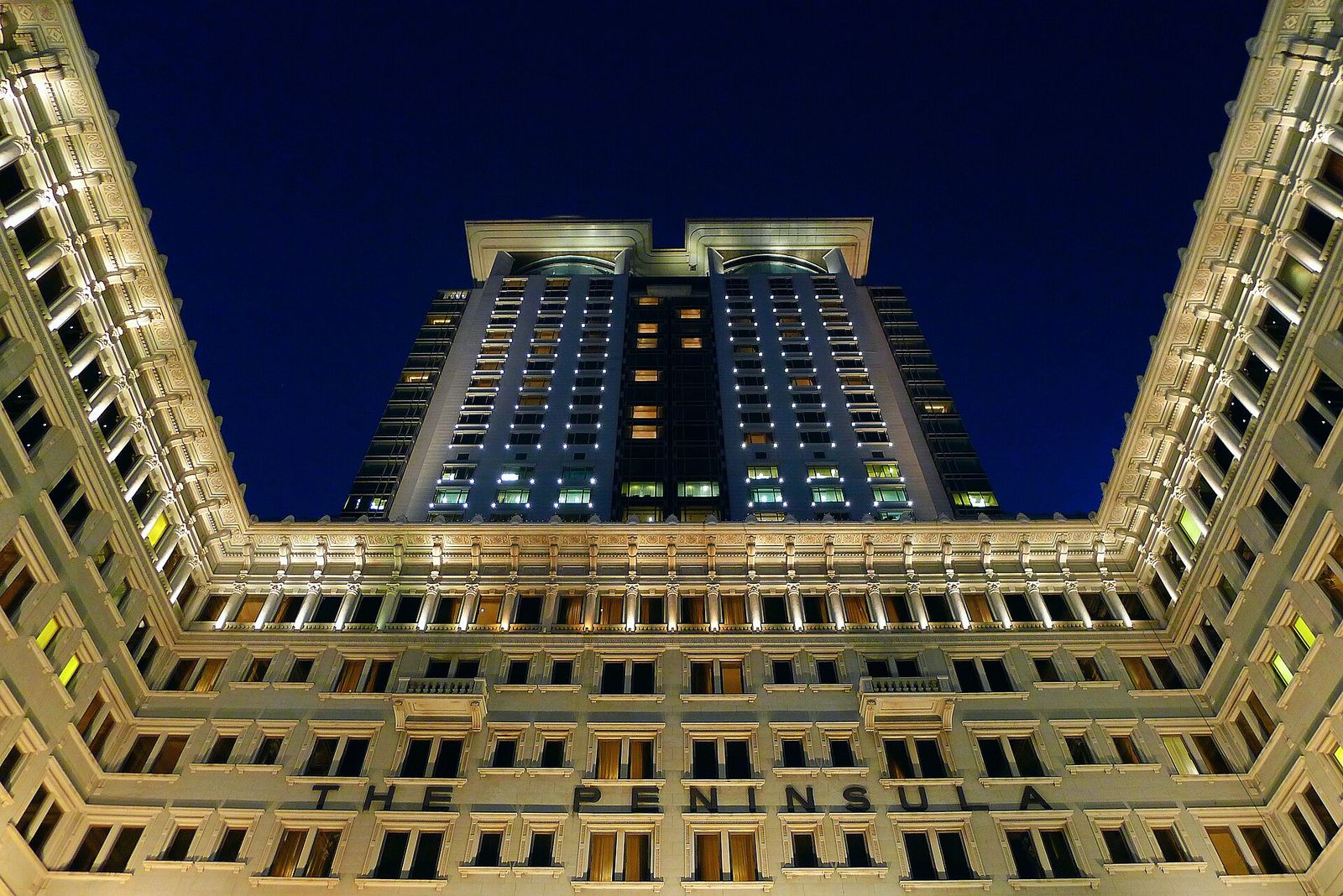
- Tsim Sha Tsui in Kowloon: popular for harbour views and shopping, with a slightly longer journey to campus. Our guide to The Peninsula Hong Kong covers one of the area's landmarks.
Tips for the day
- Wear good shoes; even with lifts, there are steps and slopes.
- Summer is hot, humid and wet, with a typhoon season, so watch the weather warnings. October to December is usually the most comfortable time to visit.
- Pick up water in the MTR station or the campus shops; air-conditioned buildings make good rest stops.
- Combine the campus with a walk down to Kennedy Town's waterfront or a tram ride east.
- Confirm open day dates and any registration on the university's official site before you travel.
Bloiq is reader-supported. Some links may earn us a commission; it never affects what we write. How we make money.
Cover photo: Adon3465, CC BY-SA 3.0, via Wikimedia Commons